 EN
EN
EN
EN
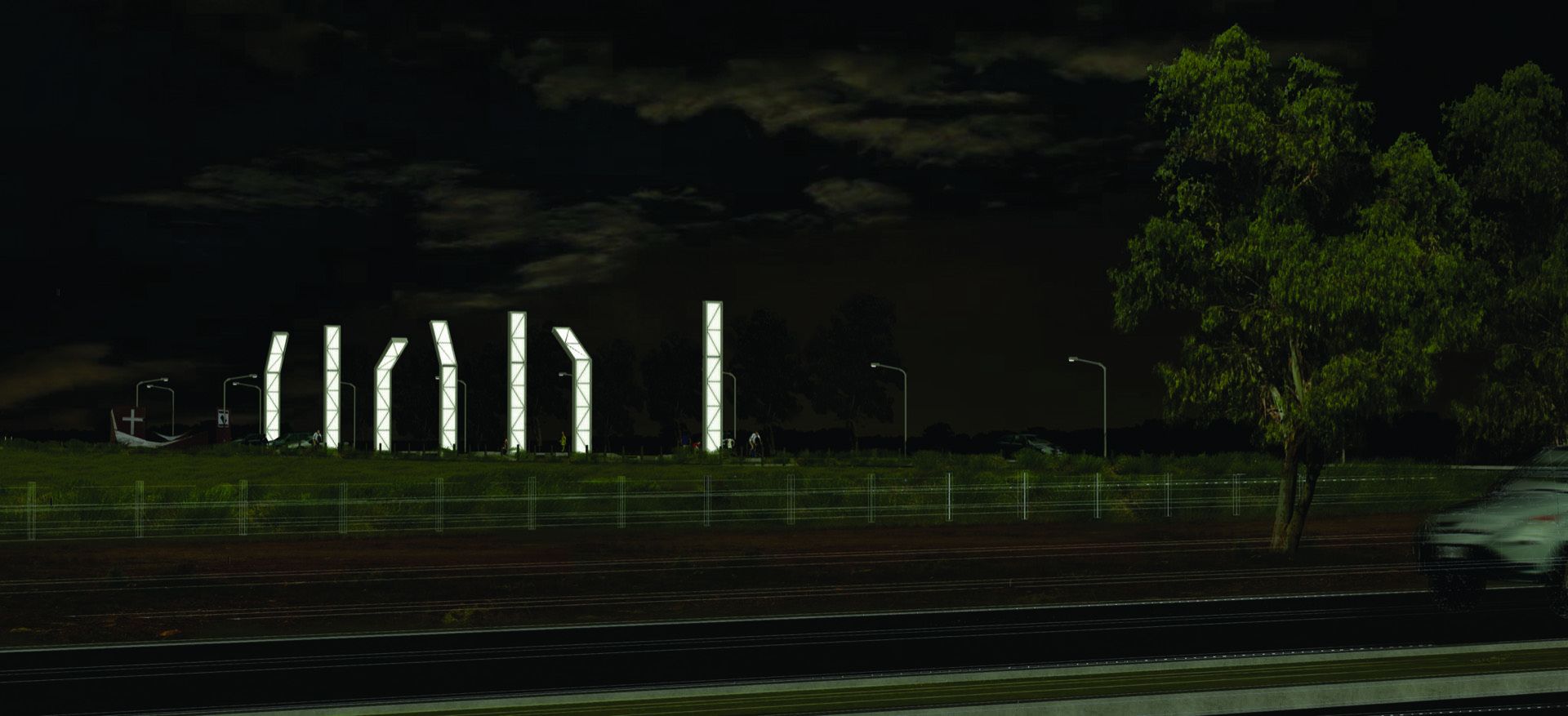
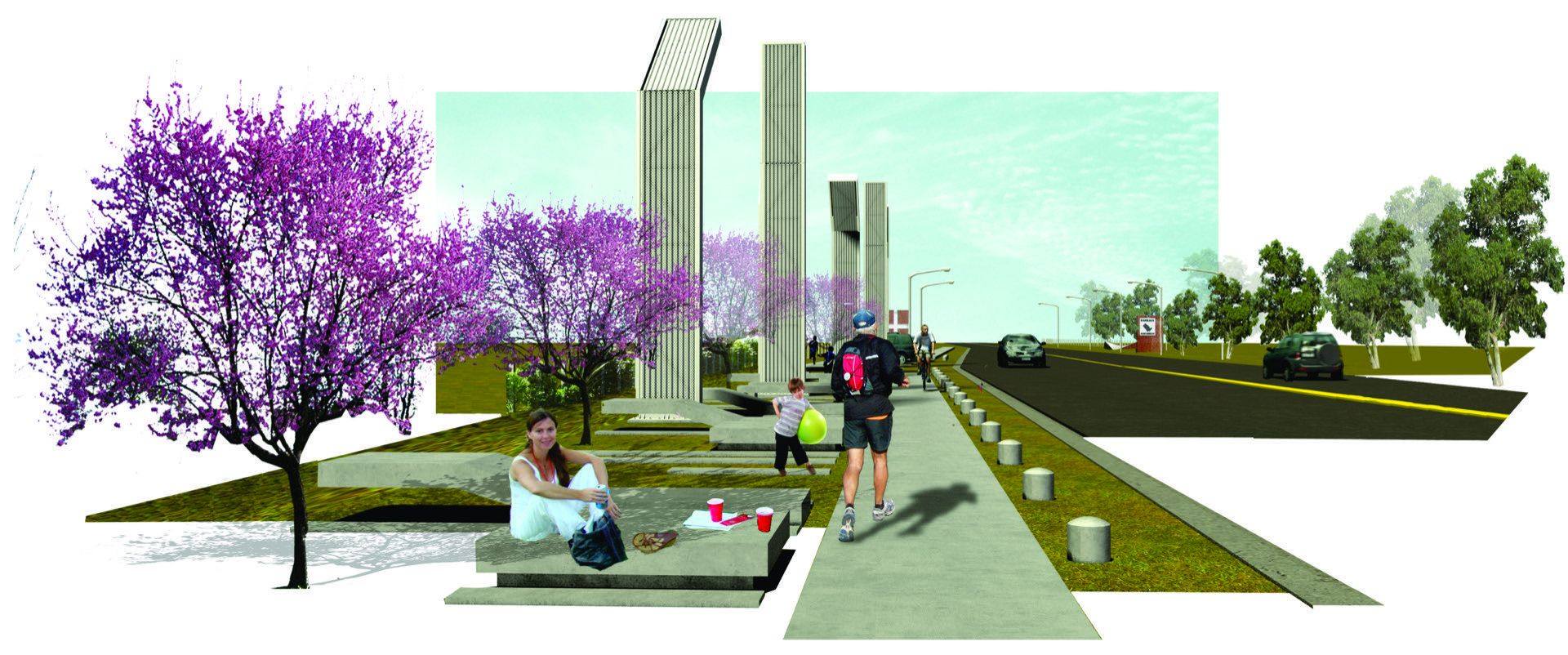
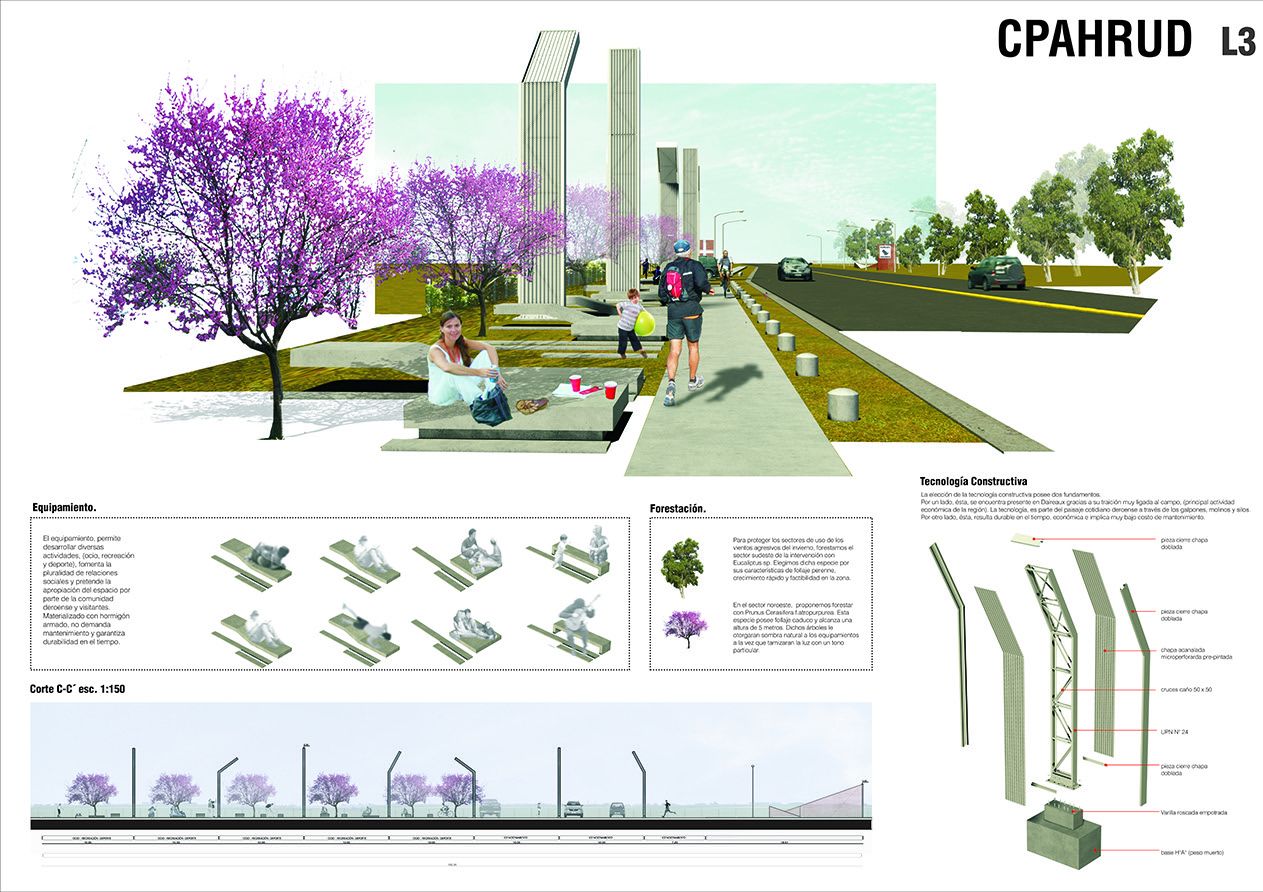
La creación de un hito referencial urbano para la conmemoración del centenario del partido de Daireaux implica un compromiso doble. En primera instancia, nos conduce a reflexionar acerca de cómo debe ser un hito referencial contemporáneo. En segundo lugar, pero de esencial importancia, a profundizar sobre las personas, los ciudadanos deroenses, comprender su identidad, su cultura, y sus deseos.
Un hito es un punto fijo de reconocimiento ciudadano con significado simbólico, con el que los mismos deben sentirse identificados. Éste debe reafirmar los valores compartidos por la sociedad. Debe garantizar su apropiación a partir de ofrecer una función no meramente comunicativa.
Pretendemos diseñar un hito representativo de su comunidad, incluyente, igualador, interpretando su tradición cultural, simbólica, de uso y constructiva. La fundación deroense no se produjo instantáneamente, sino que se debió a la acción continuada de los integrantes de la población, provenientes de diferentes lugares, de diversas profesiones y con distintas habilidades, que a través de sus voluntades, acciones, trabajos y proyectos, permitieron generar una acción fundacional a través del tiempo y construir cierta identidad a partir de su diversidad. Por esta razón se puede decir que Daireaux es producto de una «fundación continuada, participativa y múltiple».
Valor urbano. El eje Carlé presenta en la zona a intervenir dos bordes de características claramente diferenciadas. El borde noroeste conforma un recorrido en casi la totalidad del eje que transita por la Quinta Municipal, el Club Bancarios y finaliza en la Virgen María ubicada en el encuentro con la ruta n° 65. El borde sudeste se presenta más intacto y natural. Nuestro proyecto plantea fortalecer las características actuales de los bordes para enfatizar el eje.
Hito secuencial. Proponemos un hito secuencial continuado y participativo que incorpora valor simbólico y espacios de uso para el disfrute de la comunidad. Diseñamos una secuencia de «faros», elementos verticales que consolidan el eje lineal del acceso J. Carlé. Éstos son elementos variables, distintos en cierta forma e iguales desde otro punto de vista. Representan a los deroenses; son una muestra de diversidad continuada con el objetivo de conformar un elemento común, tal cual fue durante la gestación de Daireaux, tal cual es ahora.
El equipamiento, que permite desarrollar diversas actividades —ocio, recreación y deporte—, fomenta la pluralidad de relaciones sociales y pretende la apropiación del espacio por parte de la comunidad deroense y visitantes. Desde la ruta n° 65, se identifica la secuencia de «faros» que aluden y conmemoran la diversidad de los ciudadanos deroenses, a la vez que iluminan y jerarquizan el acceso.