
ExperienciaExperience ReconocimientoRecognition EstudioStudio ContactoContact
01 / 09
Scroll
← Todos los proyectos← All projects

Edificio B11Building B11

CategoríaCategory Edificio en altura · ResidencialHigh-rise Building · Residential
UbicaciónLocation Mar del Plata, Argentina
EstadoStatus En ObraUnder Construction
SuperficieArea 2.947,1 m²

Llenos, vacíos y paisaje

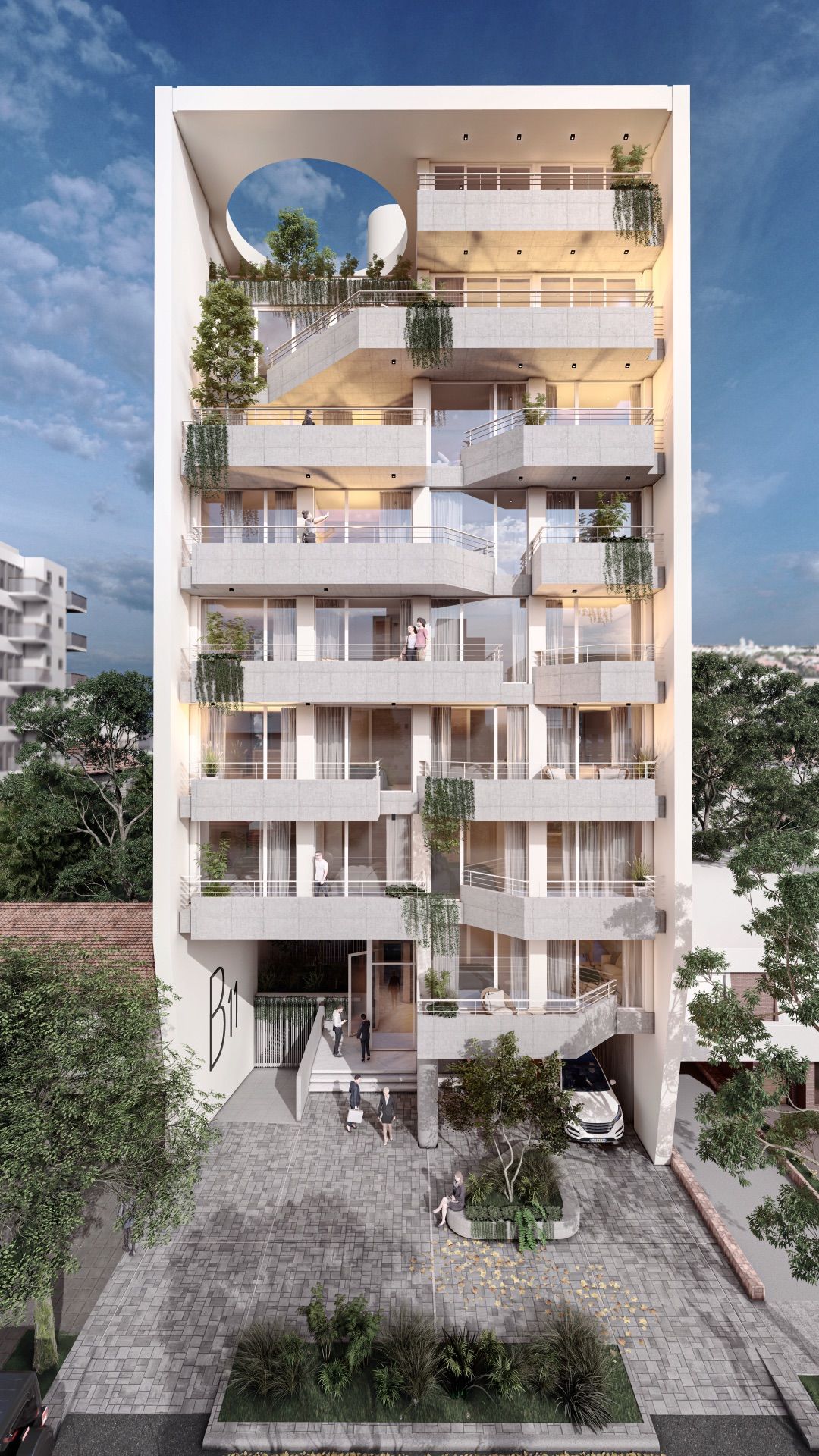
B11 propone una arquitectura residencial donde la relación con el exterior se construye a partir de una composición de llenos, vacíos y expansiones. A pocos metros de la costa, el edificio trabaja con las condiciones propias del clima marplatense —viento, sombra, frío y variaciones de luz— para transformar balcones y terrazas en espacios exteriores protegidos y utilizables.

El proyecto organiza su identidad desde una envolvente profunda y dinámica, capaz de vincular vivienda, ciudad y paisaje. Los desplazamientos, filtros y alternancias permiten construir una presencia urbana reconocible, sin resignar privacidad ni calidad doméstica.

El frente como espesor habitable

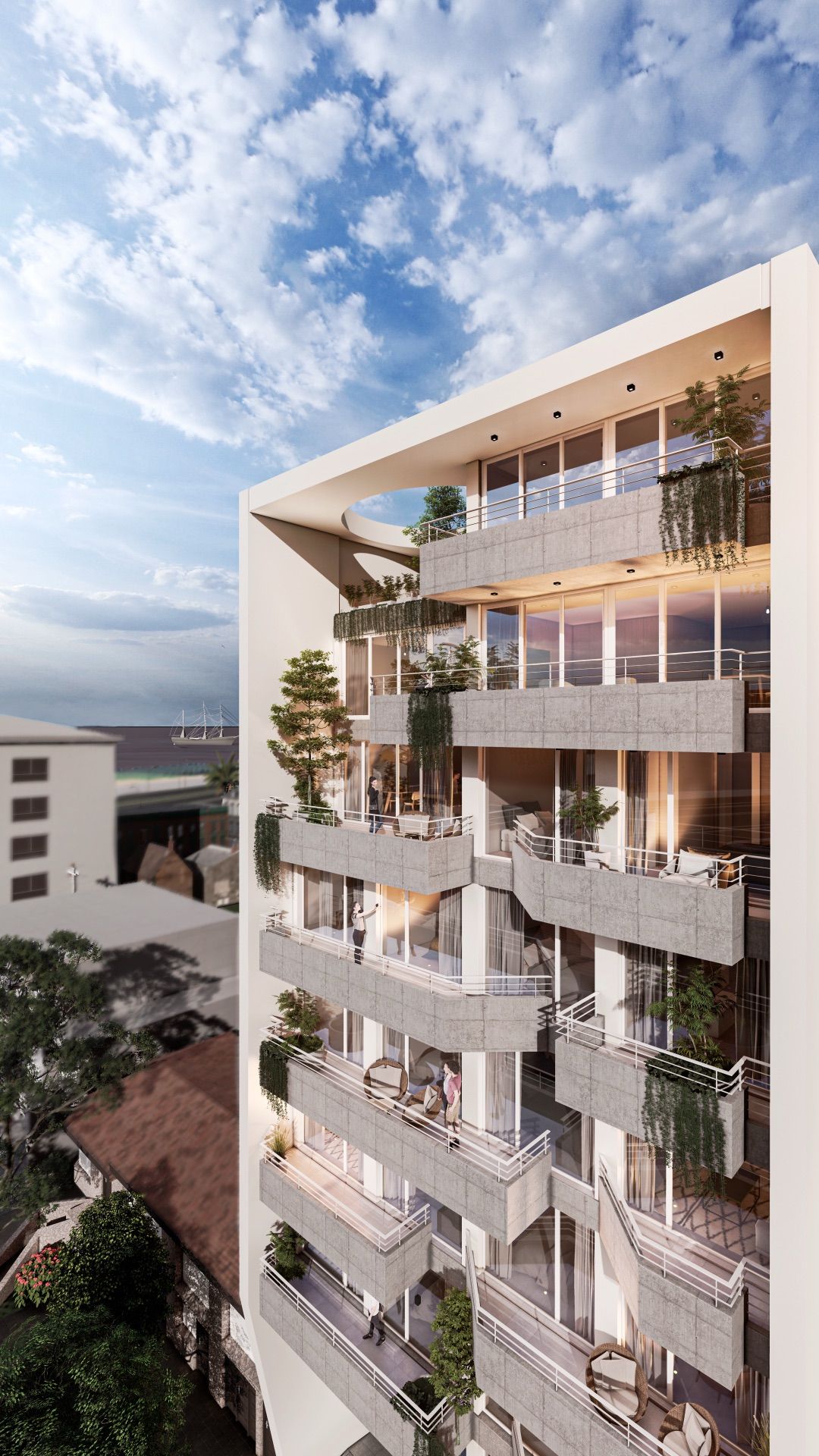
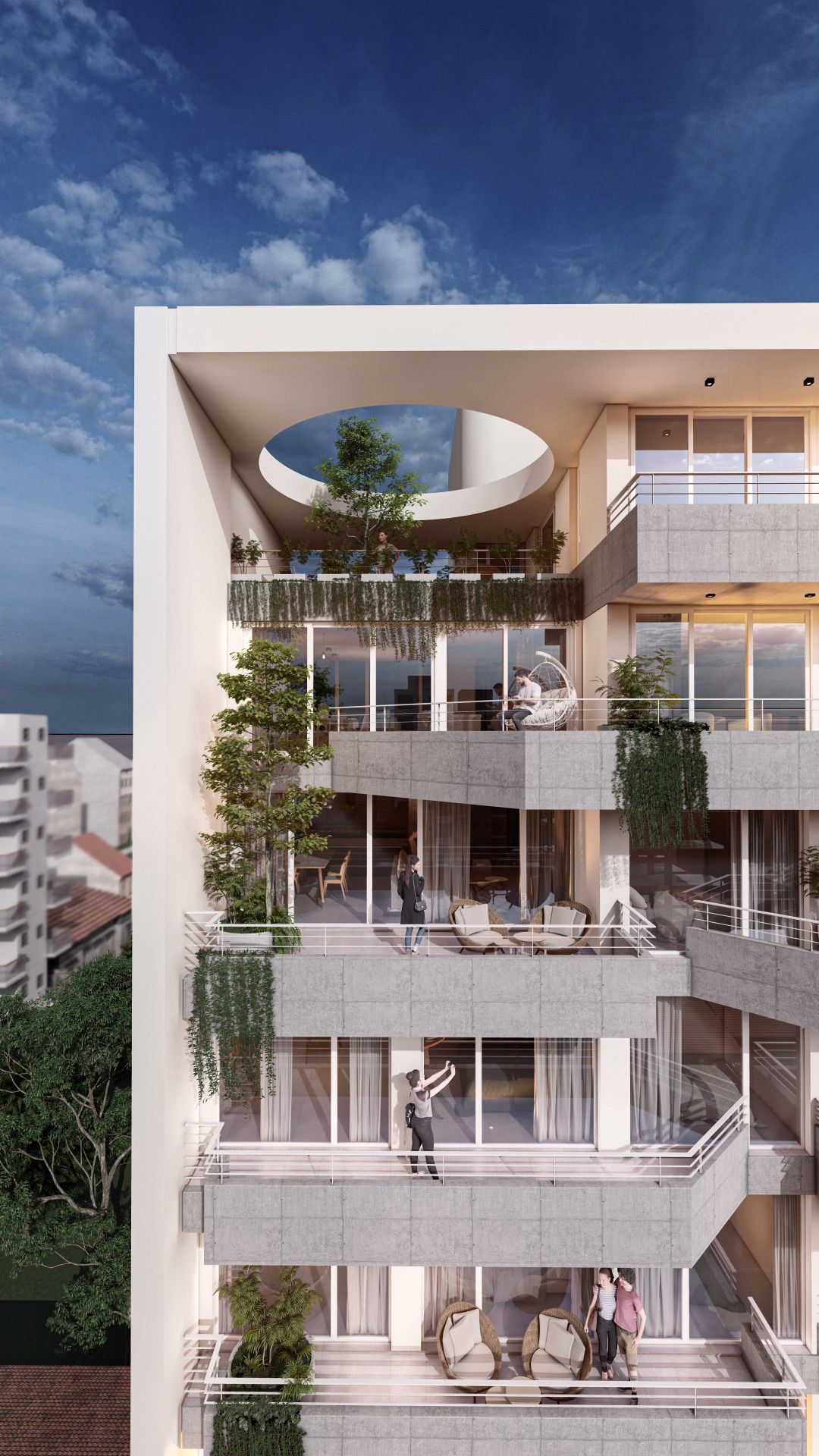
El frente del edificio se organiza mediante balcones y terrazas que se desplazan entre sí, generando una lectura de profundidad y movimiento. Esta alternancia permite que cada unidad construya un ámbito exterior propio, favoreciendo una relación más cuidada entre vecinos, calle y paisaje.

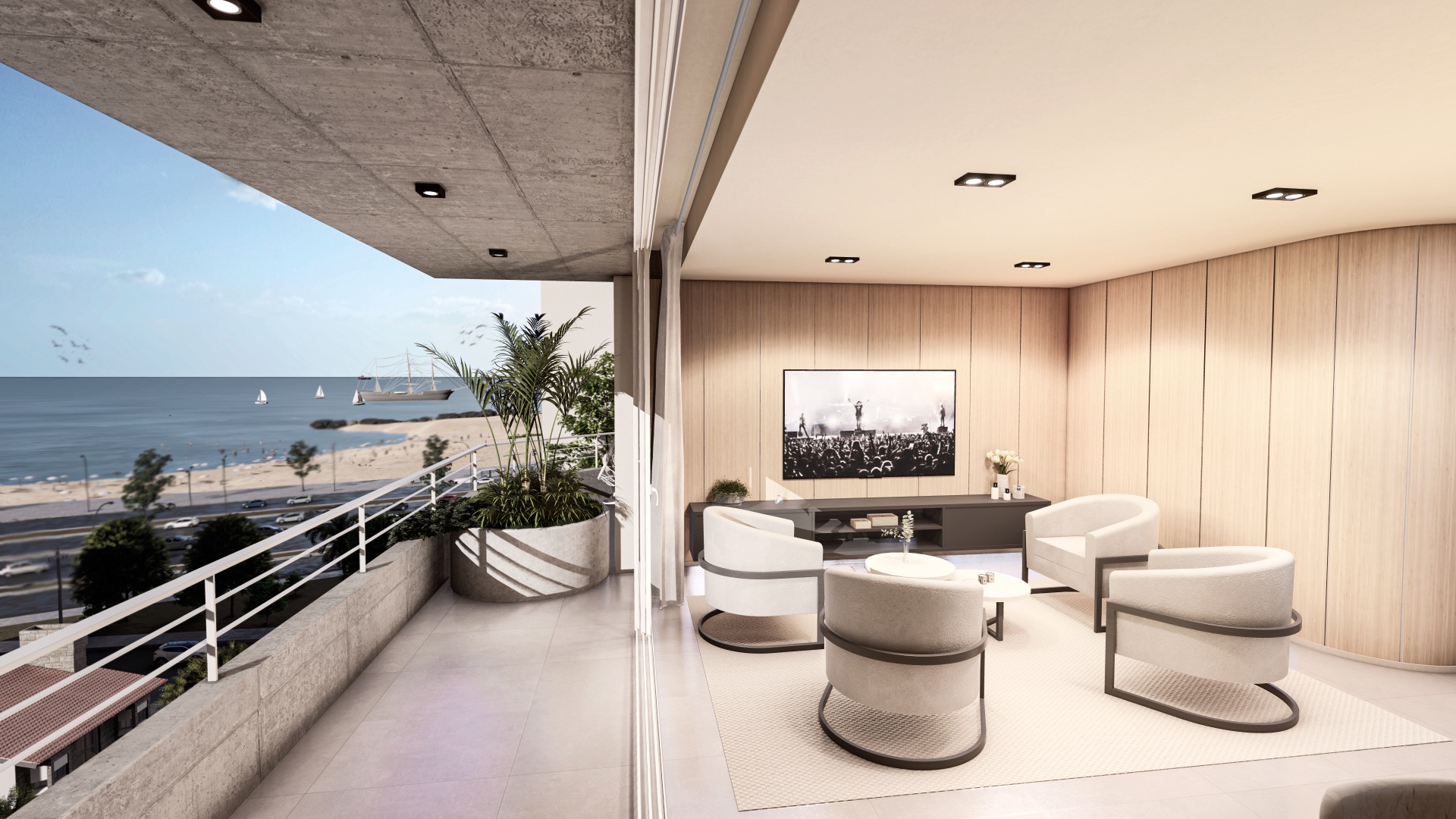
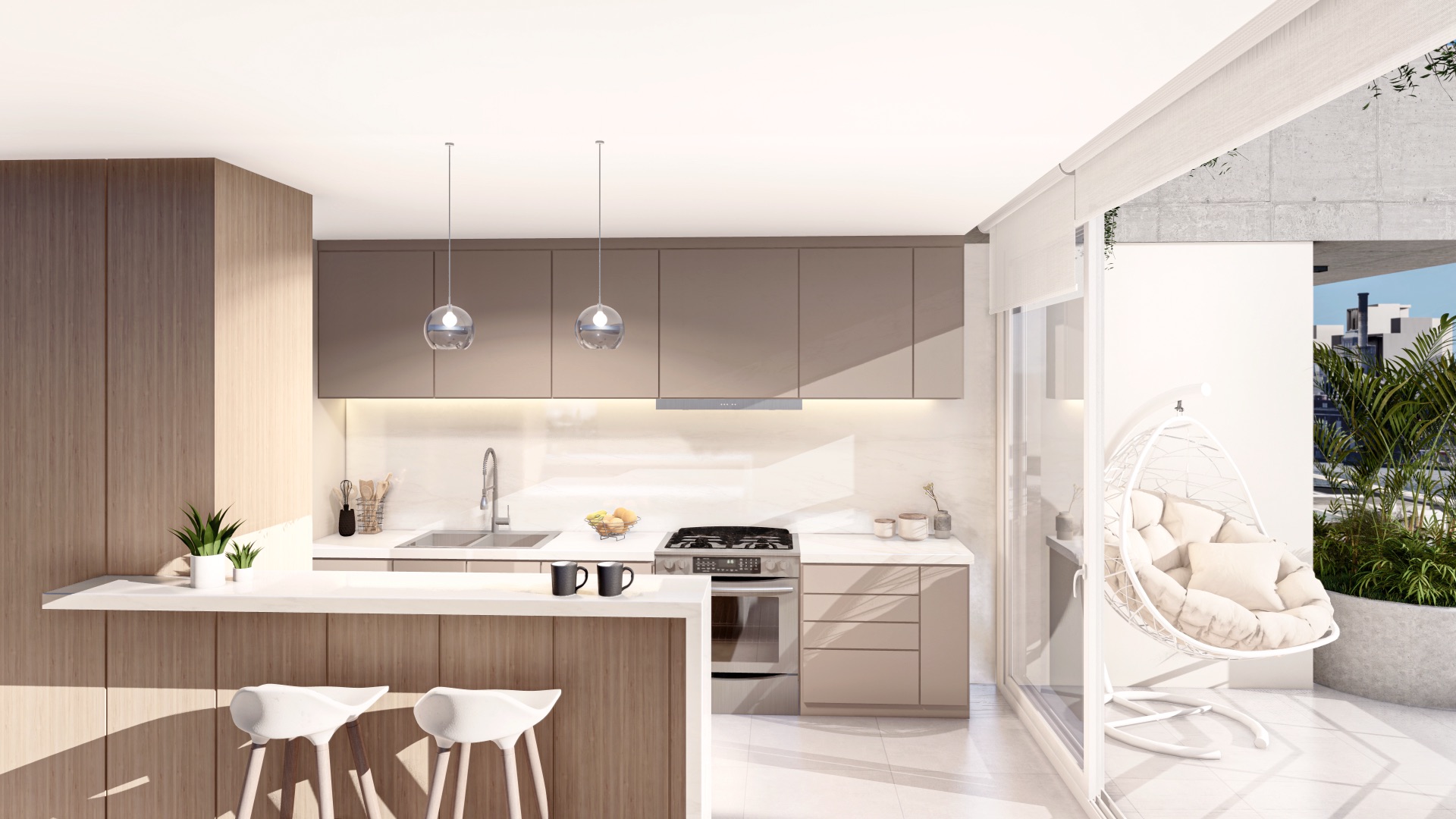
Las expansiones no se presentan como elementos agregados, sino como parte constitutiva de la arquitectura. Sus planos laterales, antepechos, barandas y cubiertas generan sombra, reparo y cierto cobijo, habilitando un uso más frecuente de estos espacios exteriores frente a las condiciones variables del clima costero.

Acceso y ciudad

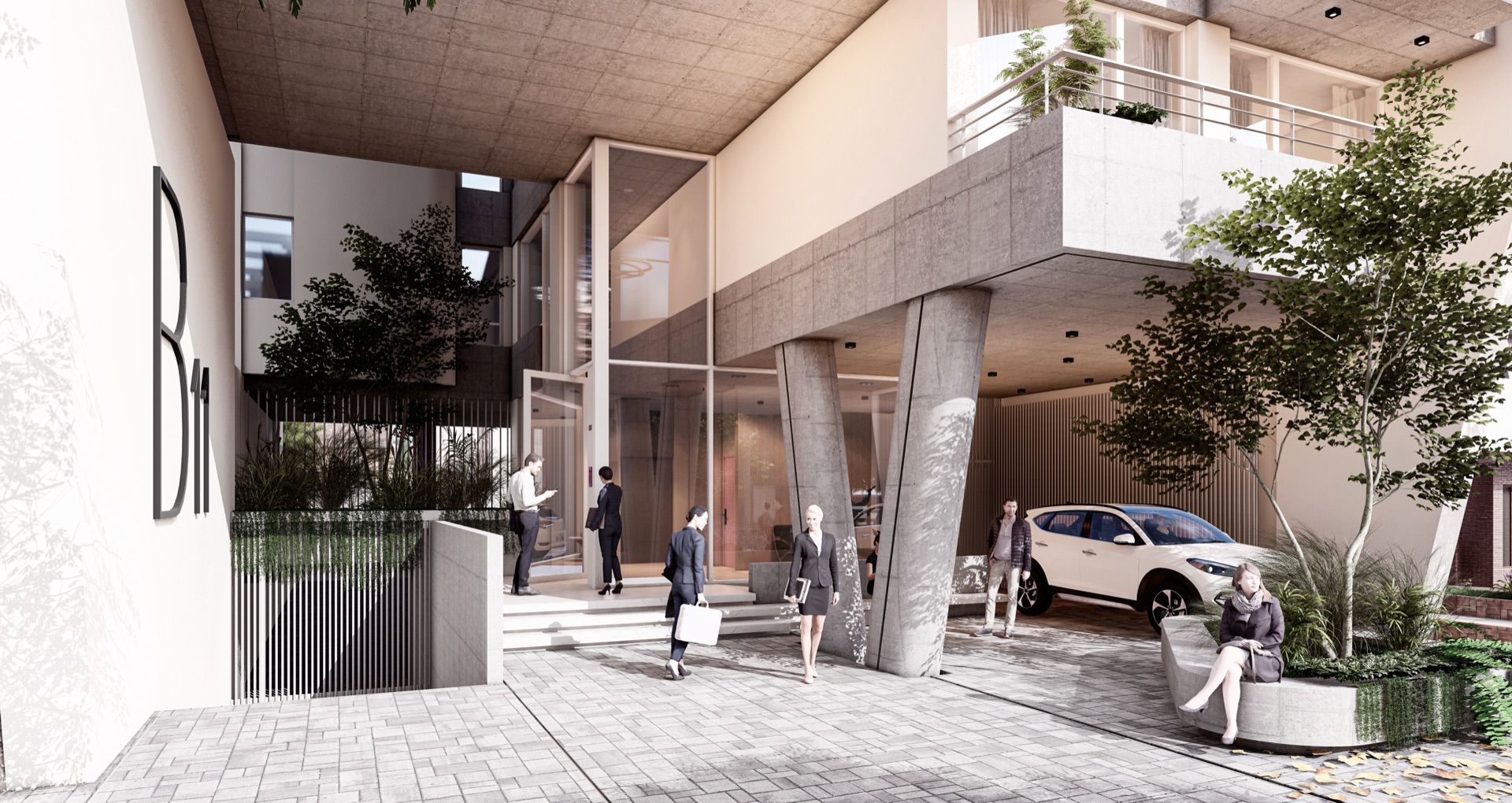
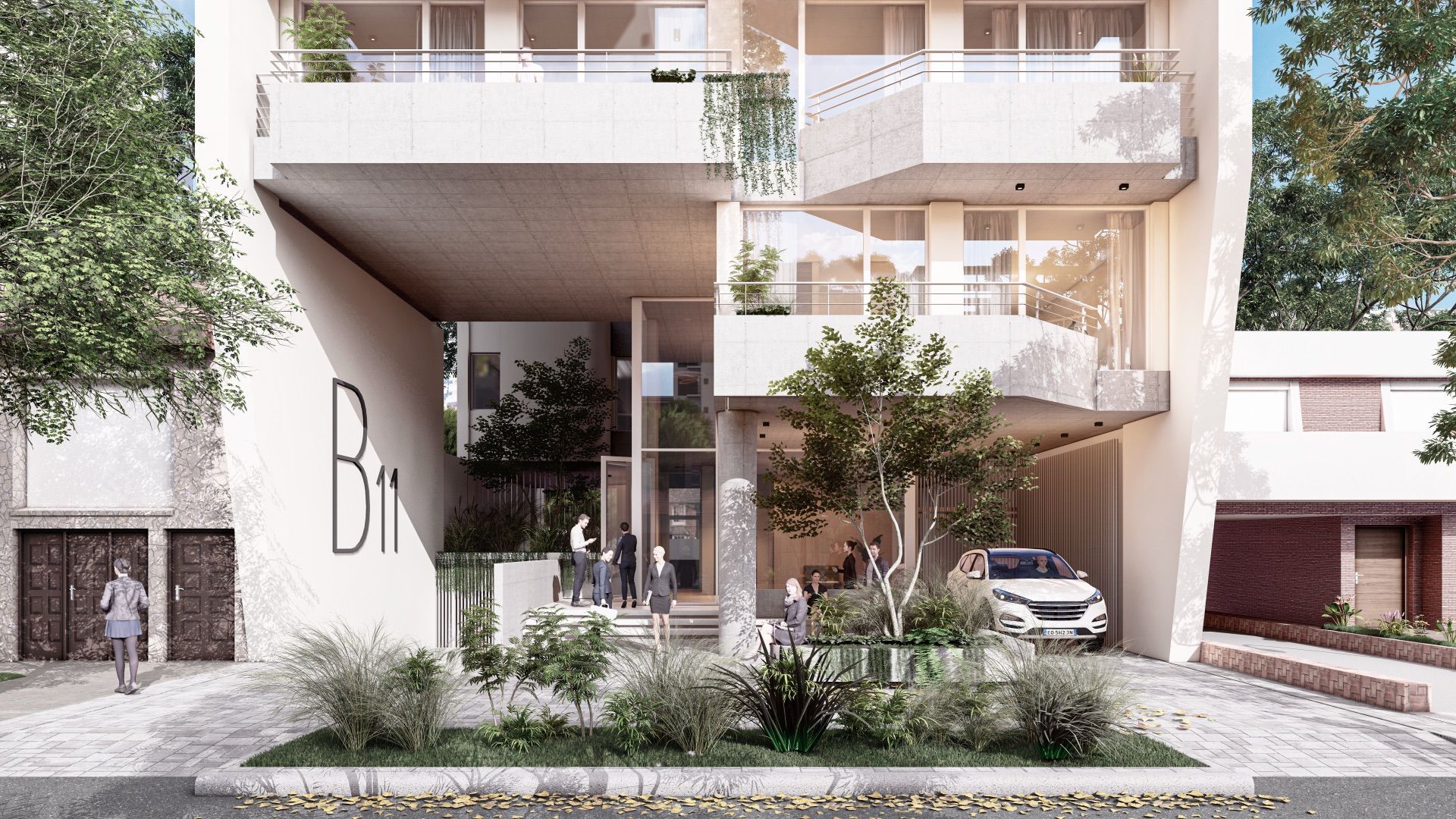
La planta baja propone una llegada amplia y espacial. El acceso se construye a partir de un vacío de escala urbana que genera profundidad, apertura visual y una transición clara entre la vereda, el hall y el interior del edificio.

La relación entre llenos, vacíos, vegetación y planos de sombra transforma el ingreso en una experiencia de llegada. El edificio incorpora presencia y actividad al nivel de la calle, construyendo un vínculo más amable entre arquitectura y ciudad.

Luz y ventilación

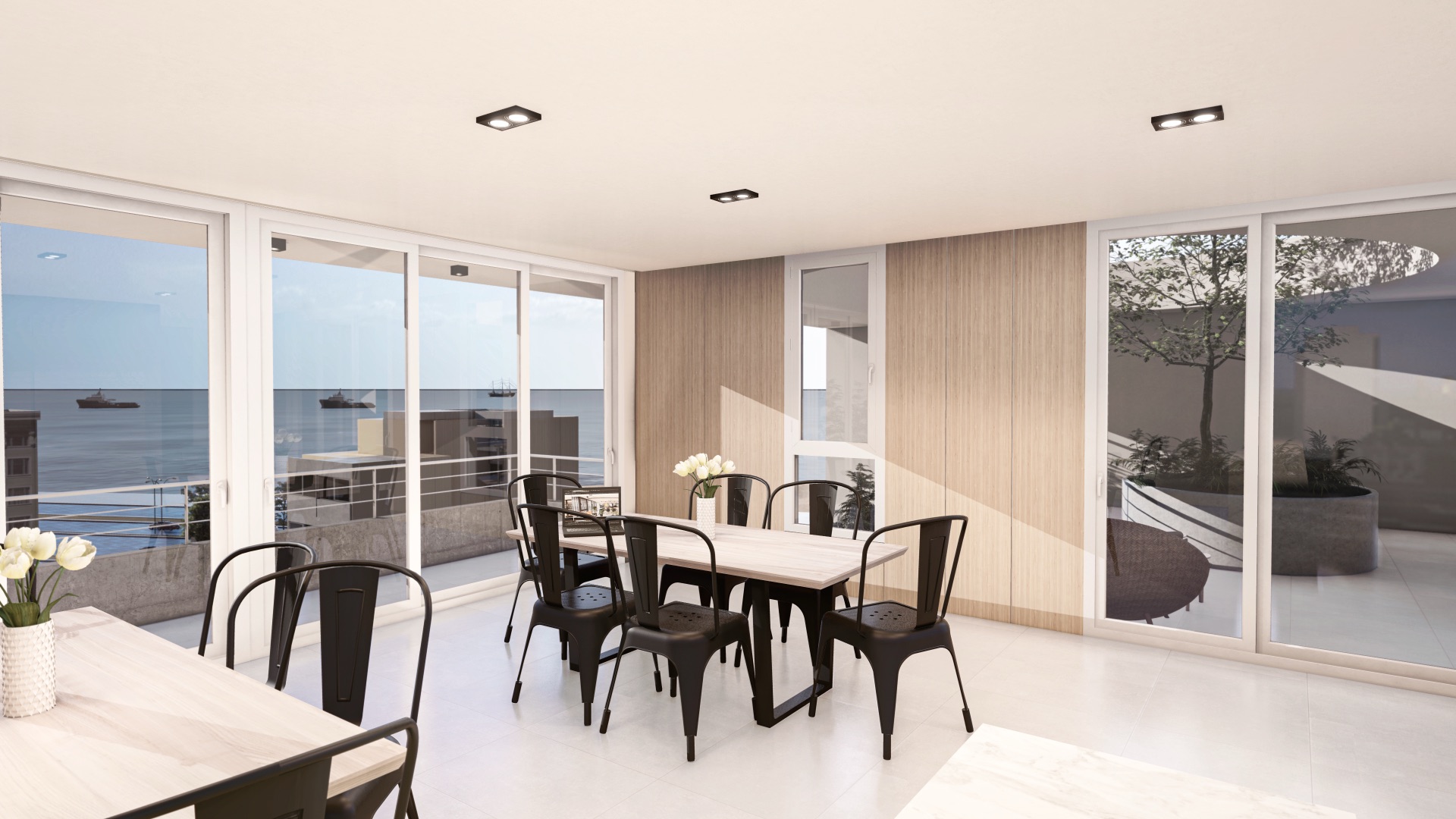
Los patios incorporados en la organización de las plantas acompañan la calidad ambiental de las unidades, favoreciendo el ingreso de luz natural y la ventilación cruzada.

Estos vacíos cumplen un rol preciso dentro del funcionamiento del edificio: permiten que los interiores respiren, mejoran las condiciones de uso cotidiano y complementan la relación principal que las viviendas establecen con sus expansiones exteriores.

Materialidad y atmósfera

La materialidad refuerza la identidad del proyecto mediante una combinación de planos claros, hormigón visto, barandas metálicas y vegetación. El conjunto construye una imagen contemporánea donde solidez, liviandad y textura conviven, acompañando la relación entre arquitectura, clima y vida cotidiana.

Paisaje compartido

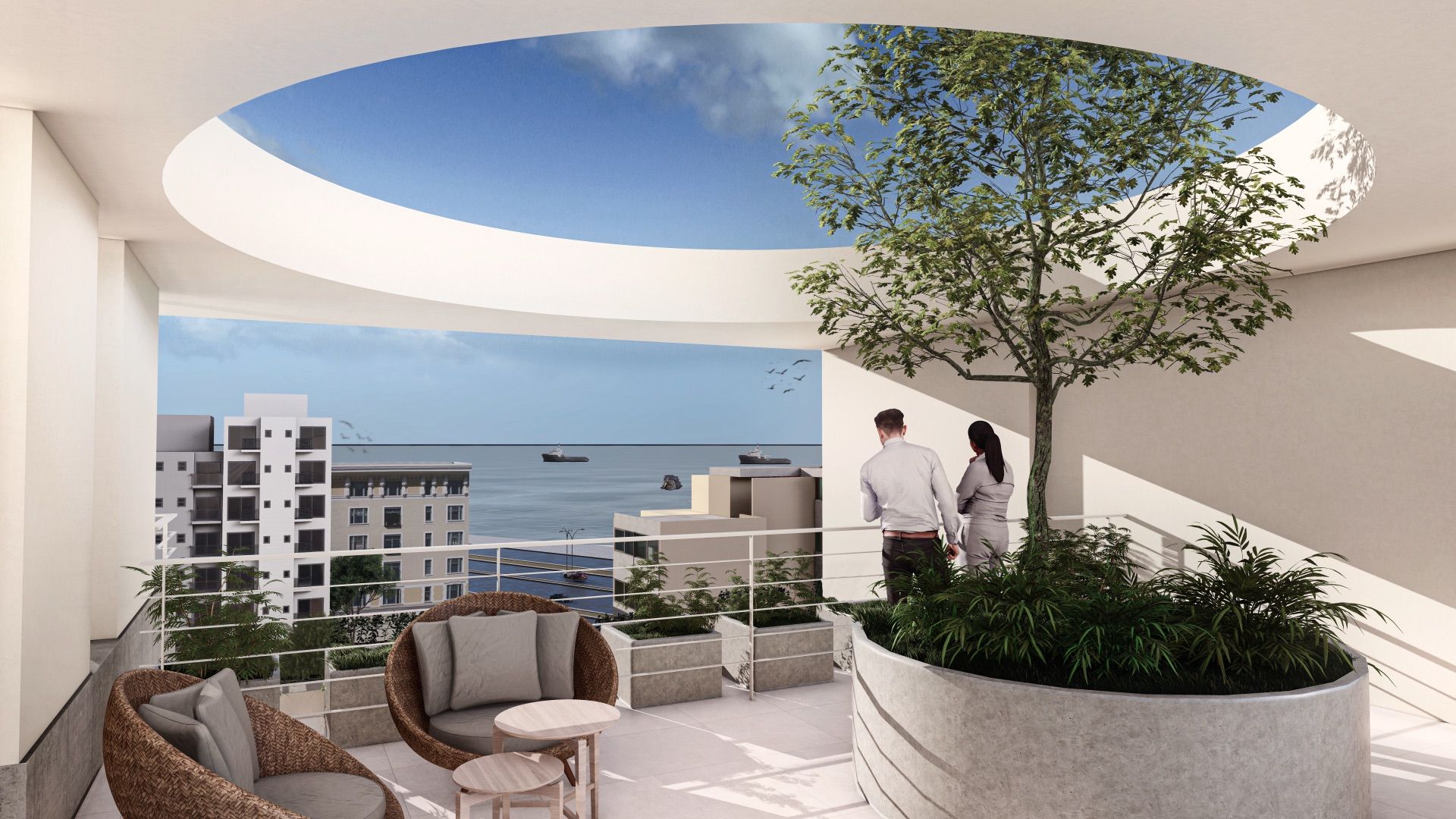
El remate del edificio, con quincho y terraza, incorpora una dimensión colectiva del paisaje. En altura, el espacio común se convierte en un ámbito de encuentro, expansión y contemplación, donde la ciudad y la costa forman parte de la vida compartida del edificio.

B11 propone una forma de habitar la costa desde la densidad, donde la composición de llenos y vacíos, el reparo de las terrazas, la calidad del acceso y la presencia del paisaje construyen una experiencia residencial abierta, protegida y contemporánea.

Solids, voids and landscape

B11 proposes a residential architecture where the relationship with the exterior is built through a composition of solids, voids and extensions. A few metres from the coast, the building works with the conditions of Mar del Plata's climate — wind, shade, cold and changing light — to transform balconies and terraces into protected, usable exterior spaces.

The project organises its identity through a deep and dynamic envelope, capable of connecting housing, city and landscape. Displacements, filters and alternations allow for a recognisable urban presence without sacrificing privacy or domestic quality.

The façade as habitable thickness

The building's façade is organised through balconies and terraces that shift against one another, creating a reading of depth and movement. This alternation allows each unit to build its own exterior space, fostering a more considered relationship between neighbours, street and landscape.

The extensions are not presented as added elements, but as a constituent part of the architecture. Their lateral planes, parapets, railings and roofs generate shade, shelter and a degree of enclosure, enabling more frequent use of these exterior spaces against the variable conditions of the coastal climate.

Access and city

The ground floor proposes a generous and spatial arrival. The entrance is built from an urban-scale void that generates depth, visual openness and a clear transition between the pavement, the lobby and the interior of the building.

The relationship between solids, voids, vegetation and planes of shade transforms the entrance into an arrival experience. The building incorporates presence and activity at street level, building a more welcoming connection between architecture and city.

Light and ventilation

The patios incorporated in the organisation of the floor plans support the environmental quality of the units, favouring the entry of natural light and cross ventilation.

These voids fulfil a precise role within the building's functioning: they allow the interiors to breathe, improve everyday conditions of use and complement the primary relationship that the dwellings establish with their exterior extensions.

Materiality and atmosphere

The materiality reinforces the identity of the project through a combination of light-coloured planes, exposed concrete, metal railings and vegetation. The whole builds a contemporary image where solidity, lightness and texture coexist, accompanying the relationship between architecture, climate and everyday life.

Shared landscape

The building's rooftop, with barbecue area and terrace, incorporates a collective dimension of landscape. At height, the shared space becomes a place for gathering, expansion and contemplation, where the city and the coast form part of the building's shared life.

B11 proposes a way of inhabiting the coast within density, where the composition of solids and voids, the shelter of the terraces, the quality of the access and the presence of the landscape build a residential experience that is open, protected and contemporary.