 EN
EN
EN
EN
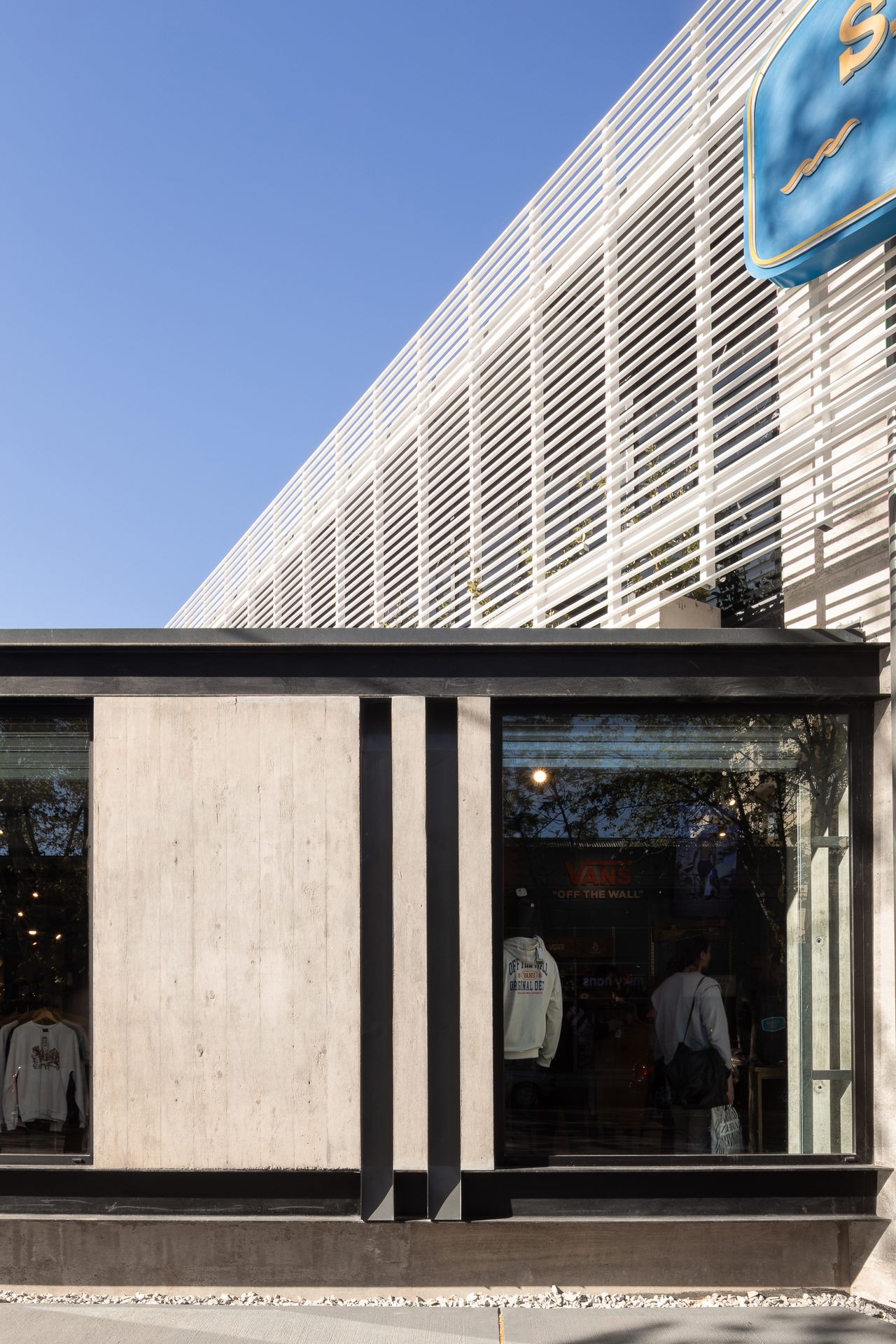
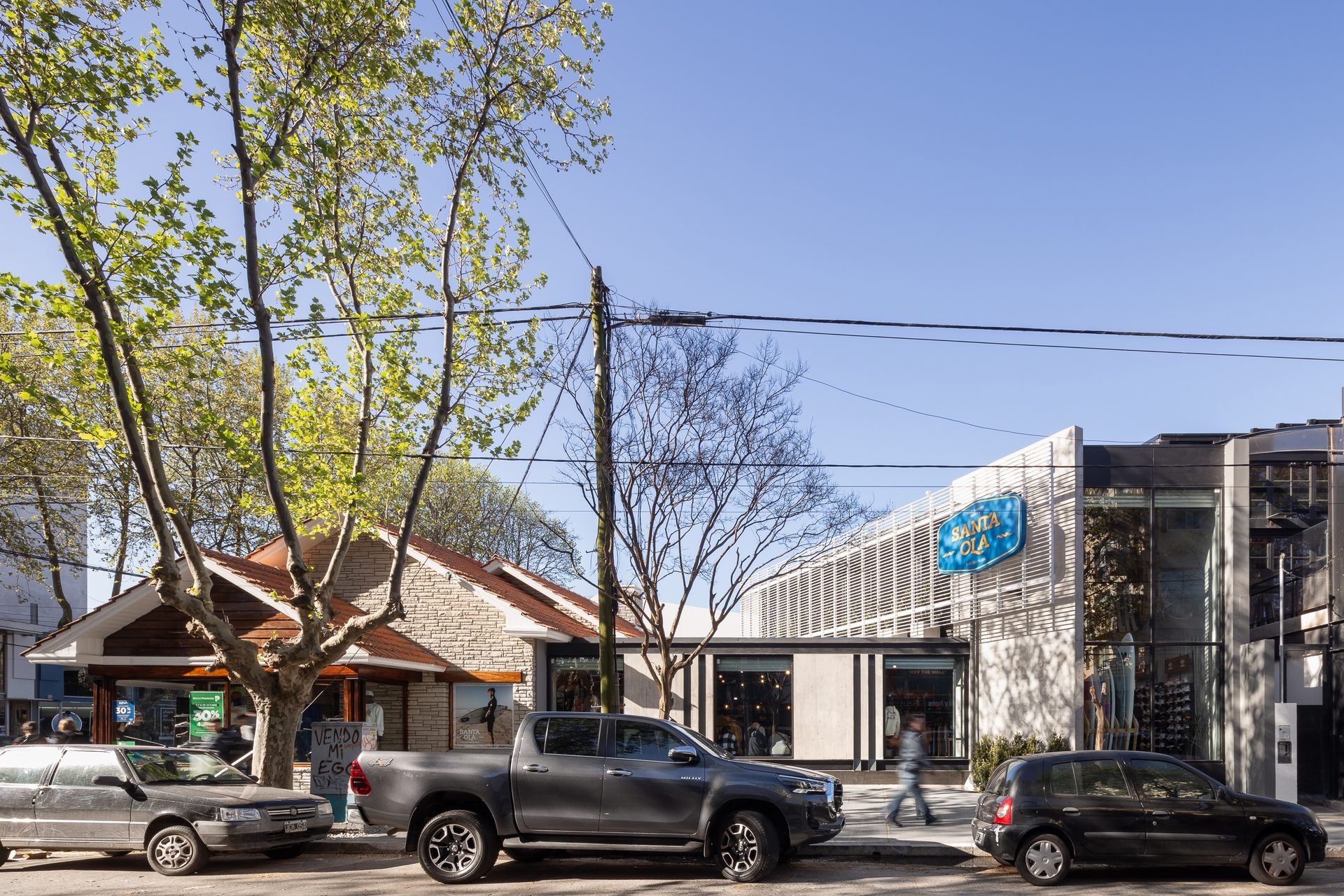
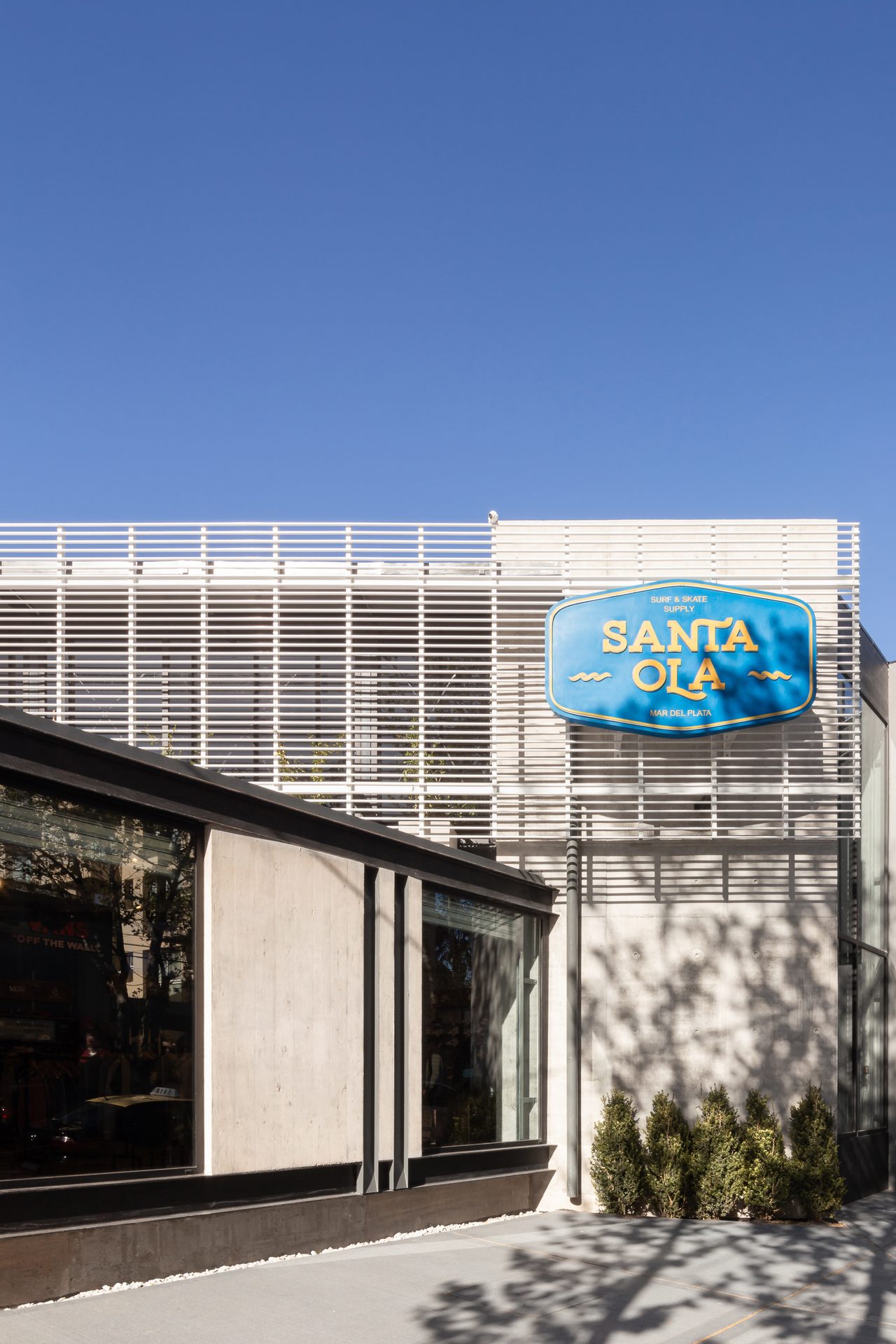
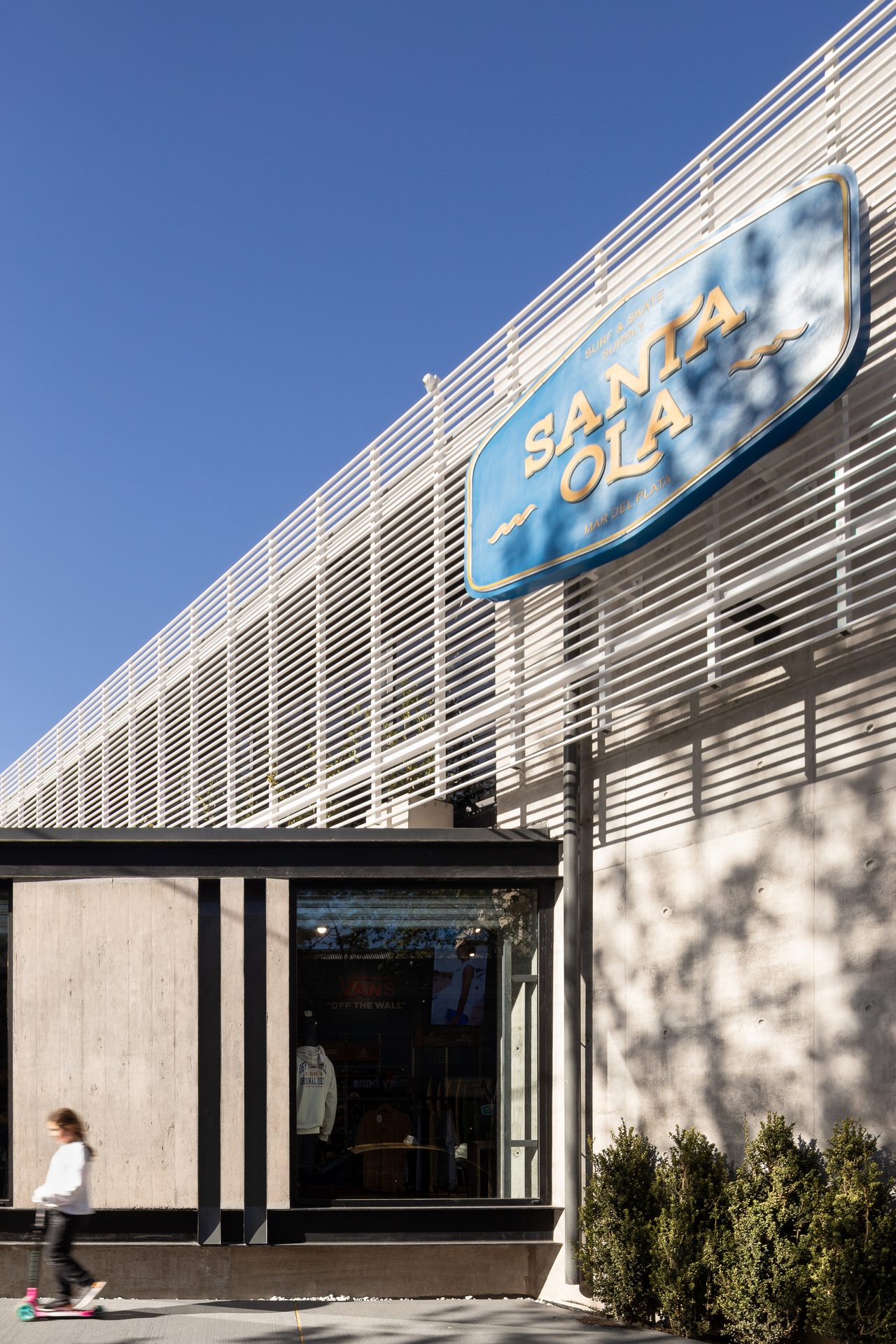
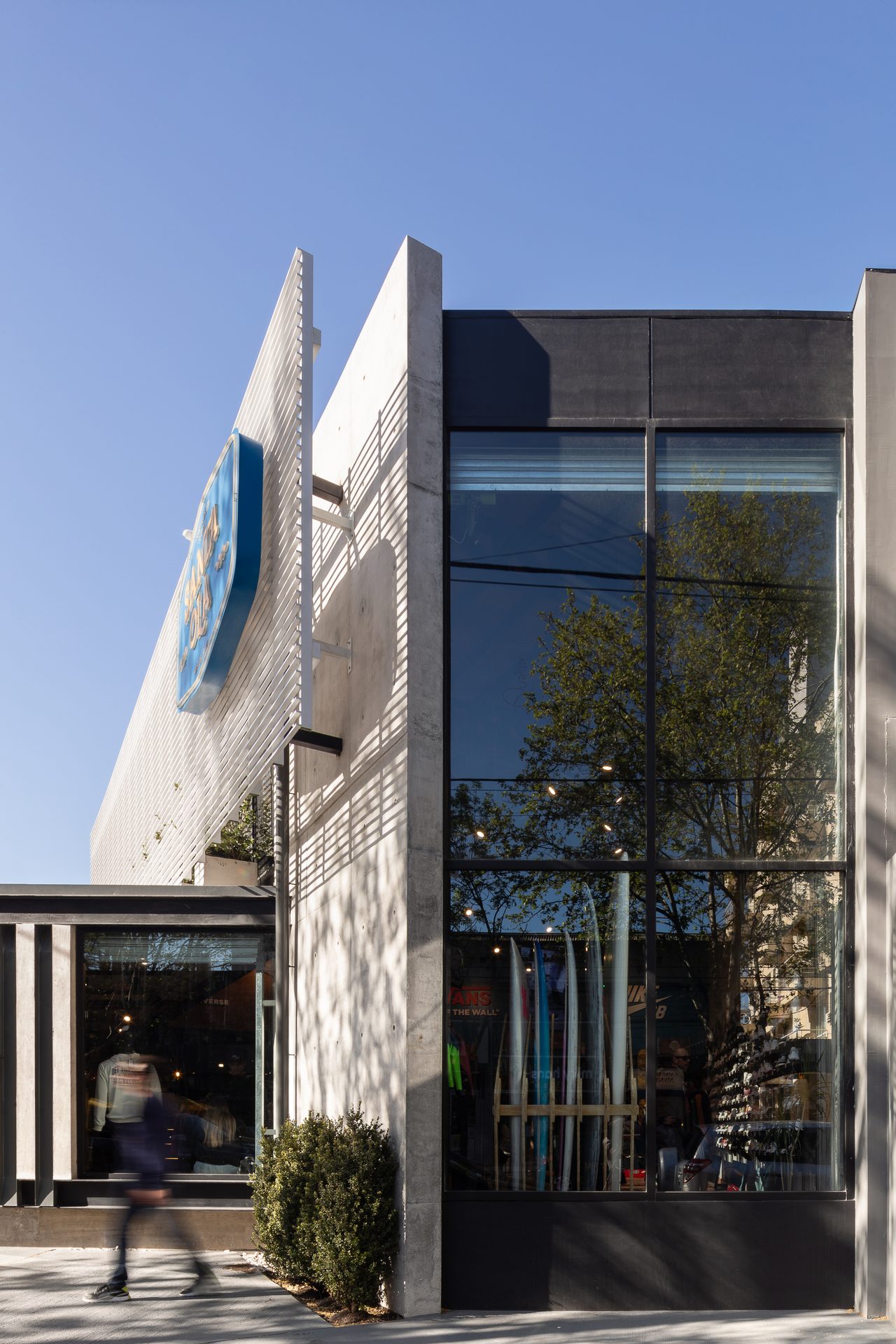
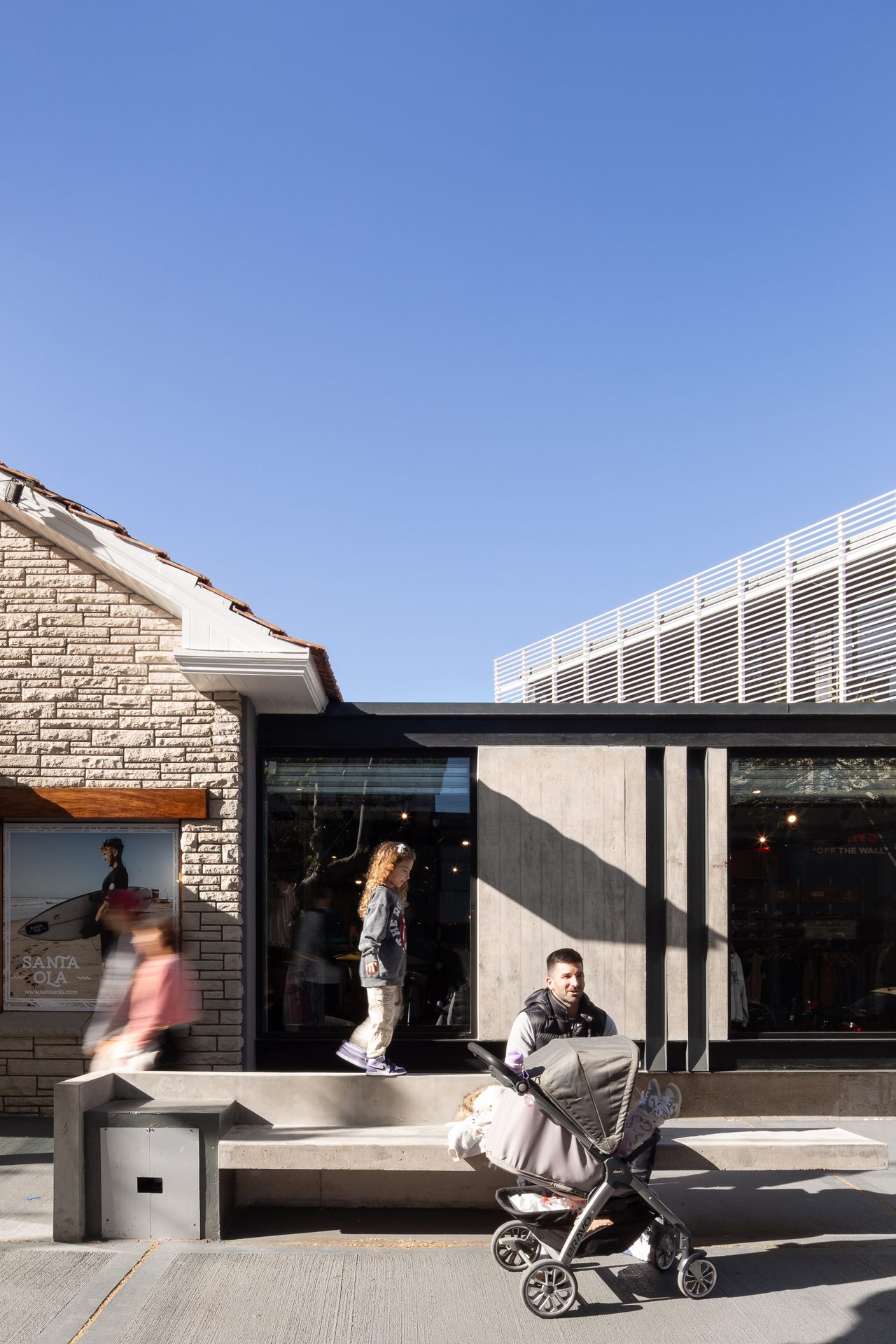
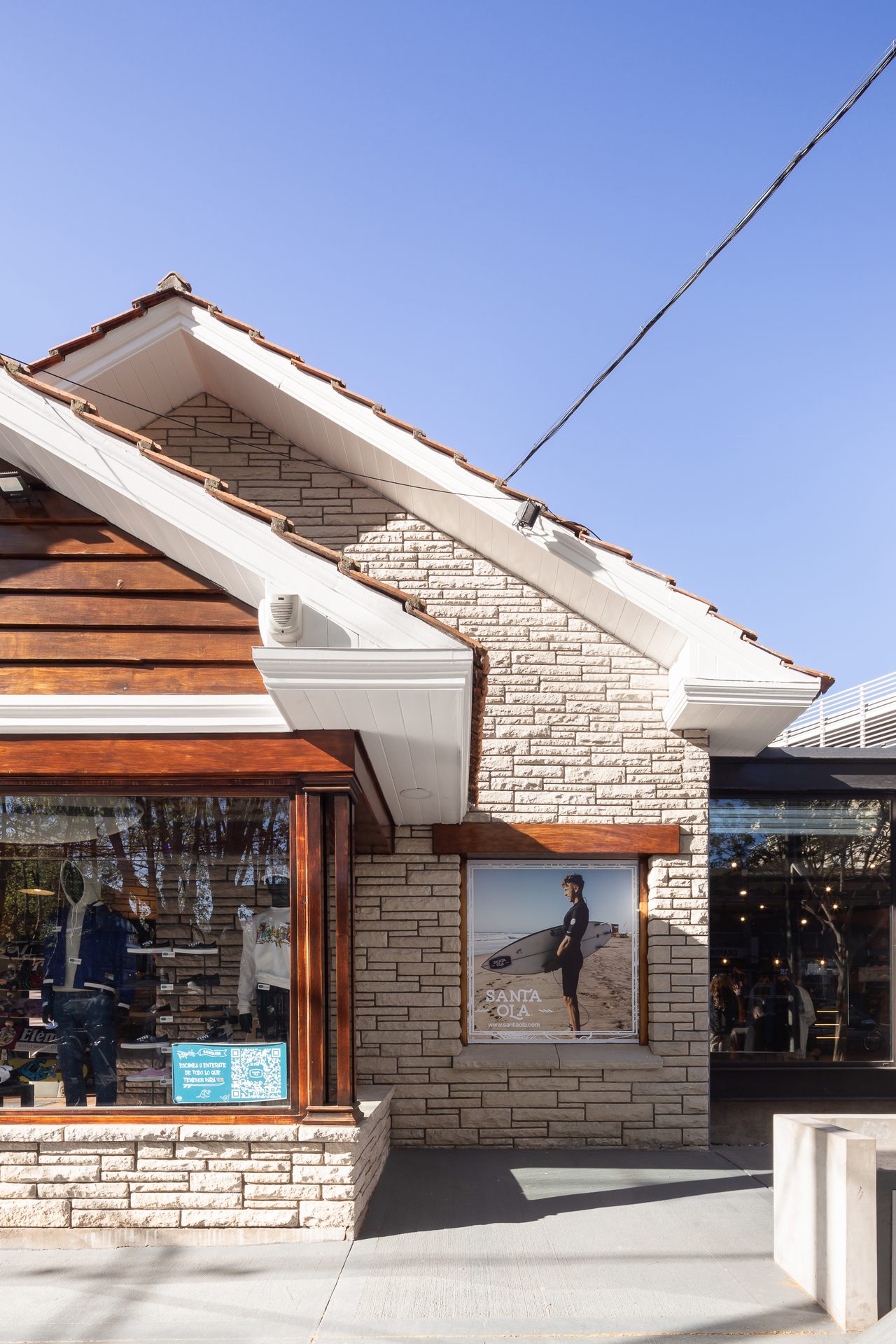

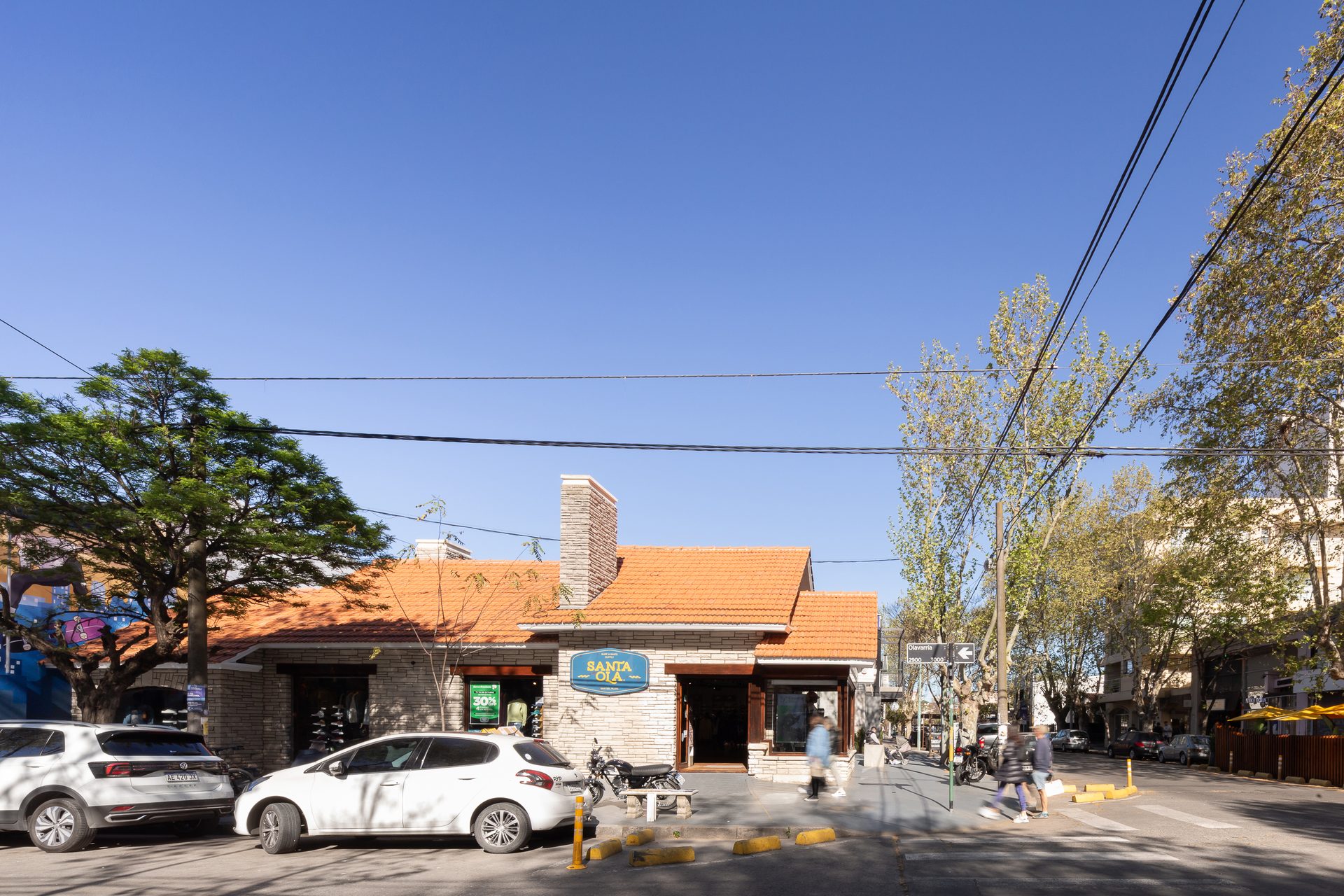
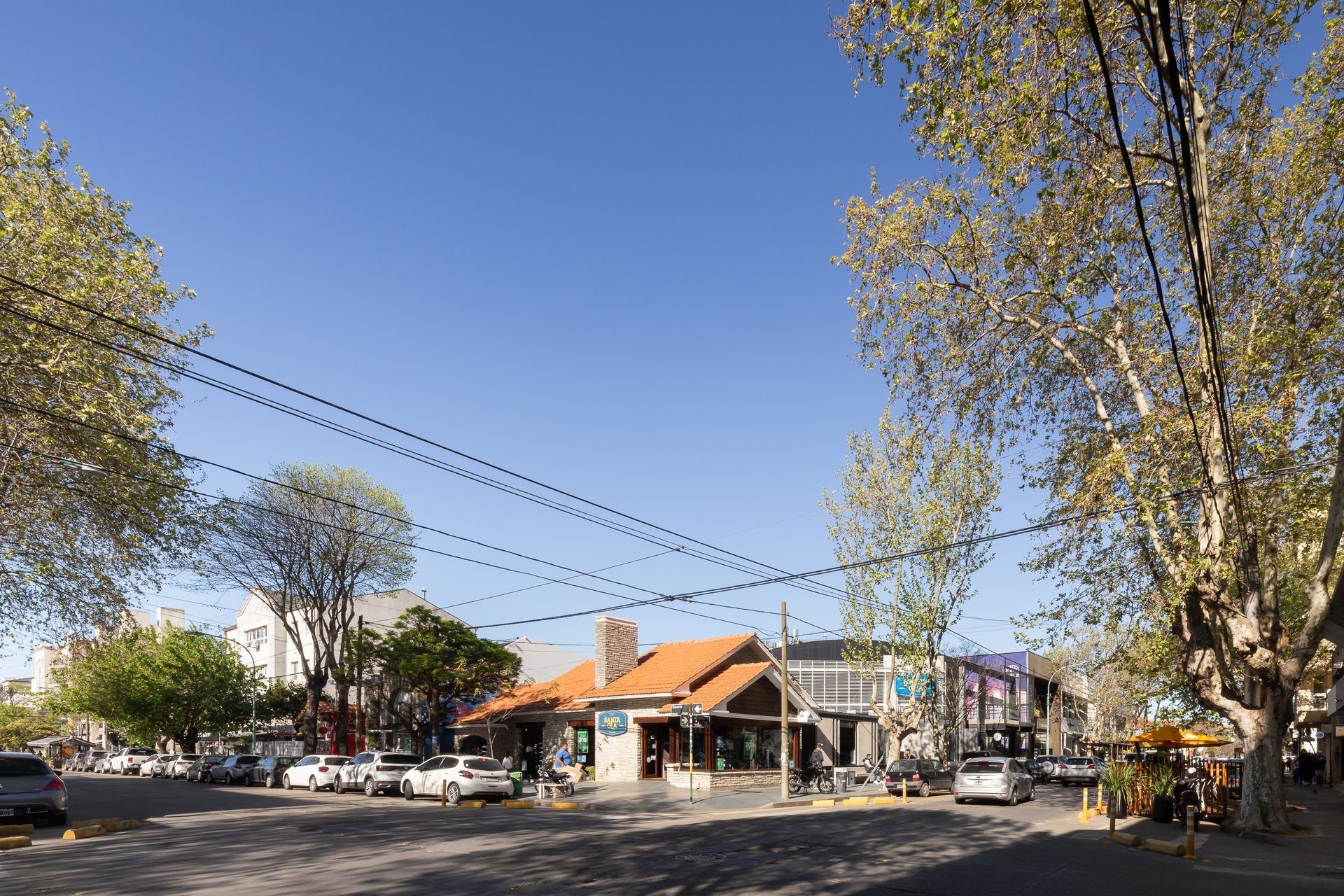
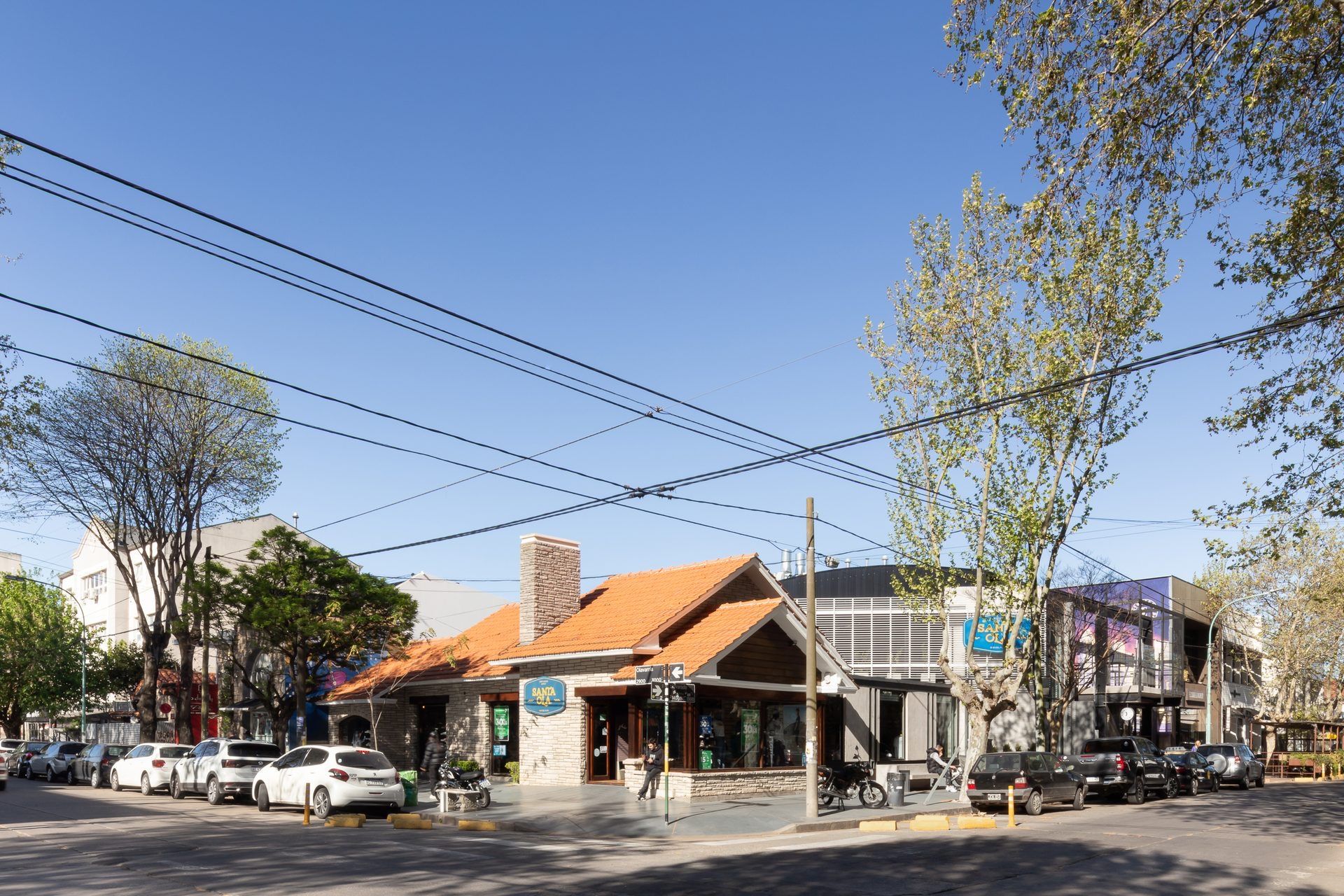
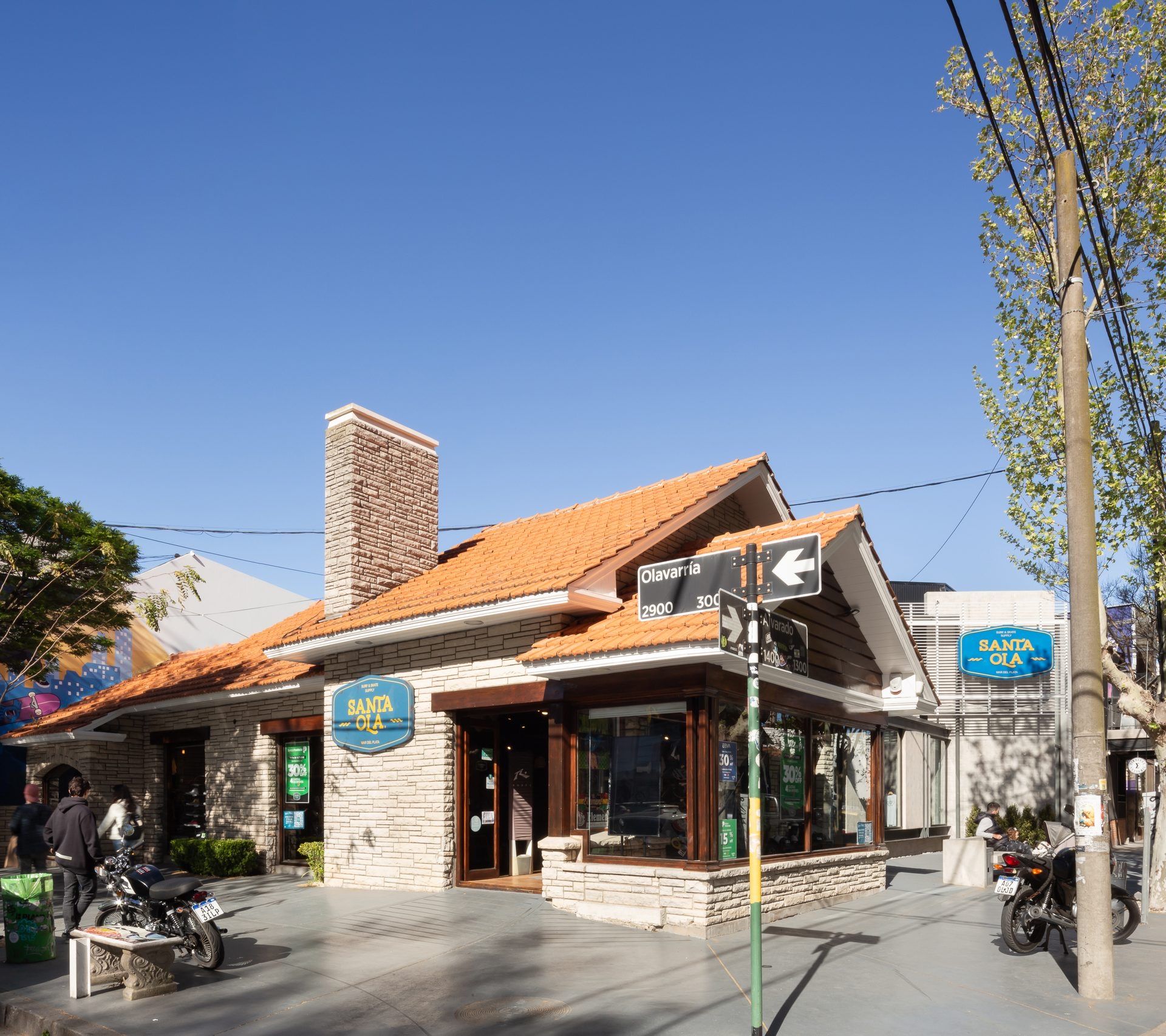
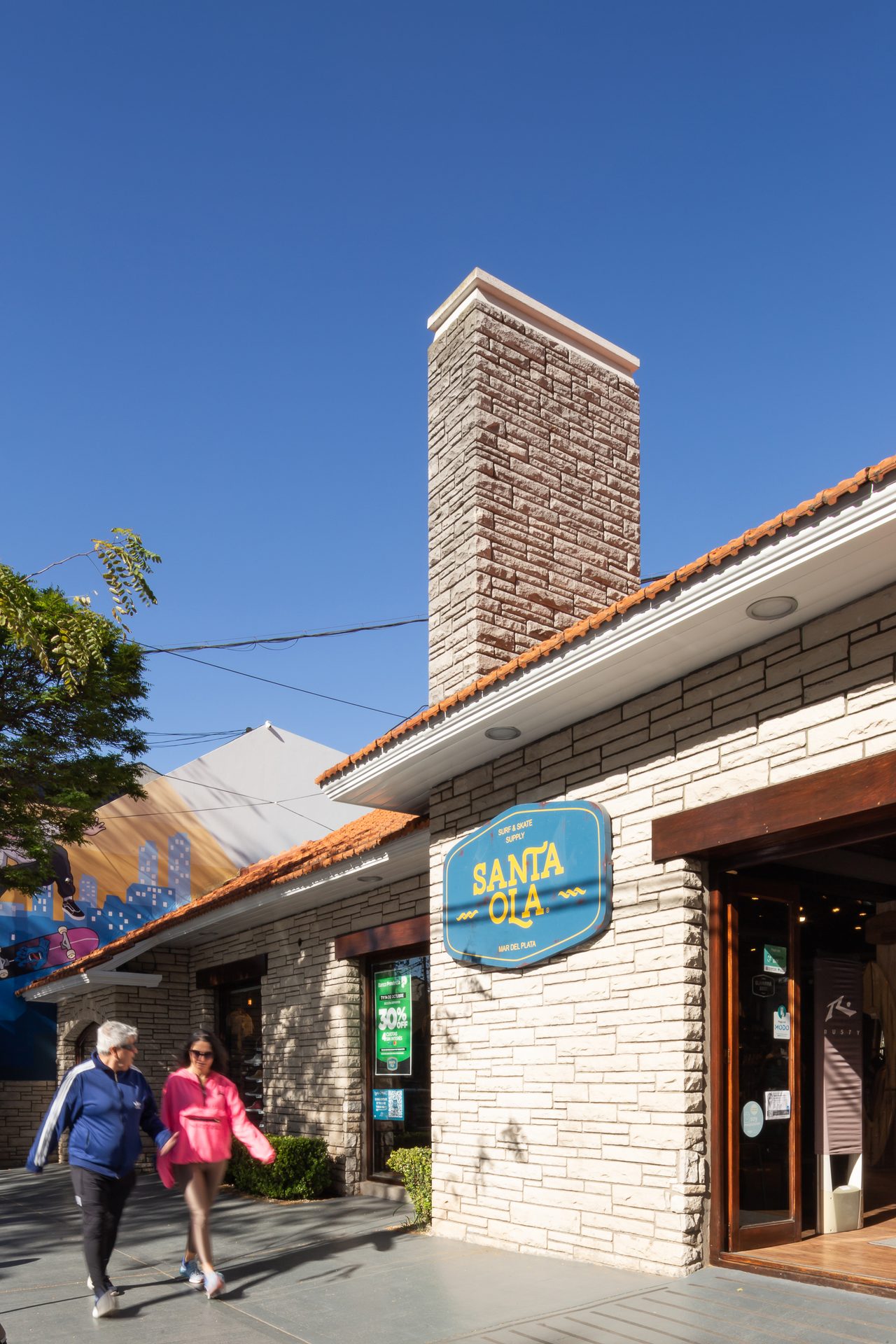
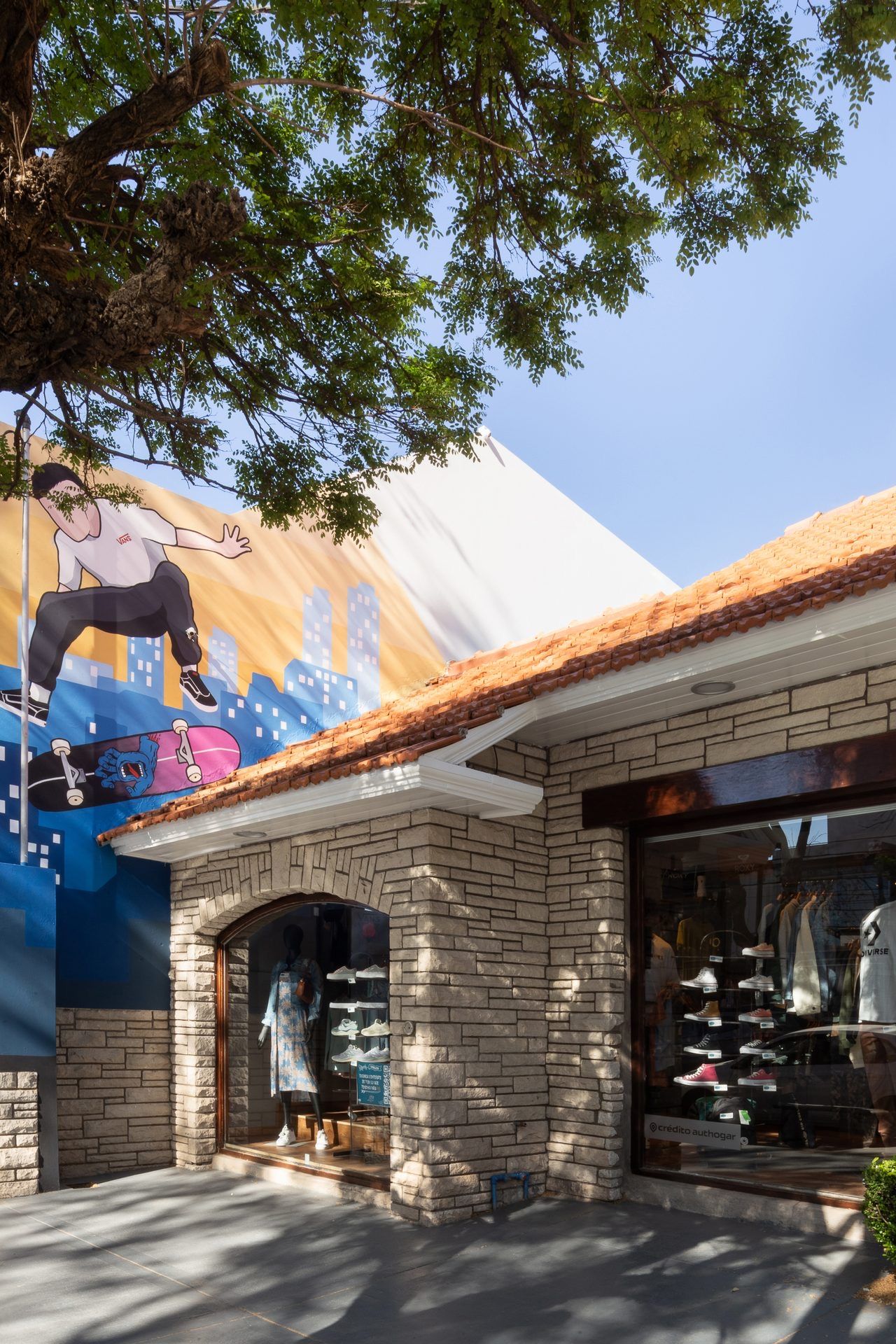
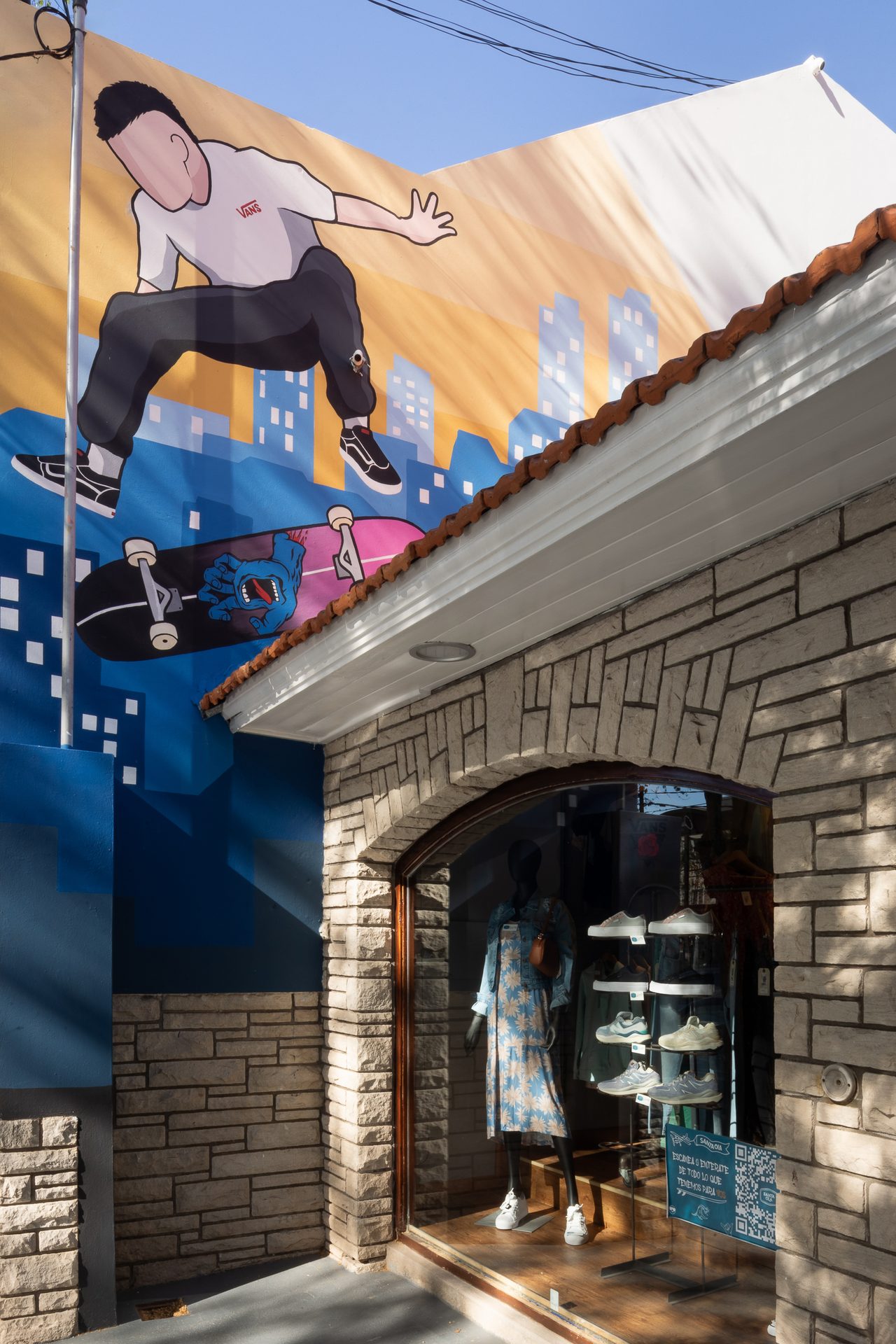
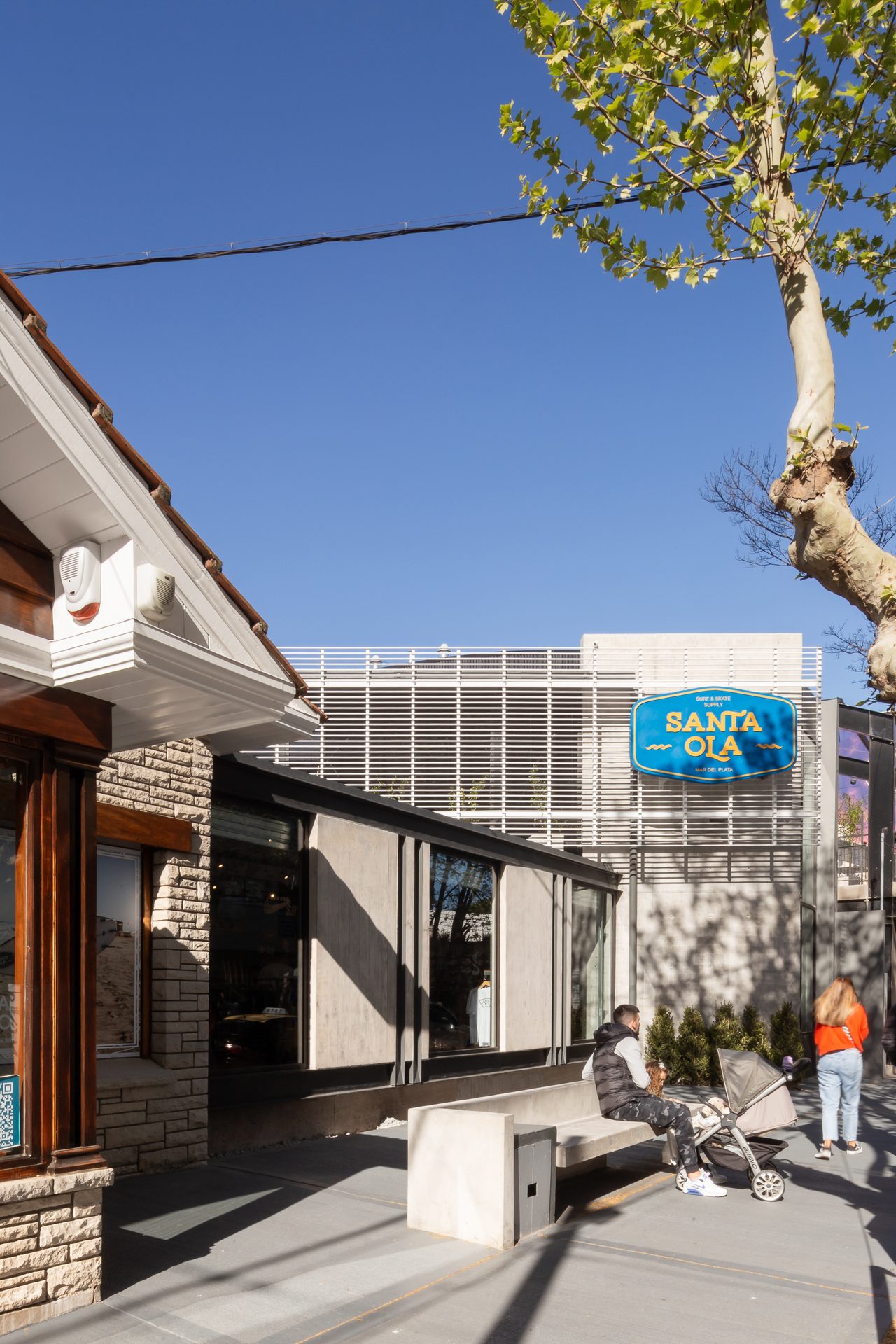
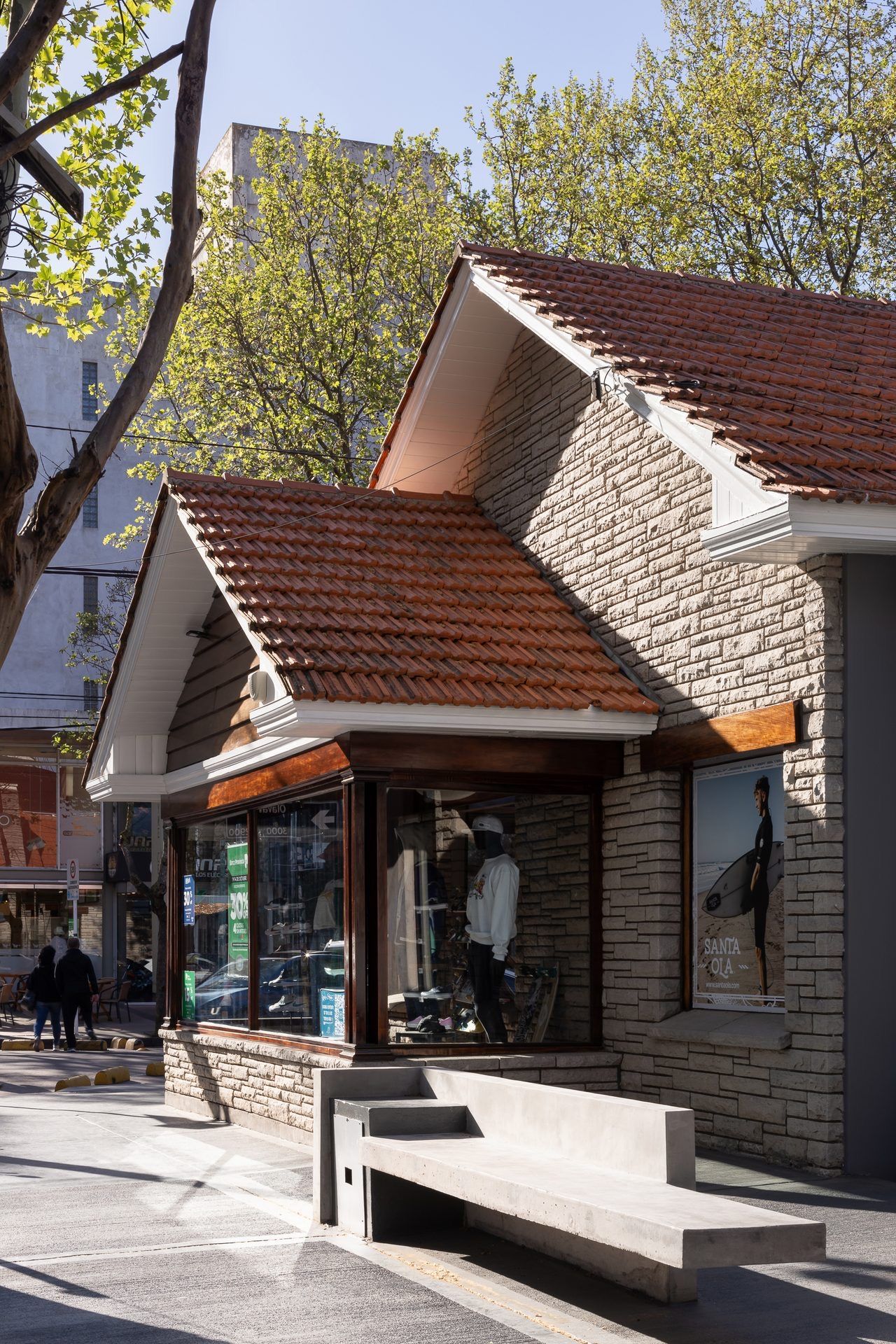
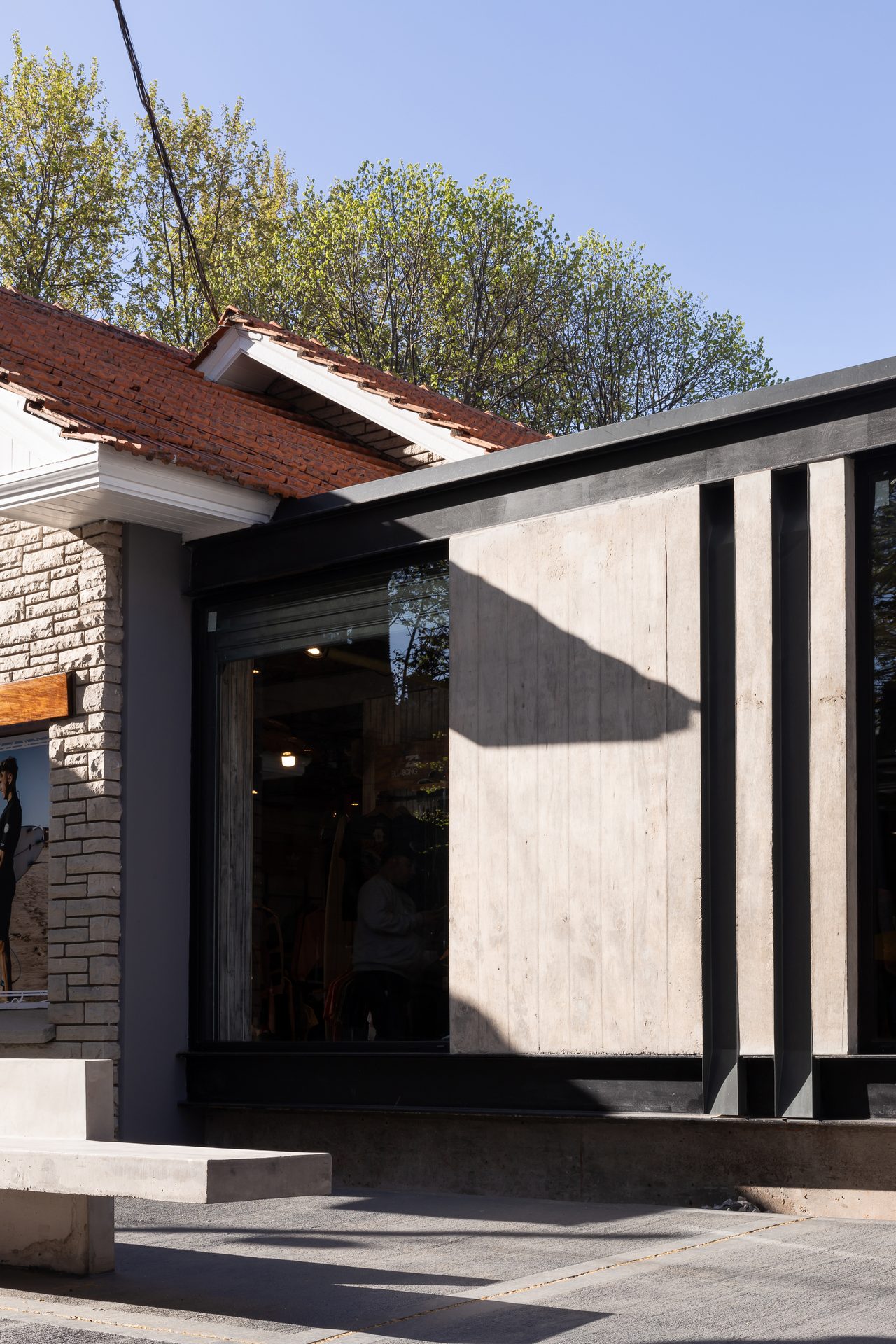
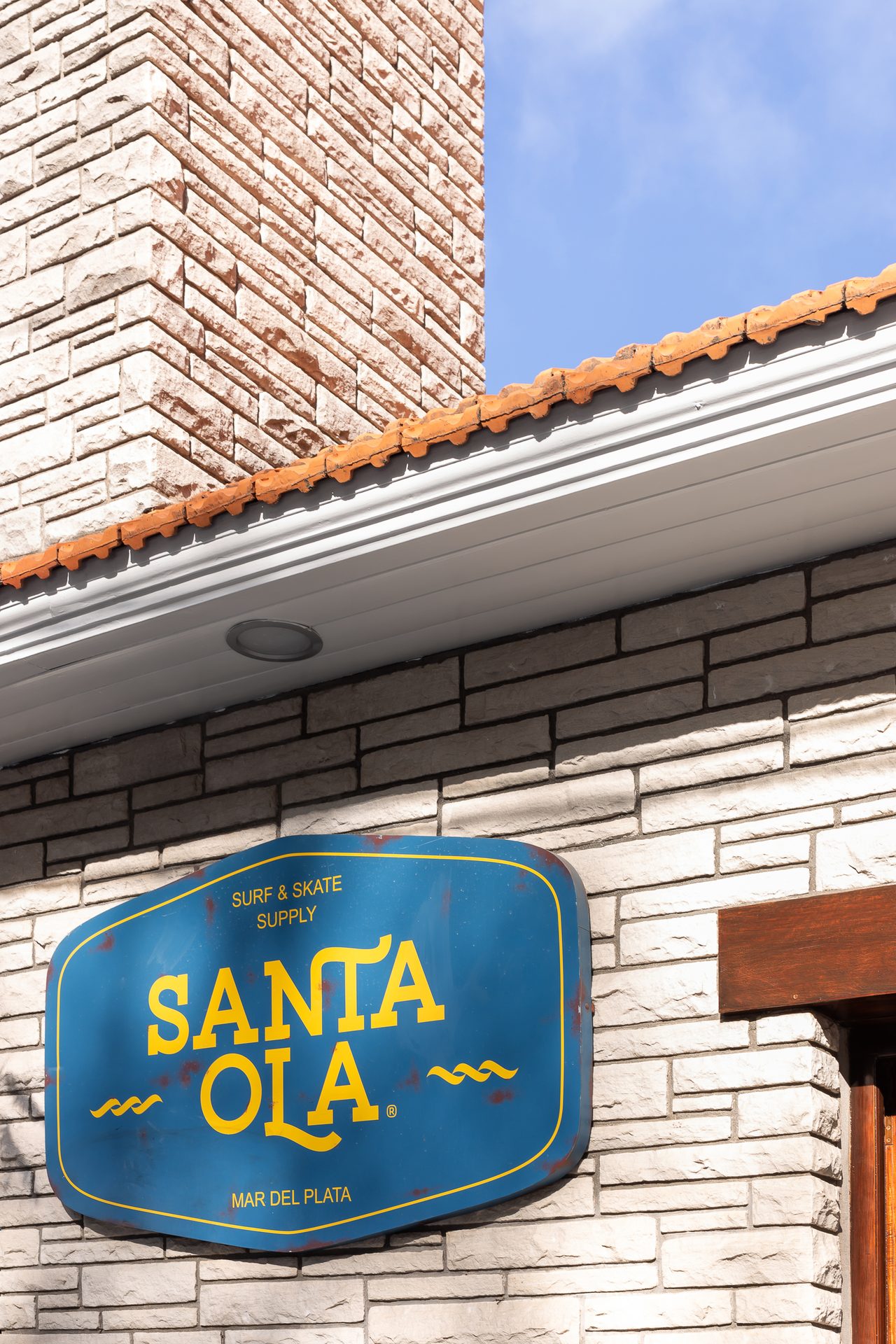
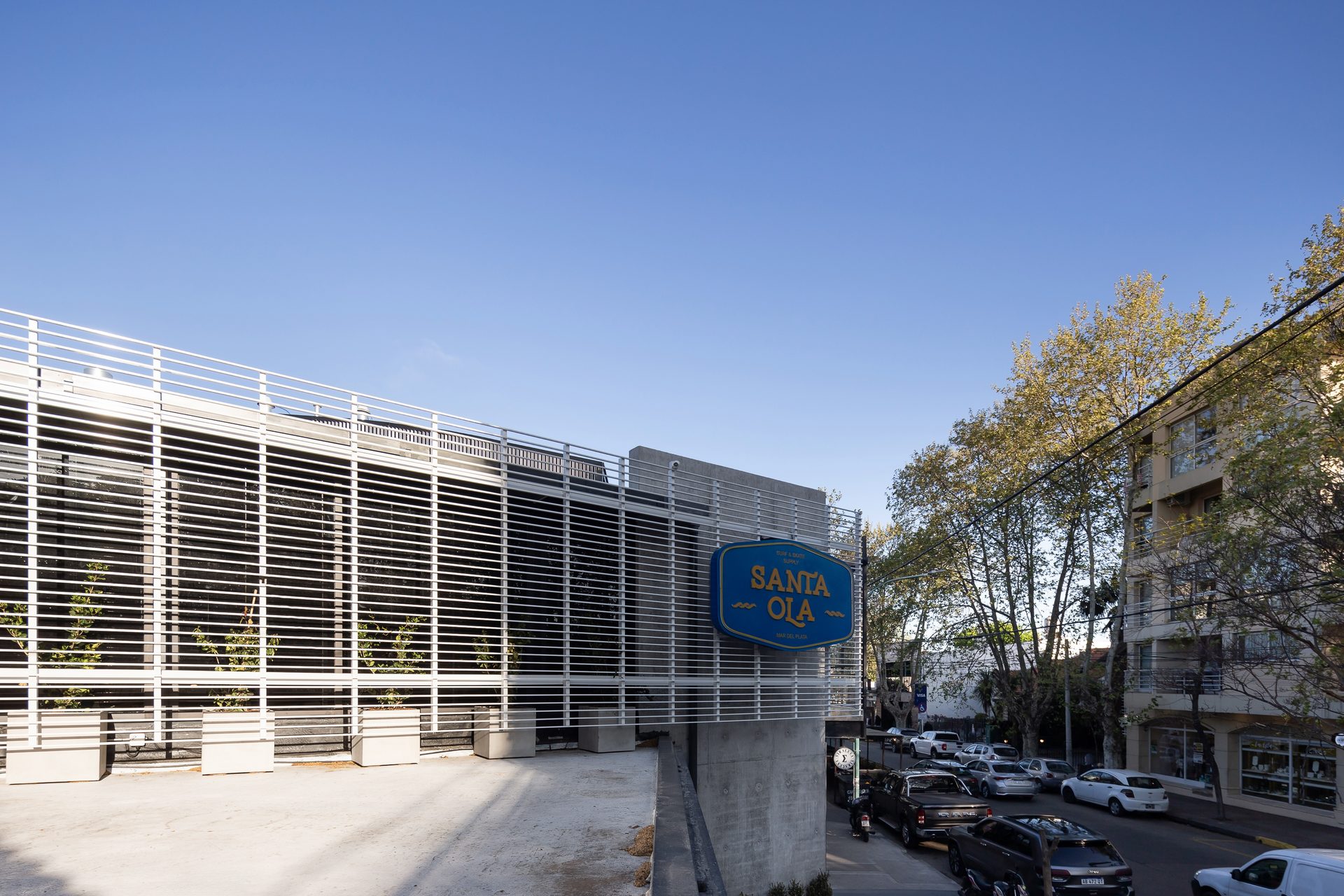
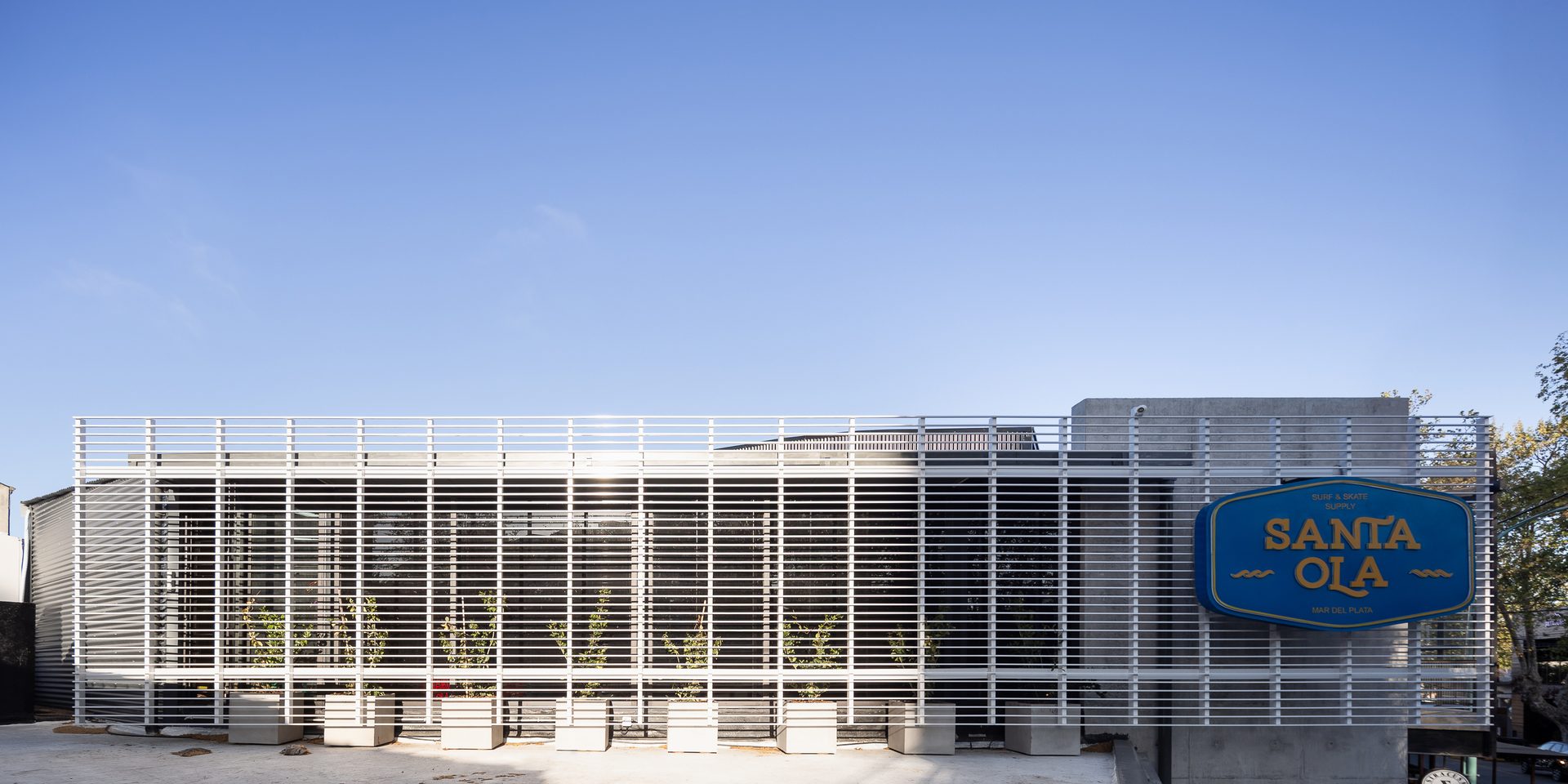
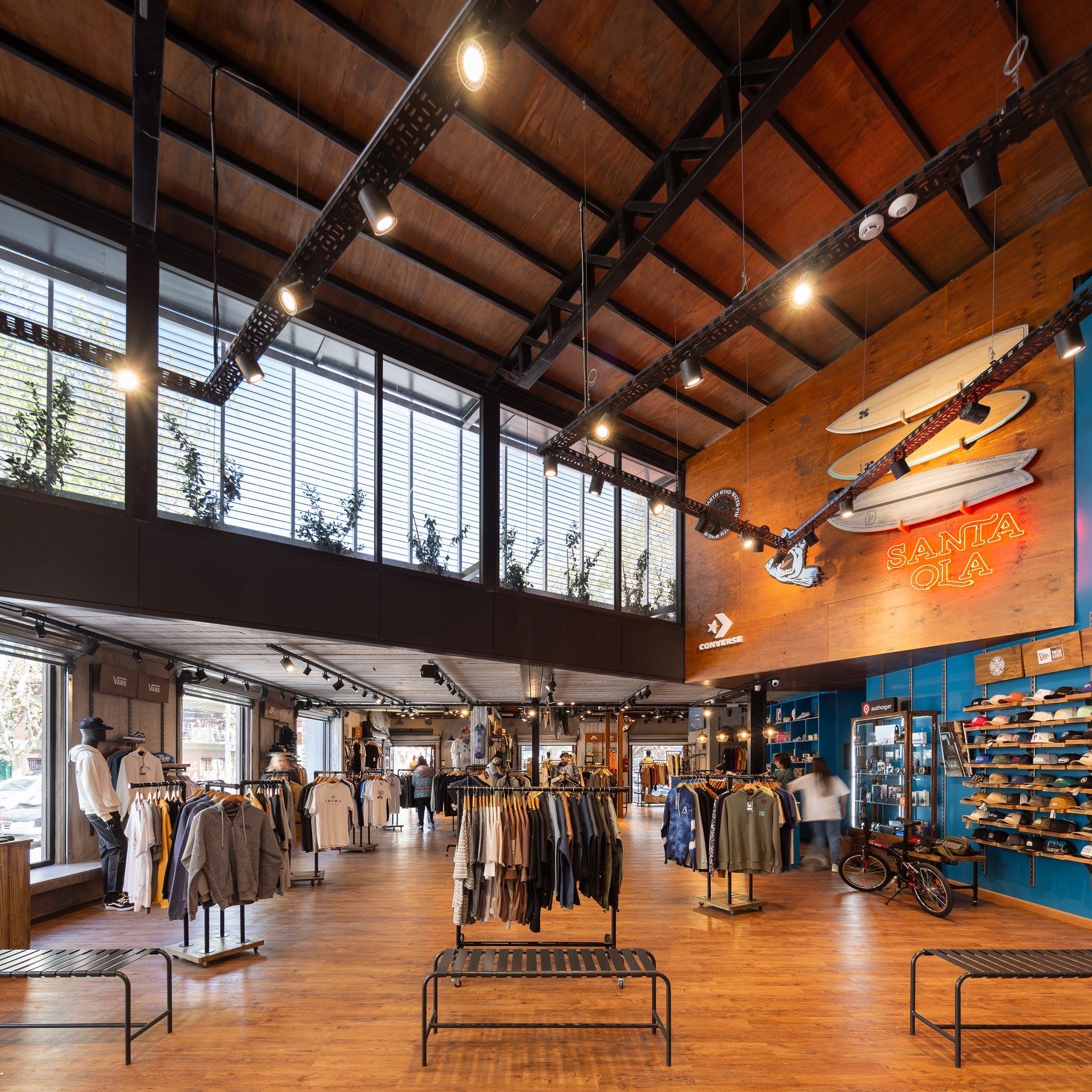
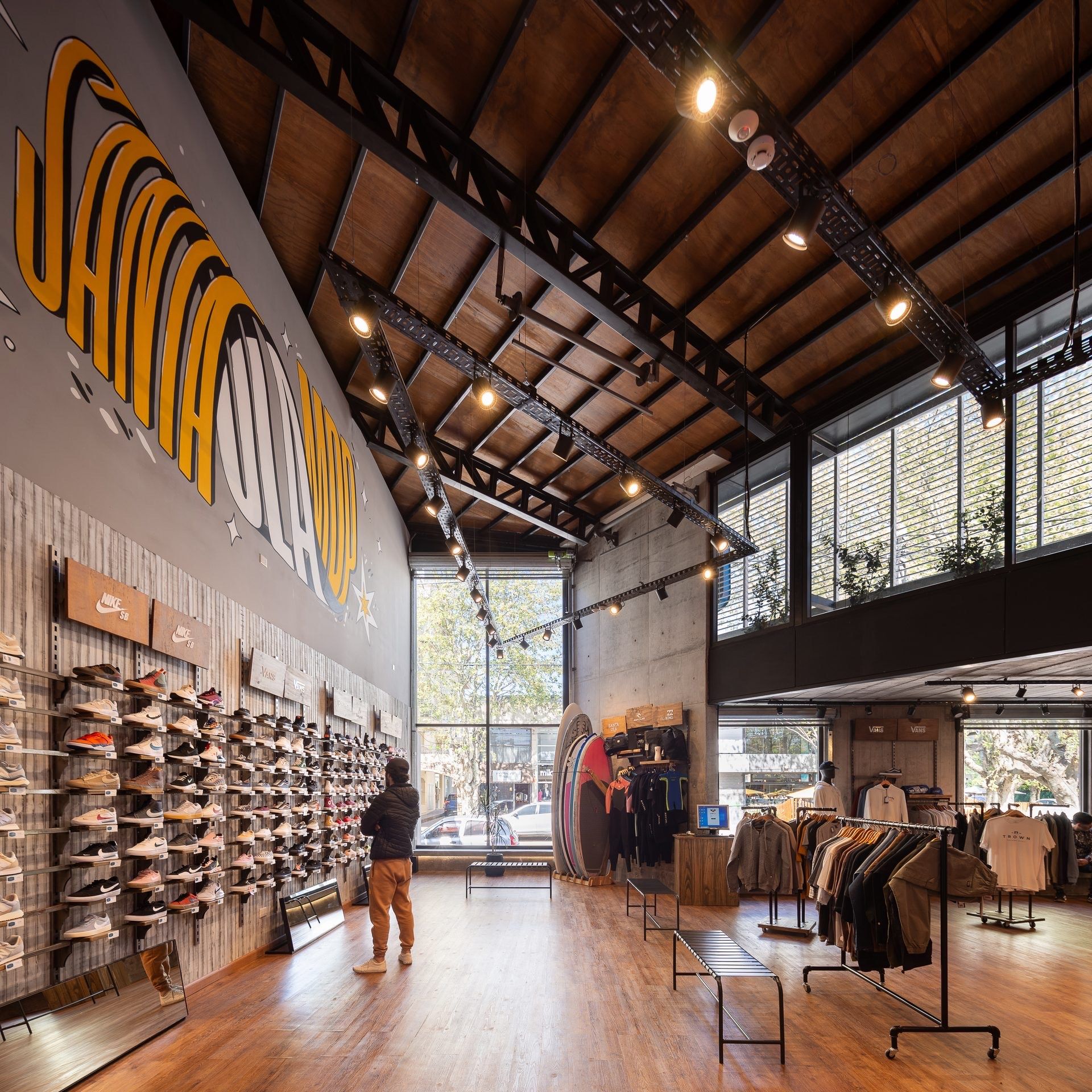
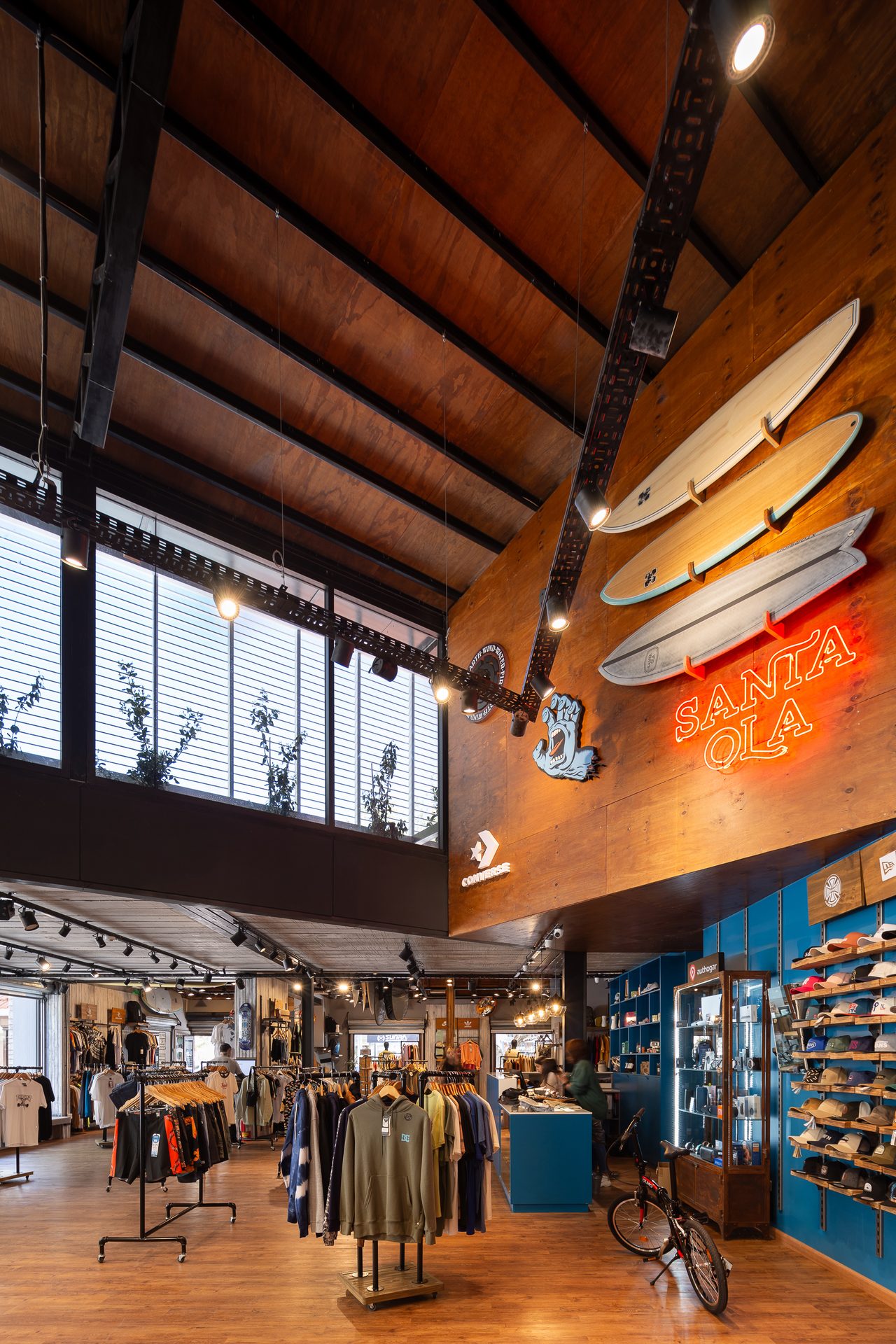
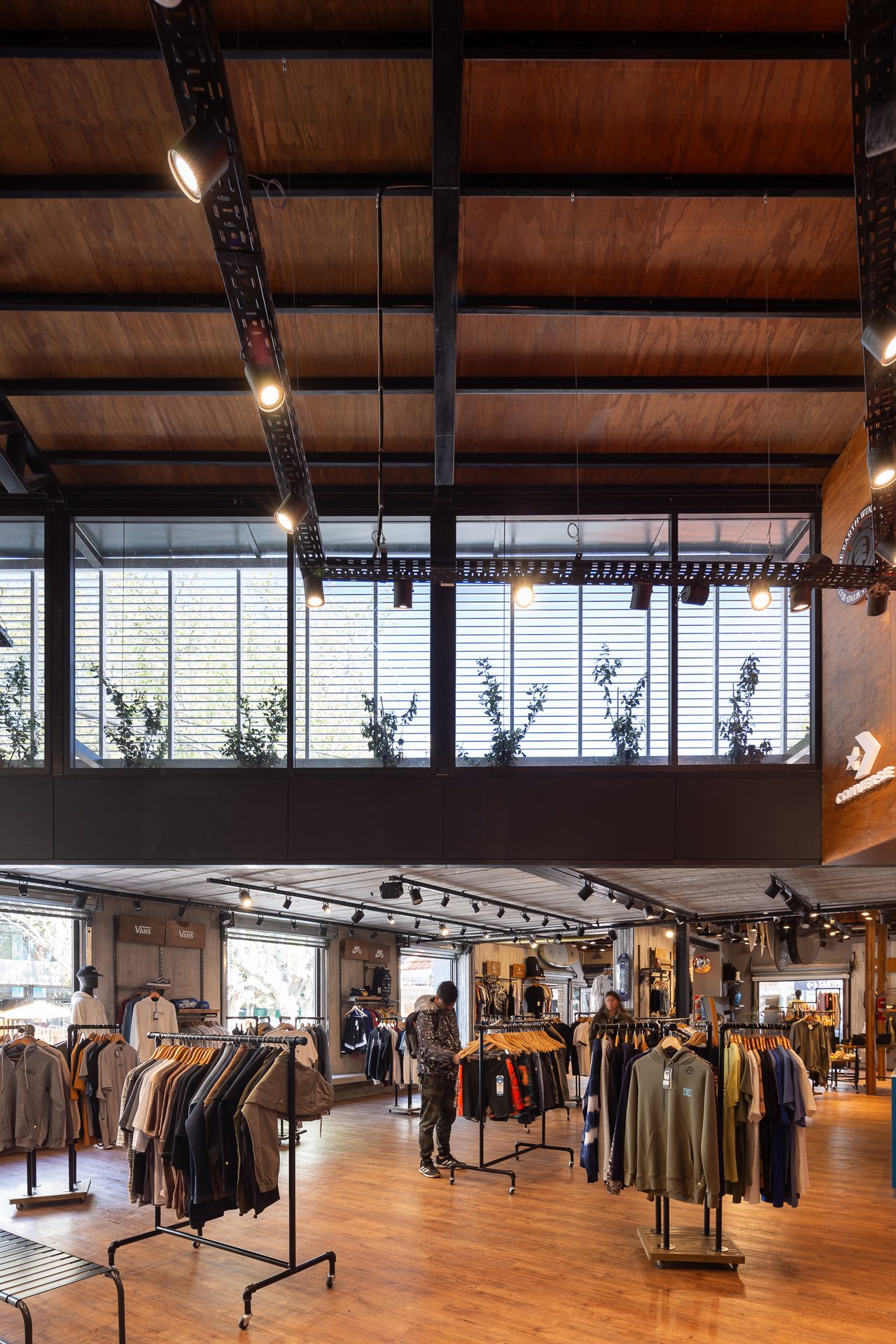

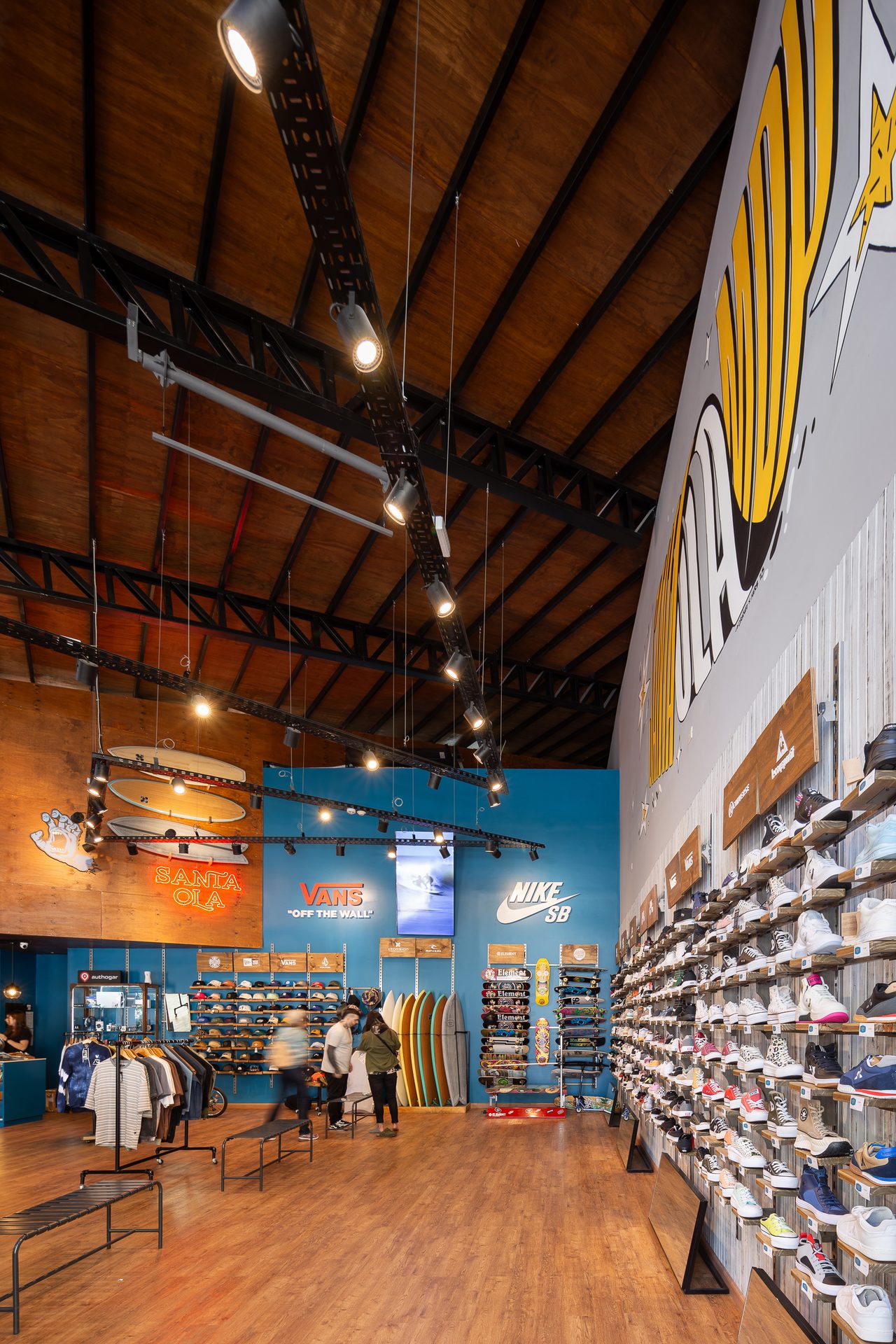
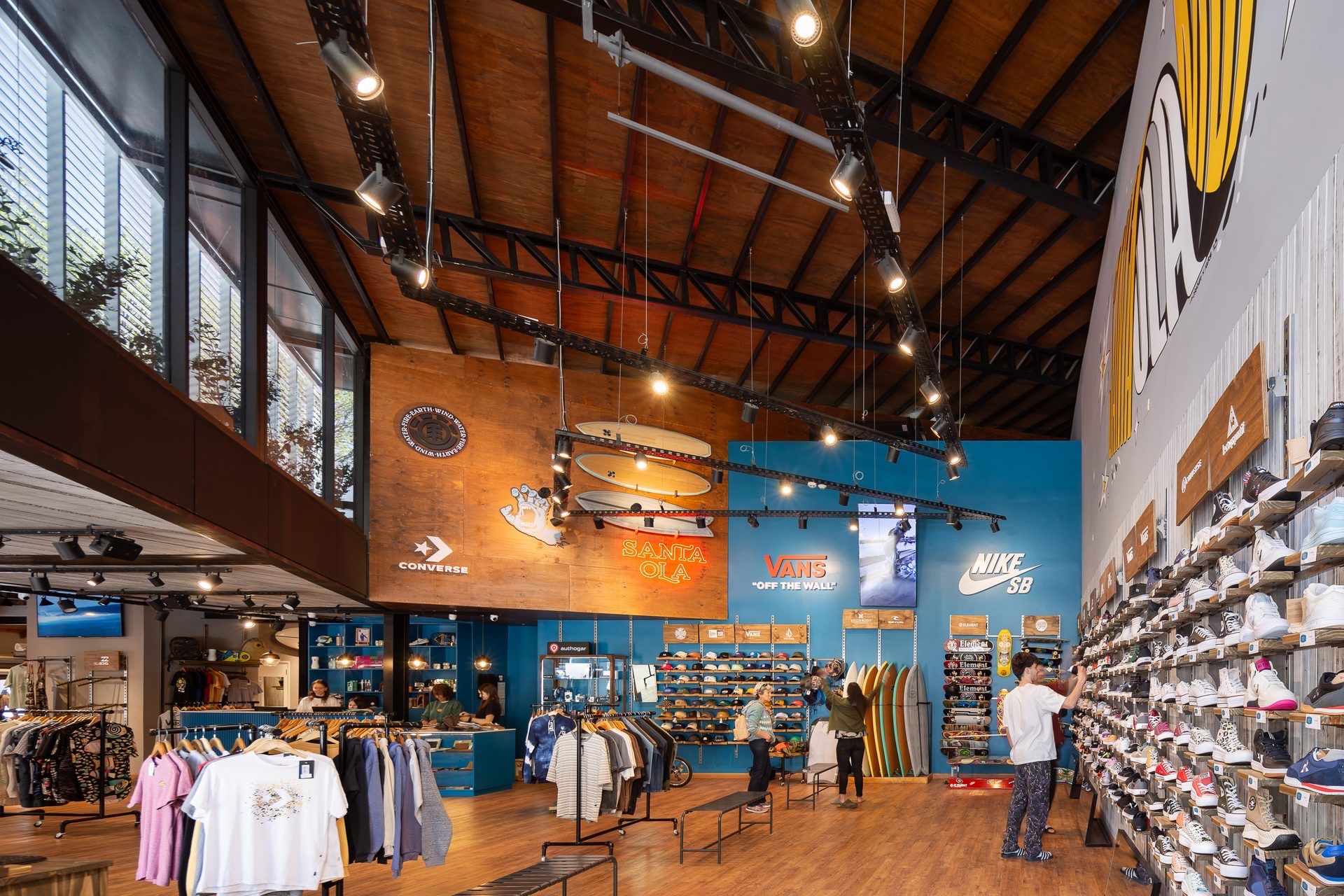
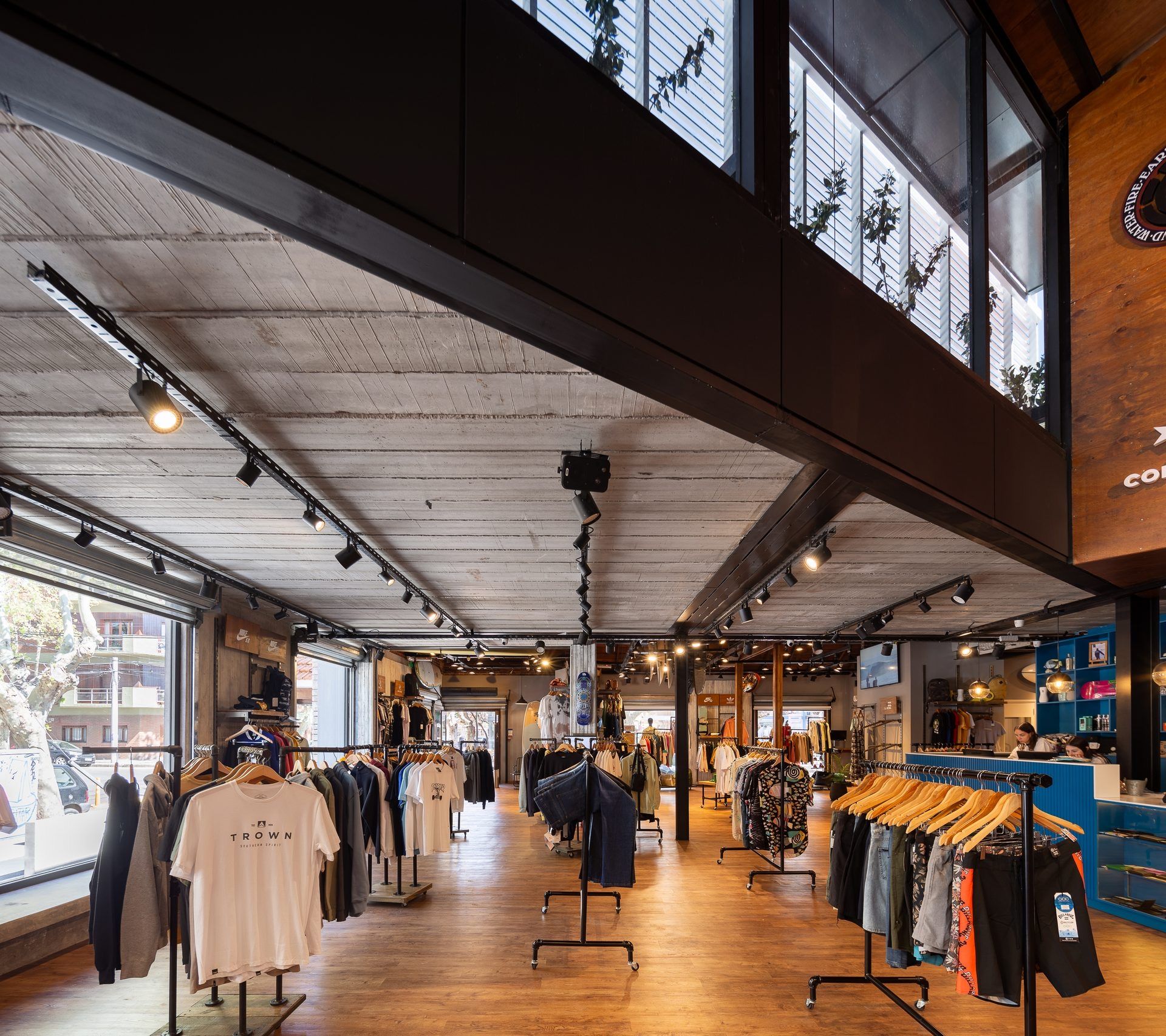
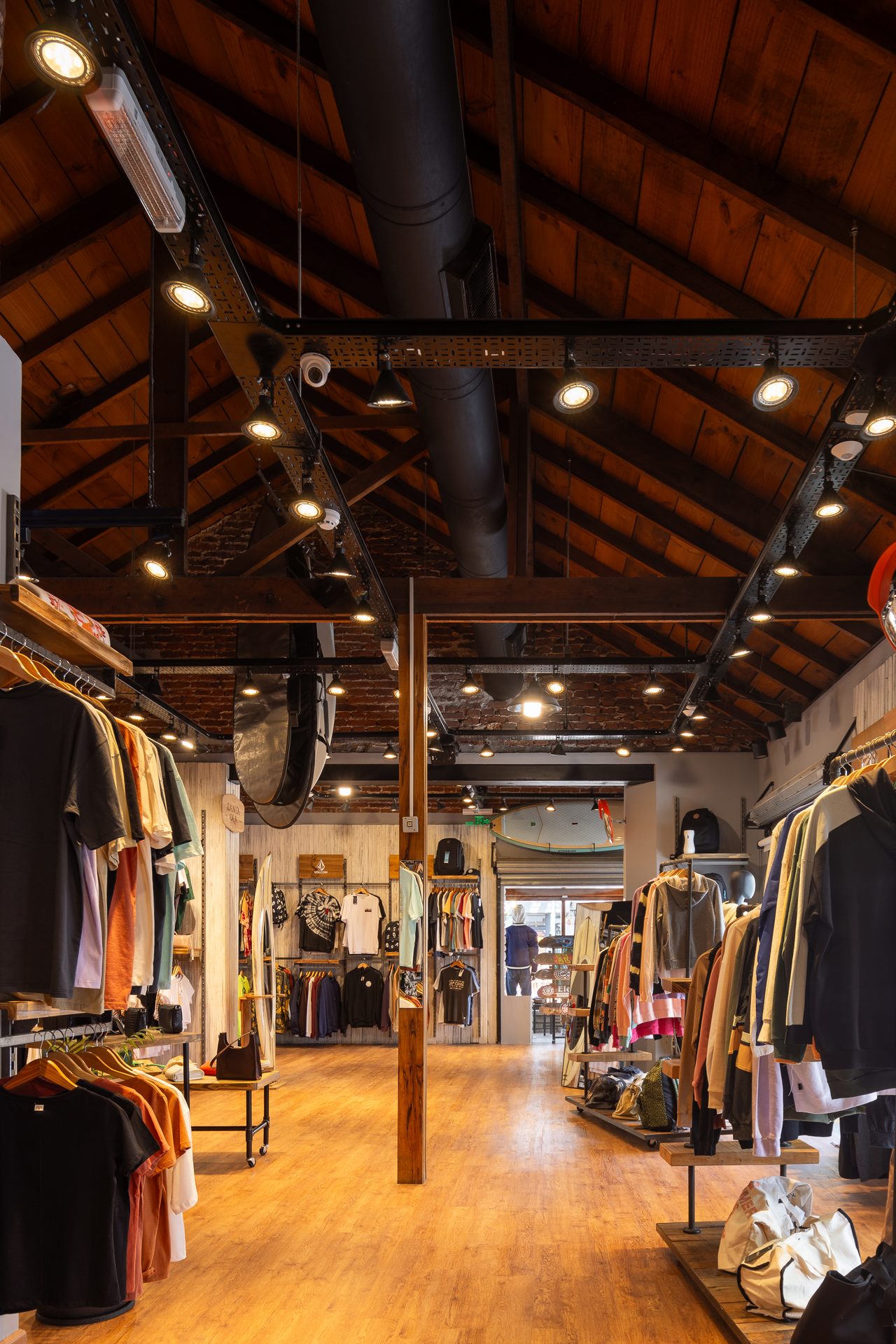
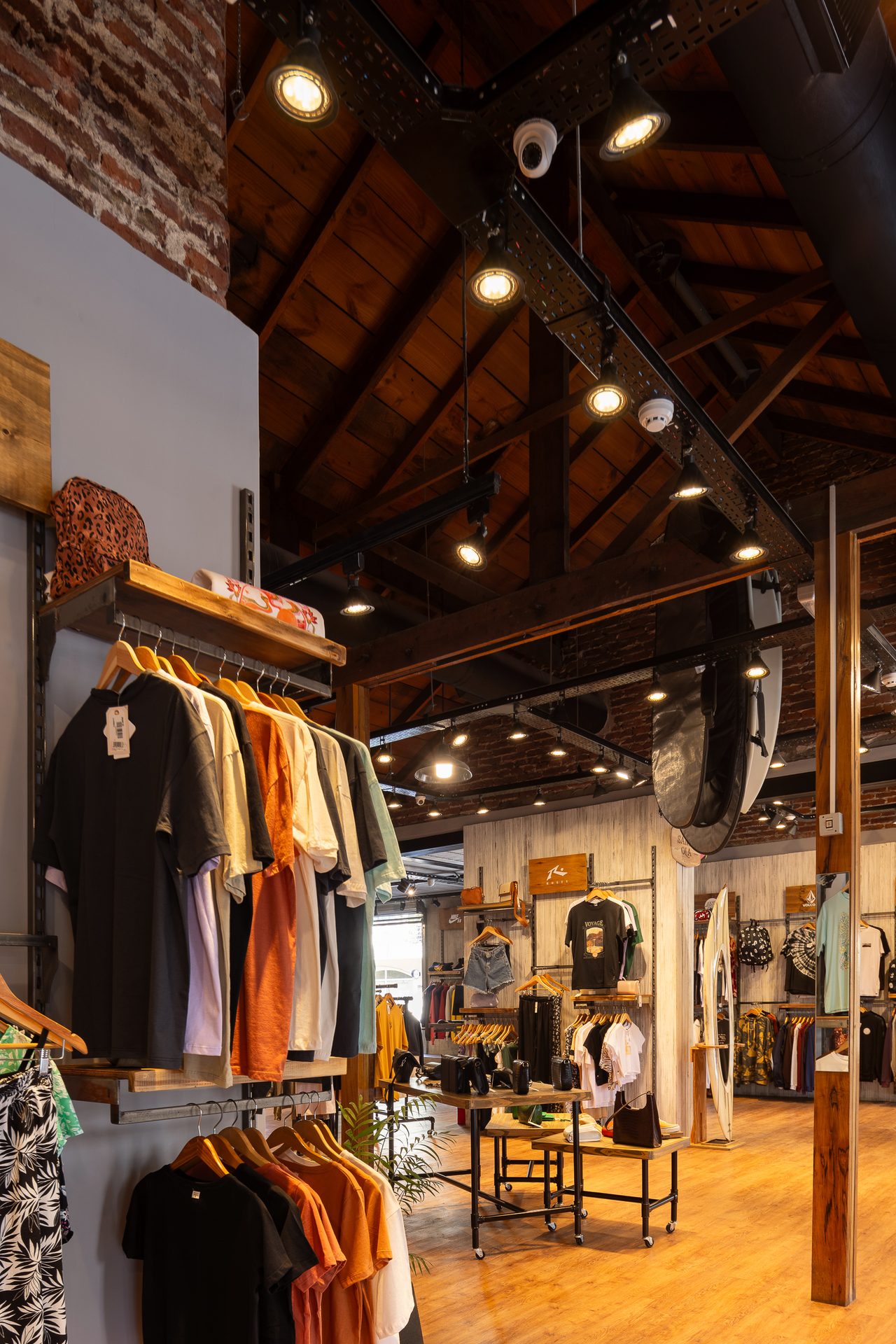
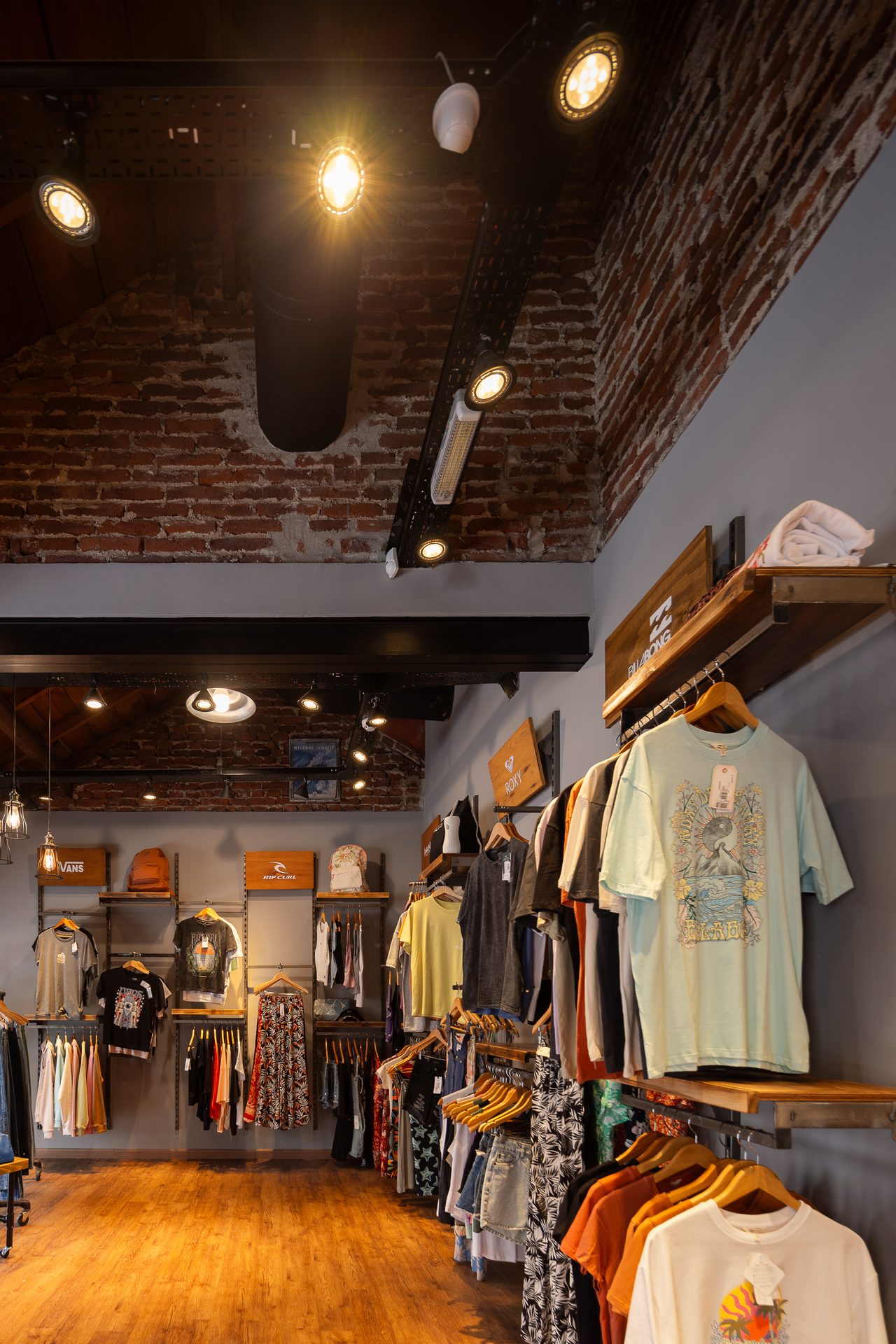
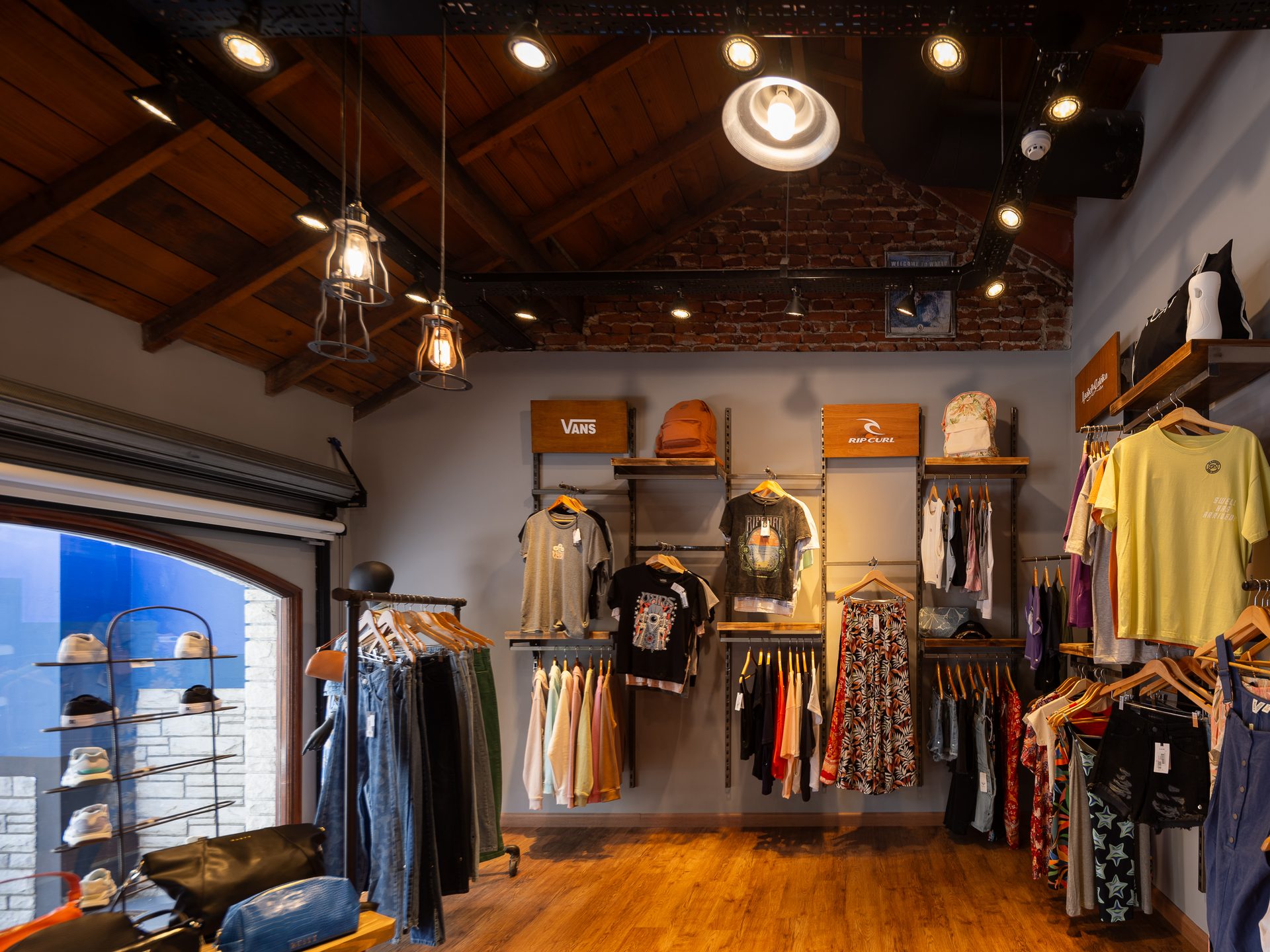
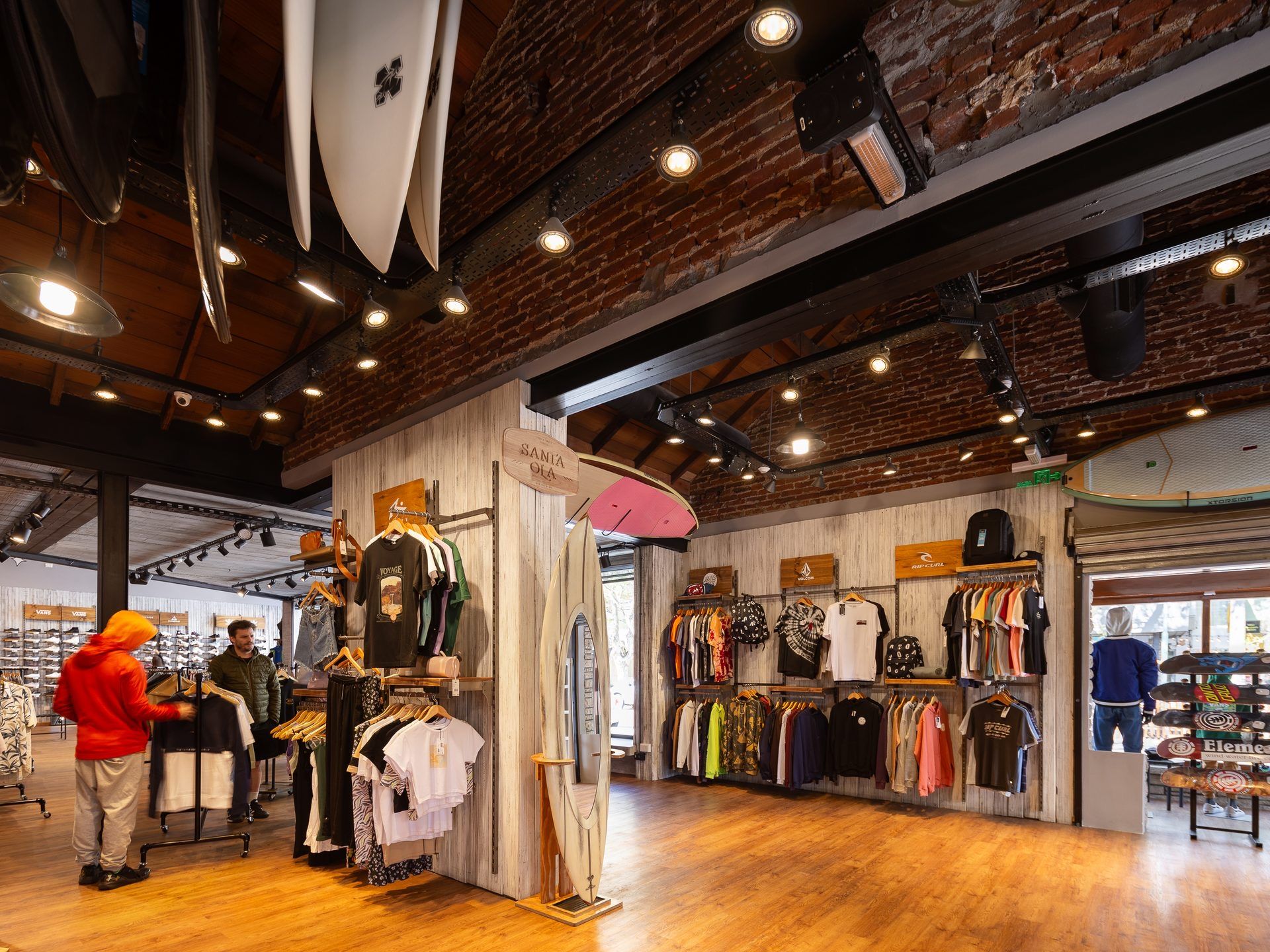
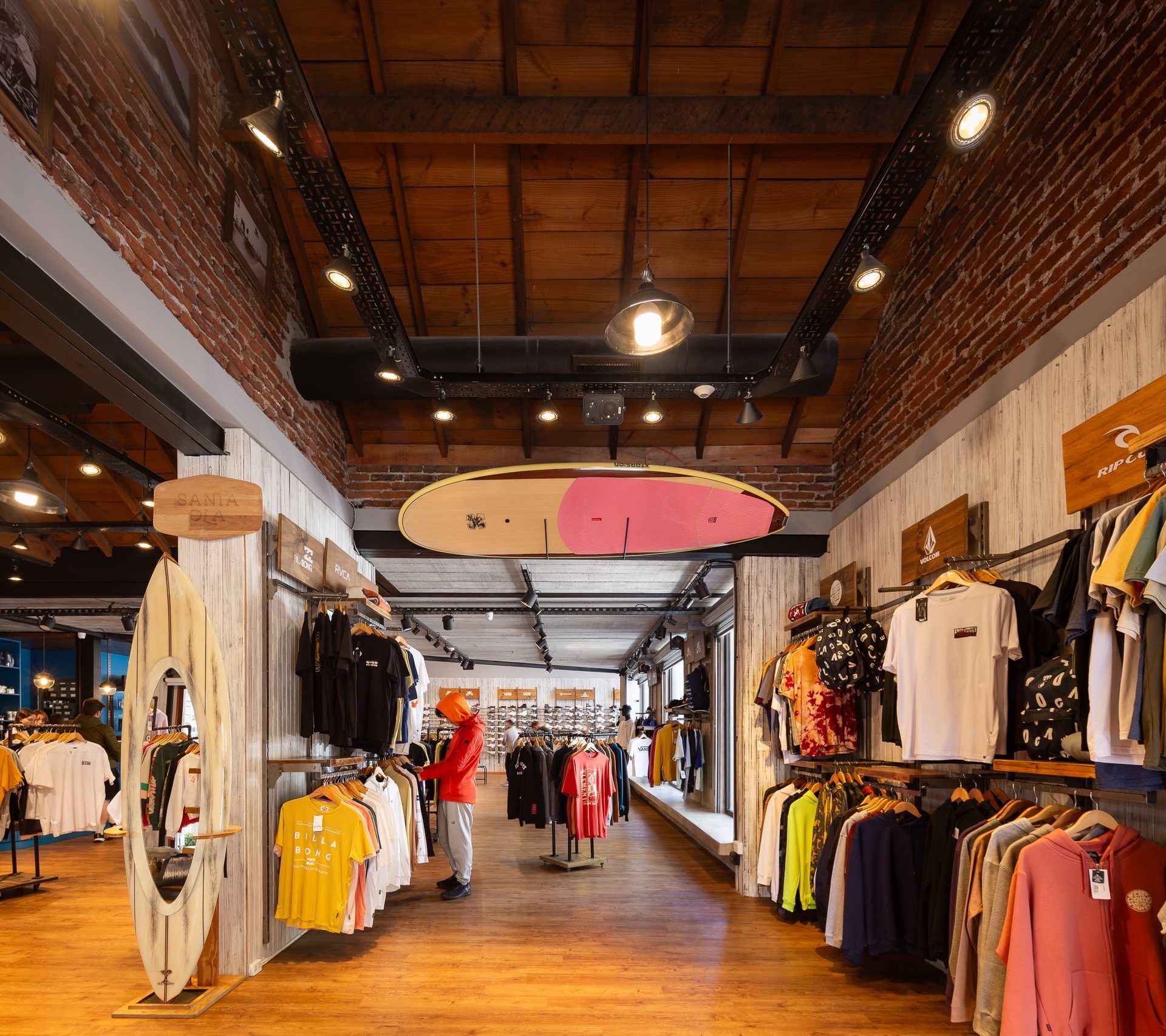
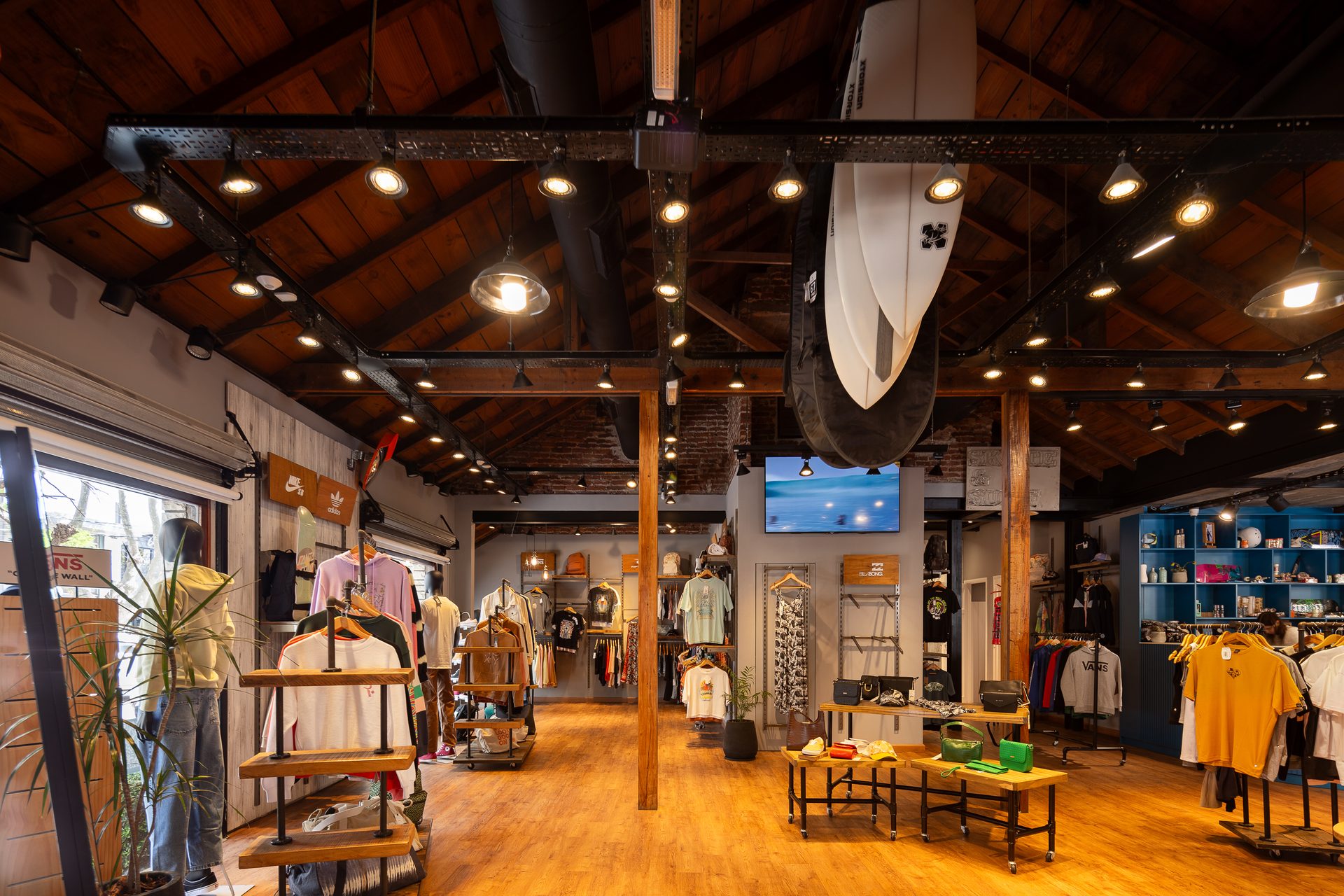
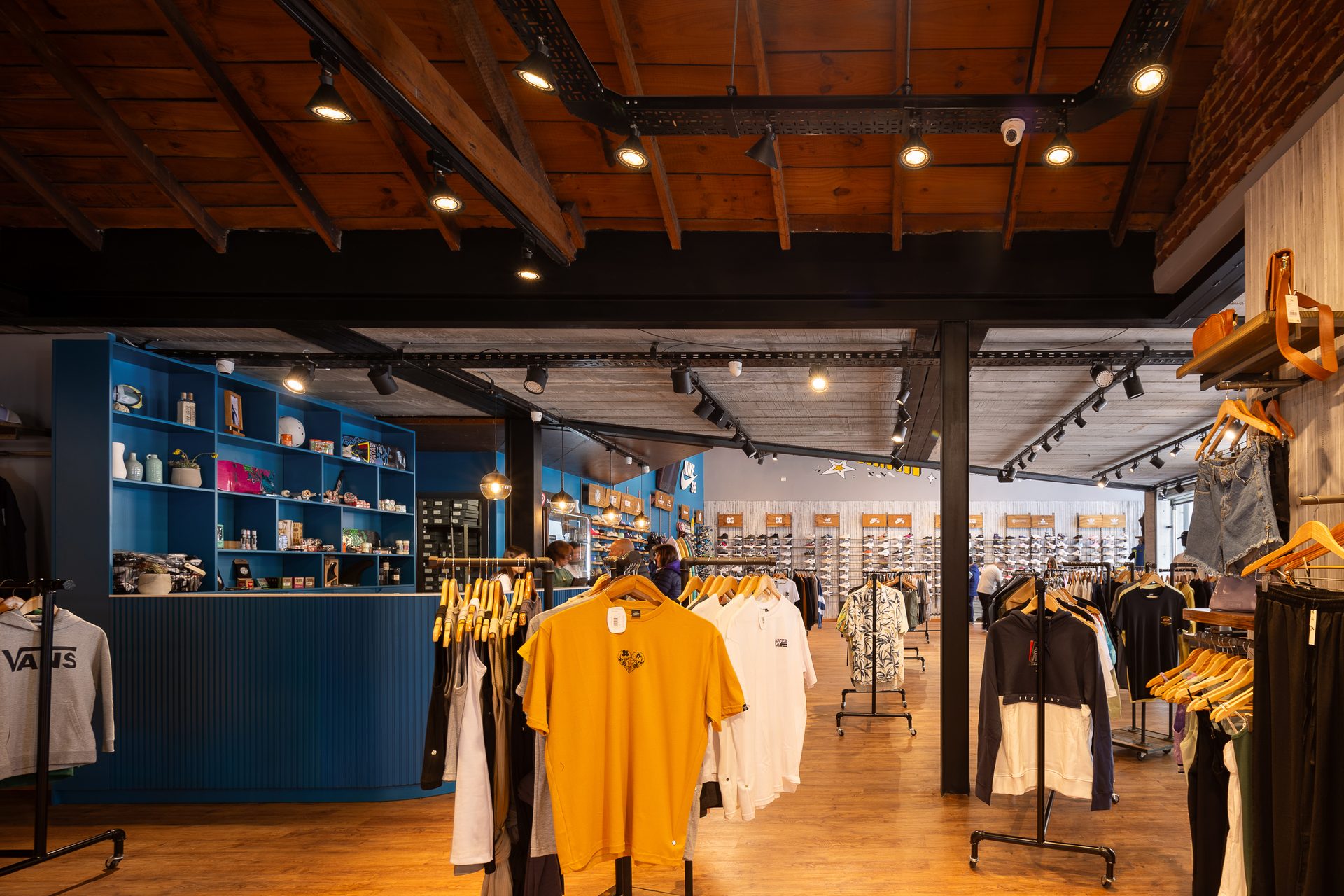
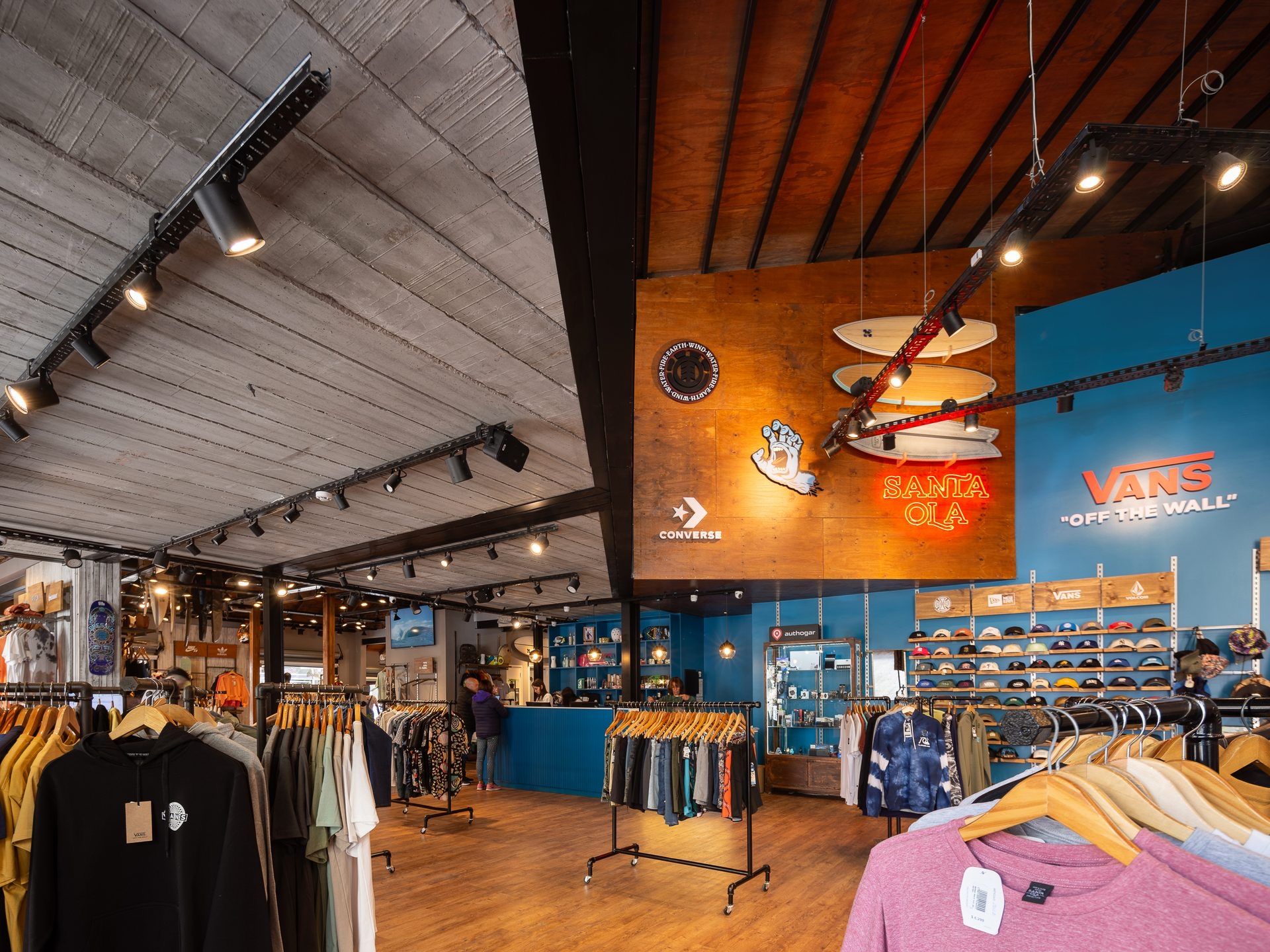
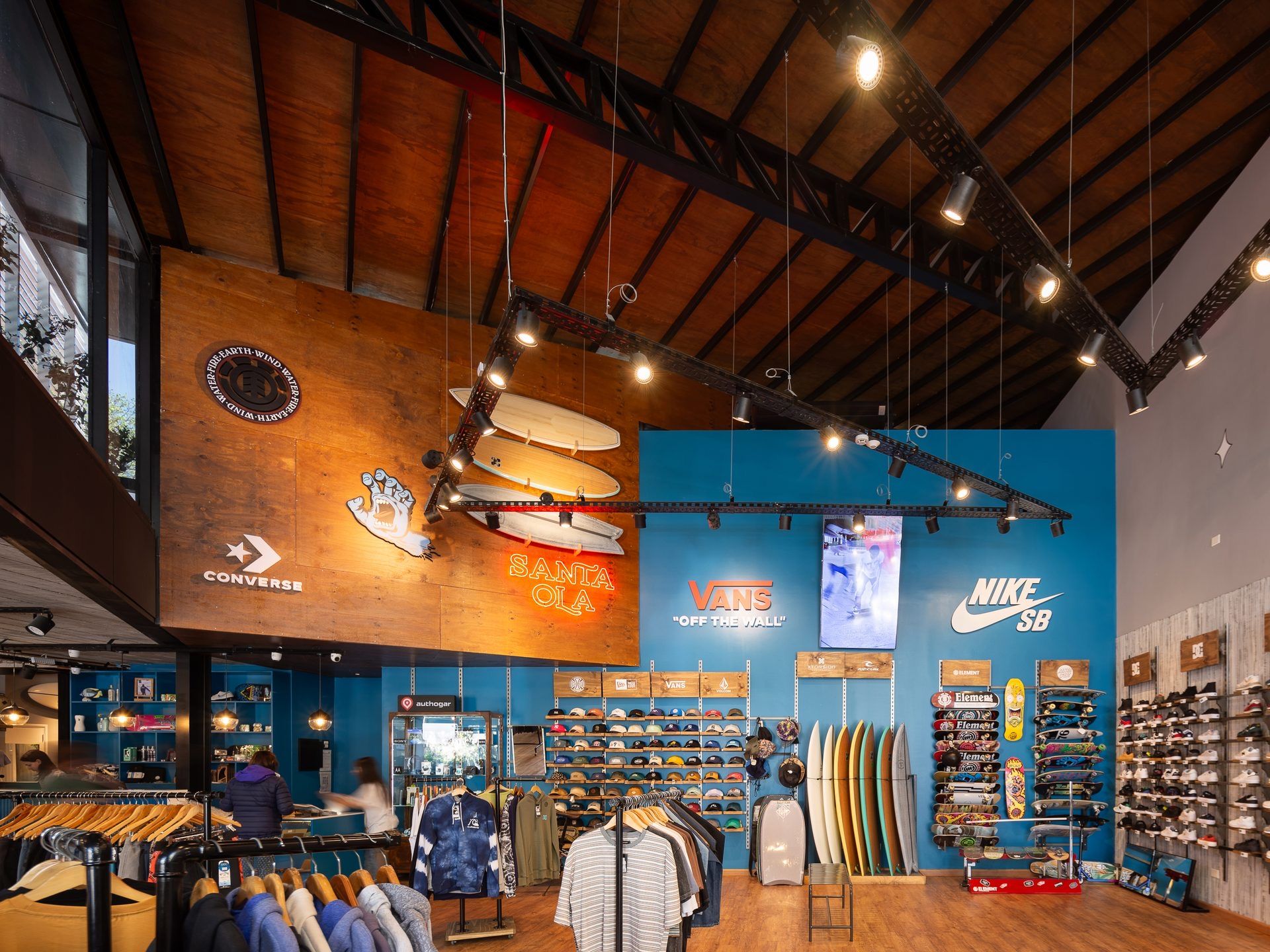
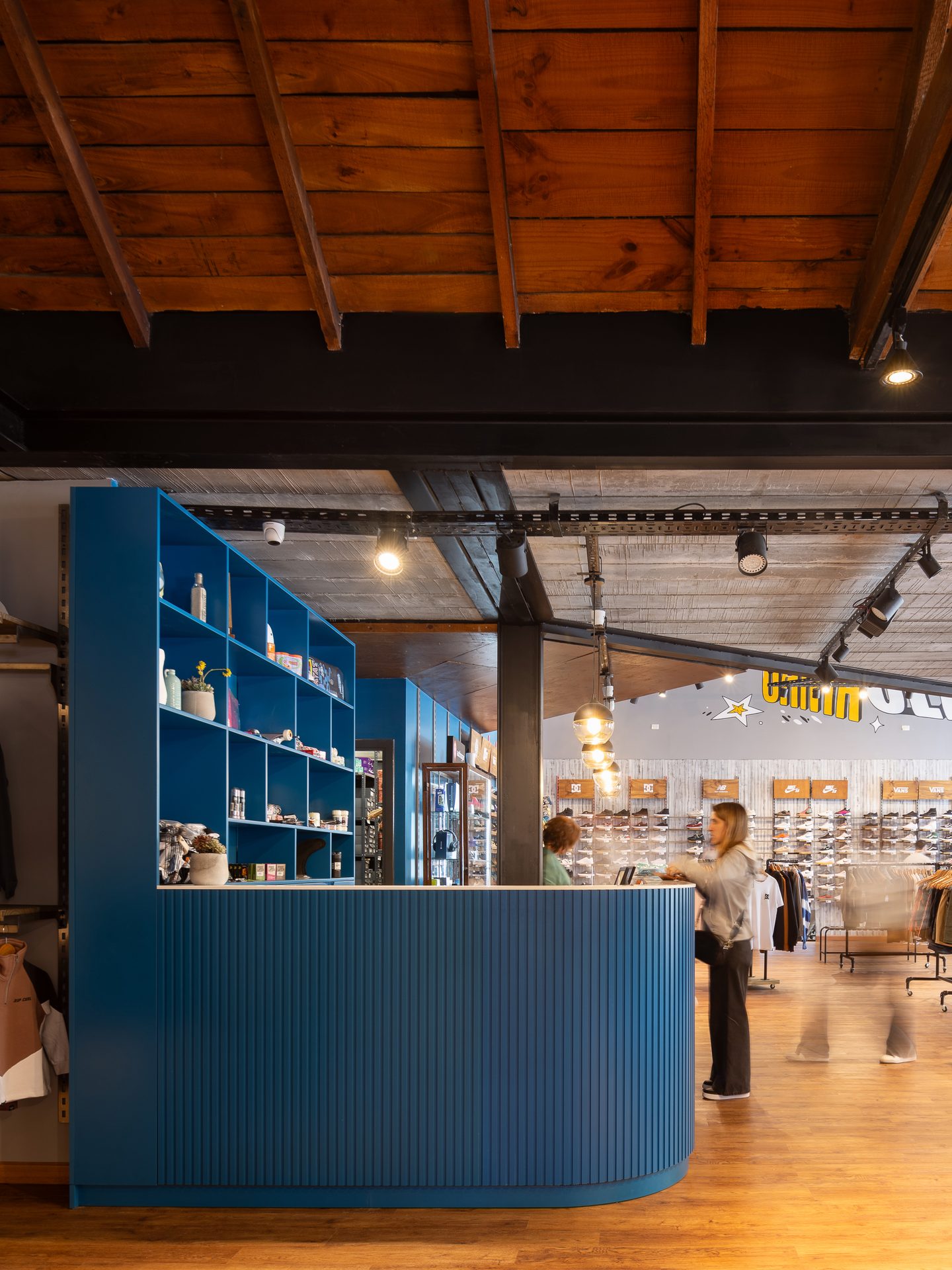
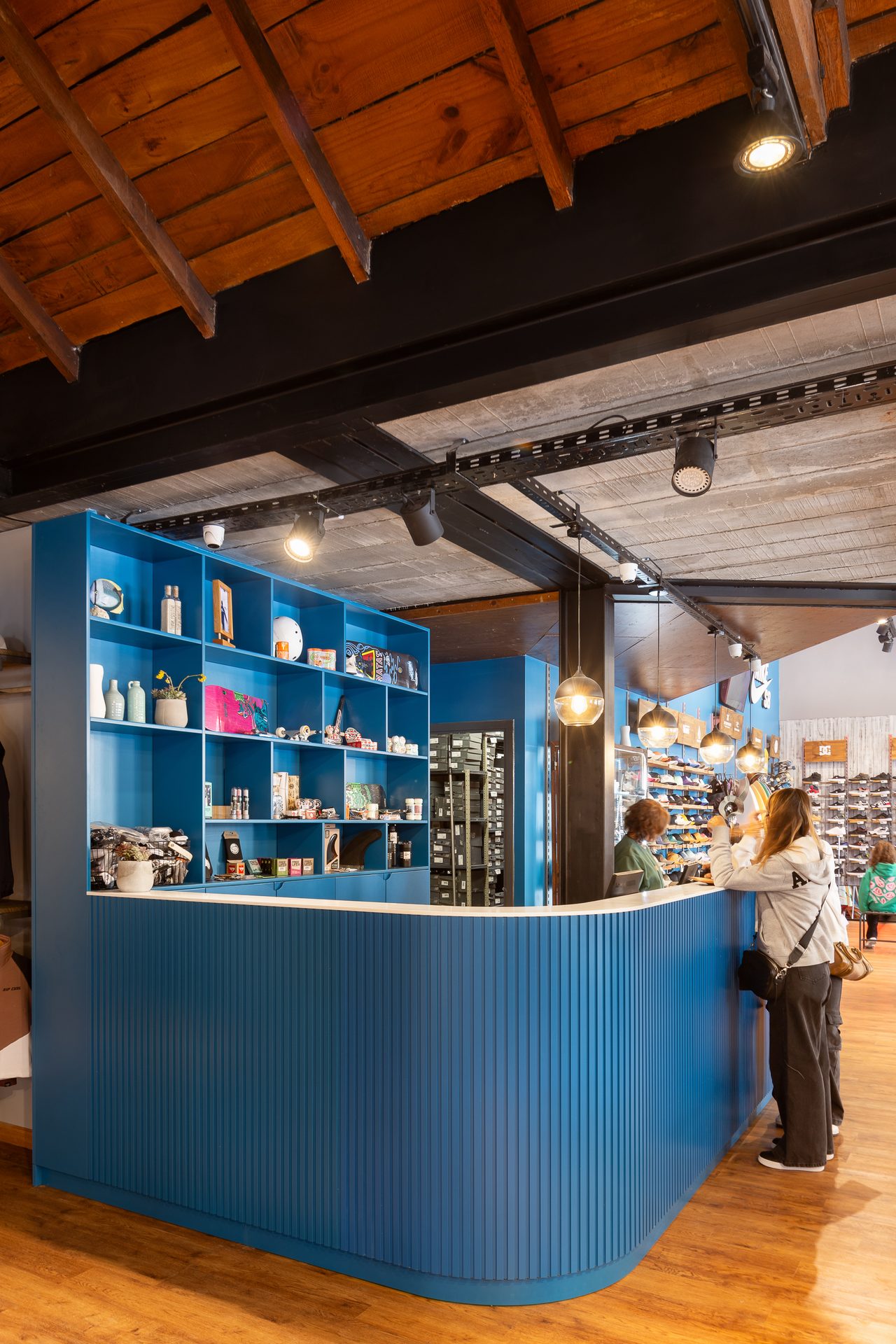
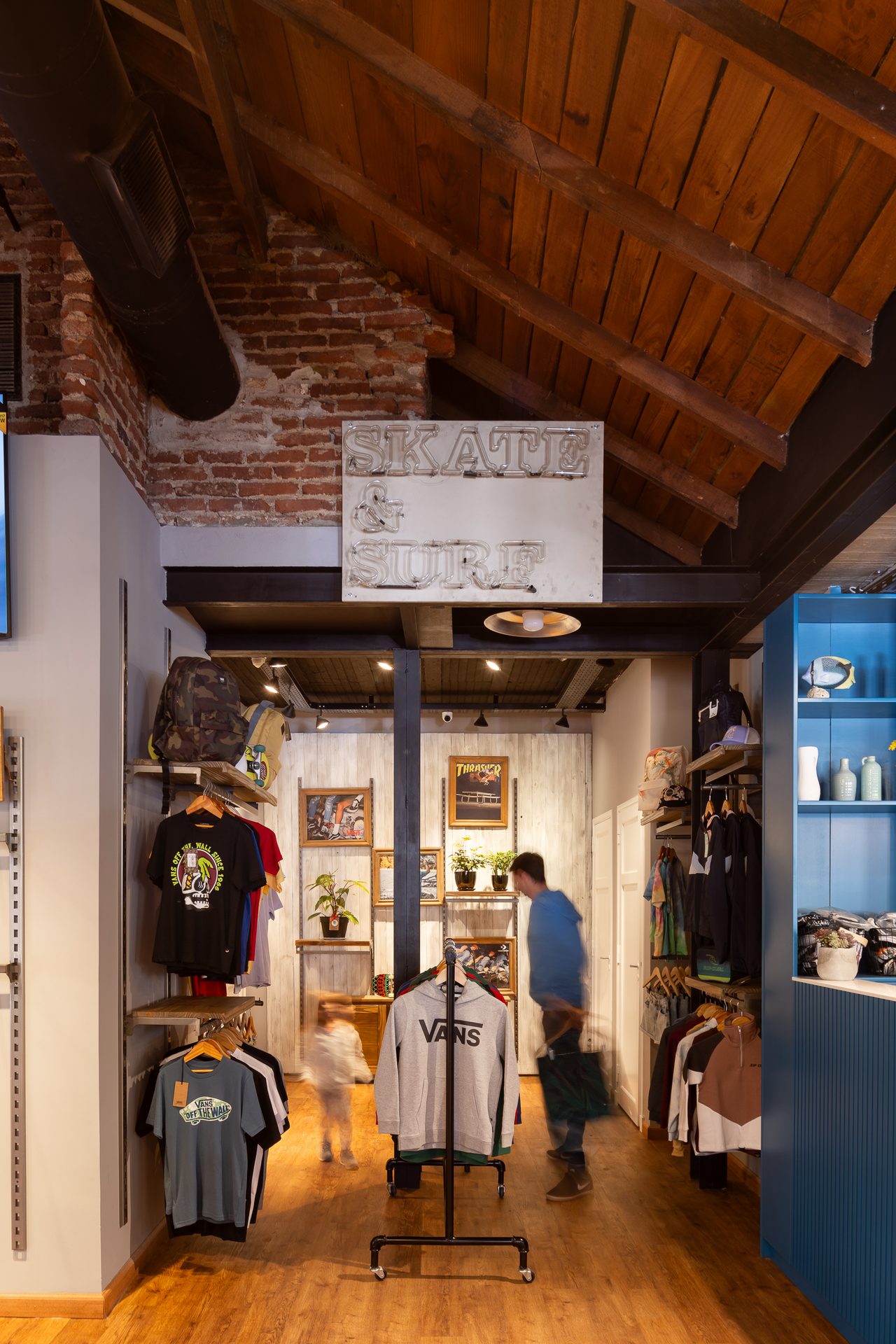
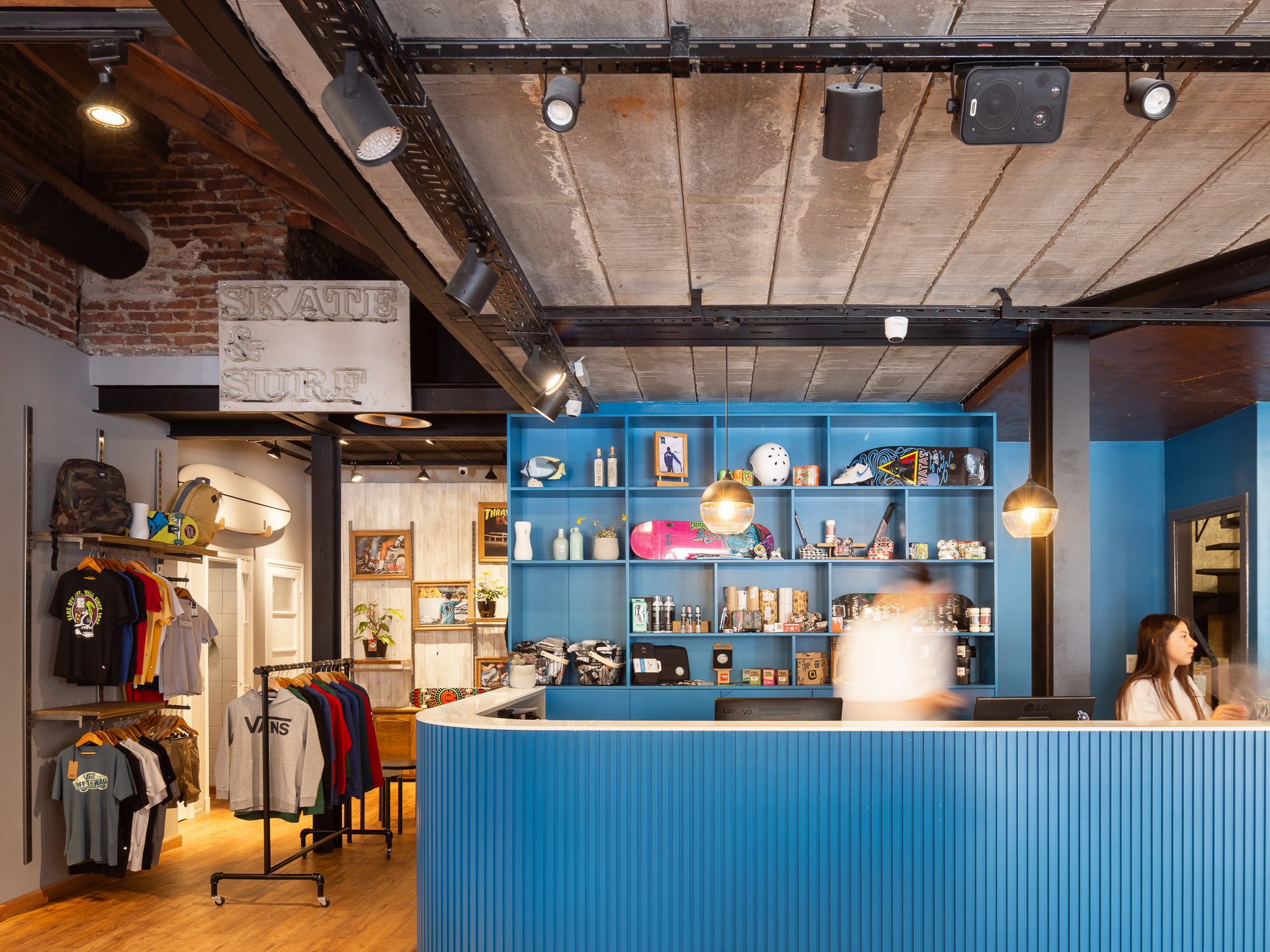
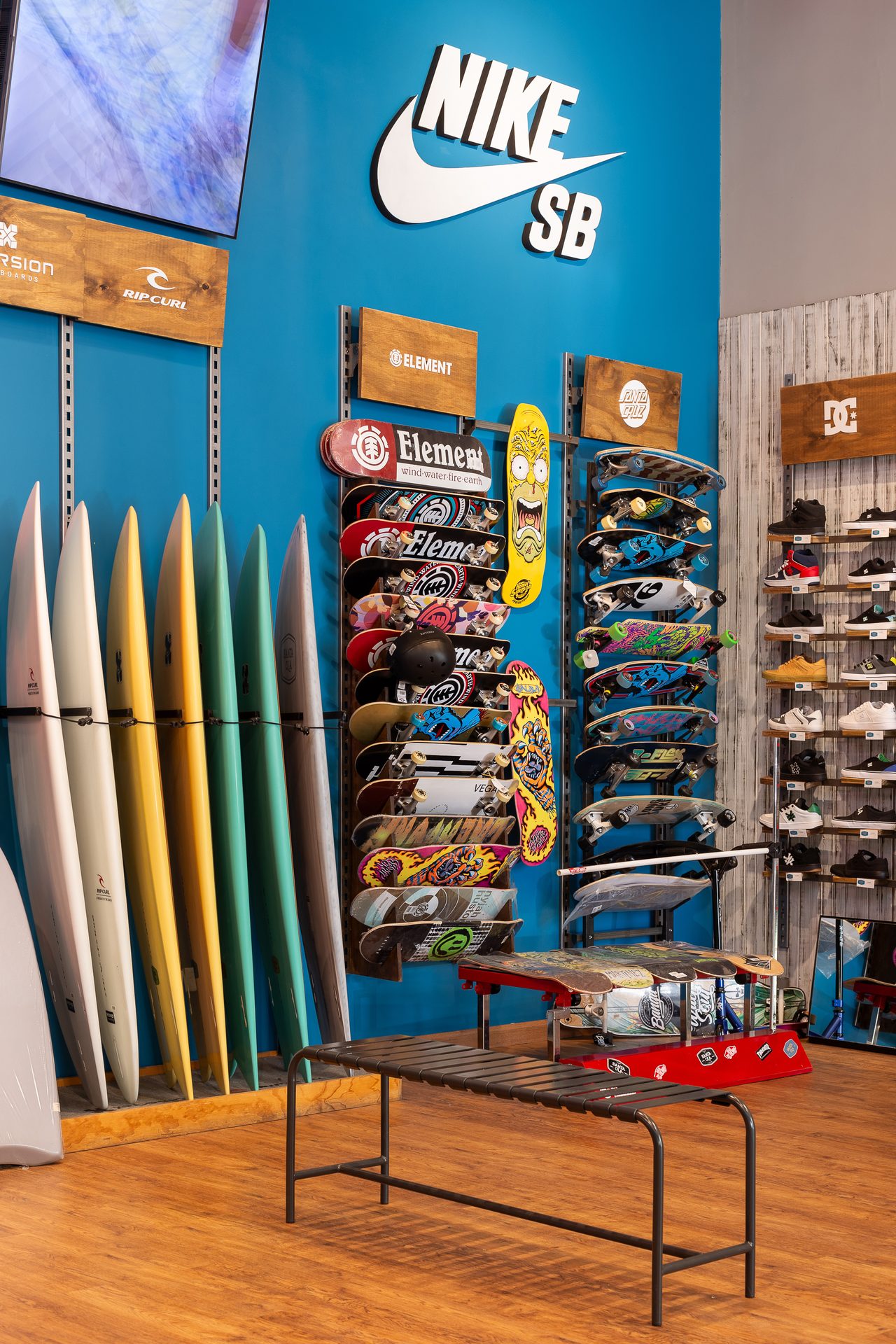
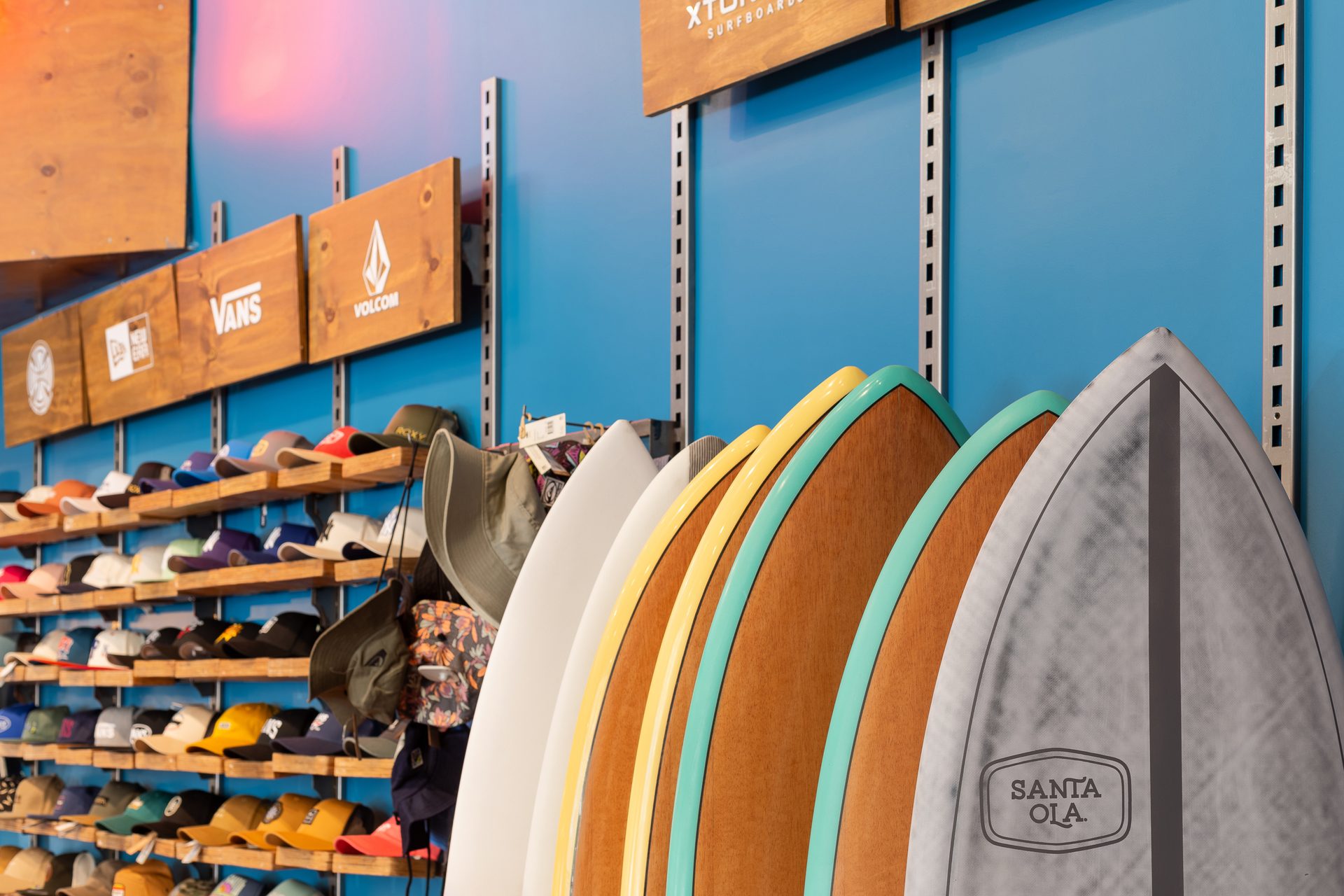

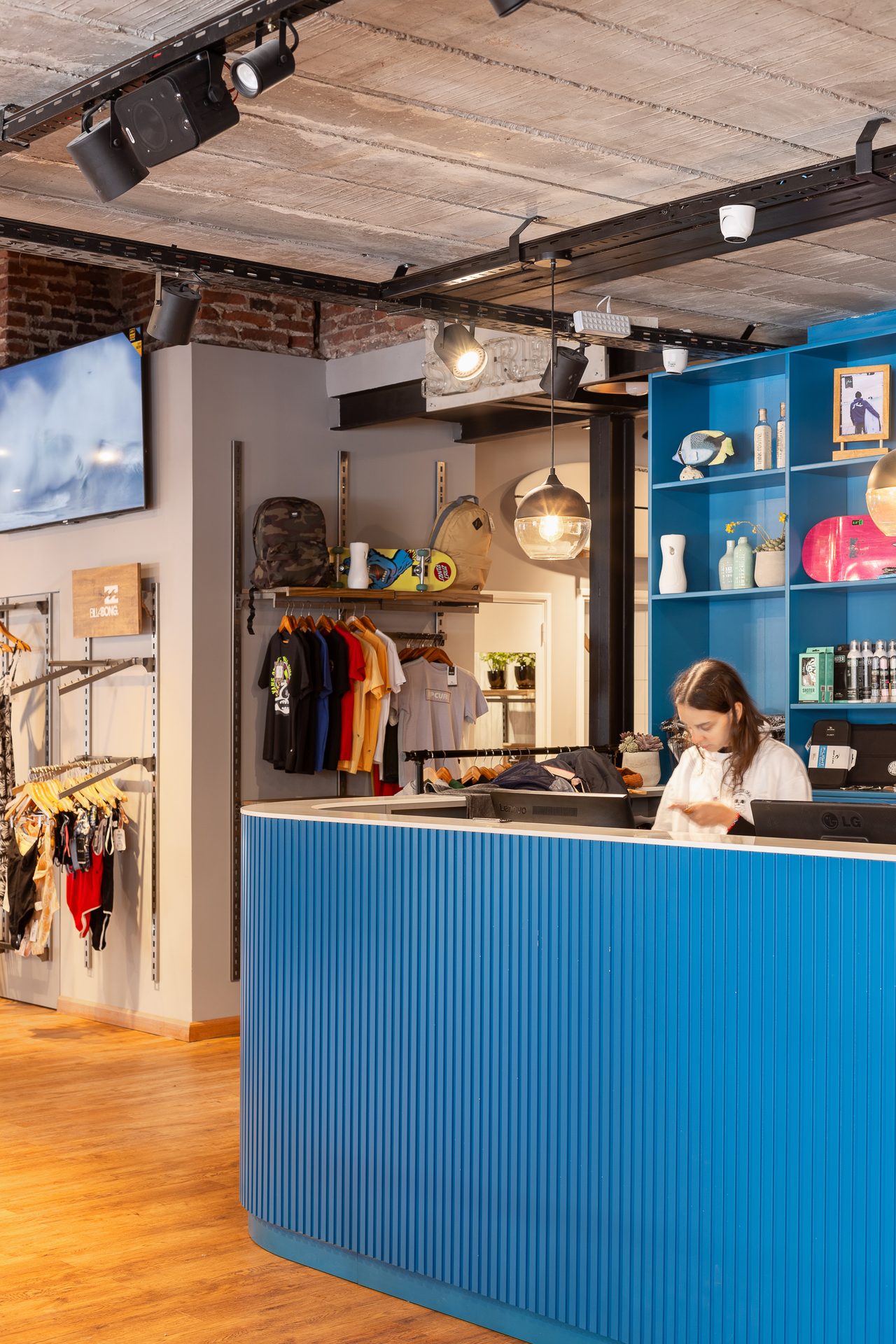
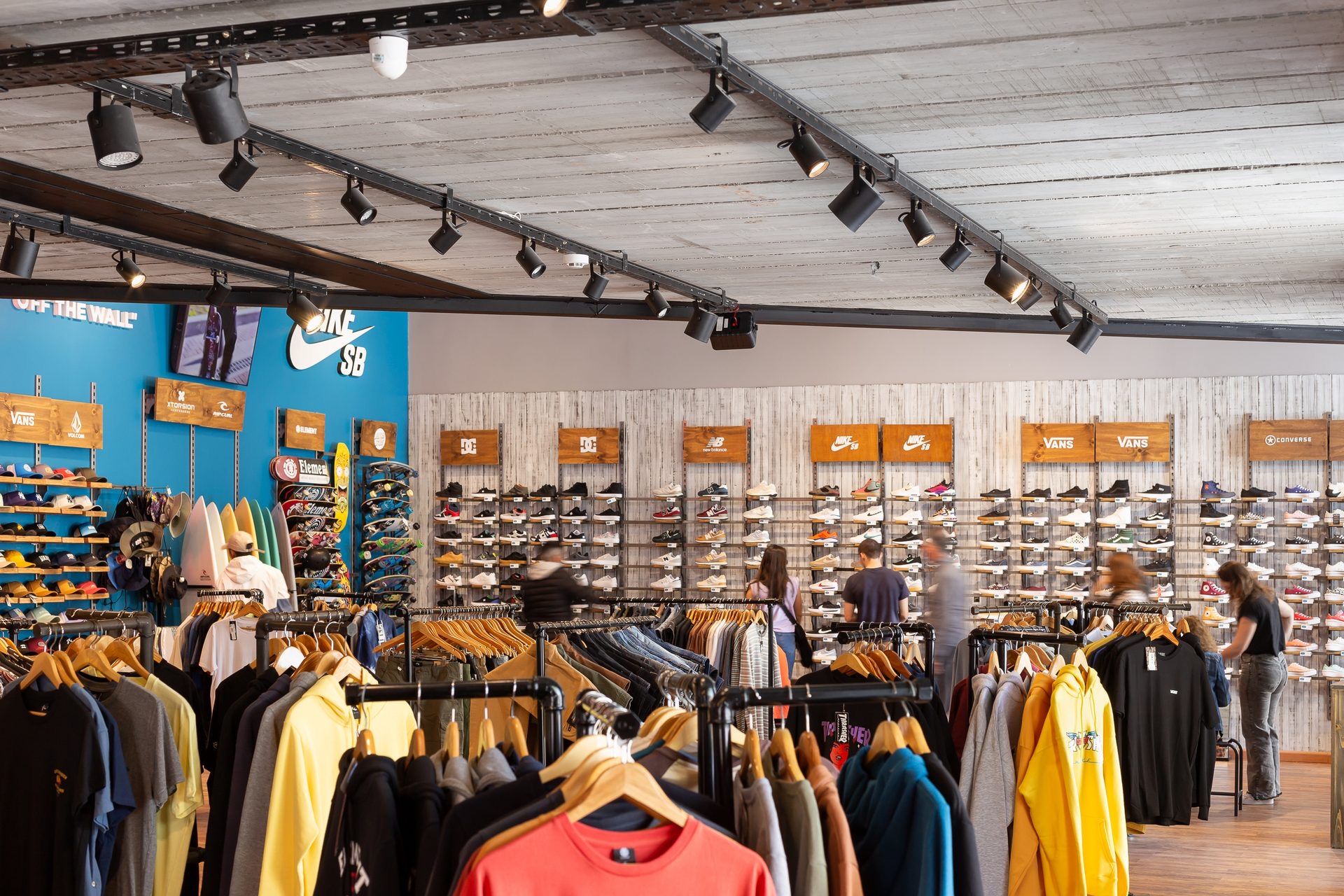
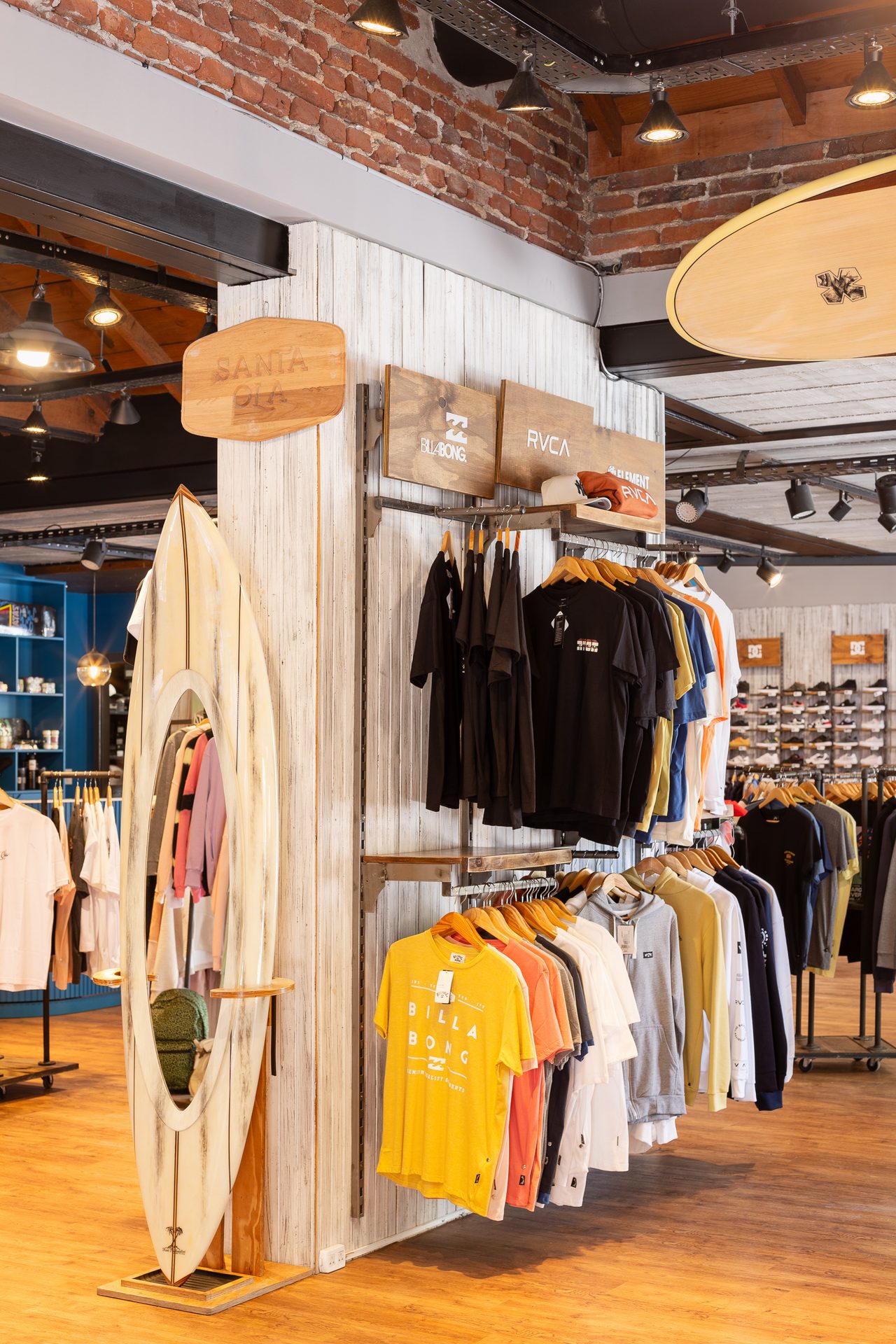
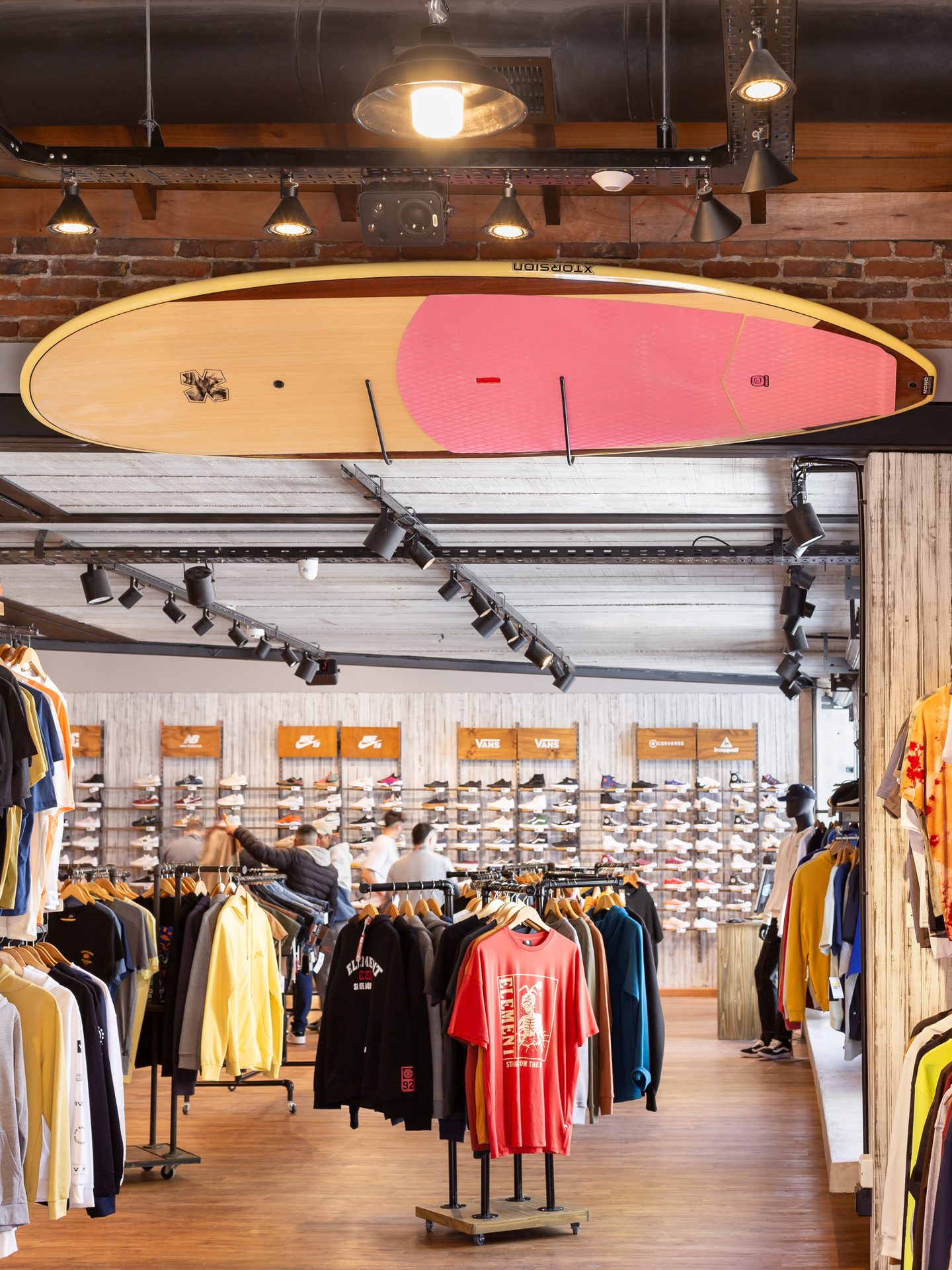
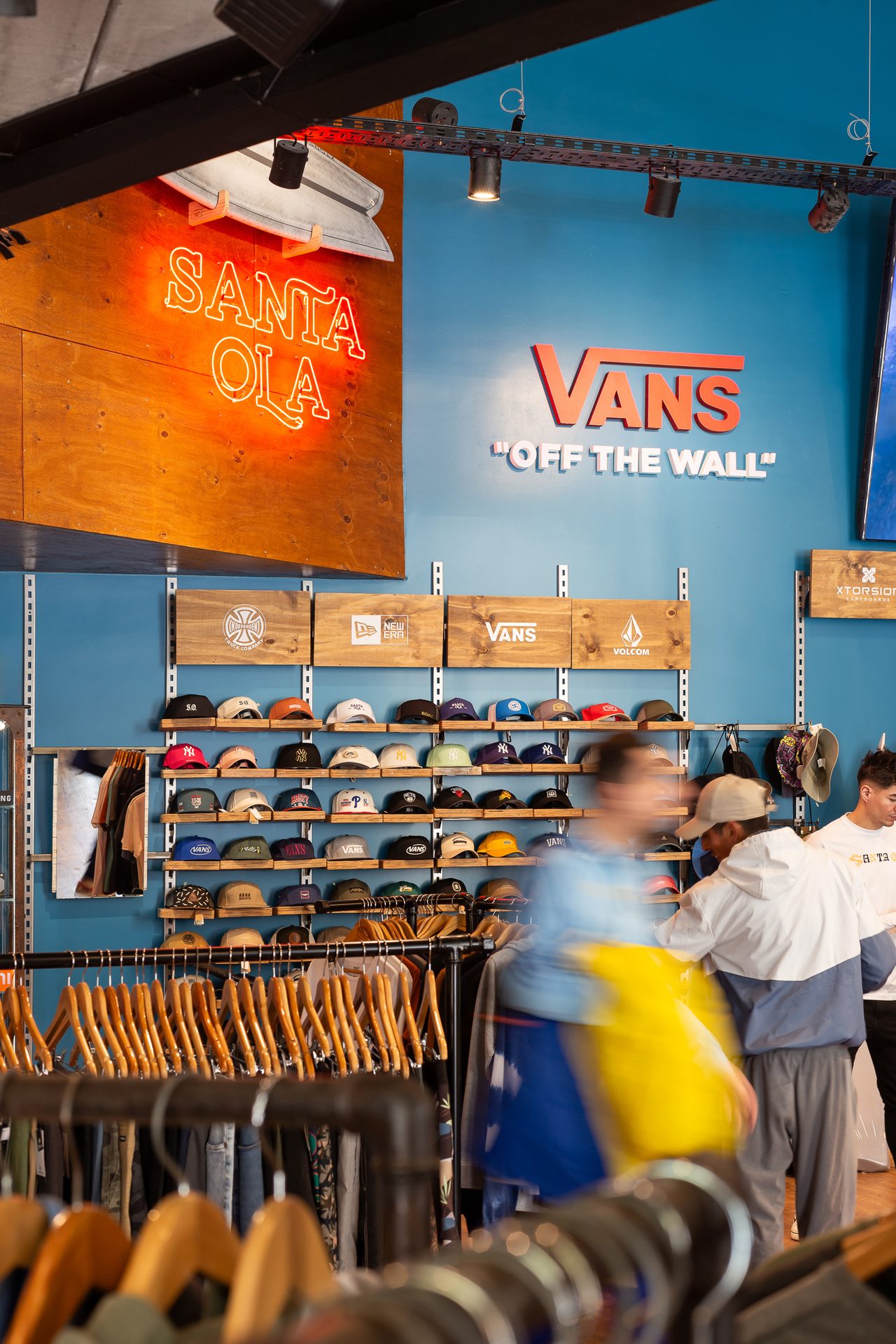

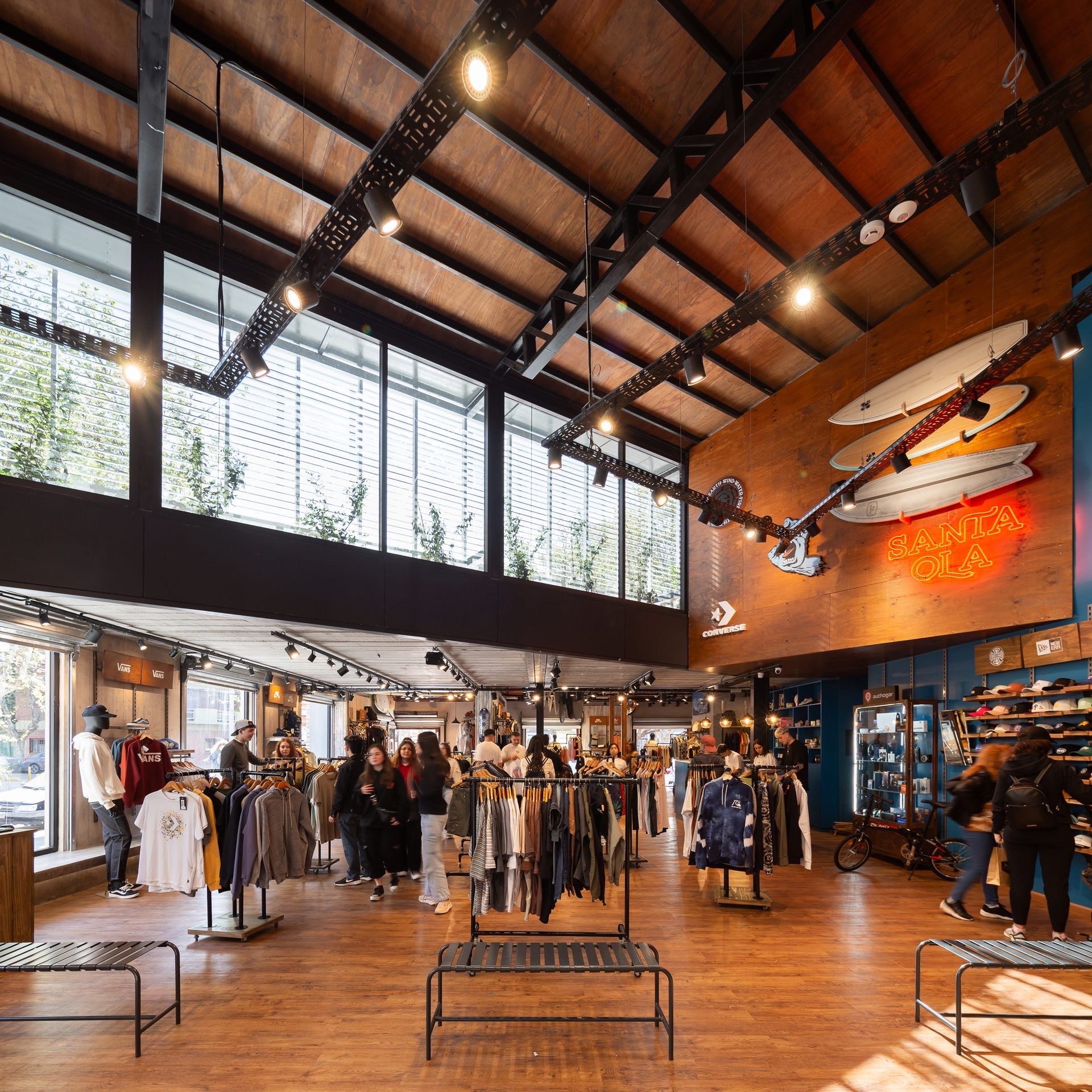
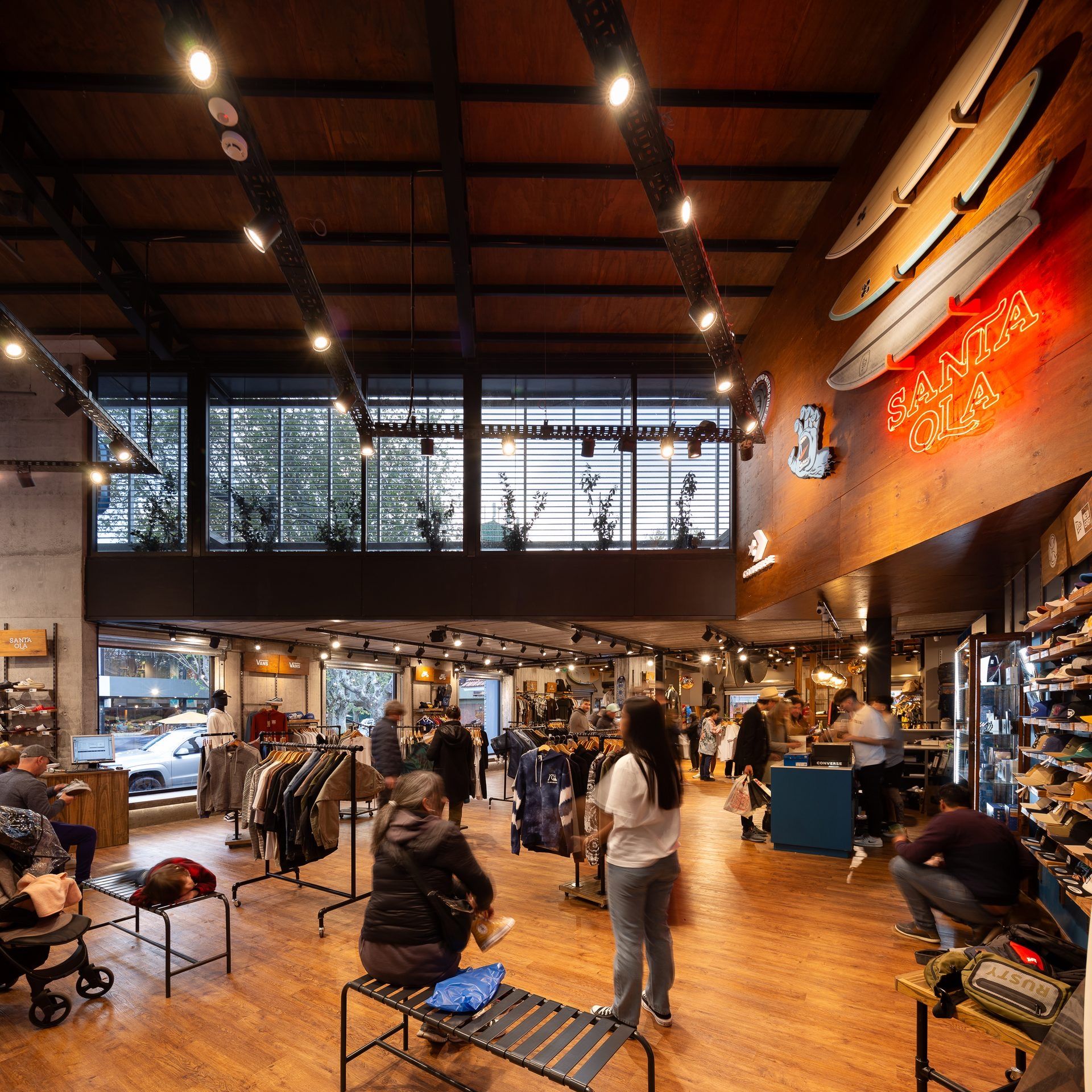
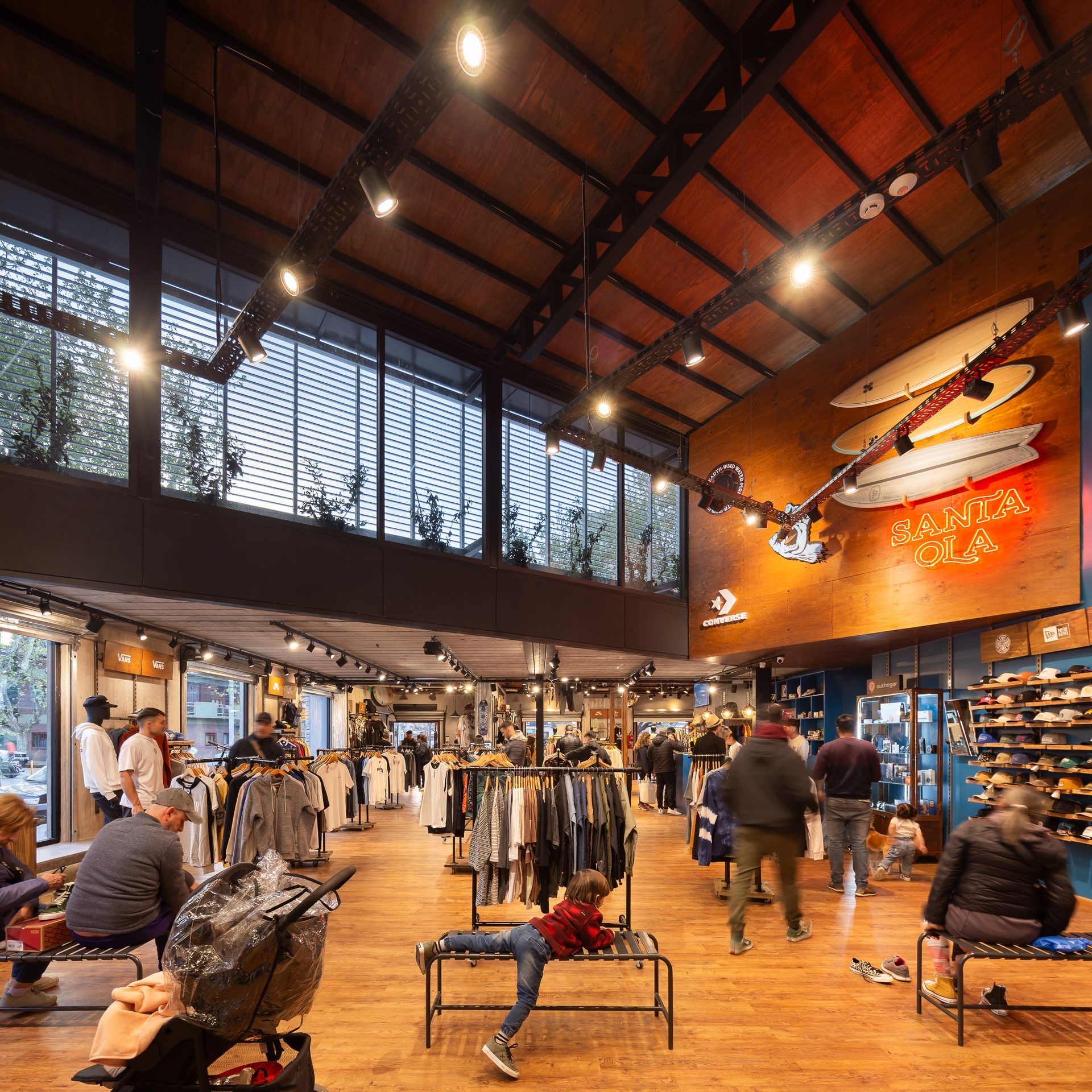
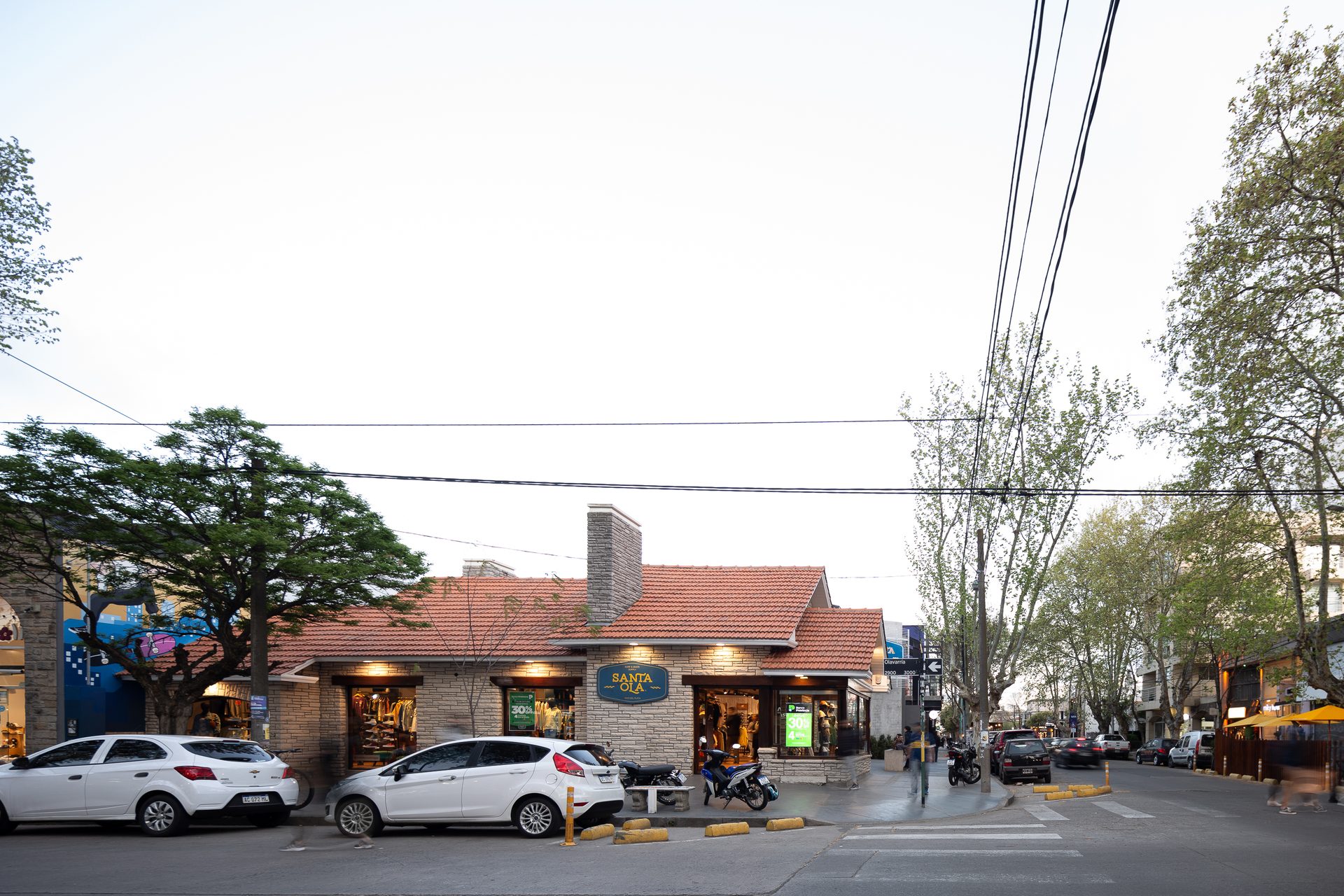
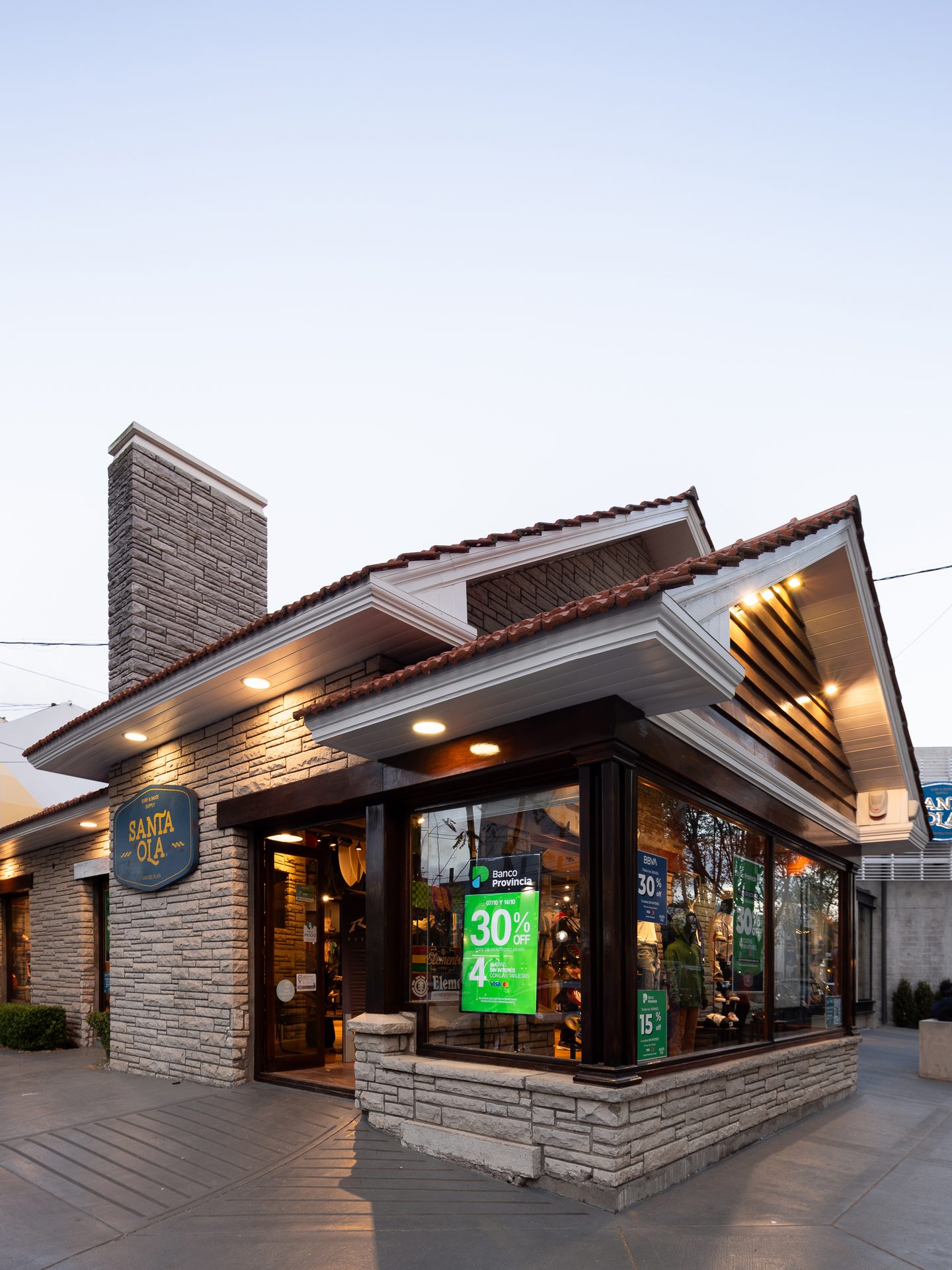
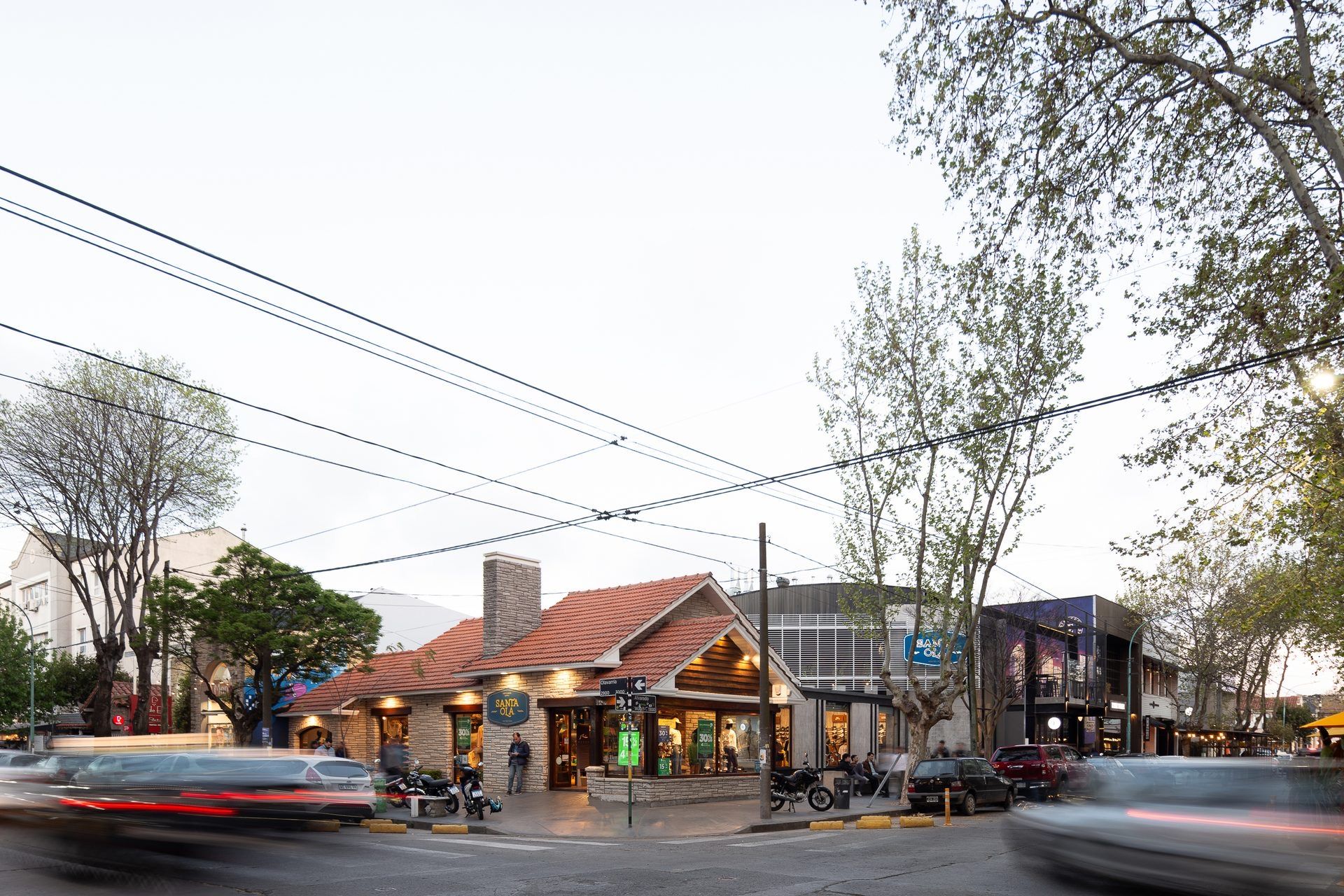
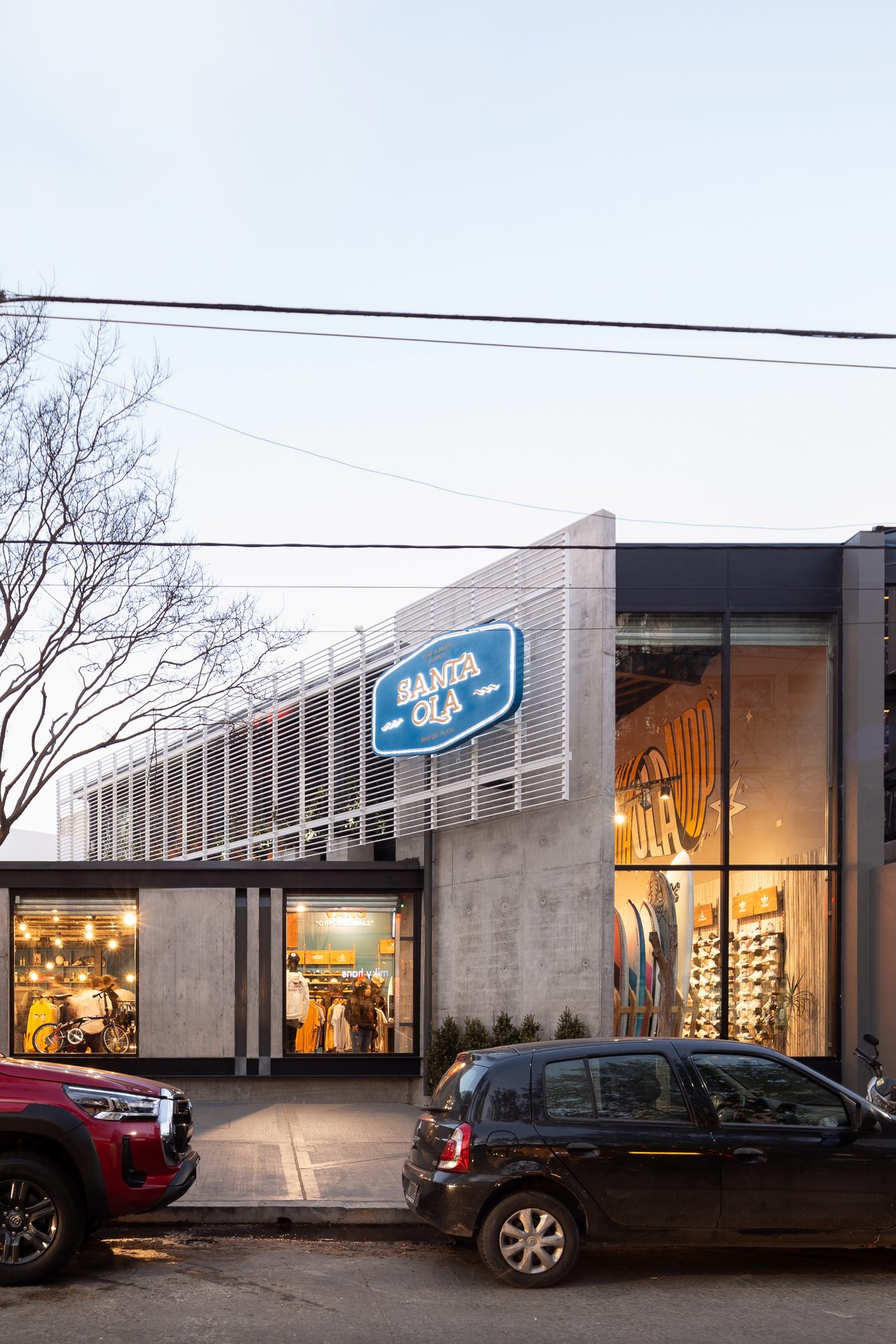
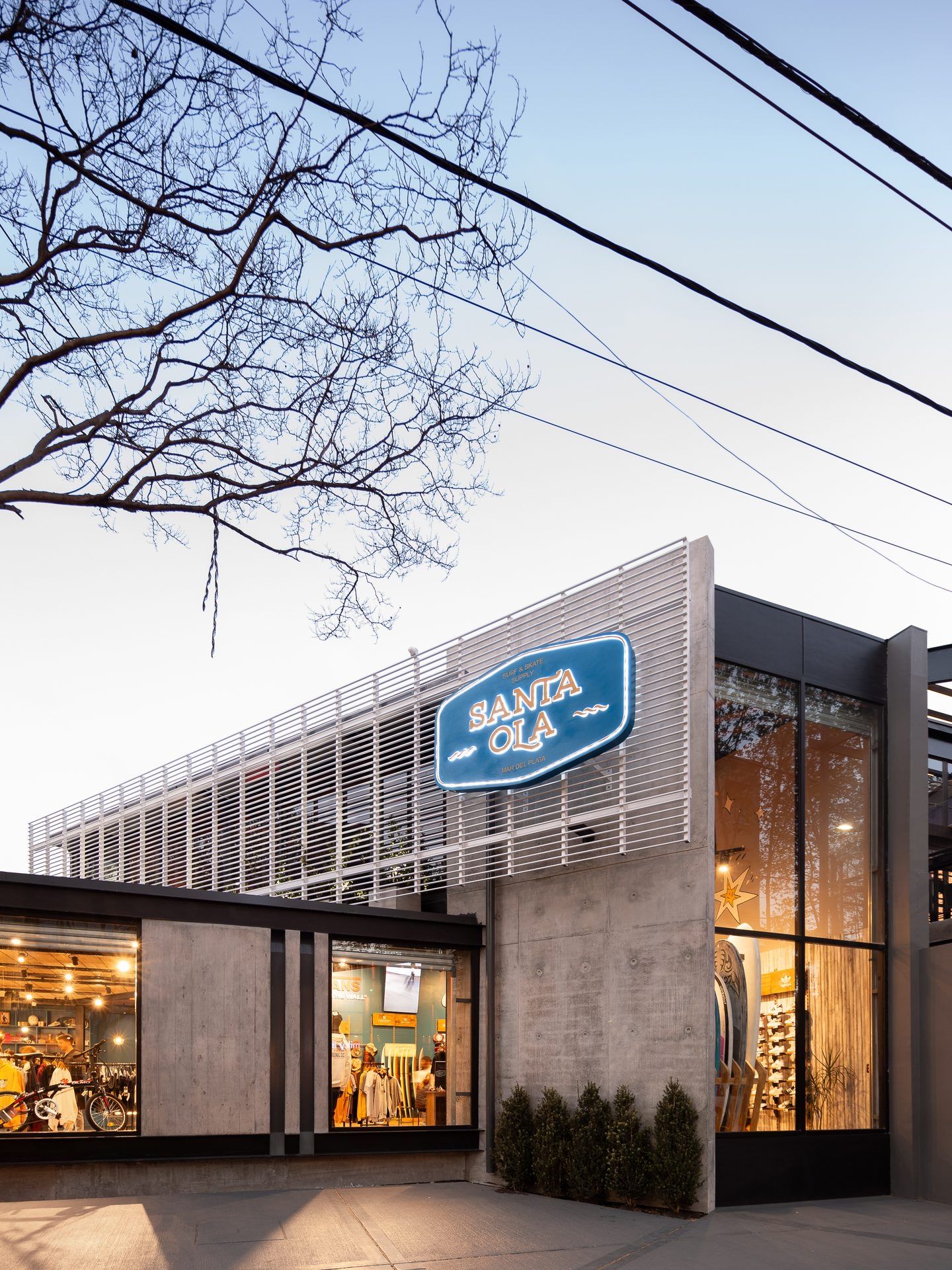
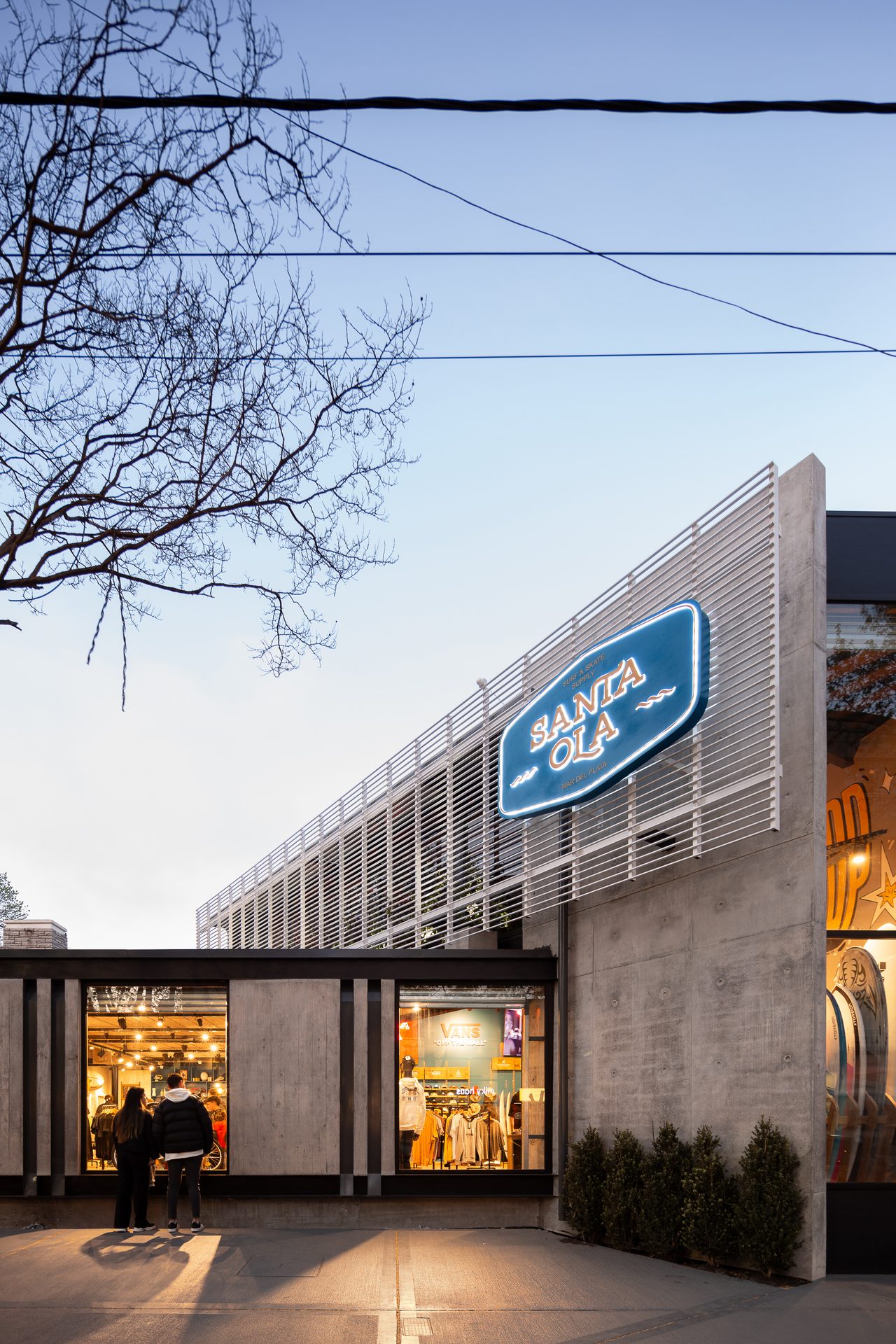
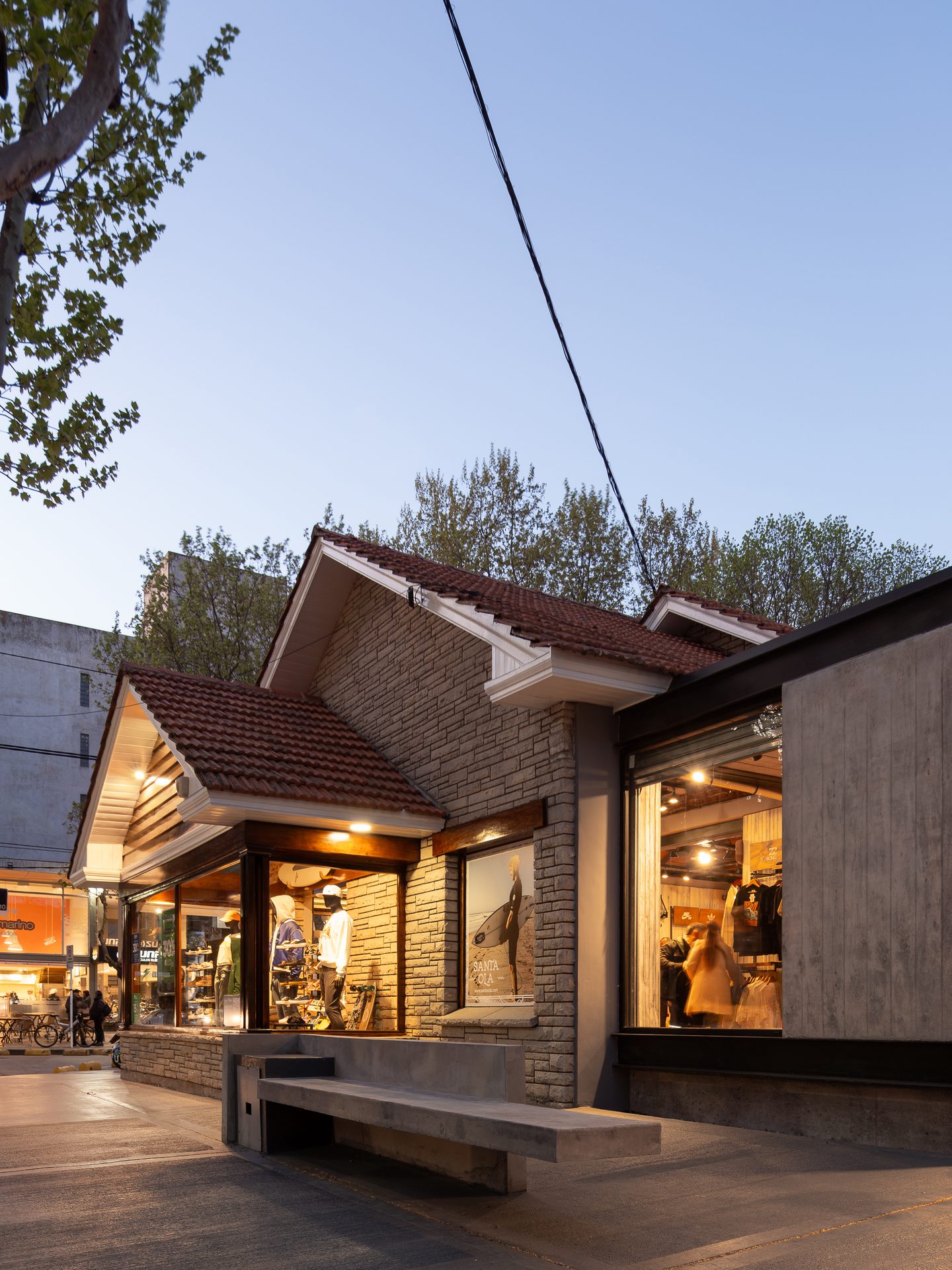
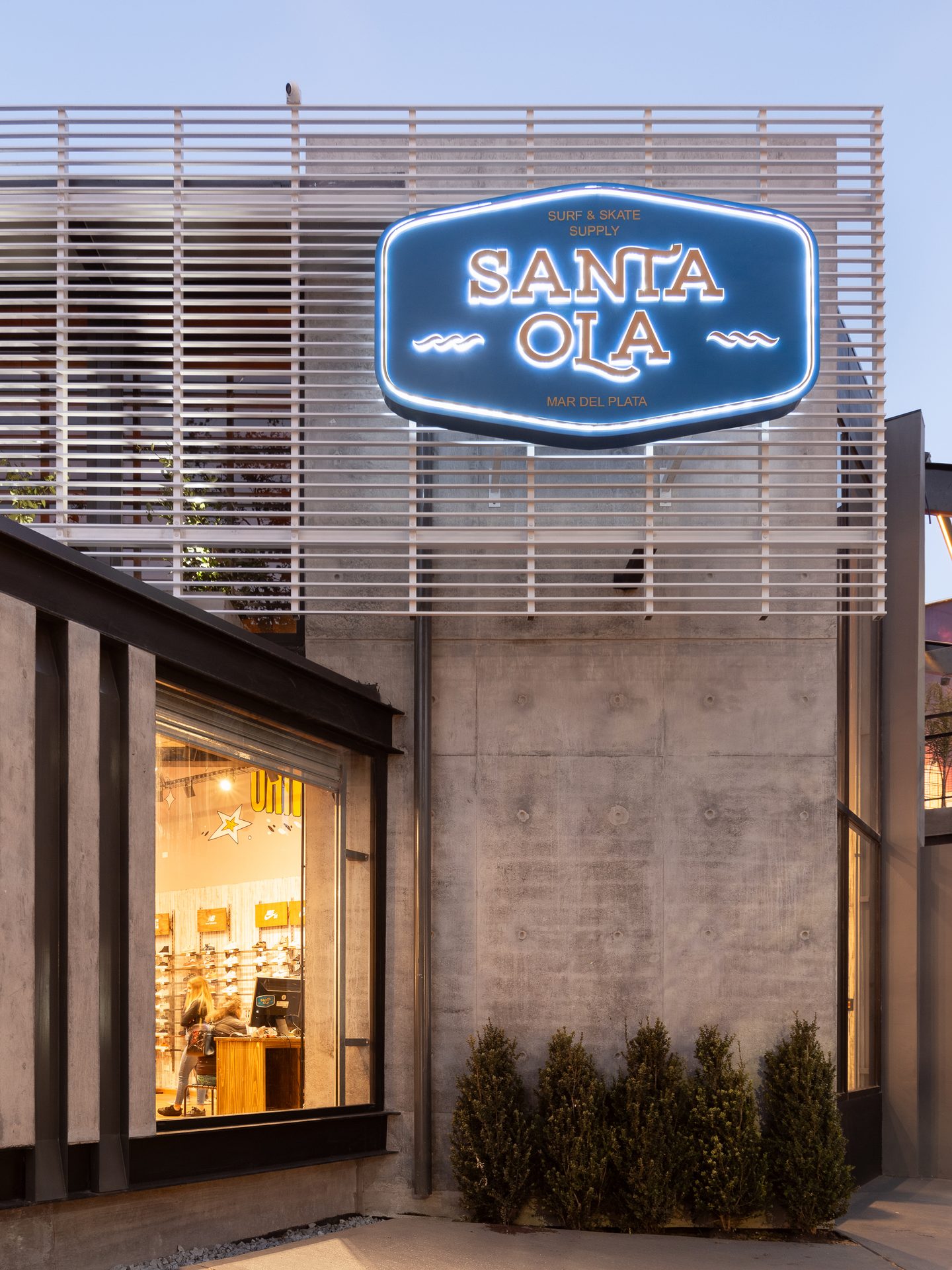
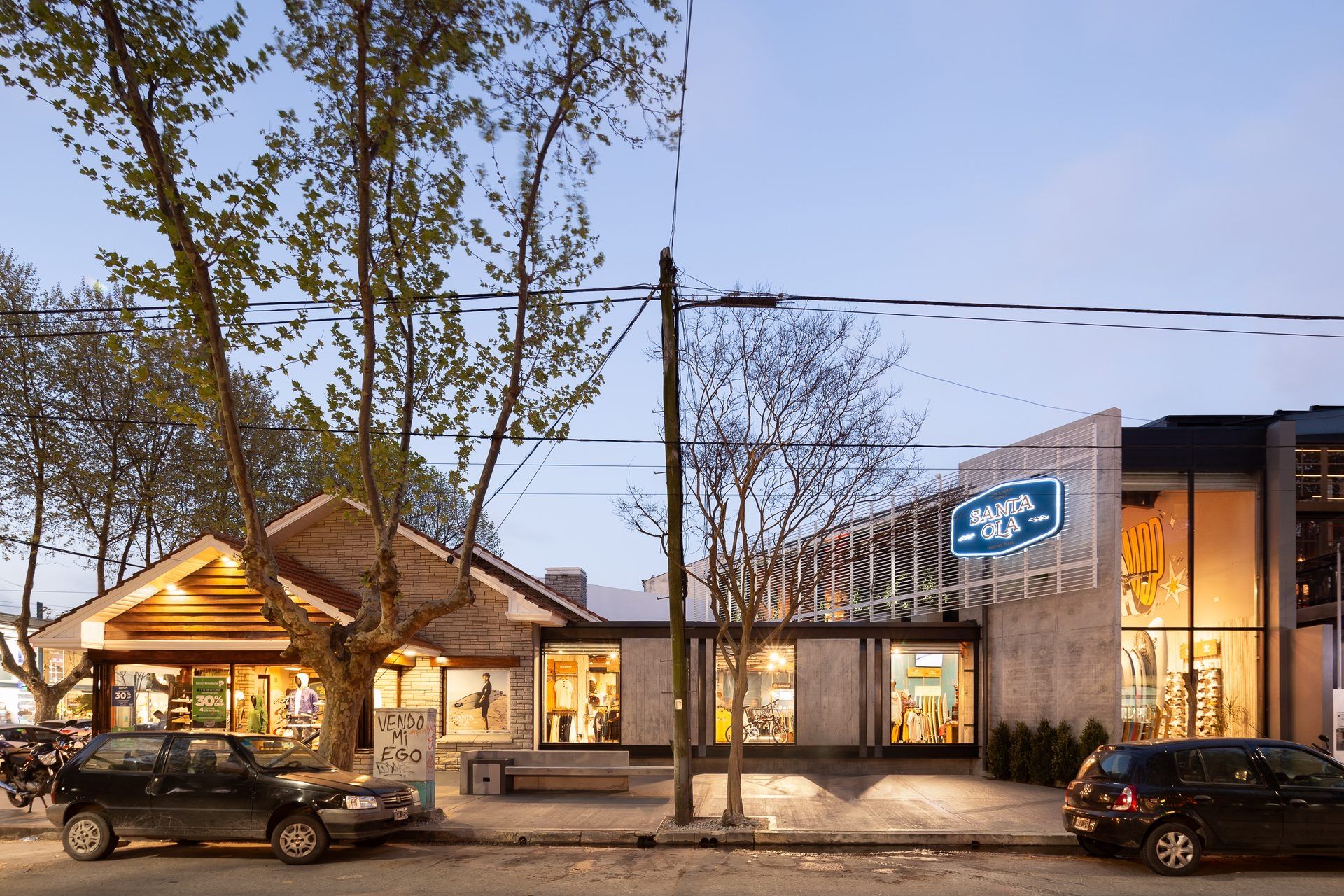
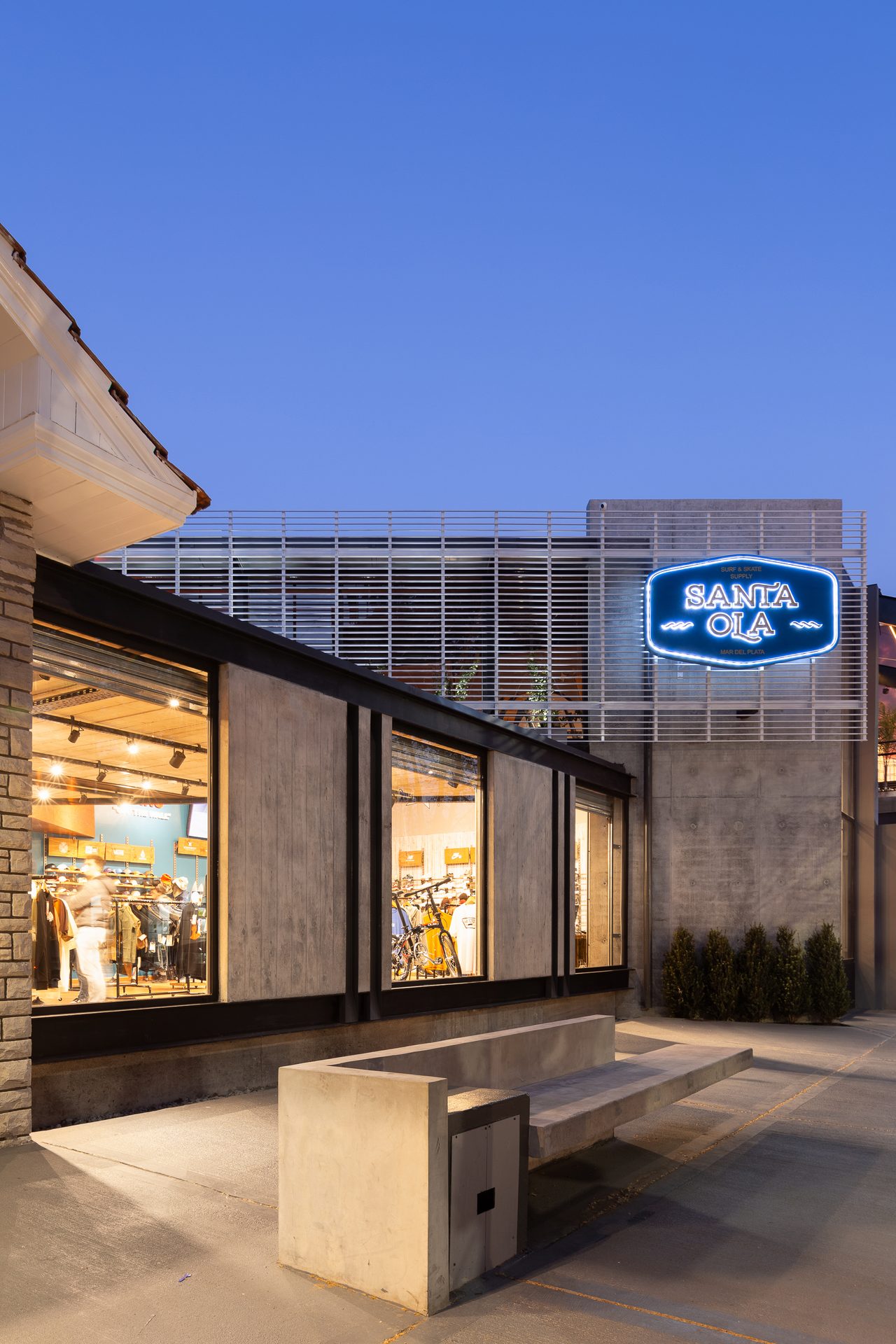
Ubicada en la Ciudad de Mar del Plata, provincia de Buenos Aires, la obra consiste en la puesta en valor y ampliación de un Chalet Marplatense que desde hace ocho años funciona como un local comercial. Se encuentra ubicado en el paseo comercial Güemes, área comercial en expansión y transformación de gran densidad peatonal y vehicular.
Emplazado en una esquina entre el barrio Stella Maris y los Troncos, barrios que deben sus orígenes a las residencias balnearias, principalmente Villas, Cottage y Chalets, hoy barrios tradicionales de la ciudad cuya memoria e identidad colectiva remite a un tejido de chalets del que no quedan casi rastros.
El designado popularmente como, Chalet Marplatense, surge como efecto de la popularización de la ciudad balnearia y de la crisis del 30 a partir de una simplificación de los programas y de la implantación de éstos en lotes más reducidos. Estas construcciones buscaron mantener características del pintoresquismo, la estética de sus materiales nobles, las técnicas artesanales, la morfología a partir de la composición aditiva de diferentes volúmenes y cubiertas facetadas que se evidencian a partir del dueto figura fondo.
Partiendo de la premisa que hacer arquitectura es hacer ciudad y que una obra de ampliación puede transformar no solo un edificio sino un espacio urbano. La decisión proyectual no sólo fue conservar el chalet por lo que significa para la memoria e identidad colectiva de la ciudad sino ponerlo en valor, haciendo del edificio nuevo un telón y otorgándole mayor espacio público a la calle.
A través de una intervención dialéctica el conjunto edificio obtiene una nueva imagen en la que lo contemporáneo y lo tradicional se ponen en valor, potenciando y resignificando el sitio, la esquina como espacio urbano singular, la calle vereda como espacio apropiable, el edificio como identidad de la marca y de Mar del Plata.
El sector nuevo del edificio toma la altura del entorno, enchapando la medianera y a su vez quebrando el eje ortogonal de la cuadricula propia de la manzana para otorgarle singularidad al chalet. Éste elemento a su vez, logra enfatizar la condición de esquina y aumentar su visibilidad.
Para generar mayor espacio público y dar una respuesta desde la arquitectura a la densificación que vive éste sector urbano, el edificio se retranquea provocando un ensanche de la vereda, generando un punto de encuentro que enriquece la relación del edificio con la ciudad.
El conjunto edilicio procura poseer materiales nobles, de expresión estética y representatividad histórica buscando un diálogo entre pasado, presente y futuro.
Por un lado se busca poner en valor la materialidad del chalet, restaurando la madera y recuperando el estado de la piedra y la cubierta de tejas.
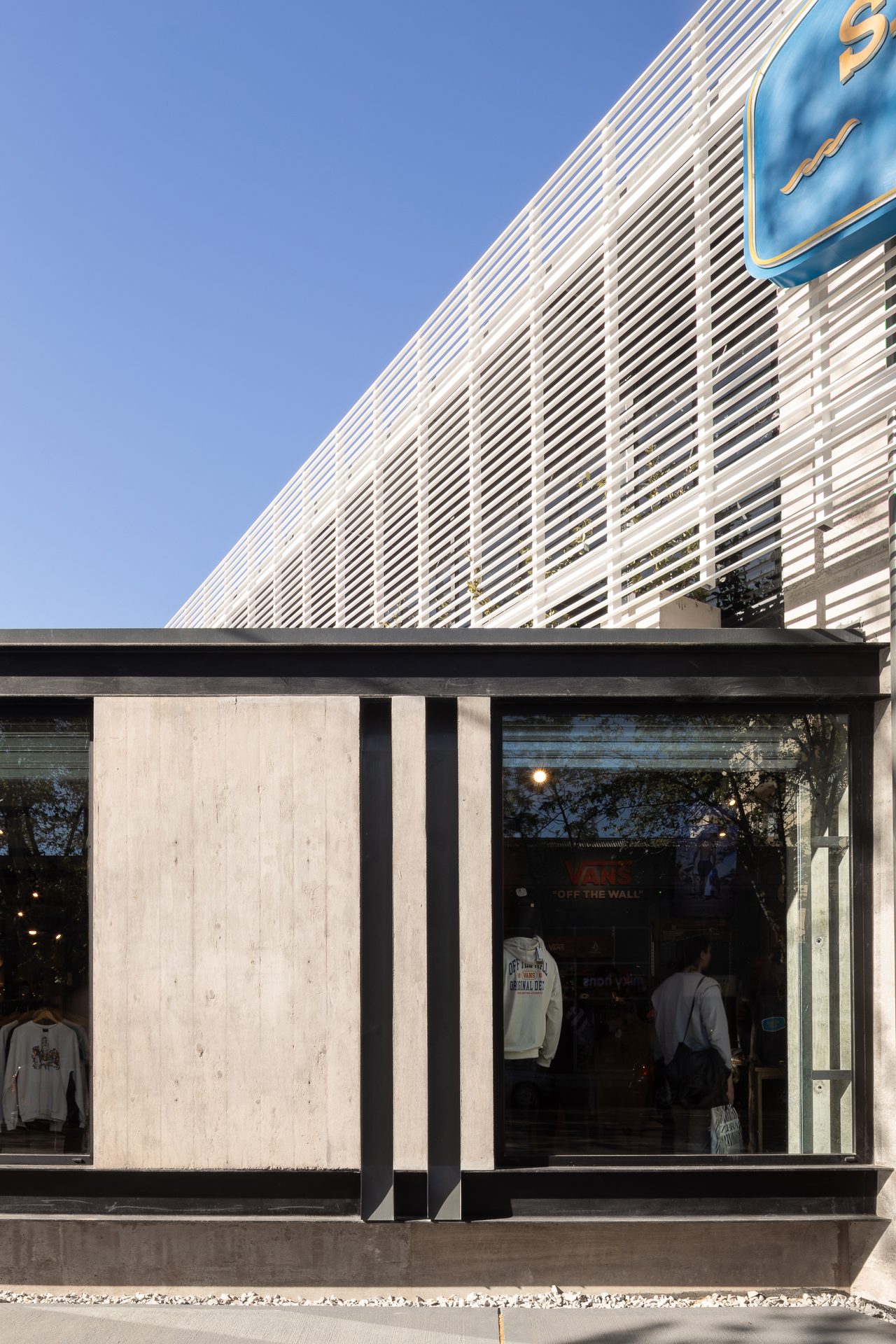
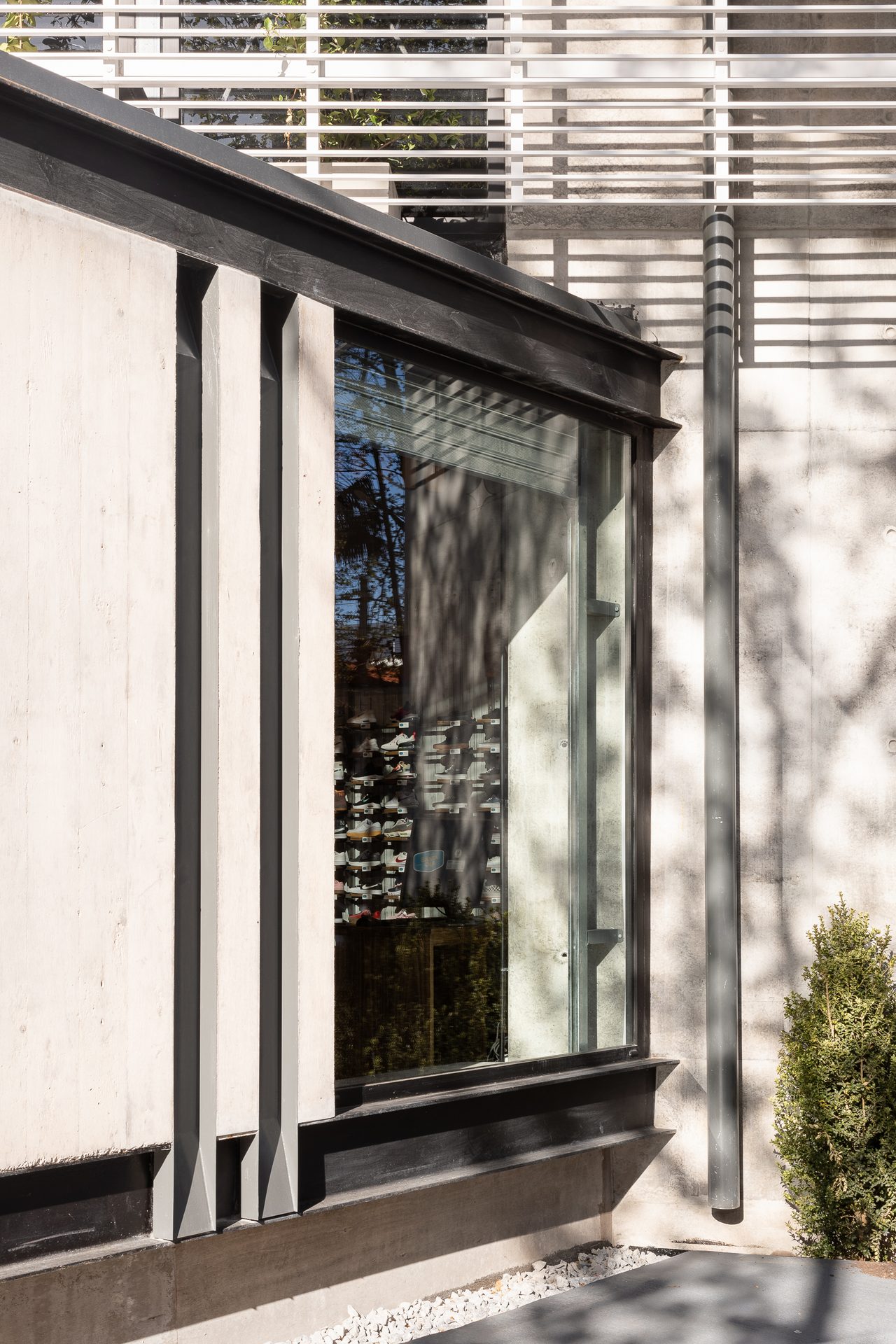
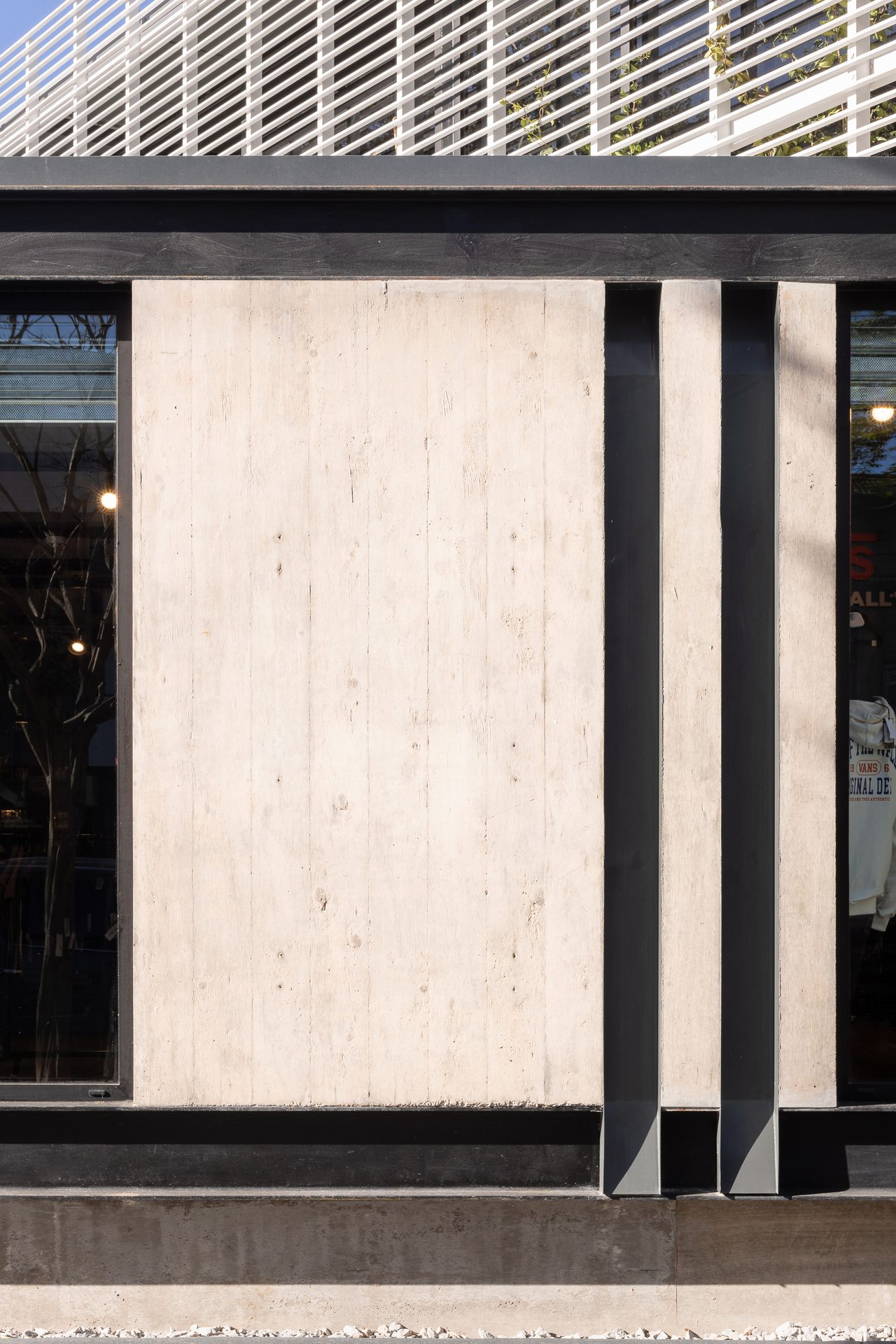
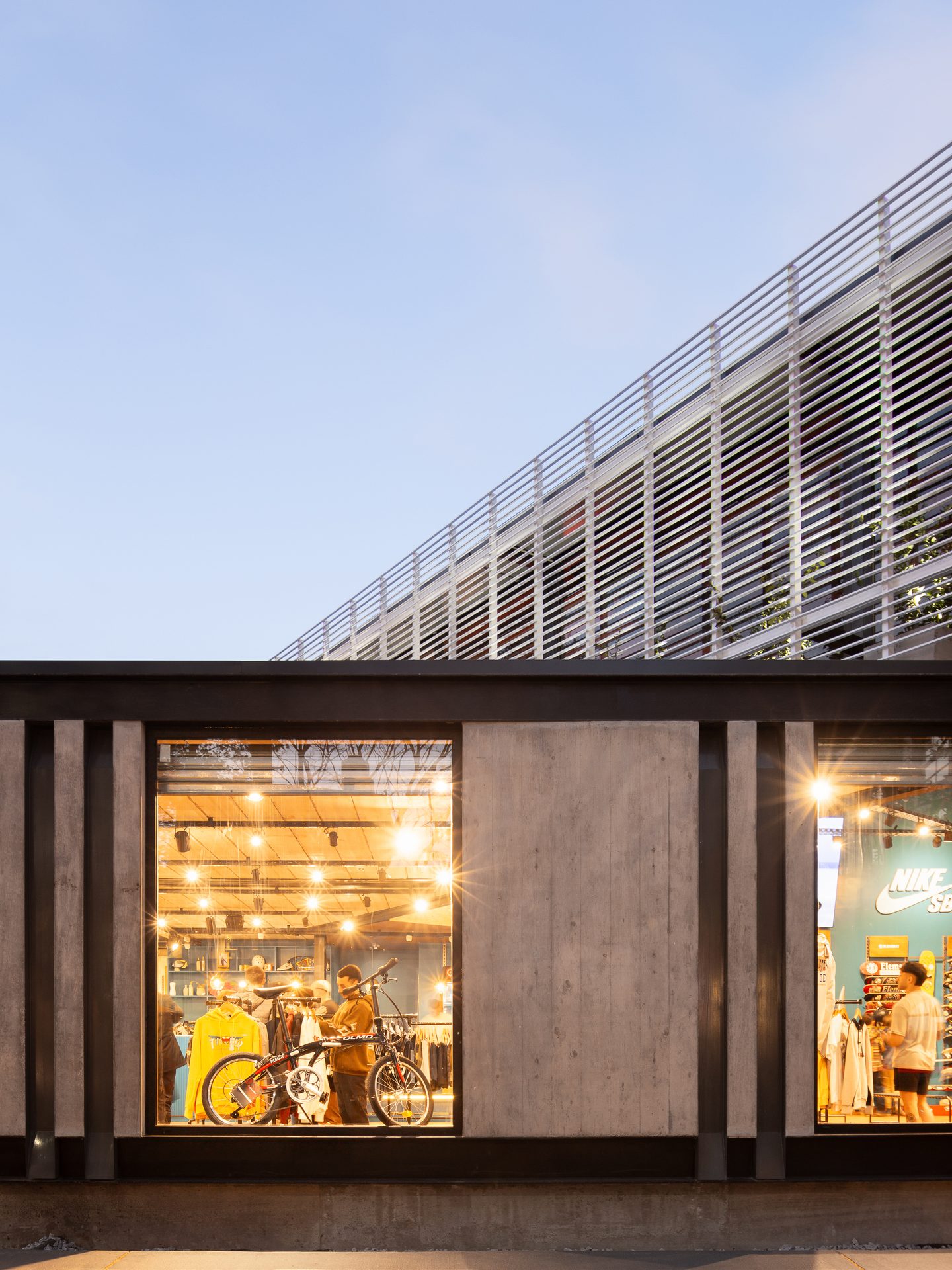
El área nueva del edificio no busca la mímesis con el patrimonio sino diferenciarse a partir de una imagen contemporánea conformada a partir de formas puras y de materiales y colores que difieren del chalet, hormigón visto, aluminio negro y el vidrio son los elegidos. Éstos conservan la expresividad propia del material al igual que ocurre con la piedra, la madera y la teja en el chalet.
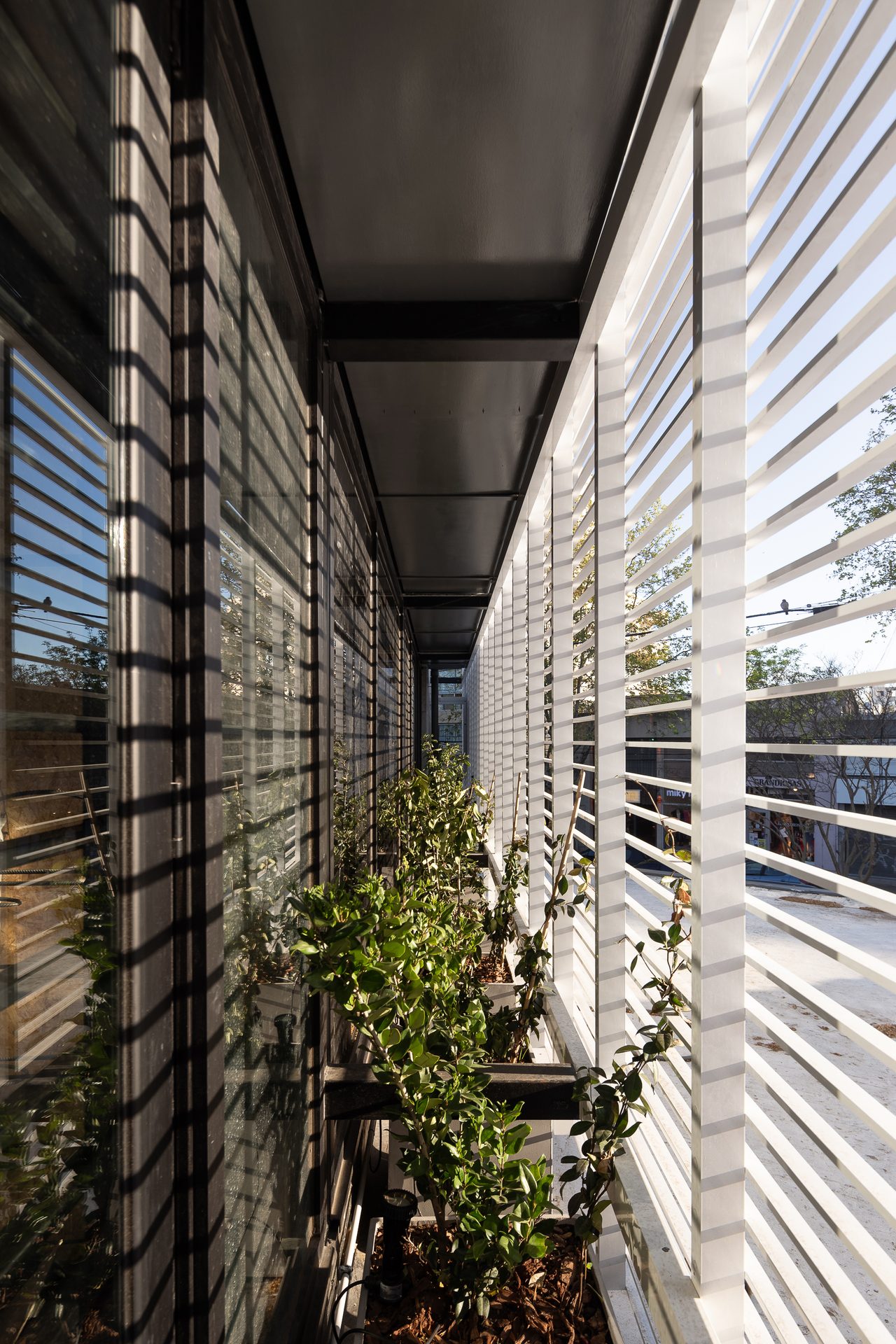
El diseño del límite del edificio busca guionar la interacción de éste con las personas que transitan por la esquina tanto a nivel peatonal como vehicular, otorgando la trasparencia indicada para invitar a ingresar al interior del local.
Una secuencia de planos opacos y translúcidos que toman como referencia el límite existente en el chalet se repiten en el sector nuevo del edificio para permitir "espiar" el interior del local.