 EN
EN
EN
EN
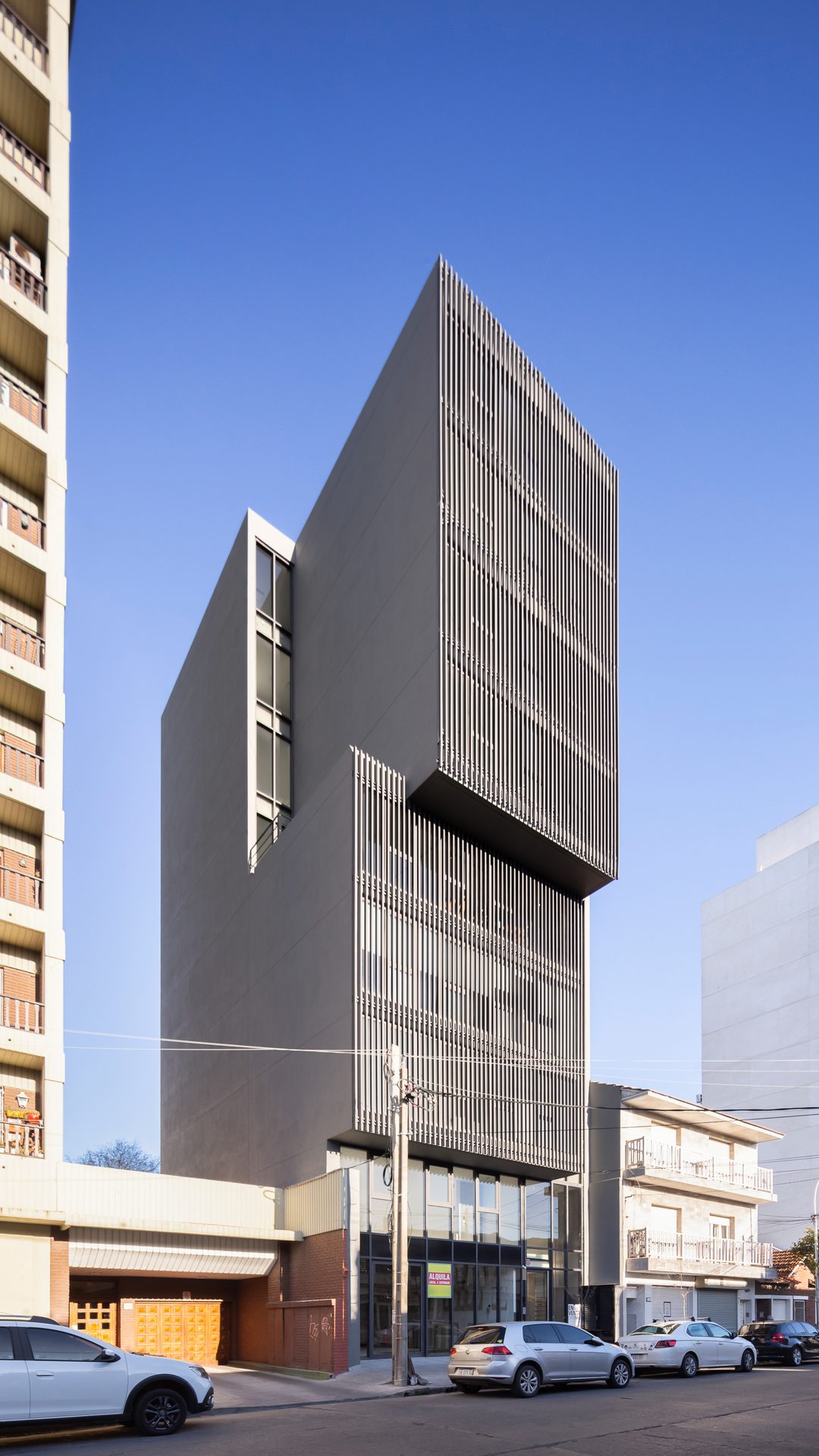
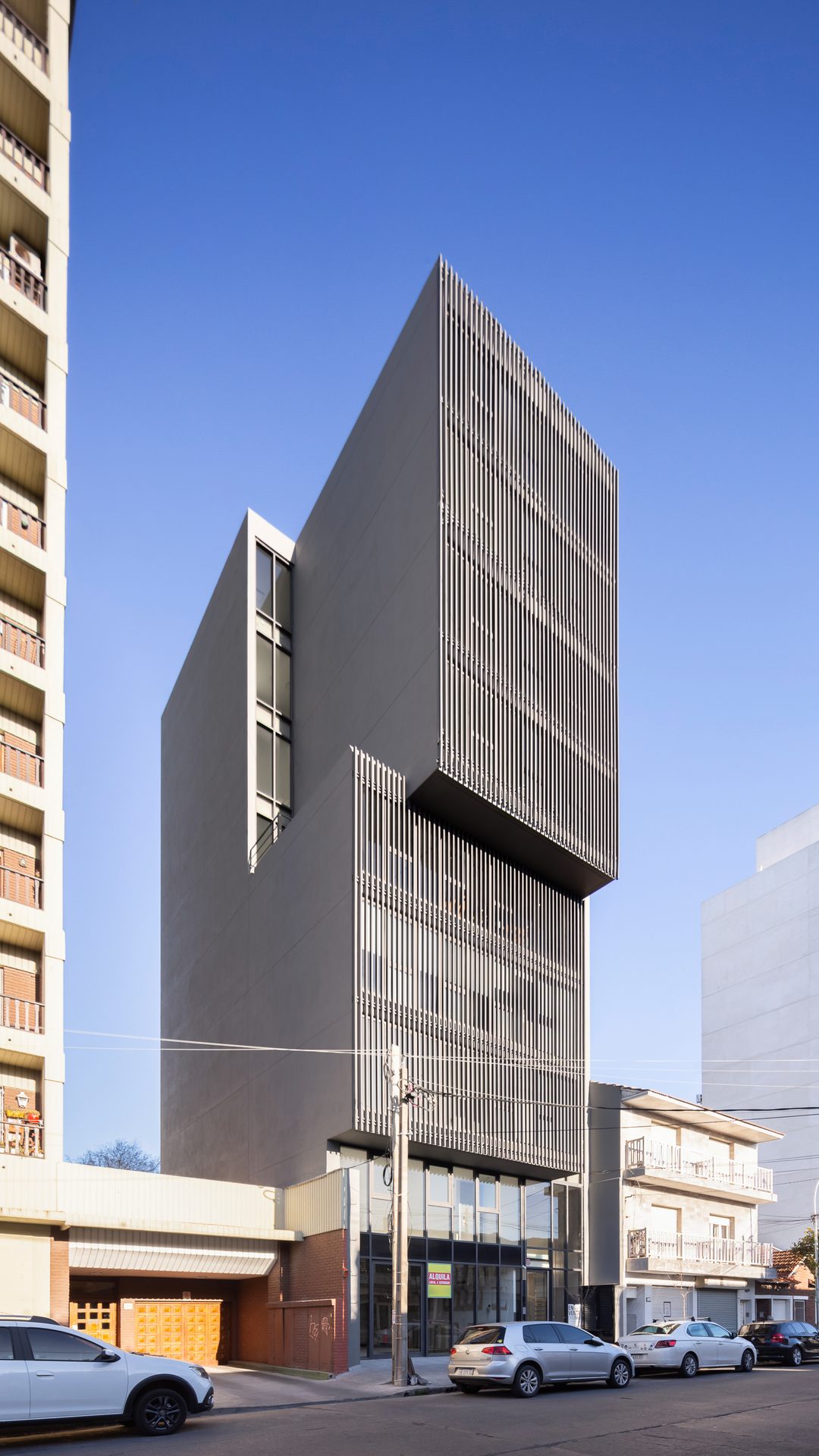
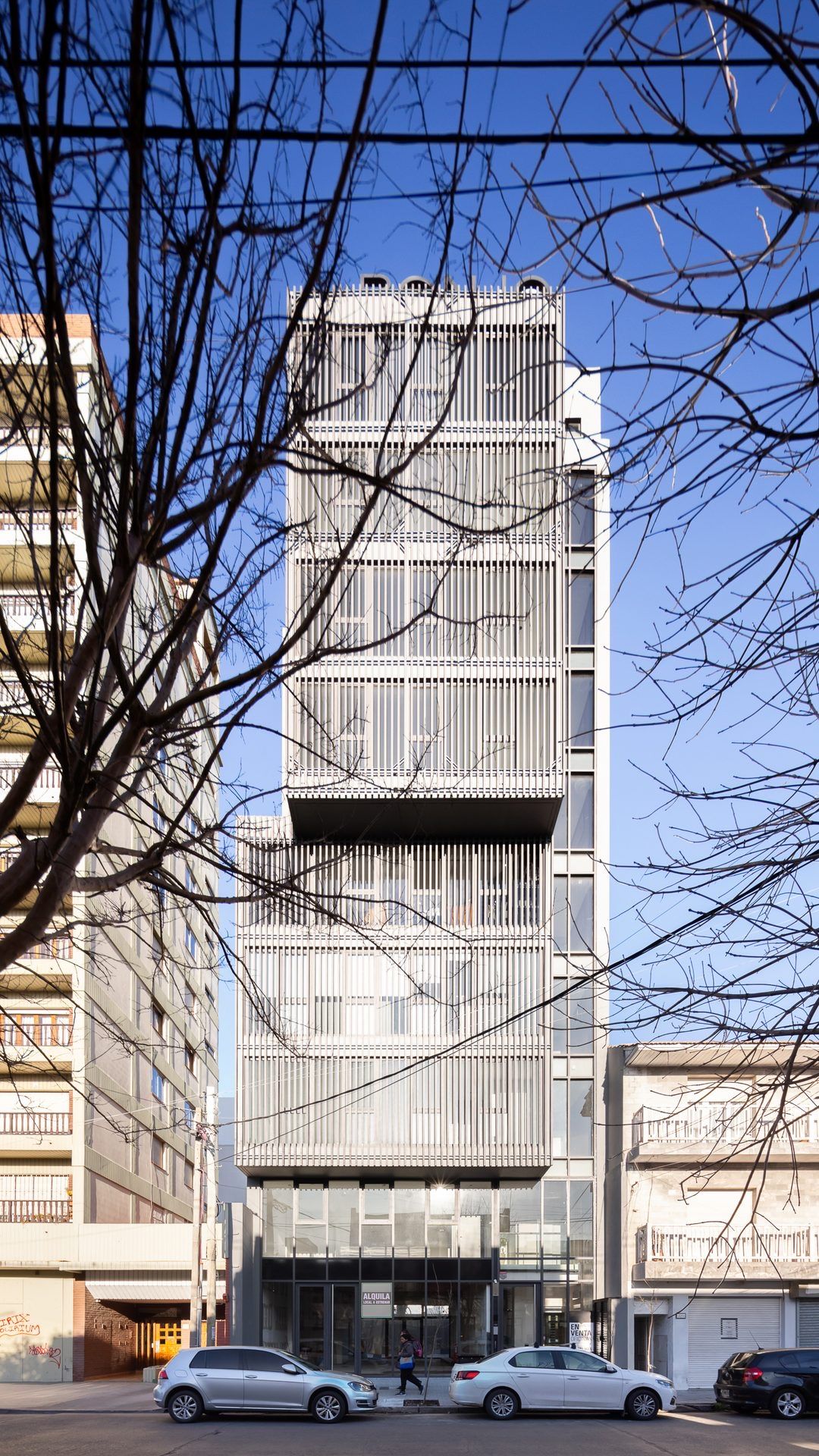
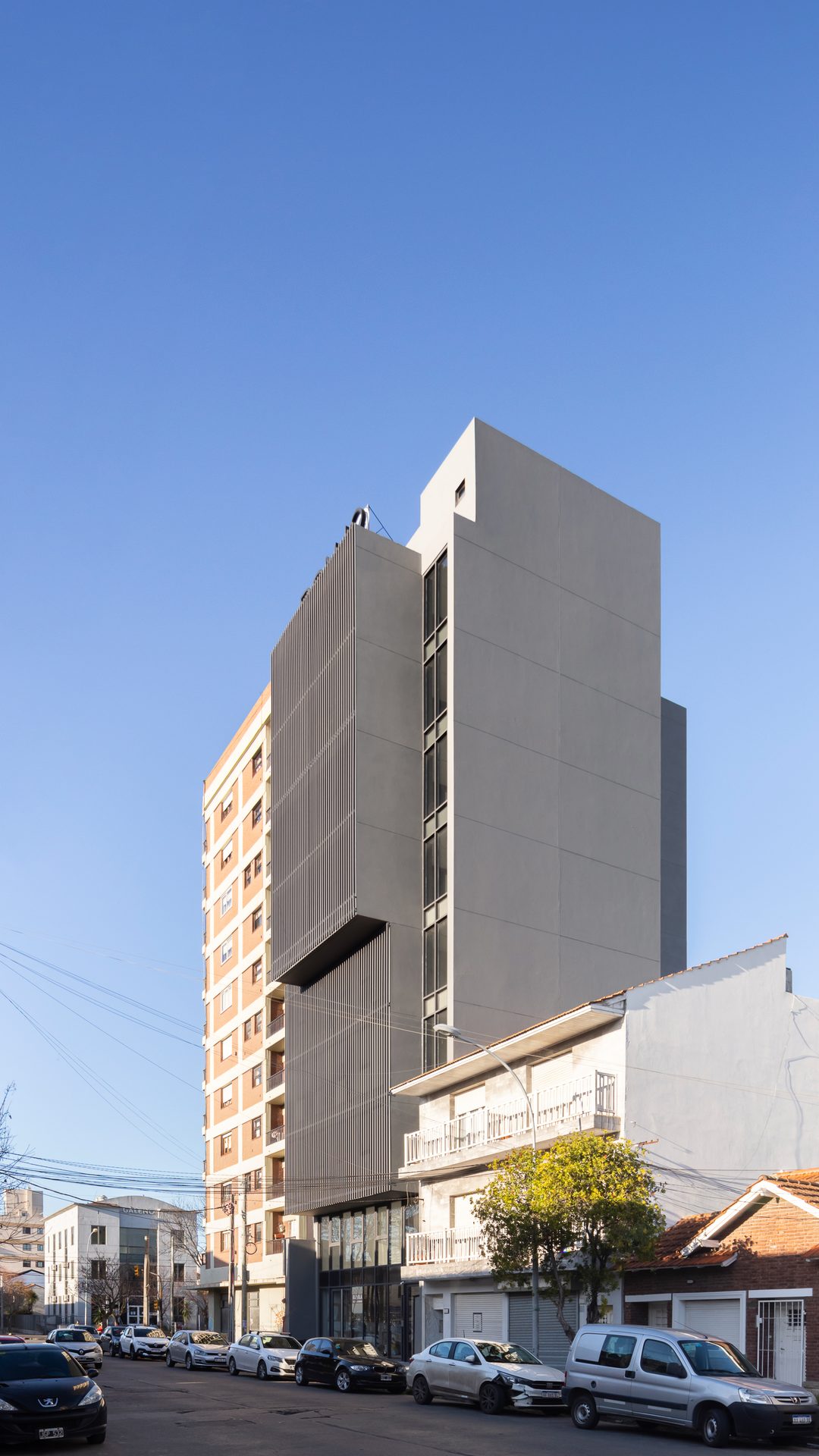
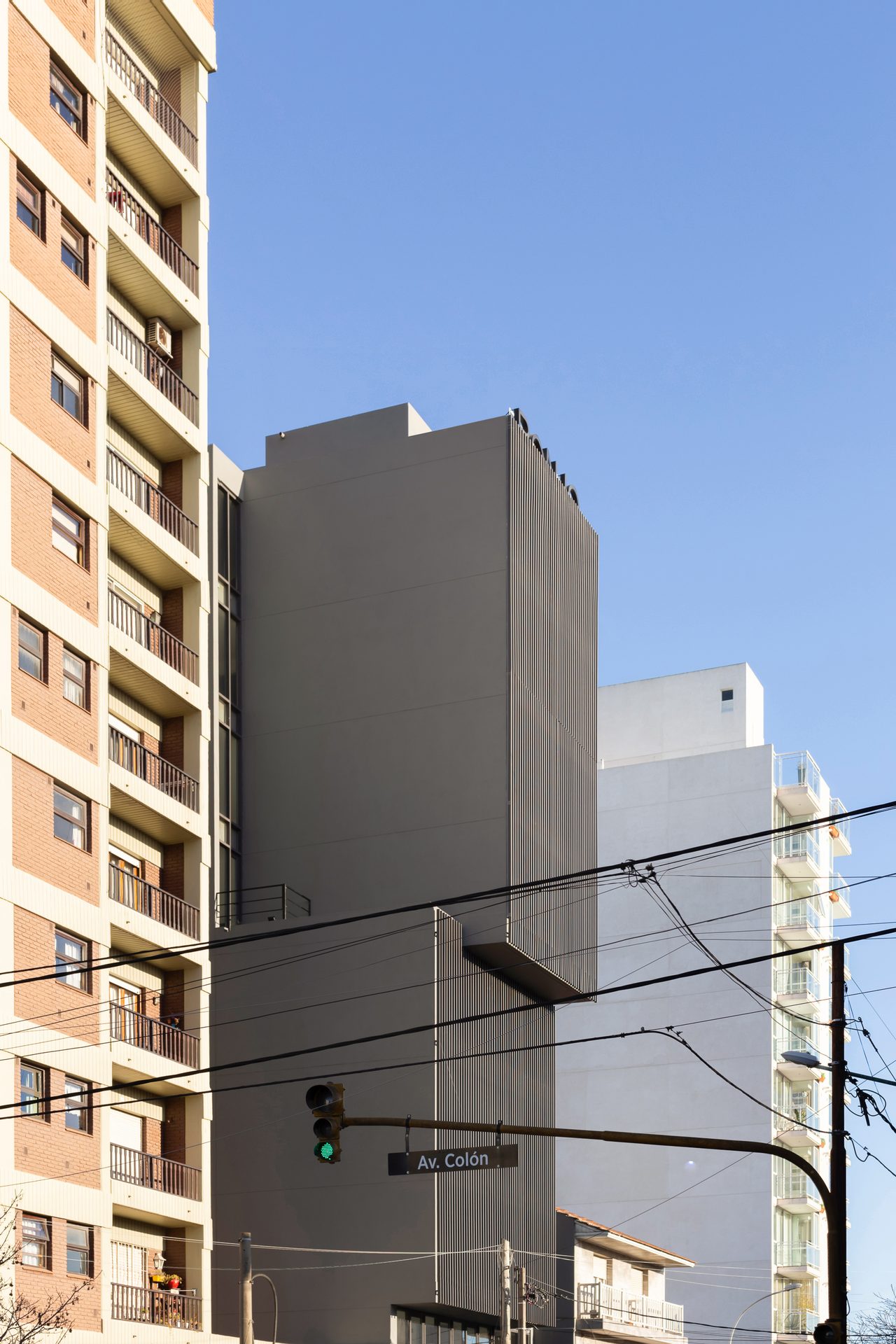
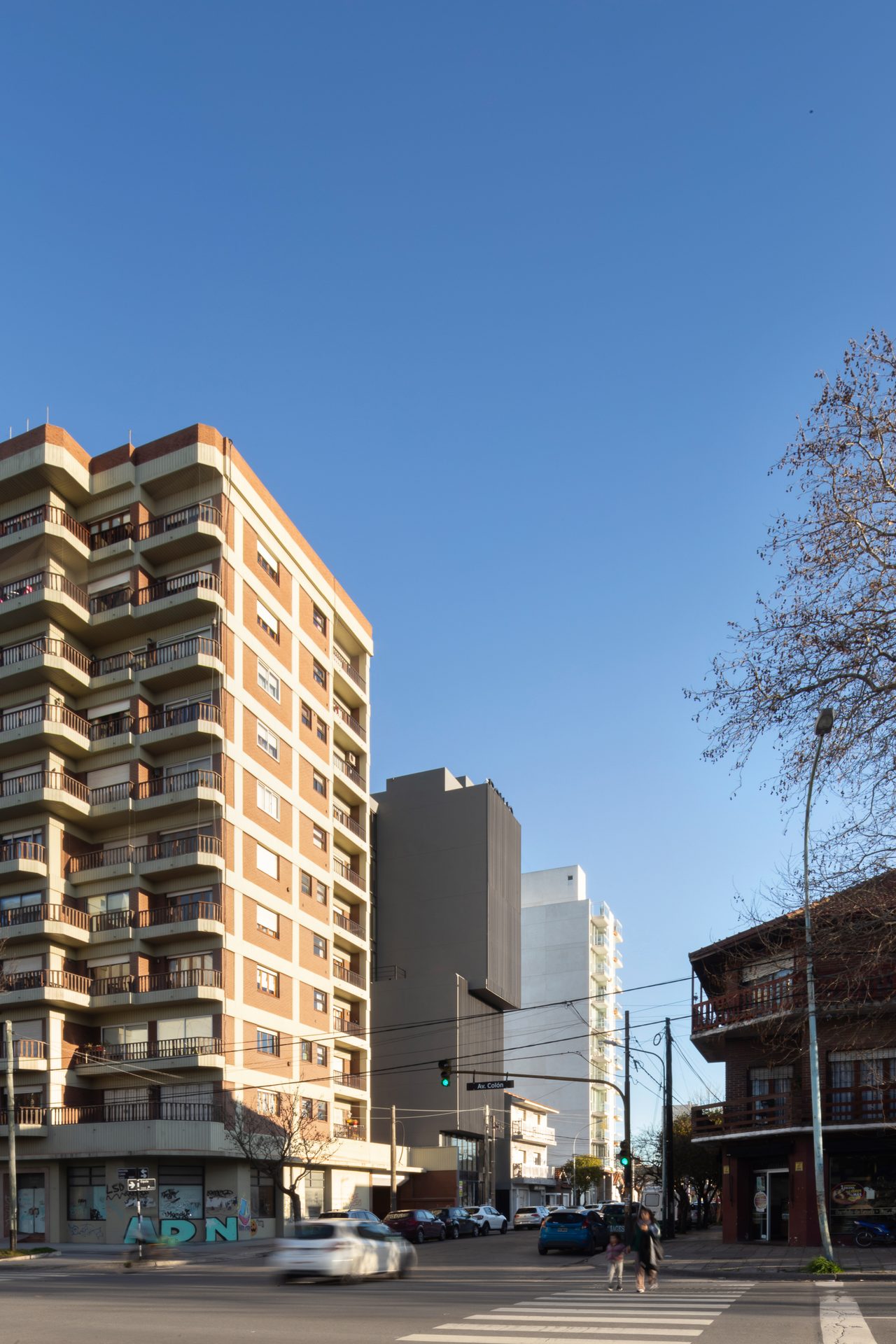
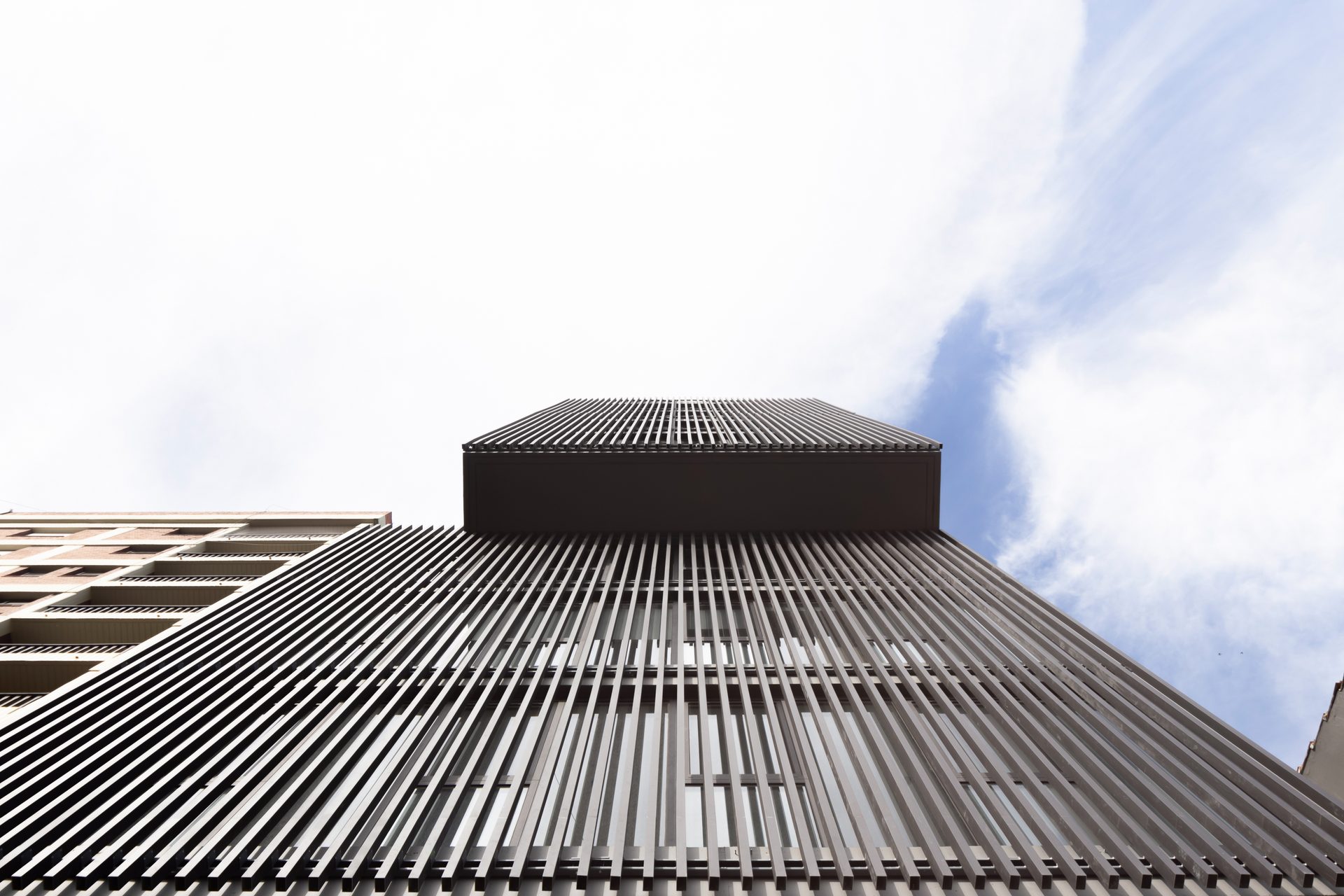
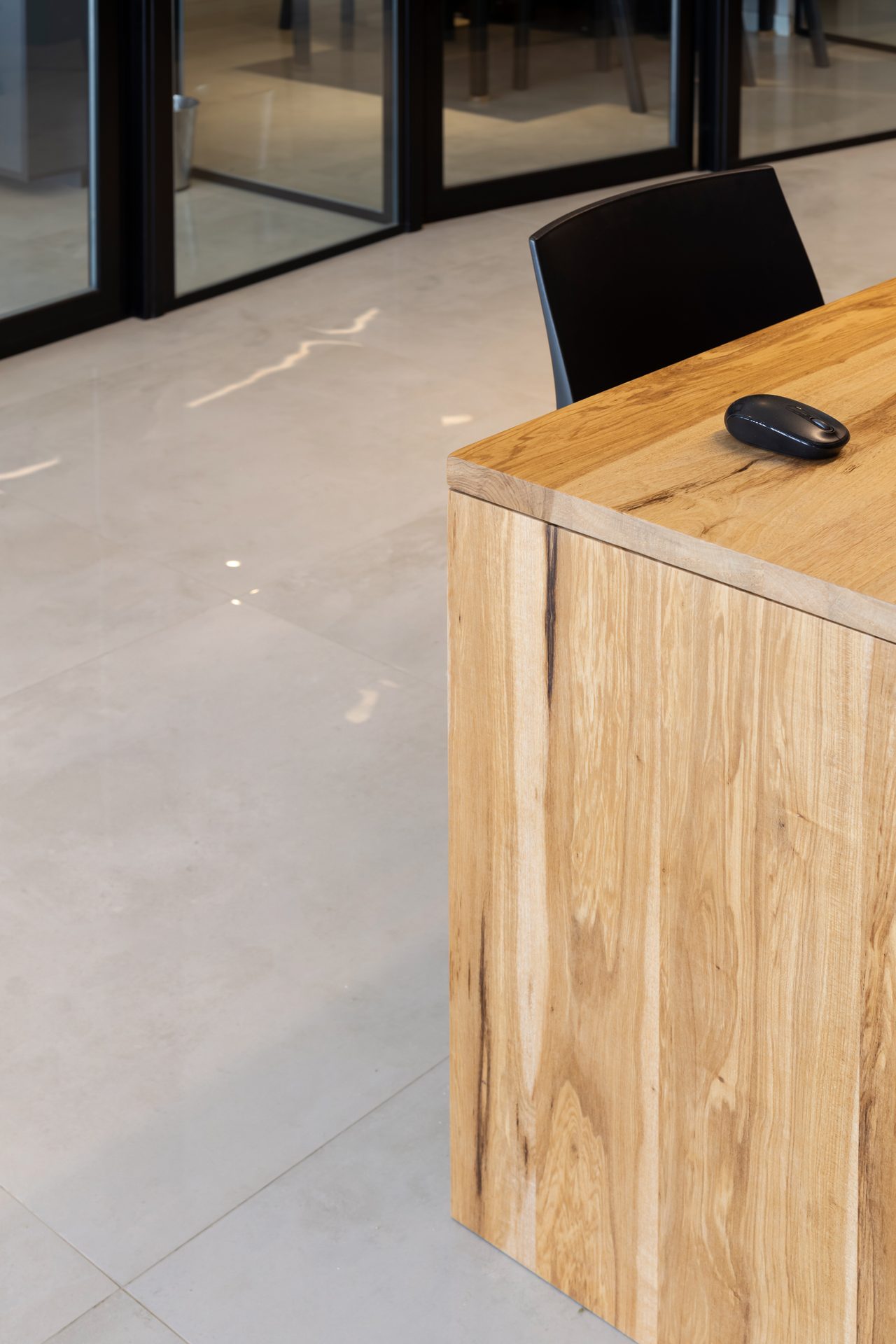
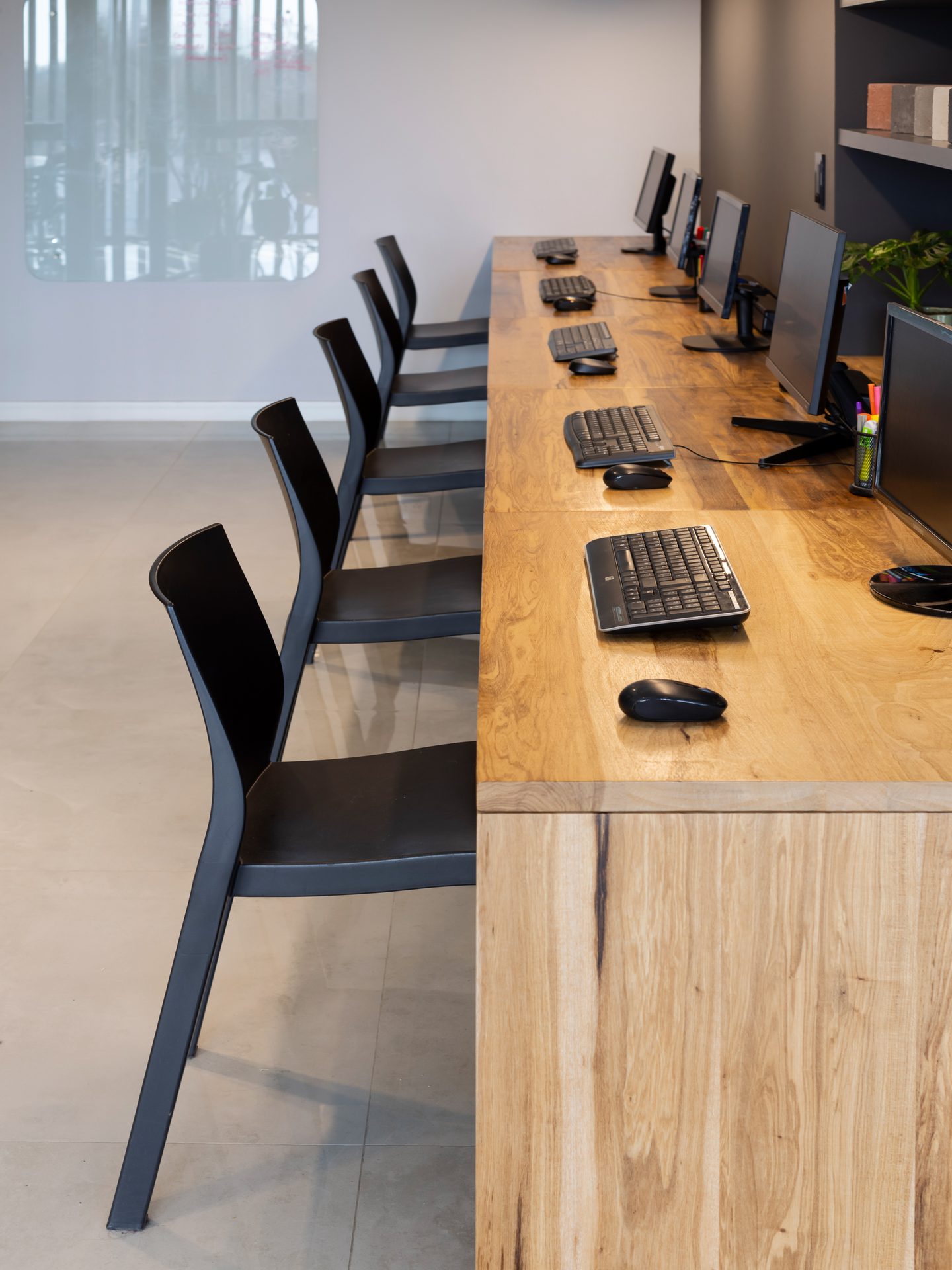
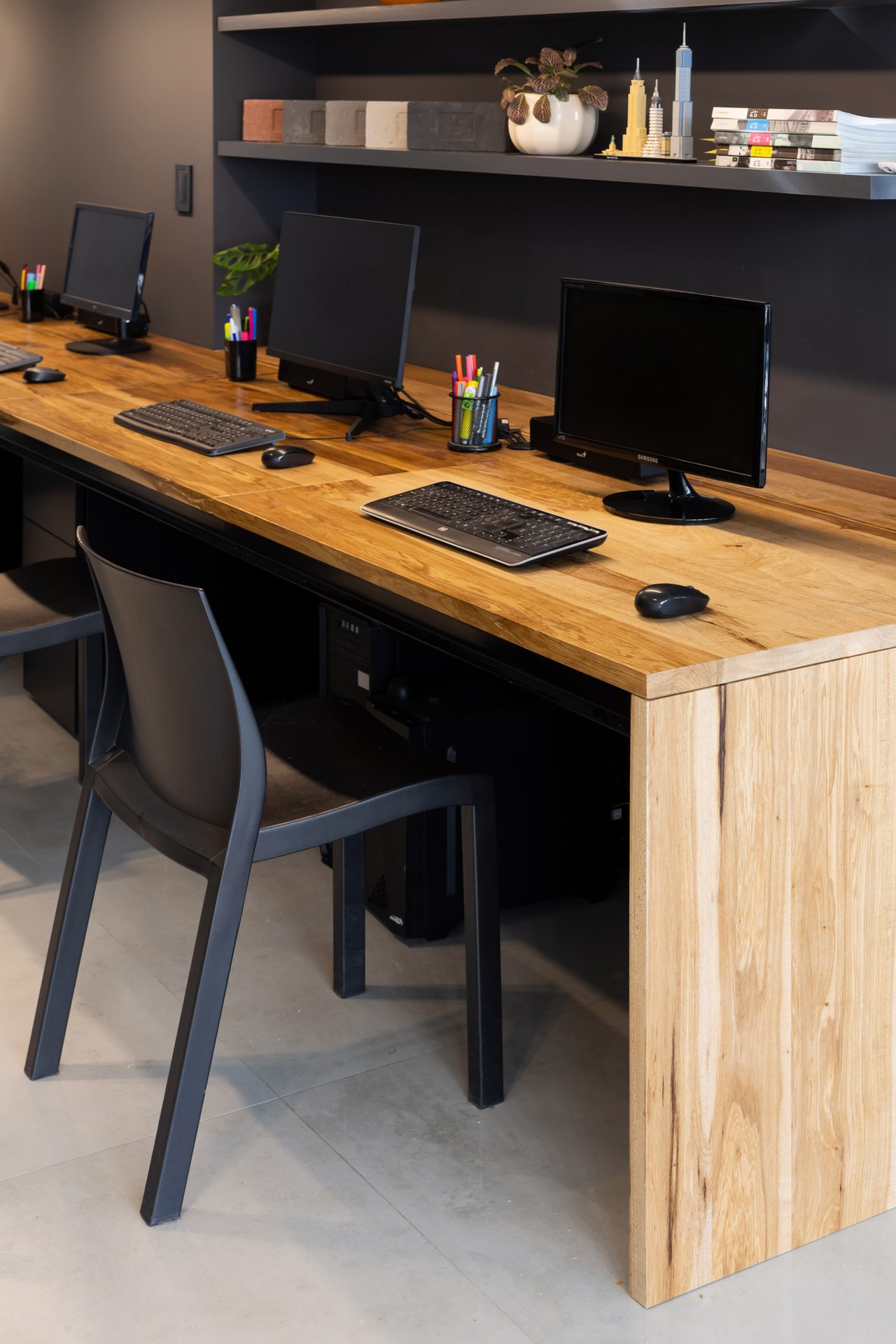
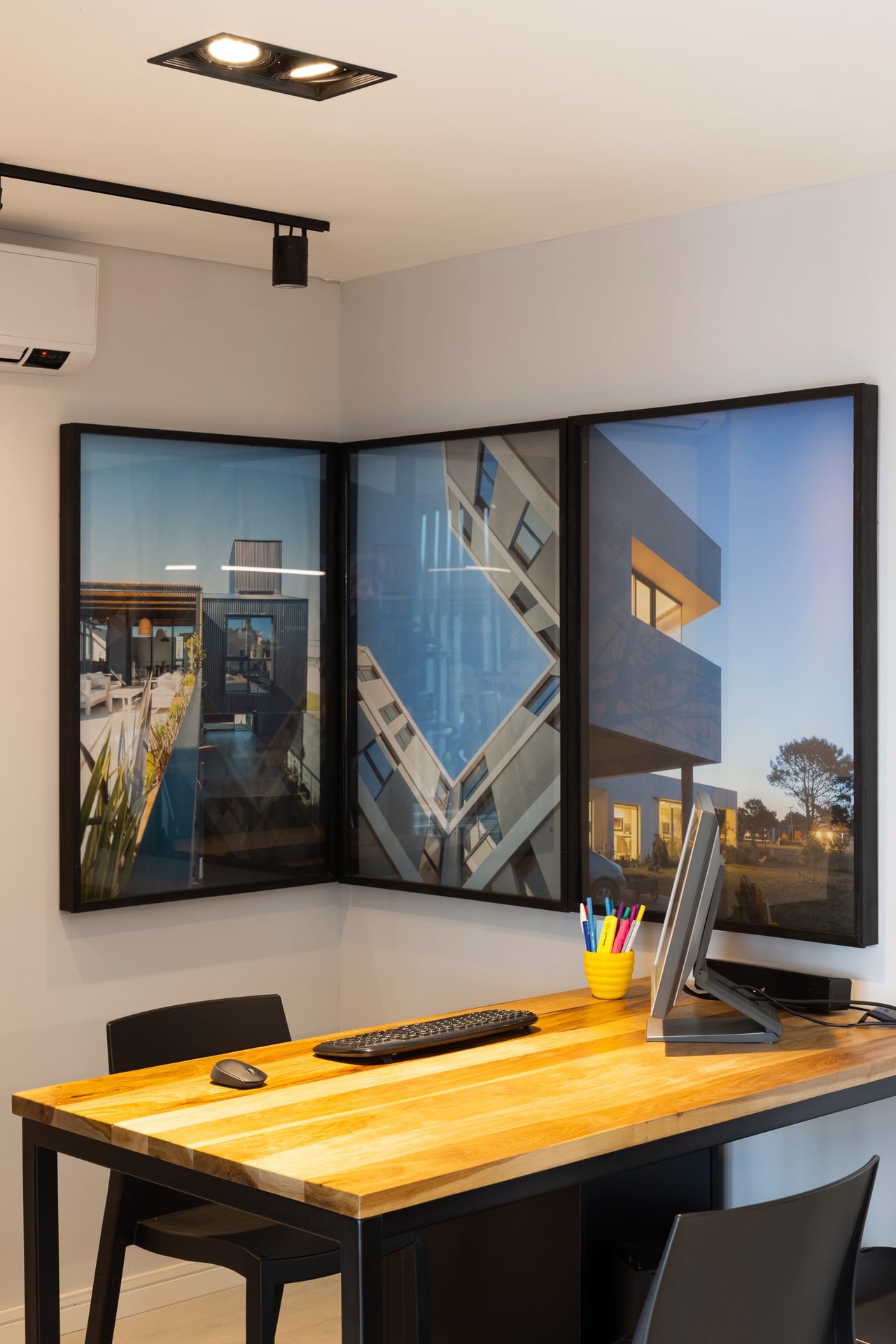
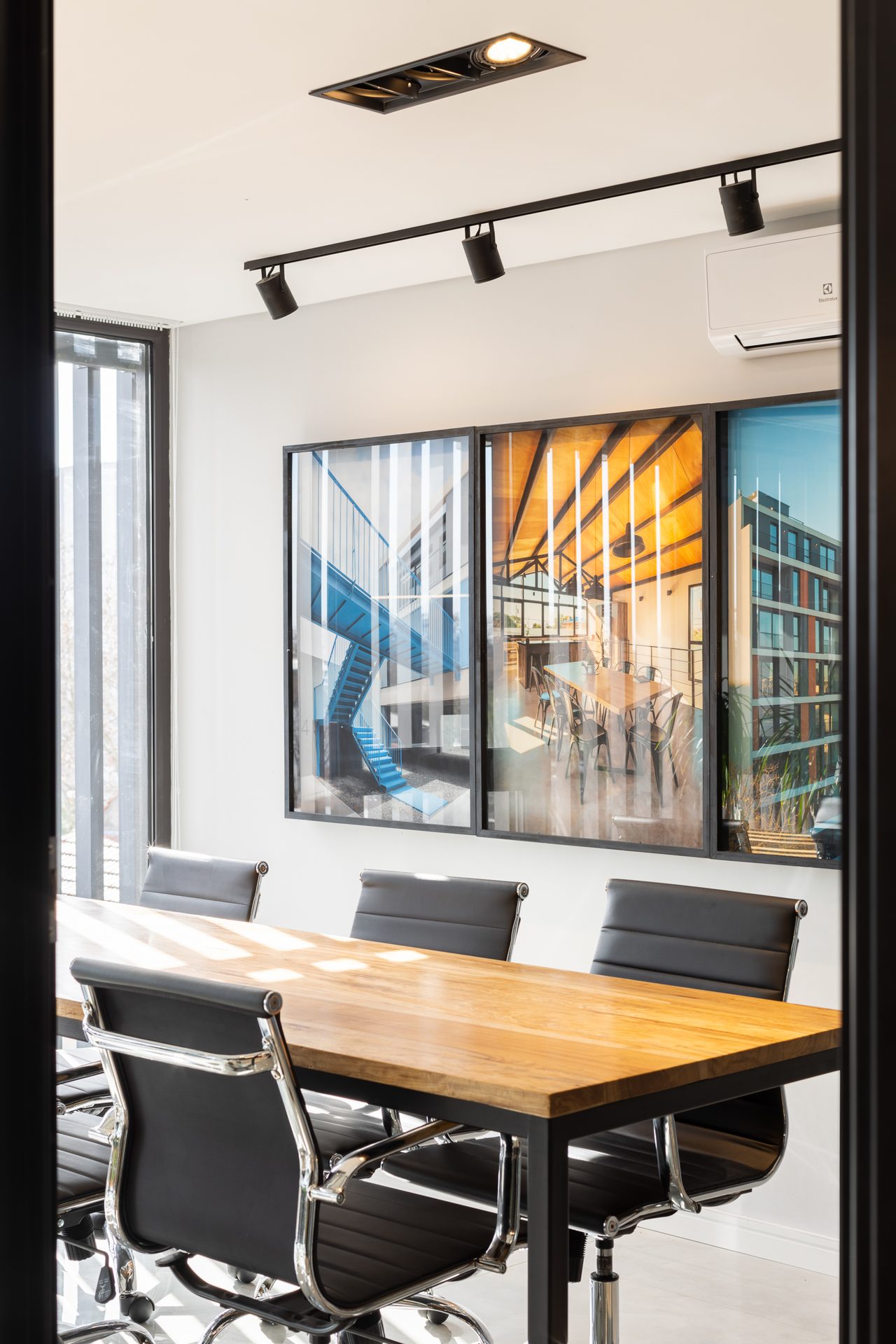
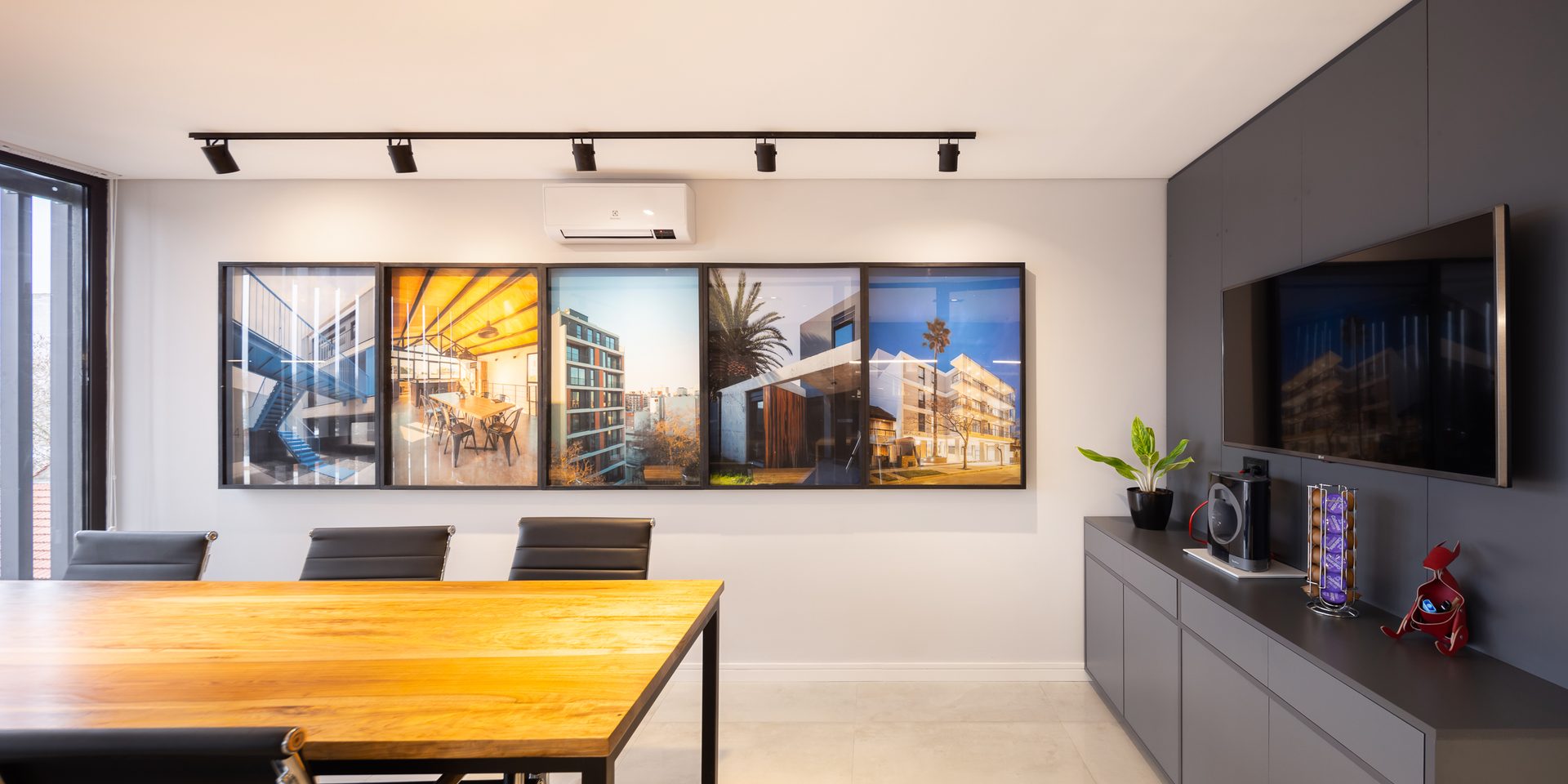
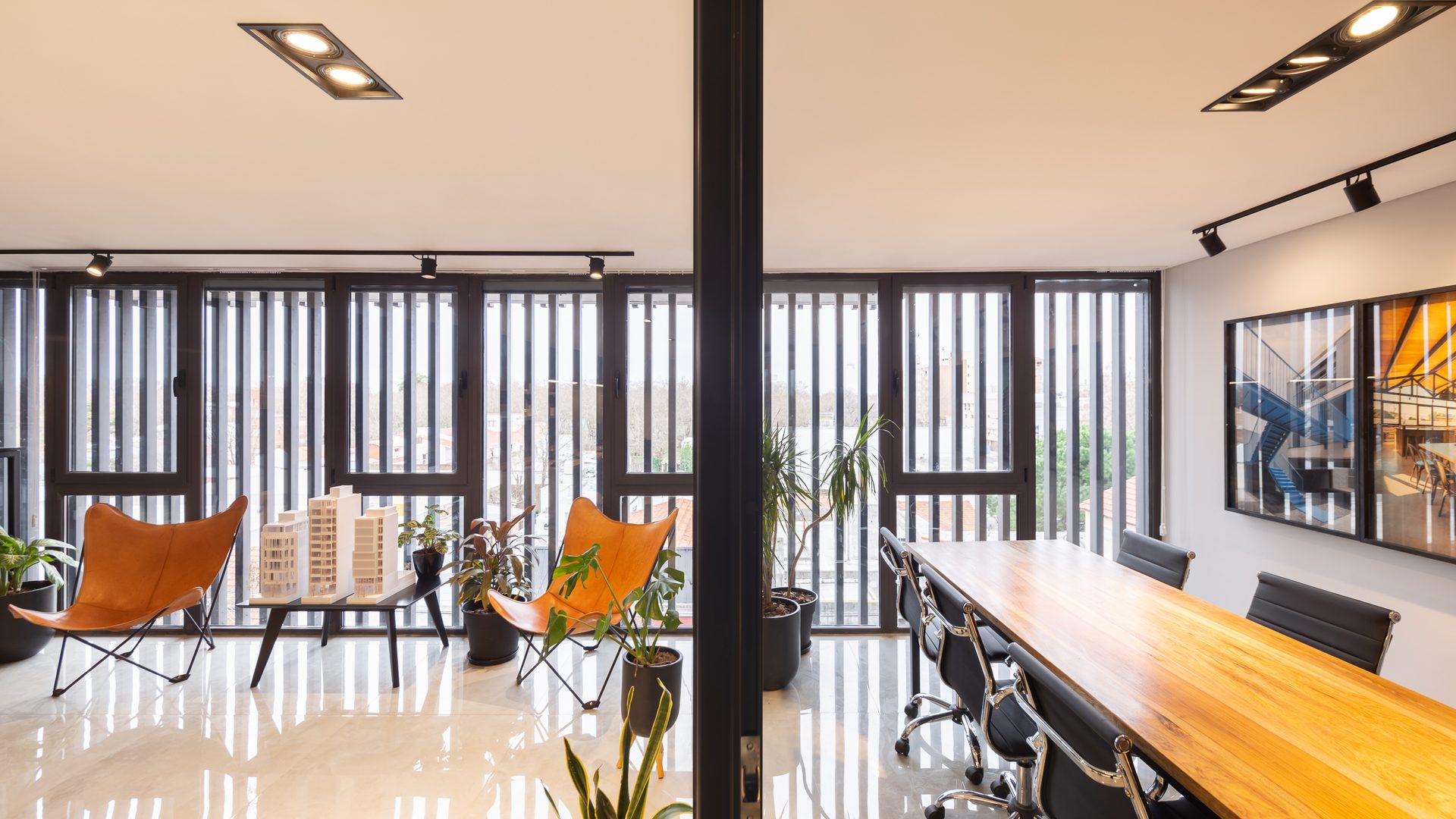
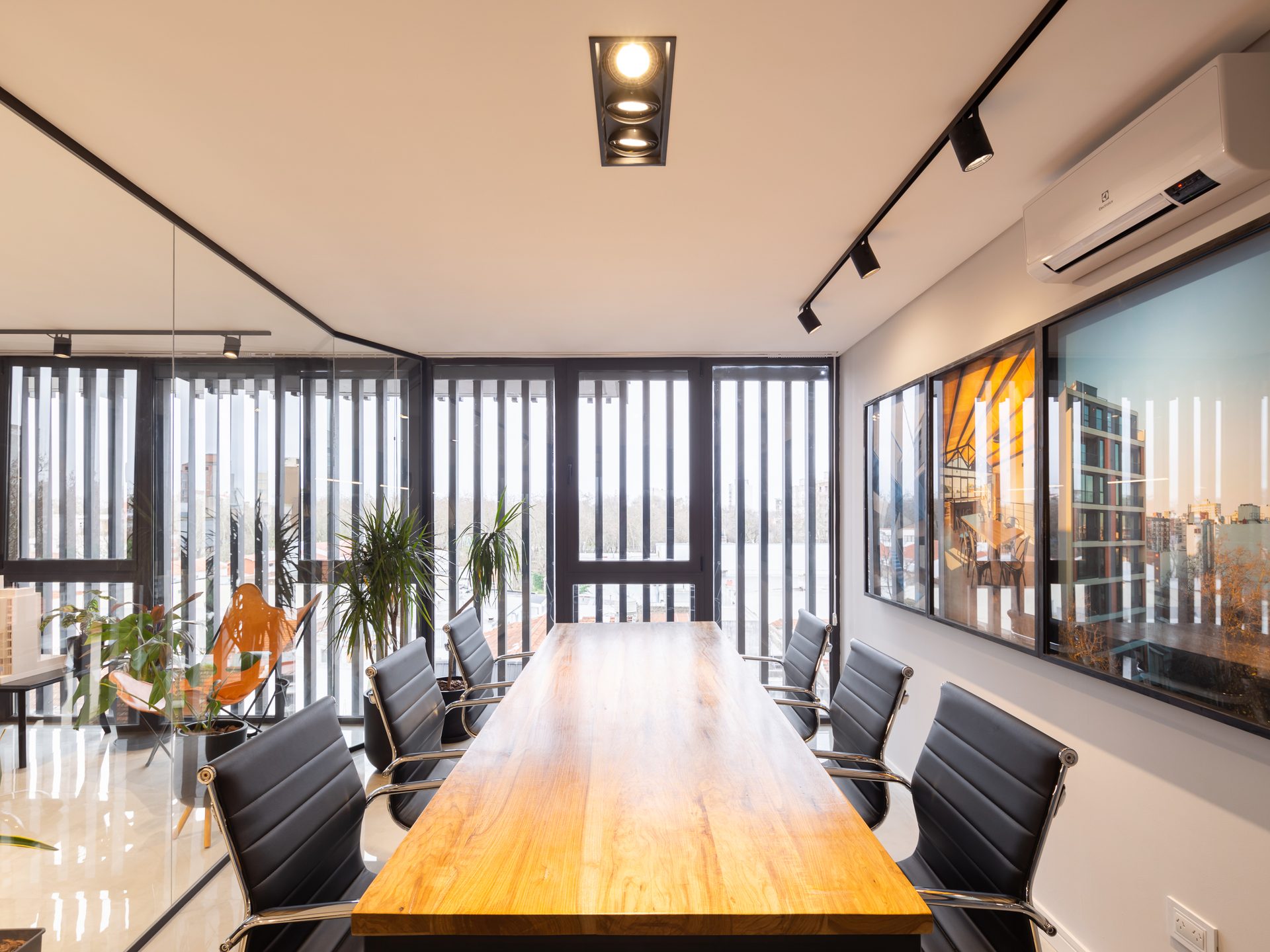
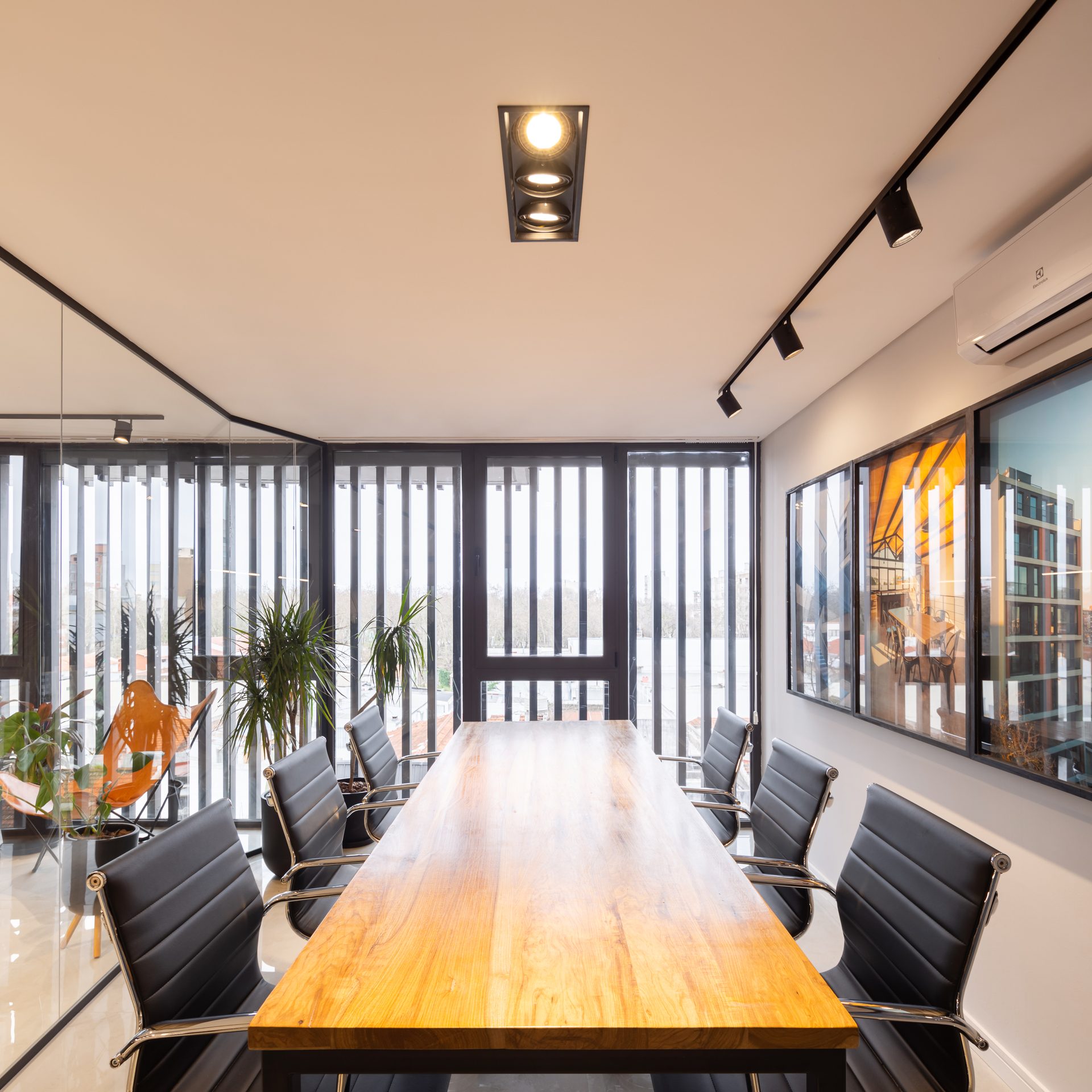
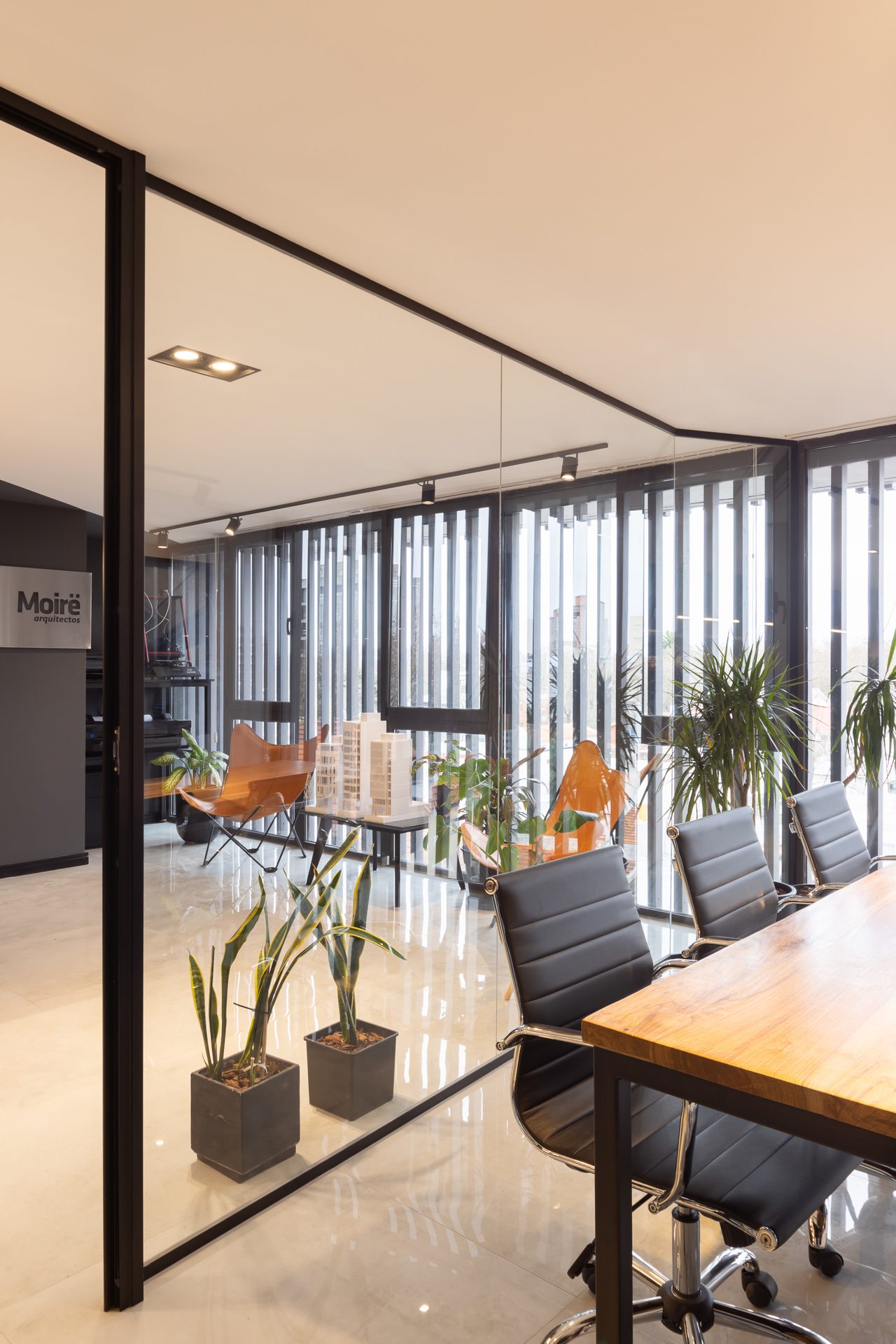
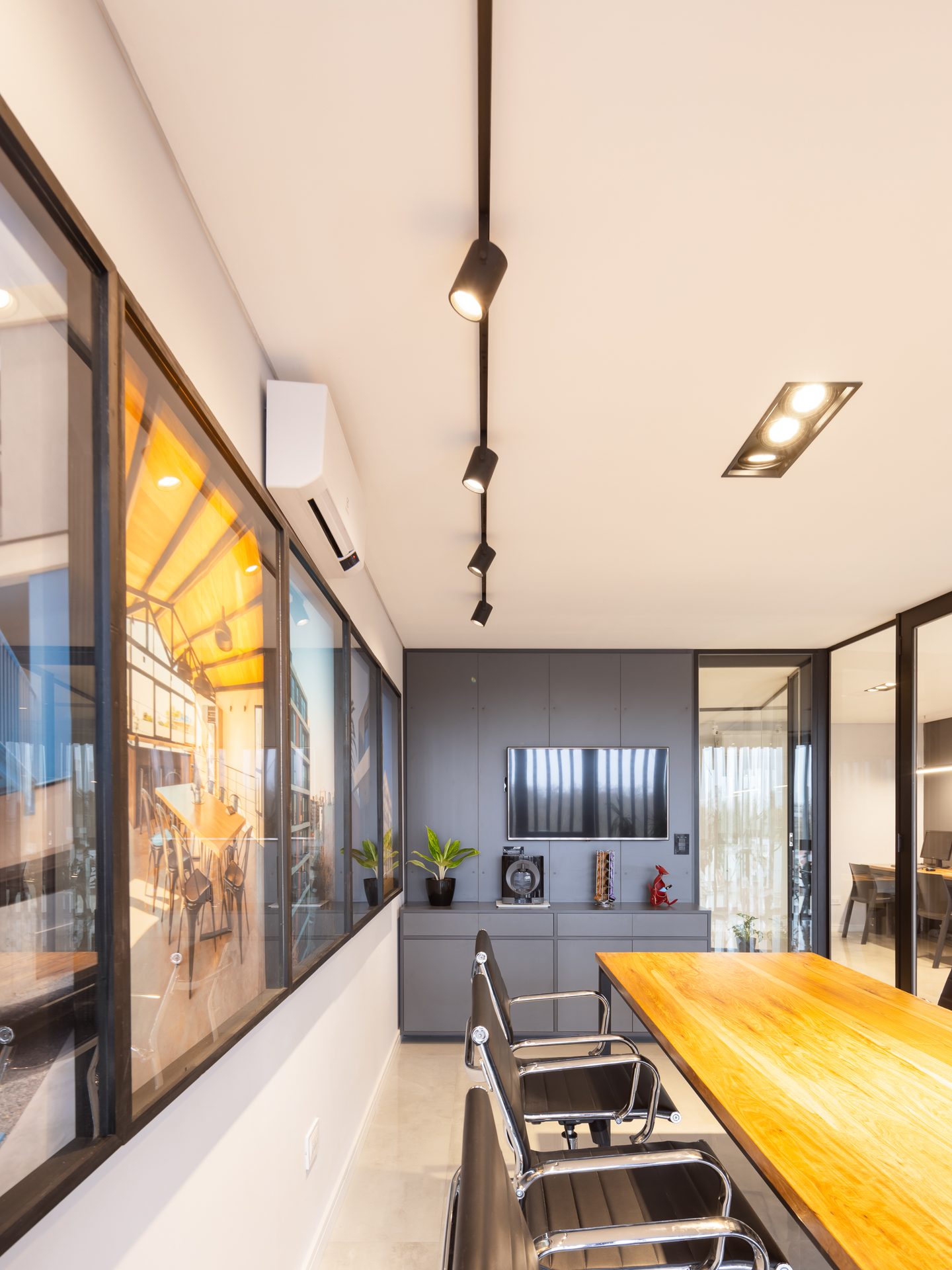
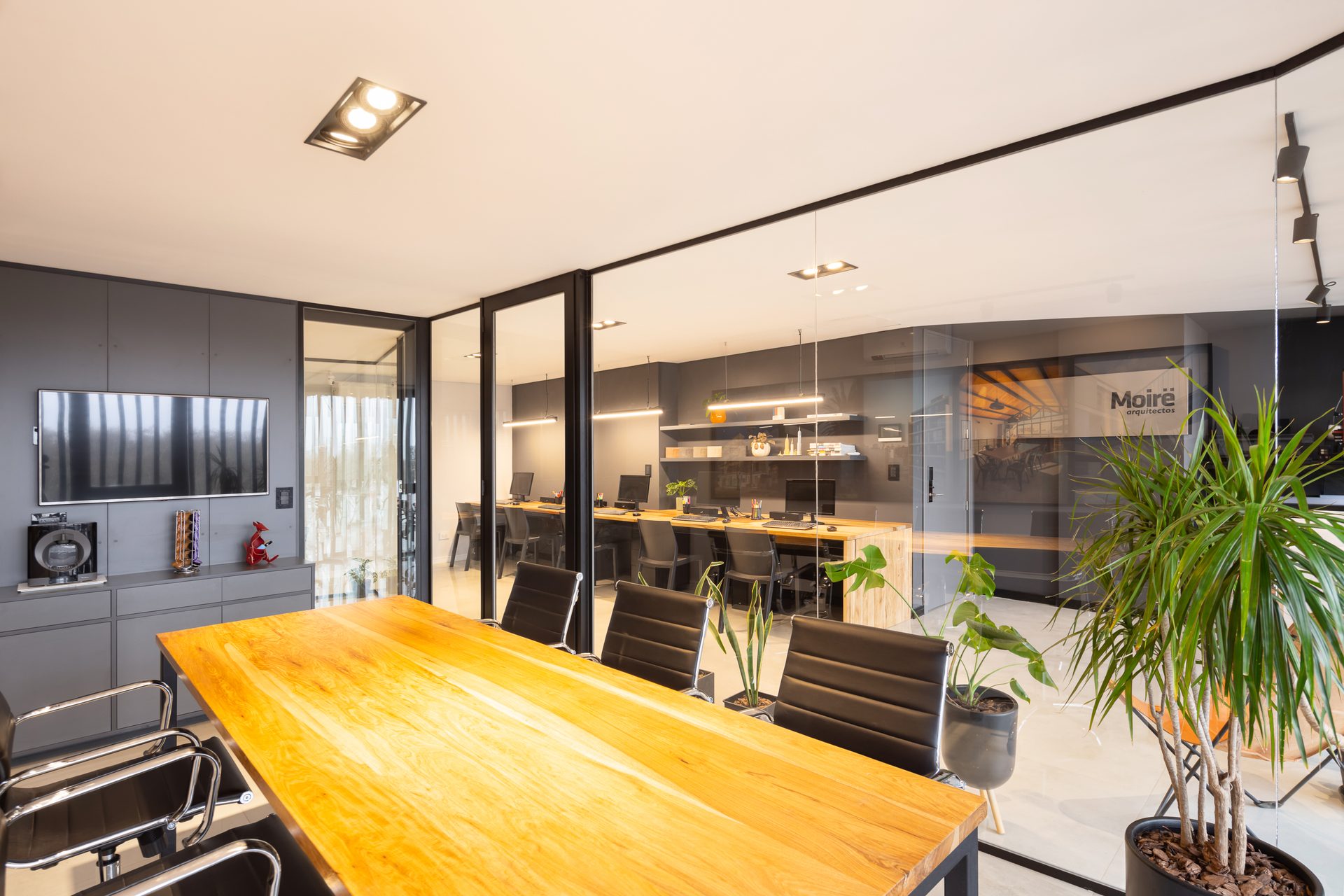
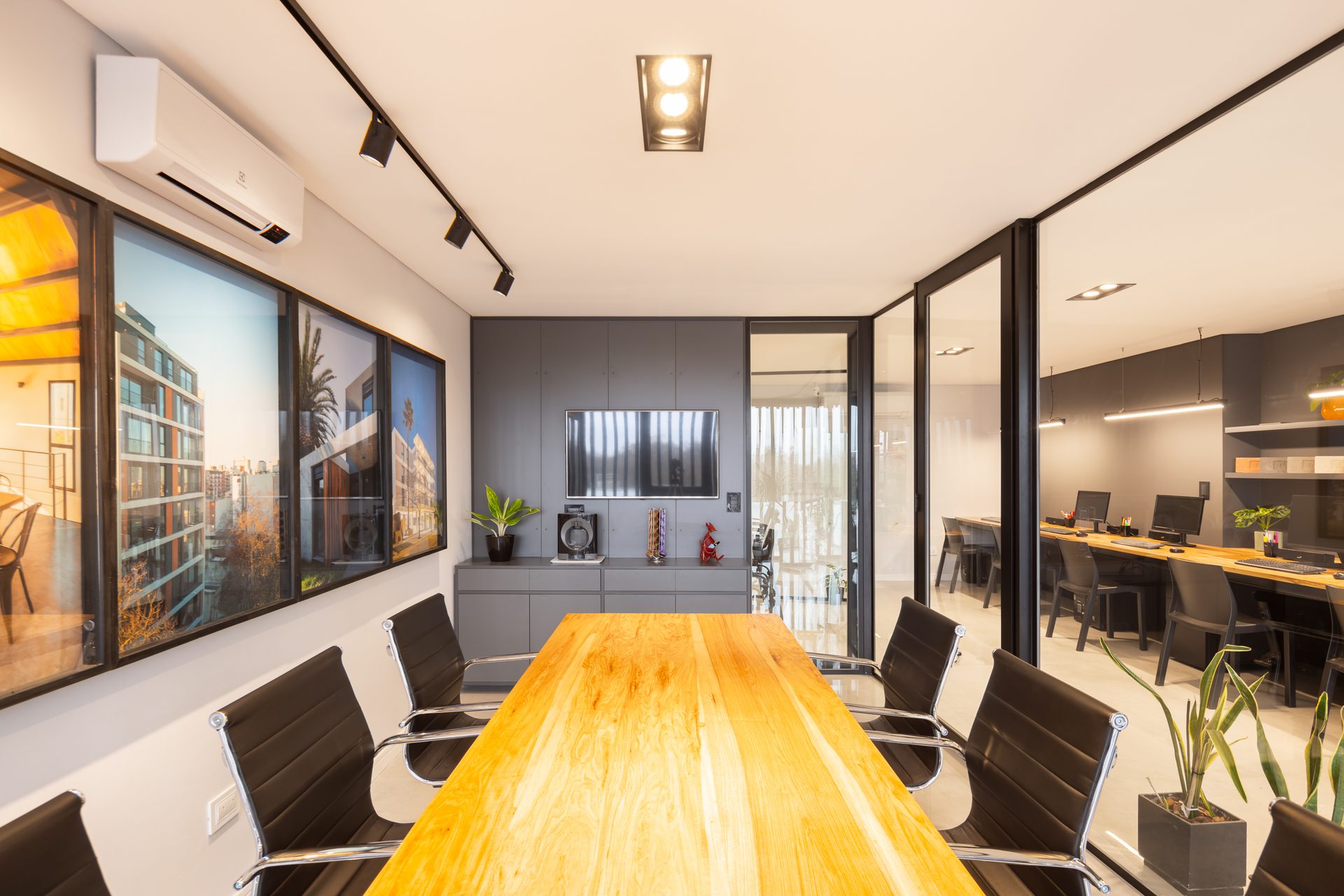
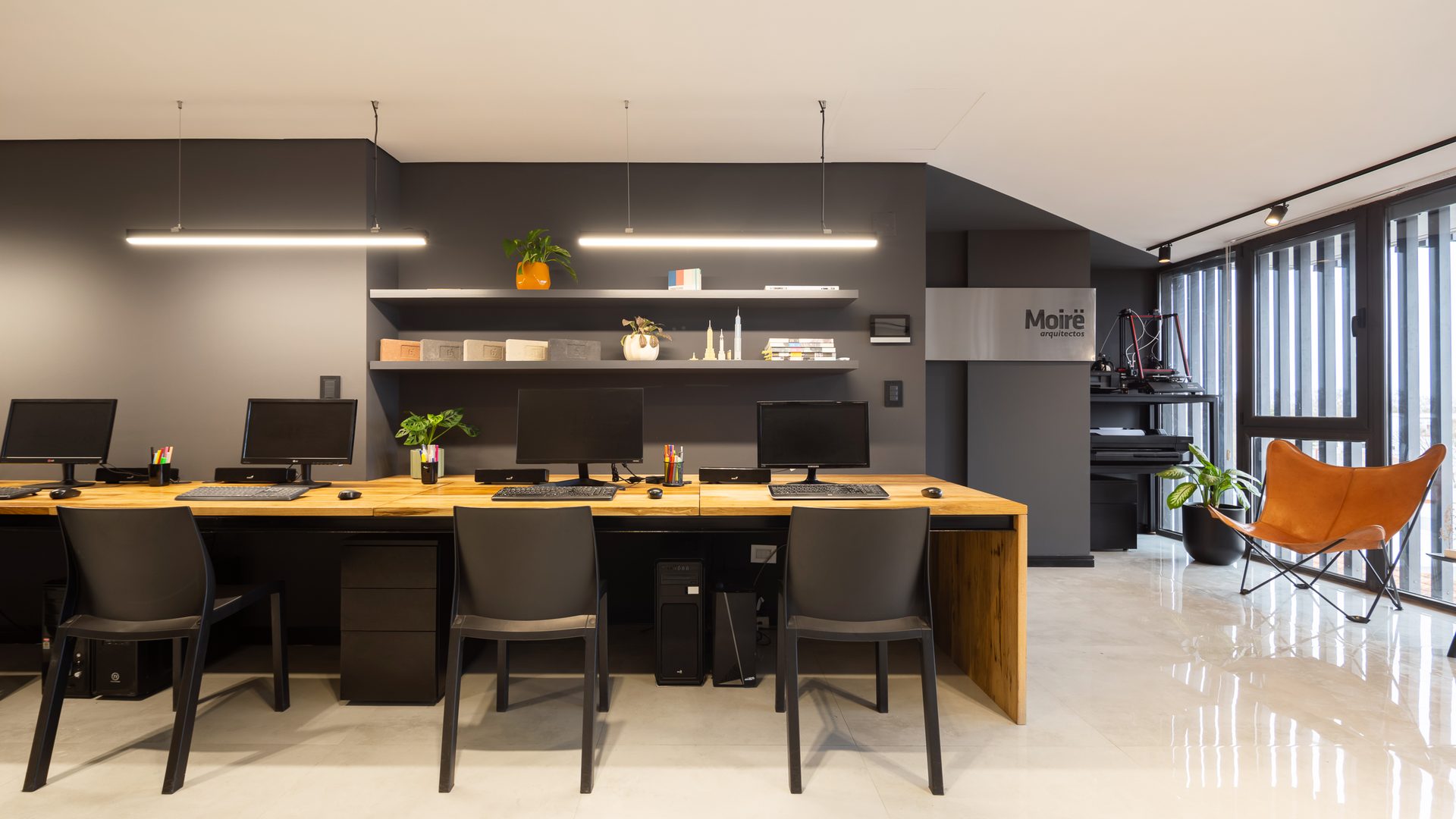
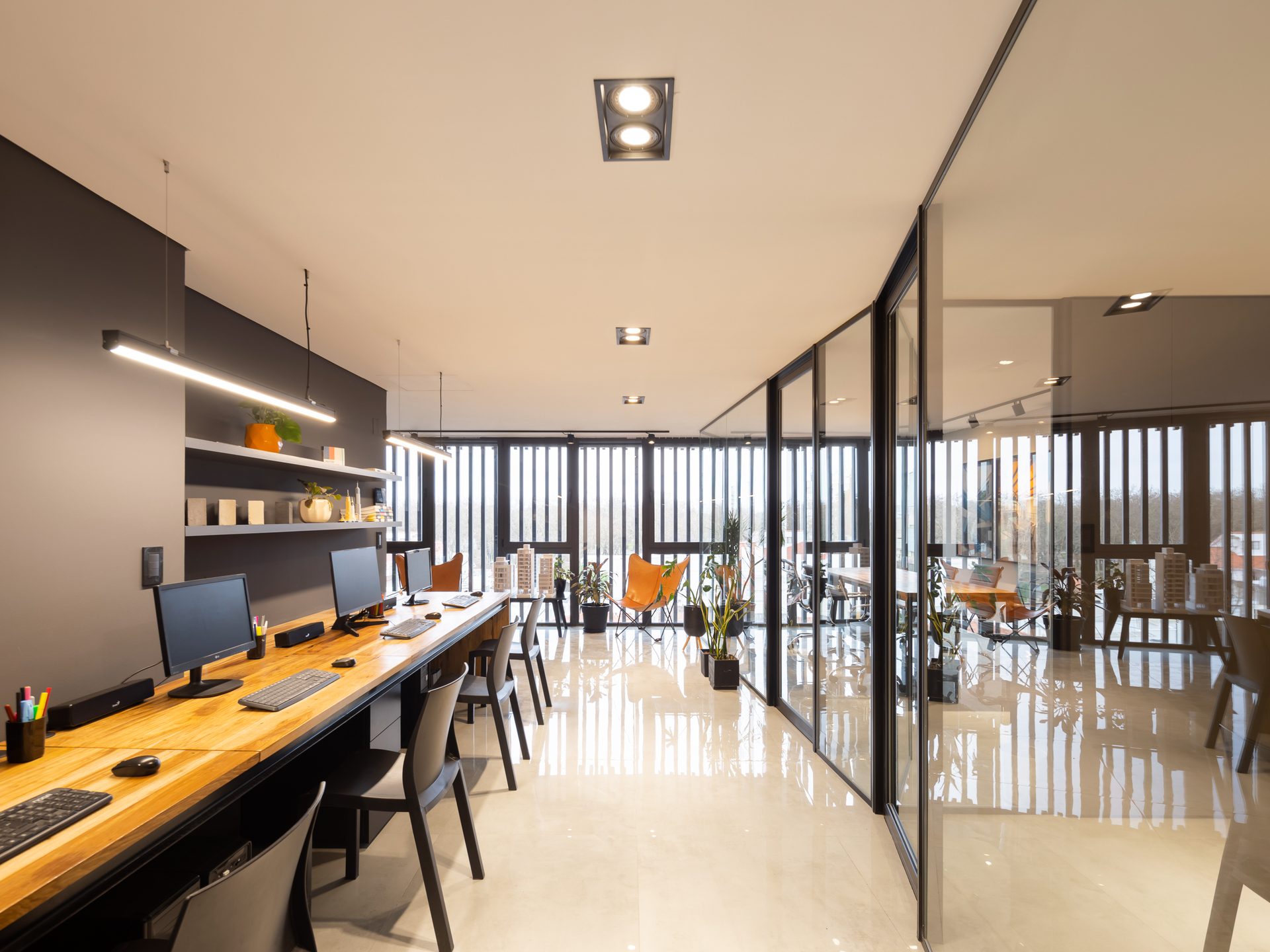
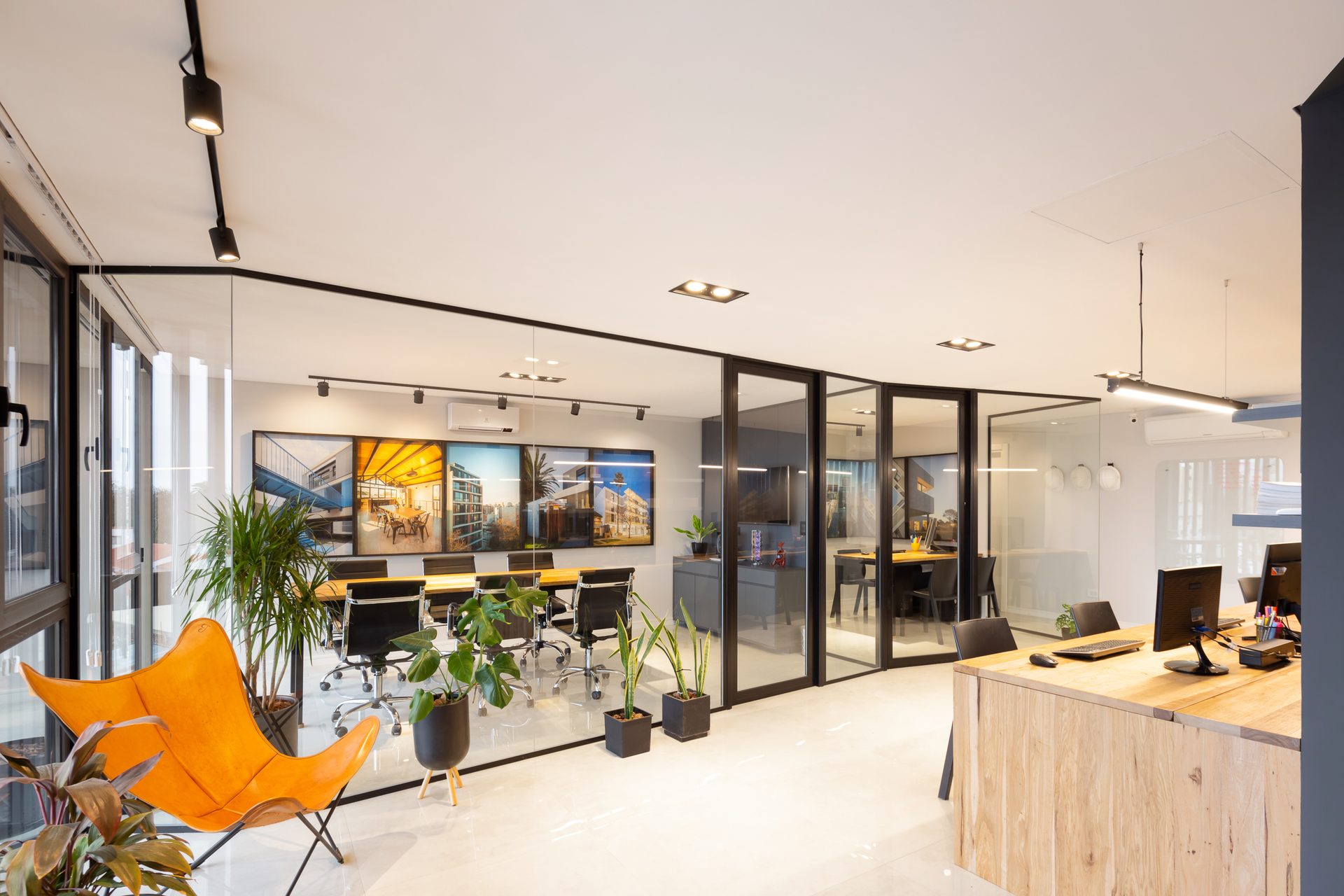
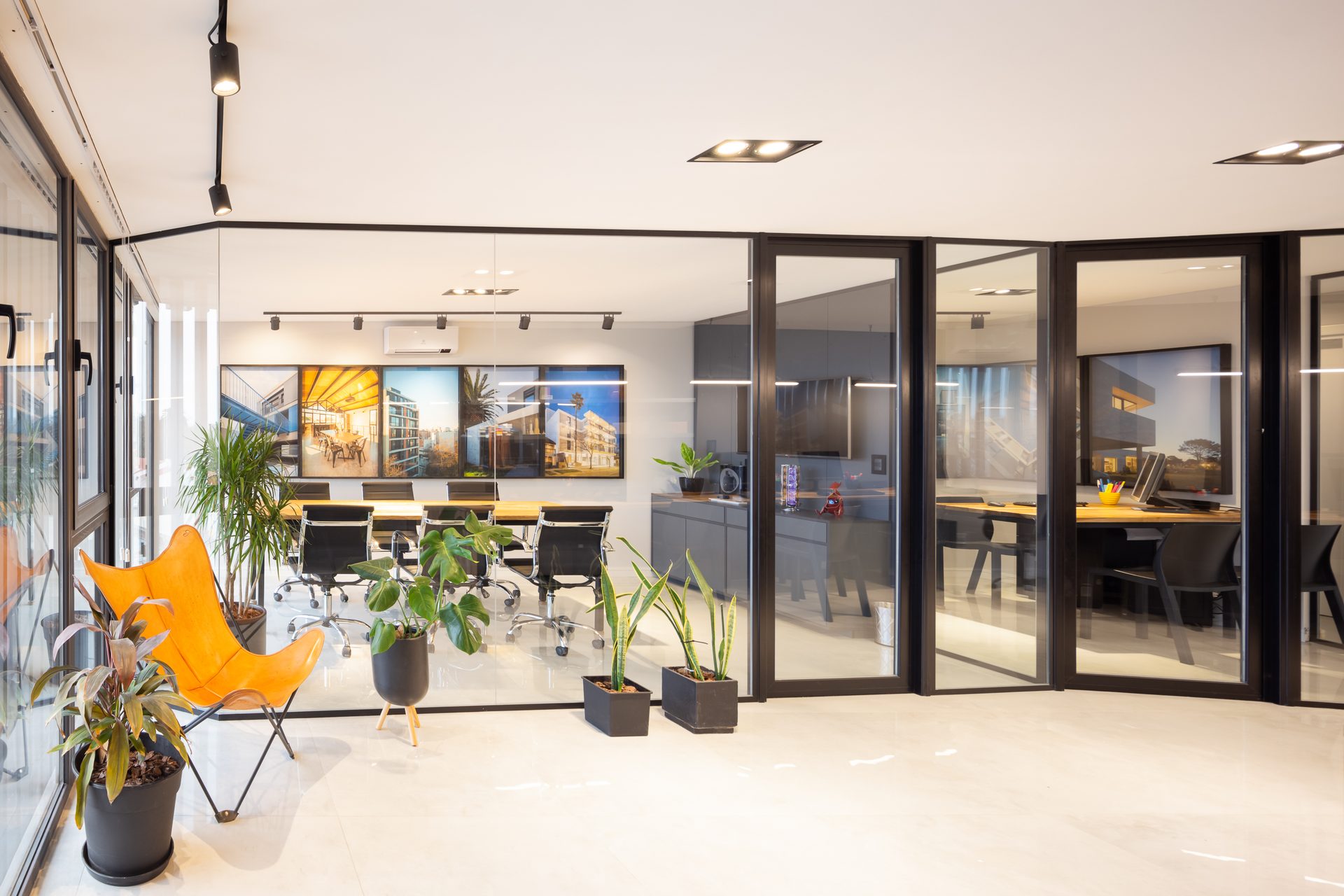
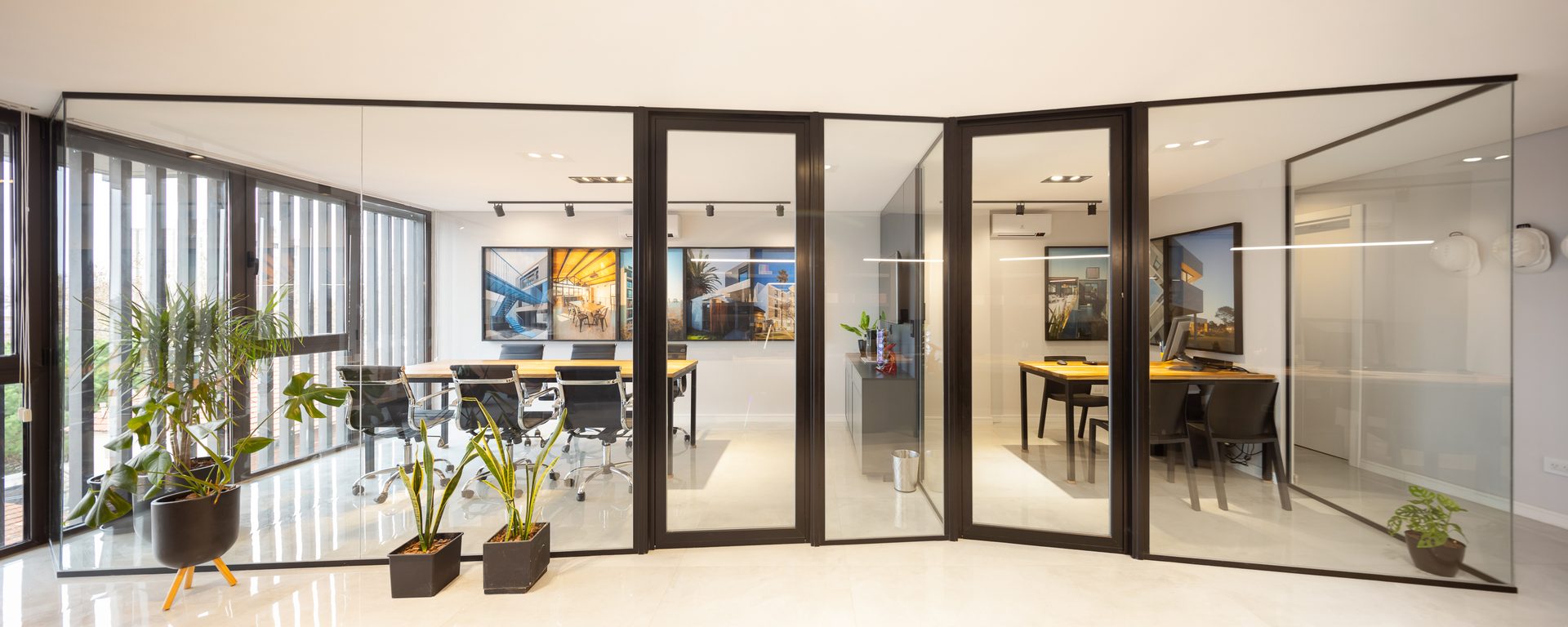
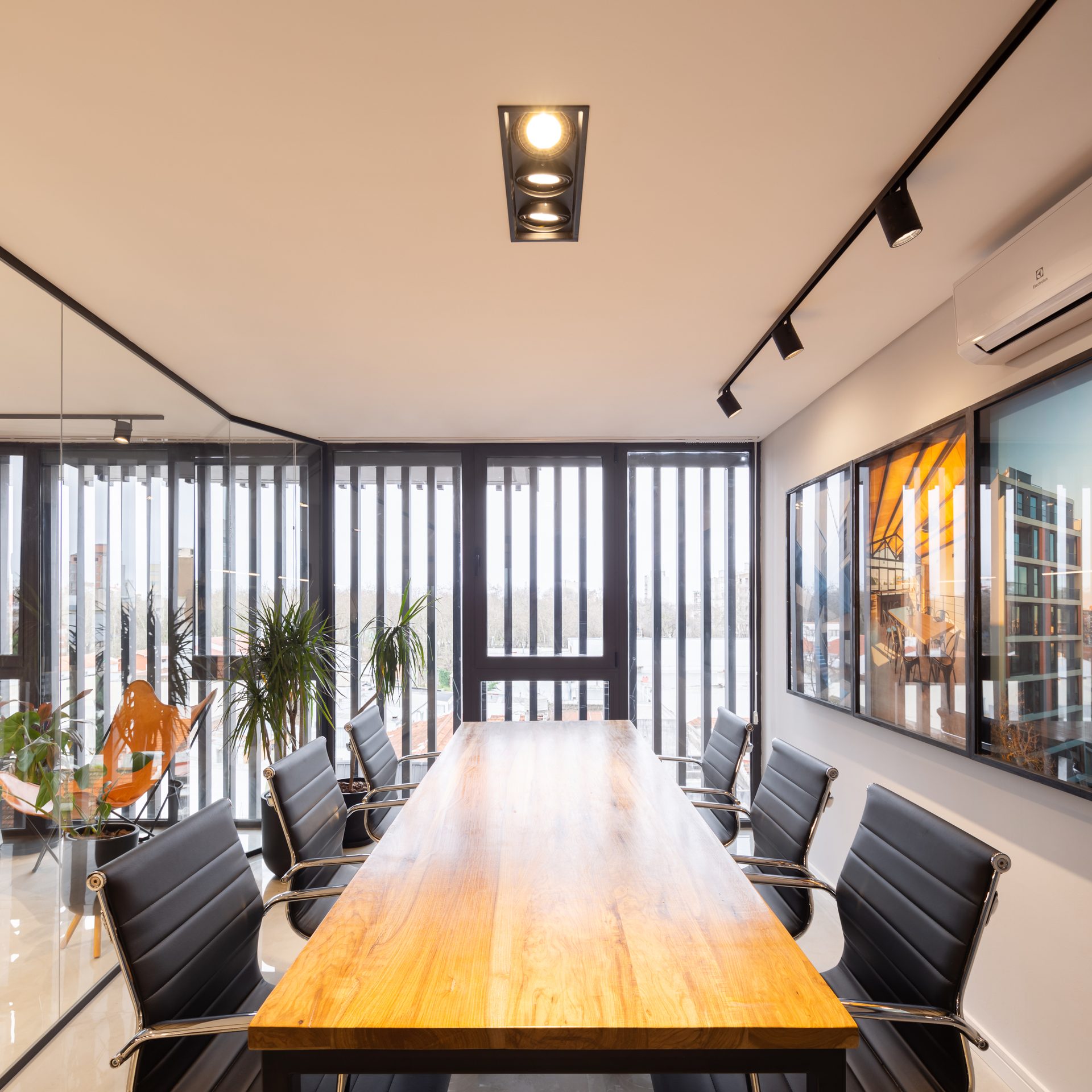
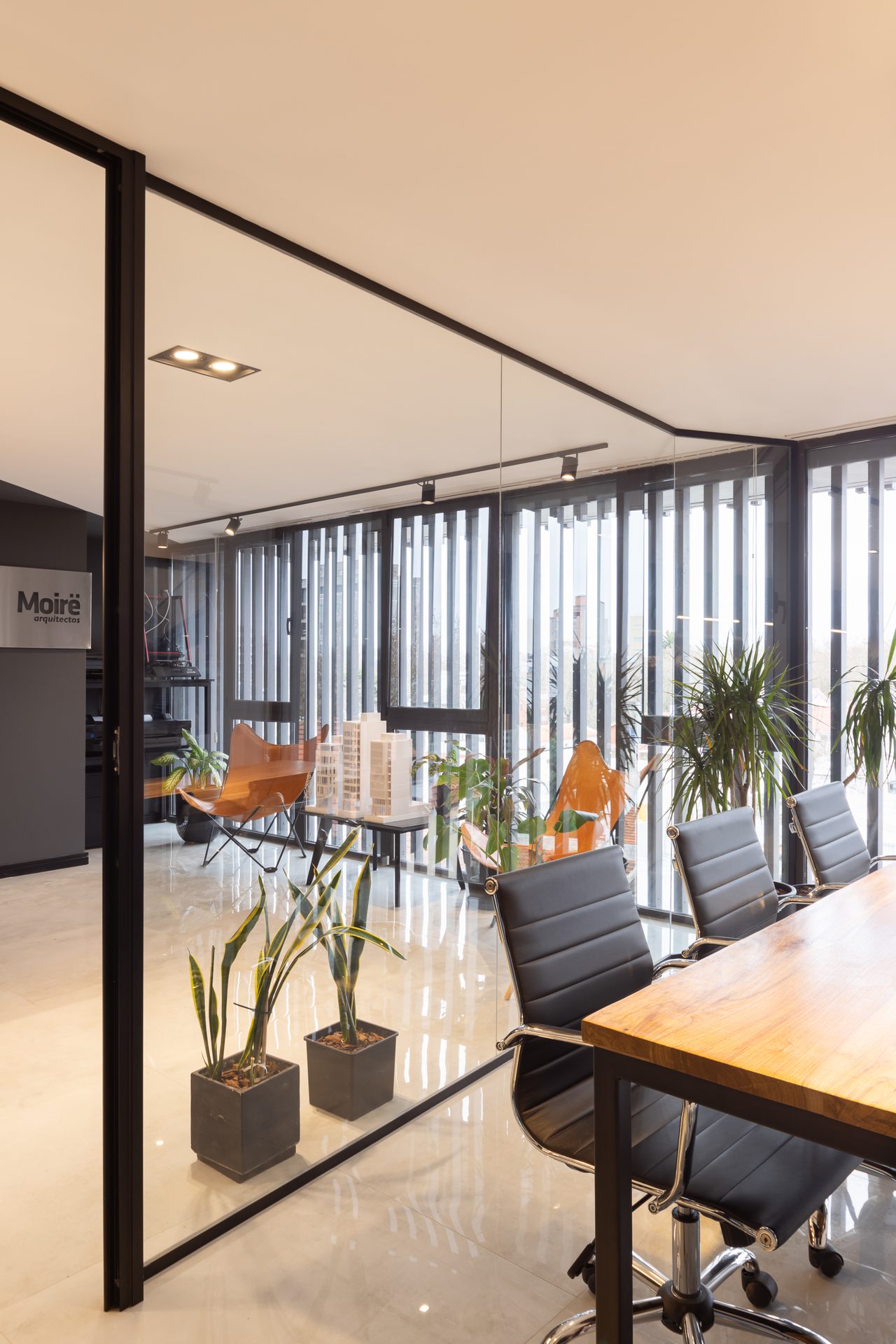
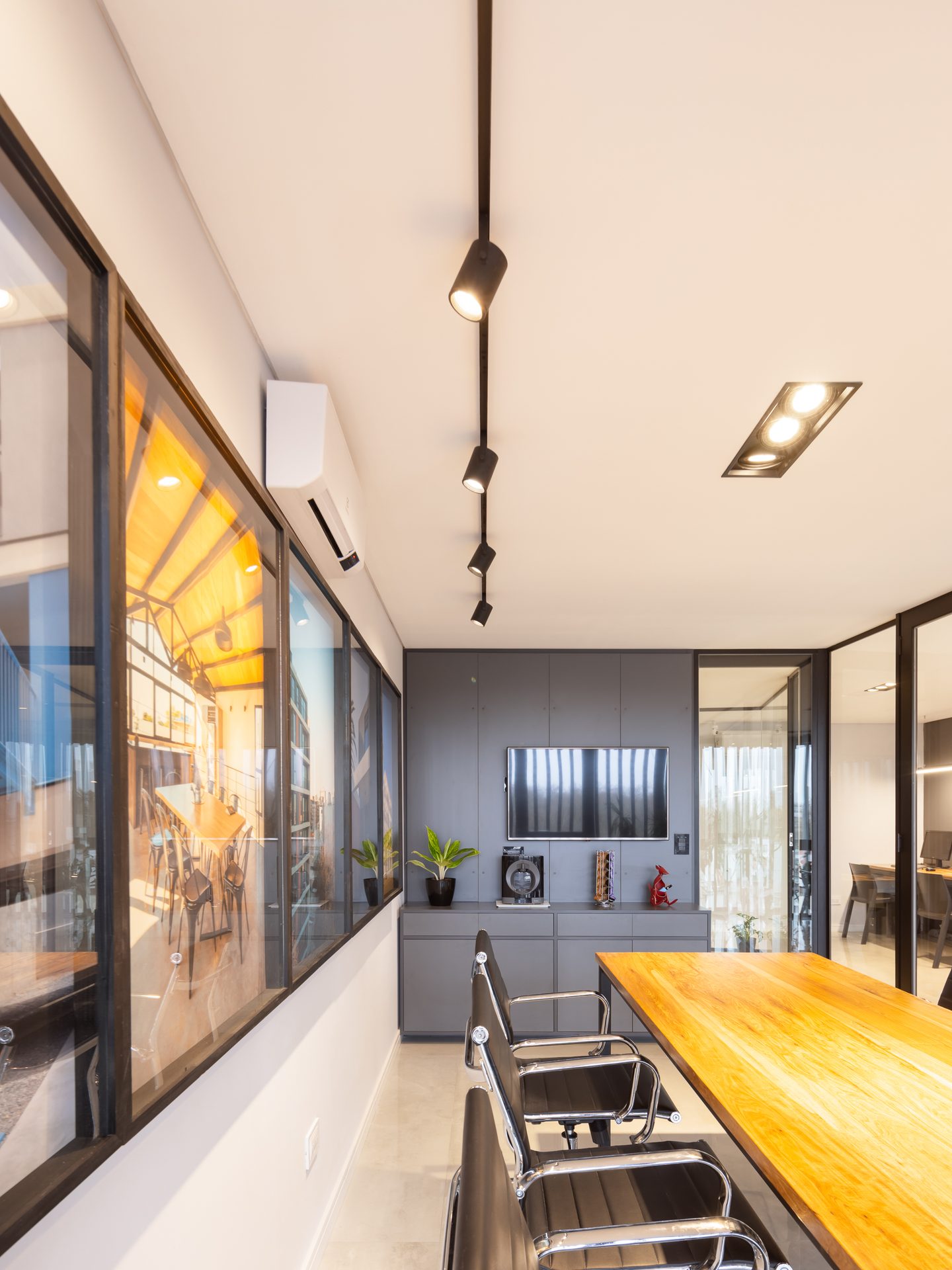
El proyecto responde a la necesidad de realizar un edificio de oficinas en un terreno de 10.39 x 21.65 en la ciudad de Mar del Plata, provincia de Buenos Aires.
Entendemos la tipología edilicia como la disposición de los elementos y las relaciones que permiten configurar la forma y otorgarle aceptación cultural. El edificio B6 busca generar un modelo que reinterprete la tipología, para eso los signos se reelaboran produciendo graduales desplazamientos de sentido, generando un edificio único que responde a las premisas de que hacer arquitectura es hacer ciudad y que la arquitectura comunica a través de su forma y sus límites.
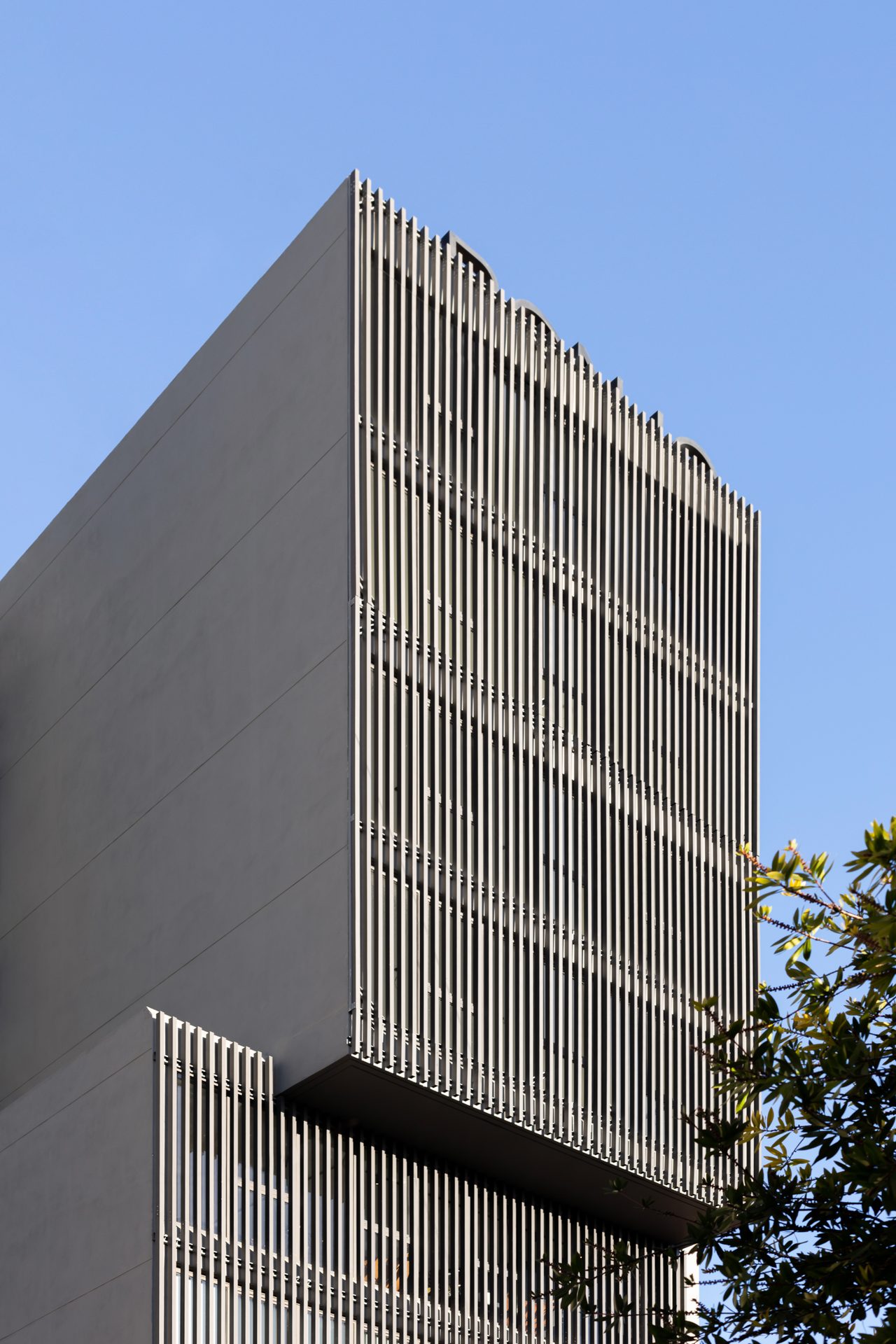
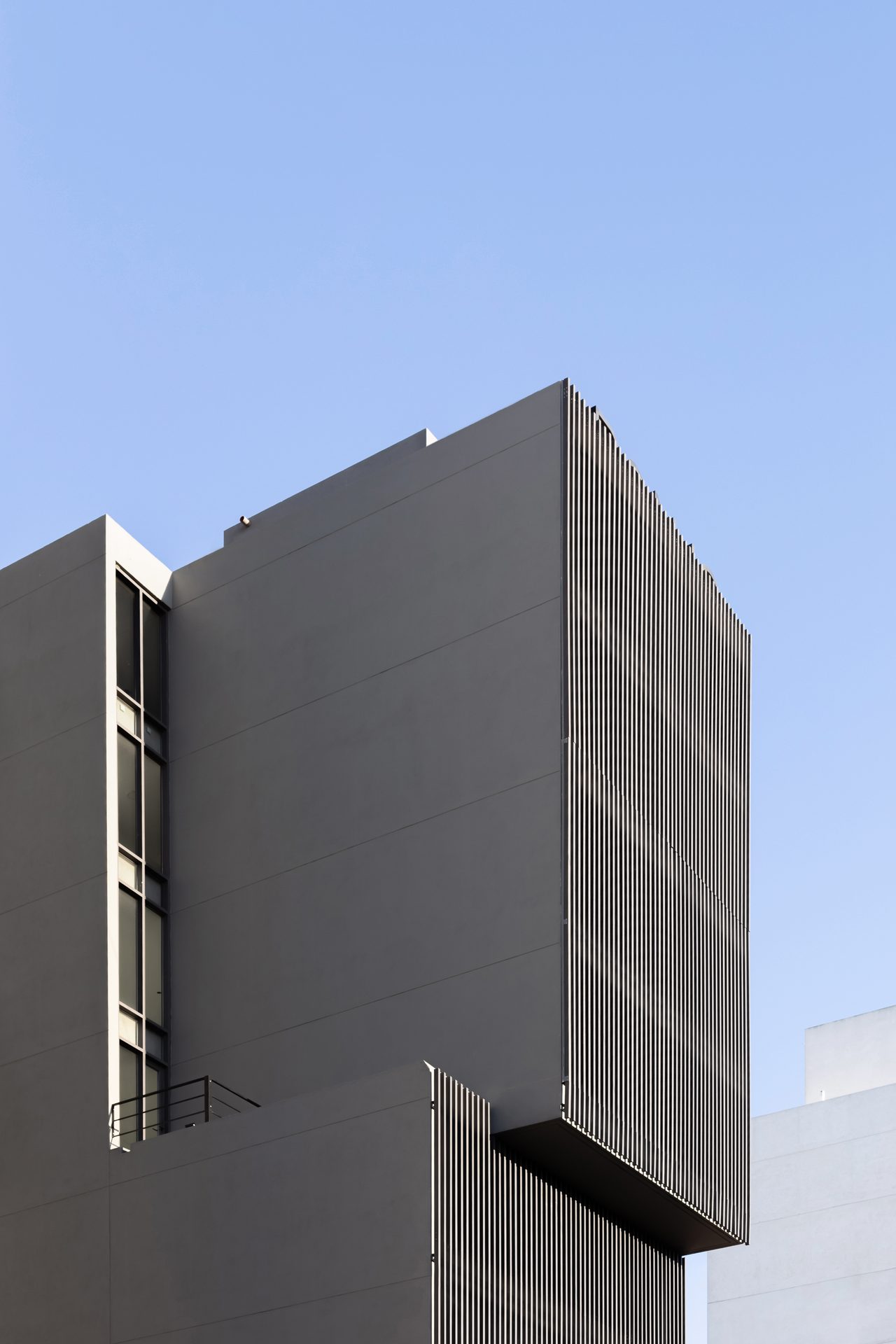
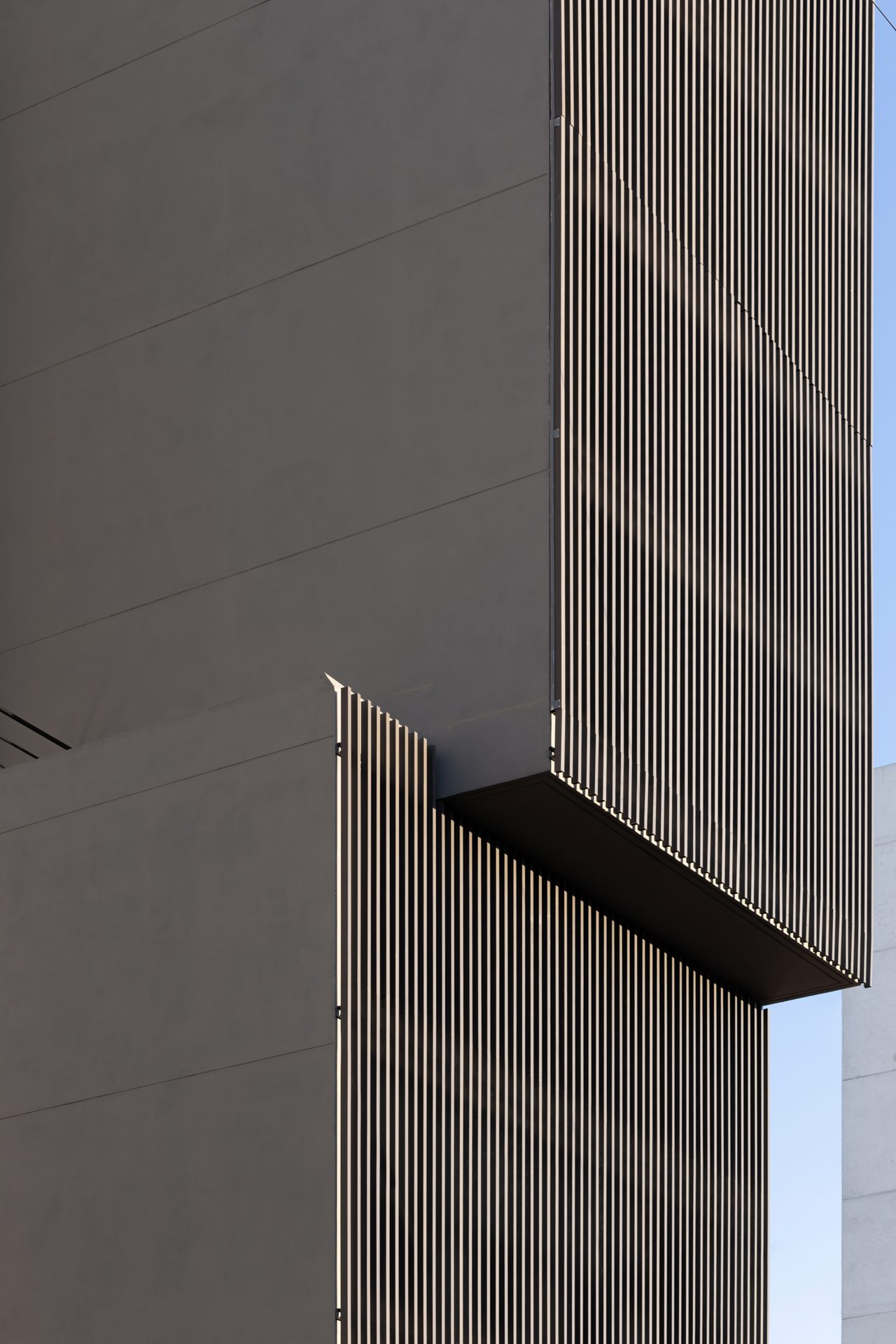
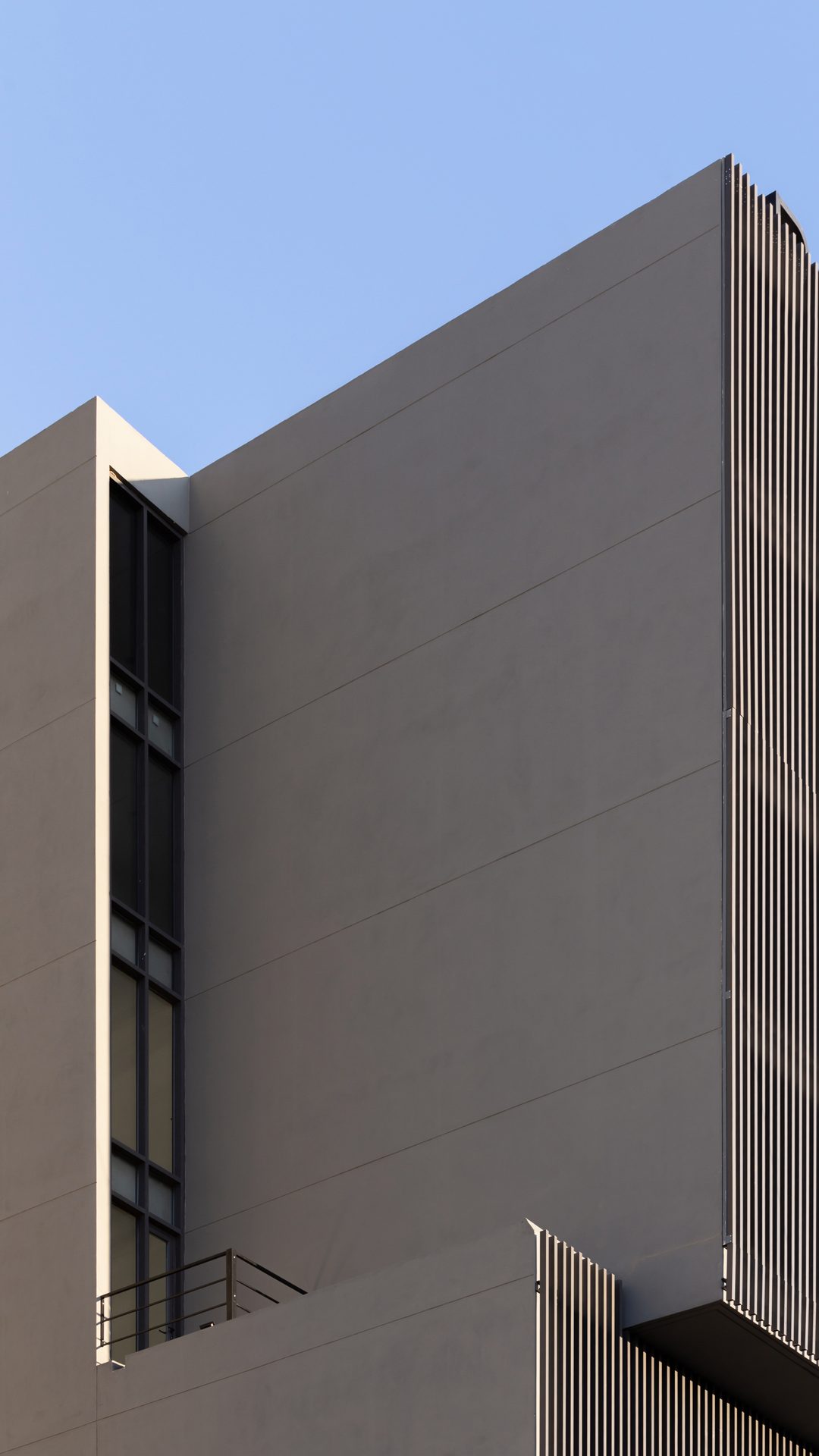
Ubicado sobre la calle España a pocos metros de la Av. Colón, el entorno se caracteriza por la heterogeneidad del tejido, tránsito vehicular y peatonal. El terreno linda con un edificio de basamento y torre. Ésta particularidad urbana, nos hace leer al lote con una medianera libre conforme termina el basamento, permitiéndonos trabajar la forma como una articulación de cajas en vertical que responden a las distintas situaciones urbanas. Se escinde de una de sus medianeras, generando una relación dialéctica con el edificio lindero de basamento y torre y el espacio urbano, en los pisos superiores las cajas avanzan sobre la línea municipal, enfatizando el acceso y otorgándole distintas escalas al espacio público.
Posee una imagen pregnante que le aporta valor e identidad al edificio a partir de su forma y materialidad.
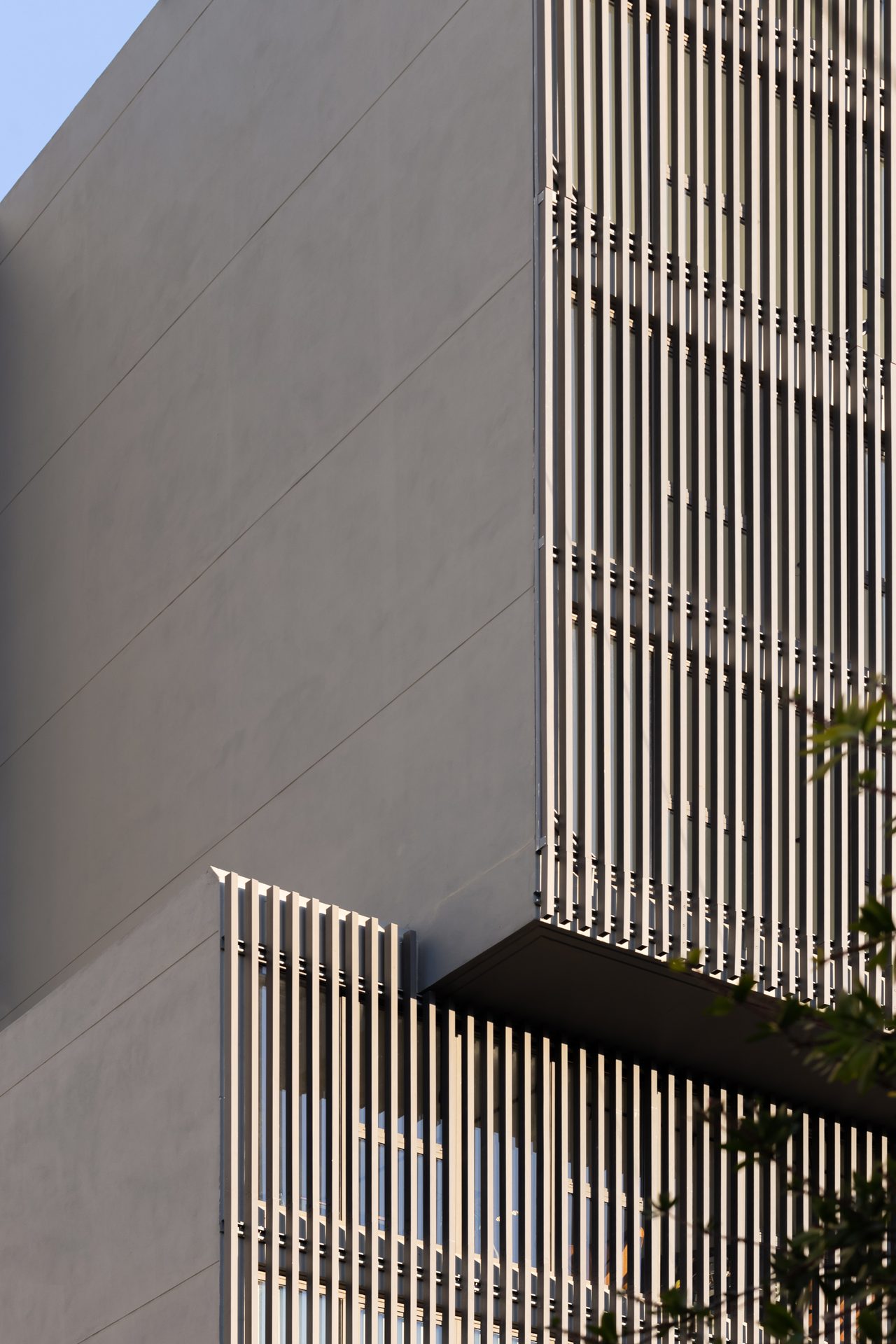
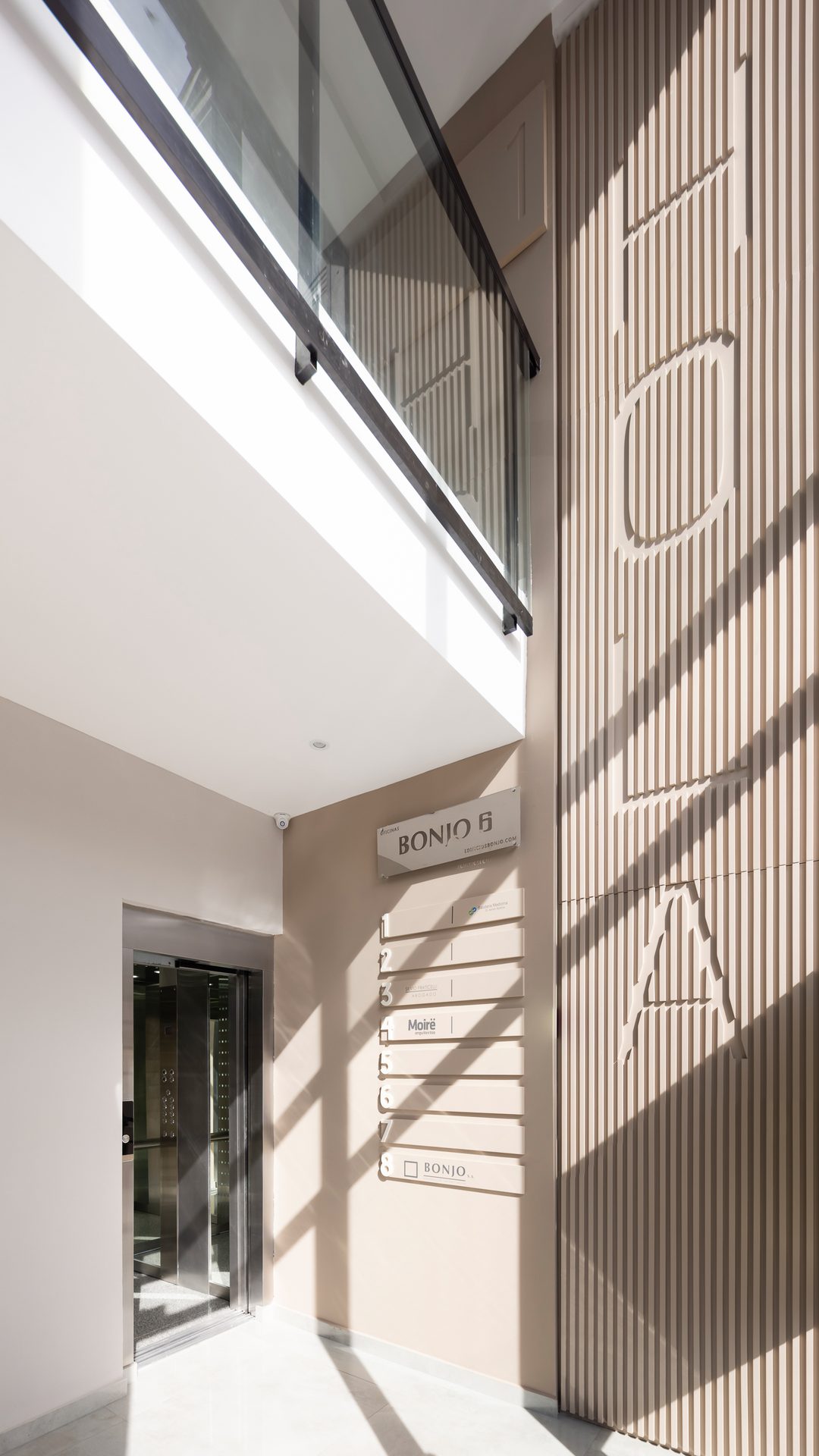
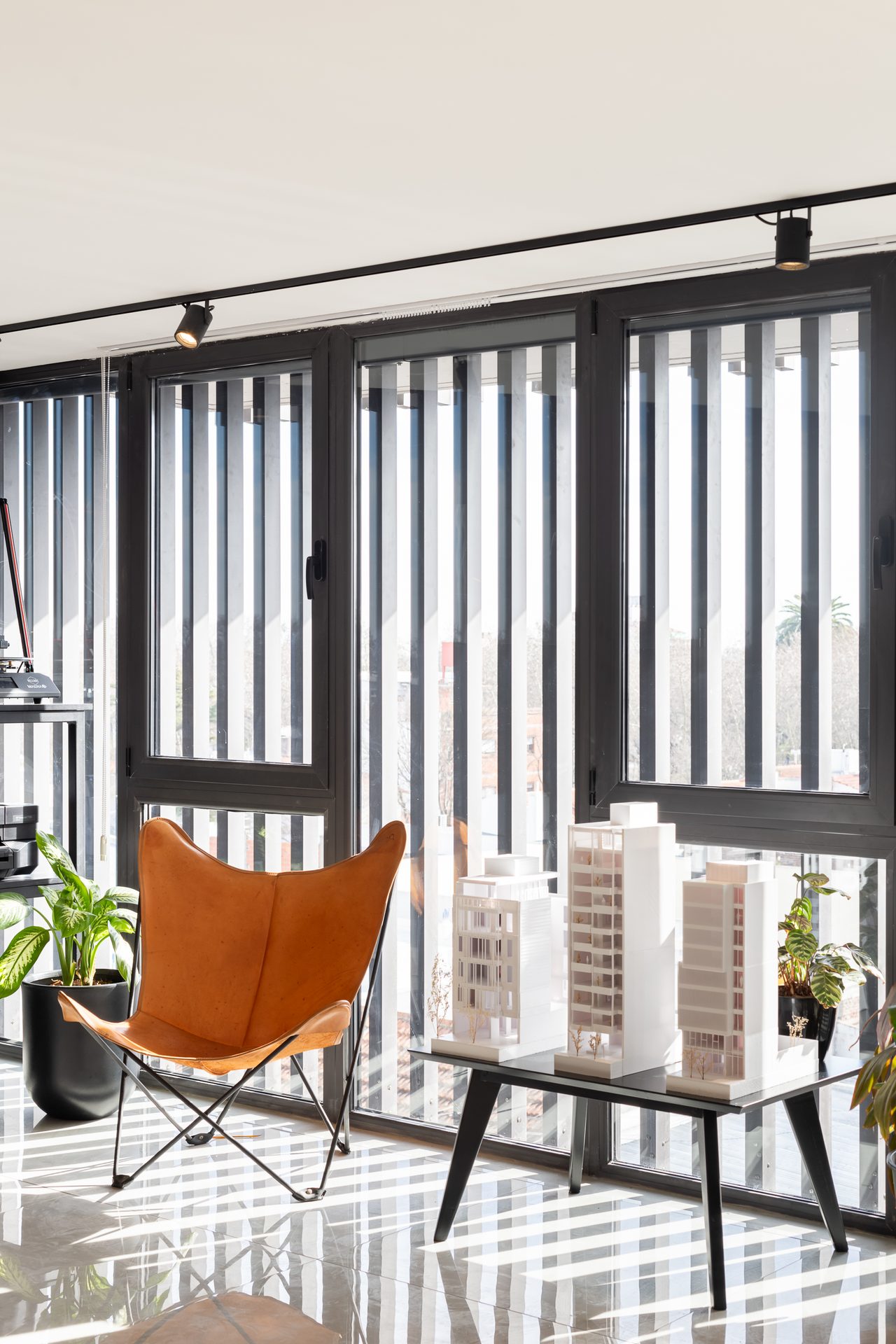
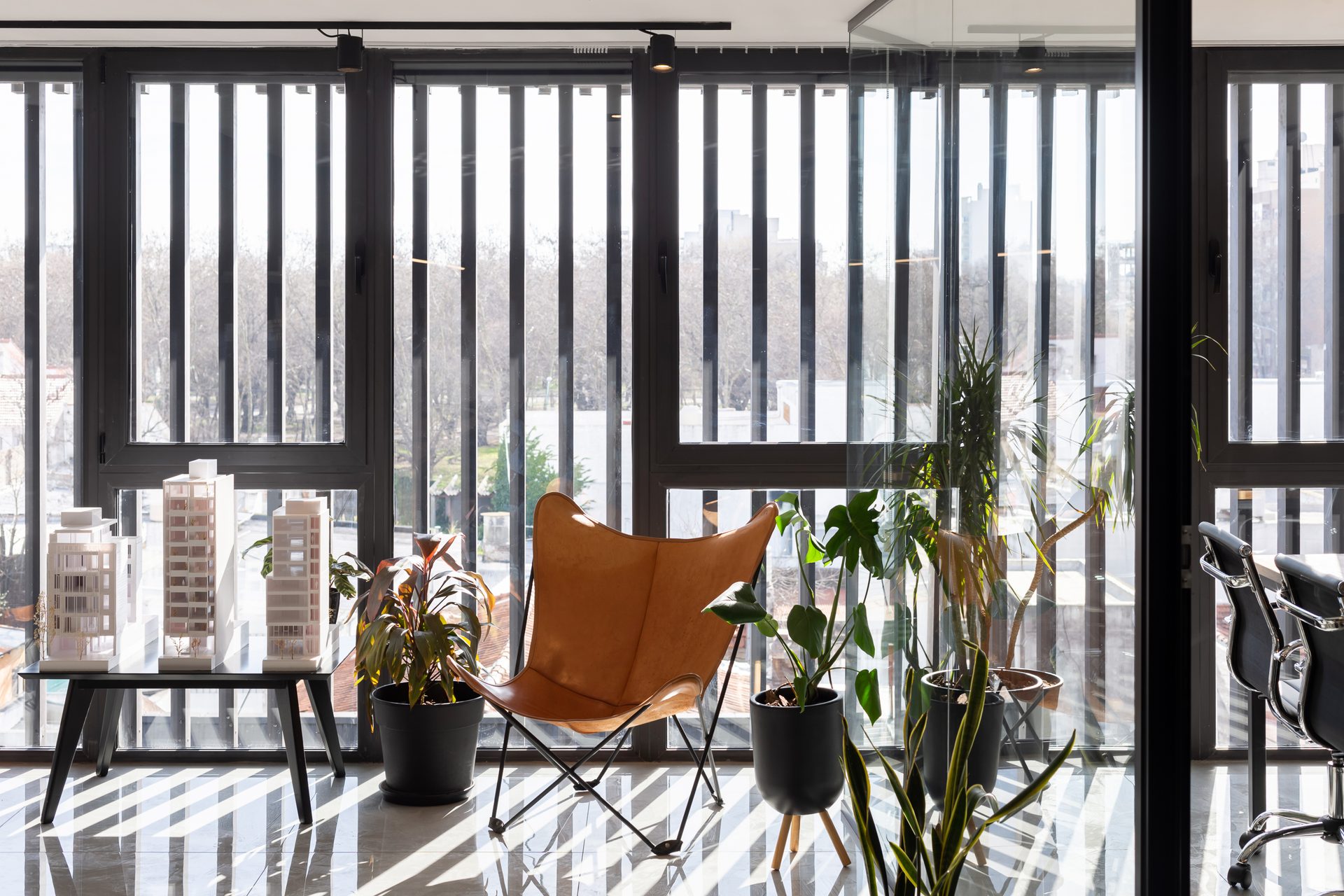
El edificio, delimitado por un frente integral de vidrio, posee un treillage de aluminio que le otorga unidad y singularidad, a su vez, este tamiz genera un juego de luces y sombras en el interior del edificio.