
ExperienciaExperience ReconocimientoRecognition EstudioStudio ContactoContact
01 / 51
Scroll
← Todos los proyectos← All projects

Edificio B10Building B10

CategoríaCategory Edificio en altura · ResidencialHigh-rise Building · Residential
UbicaciónLocation Mar del Plata, Argentina
AñoYear 2026
EstadoStatus Obra construidaBuilt work
FotografíaPhotography Ramiro Sosa
PrensaPress Architizer

Arquitectura para habitar, arquitectura para construir ciudad

B10 propone una reflexión sobre la vivienda colectiva de escala media y su capacidad para construir una relación más amable entre arquitectura, vida cotidiana y ciudad. El proyecto parte de una premisa simple pero central: un edificio residencial debe aportar calidad al entorno urbano del que forma parte.

En este sentido, la arquitectura se entiende como una mediación entre lo doméstico y lo público. Cada decisión proyectual busca mejorar la experiencia de habitar —luz natural, privacidad, expansiones, espacios compartidos— y, al mismo tiempo, construir una presencia urbana capaz de enriquecer la calle.

"La arquitectura es el arte de dar forma a lugares donde la vida pueda suceder."

— Álvaro Siza

La trama

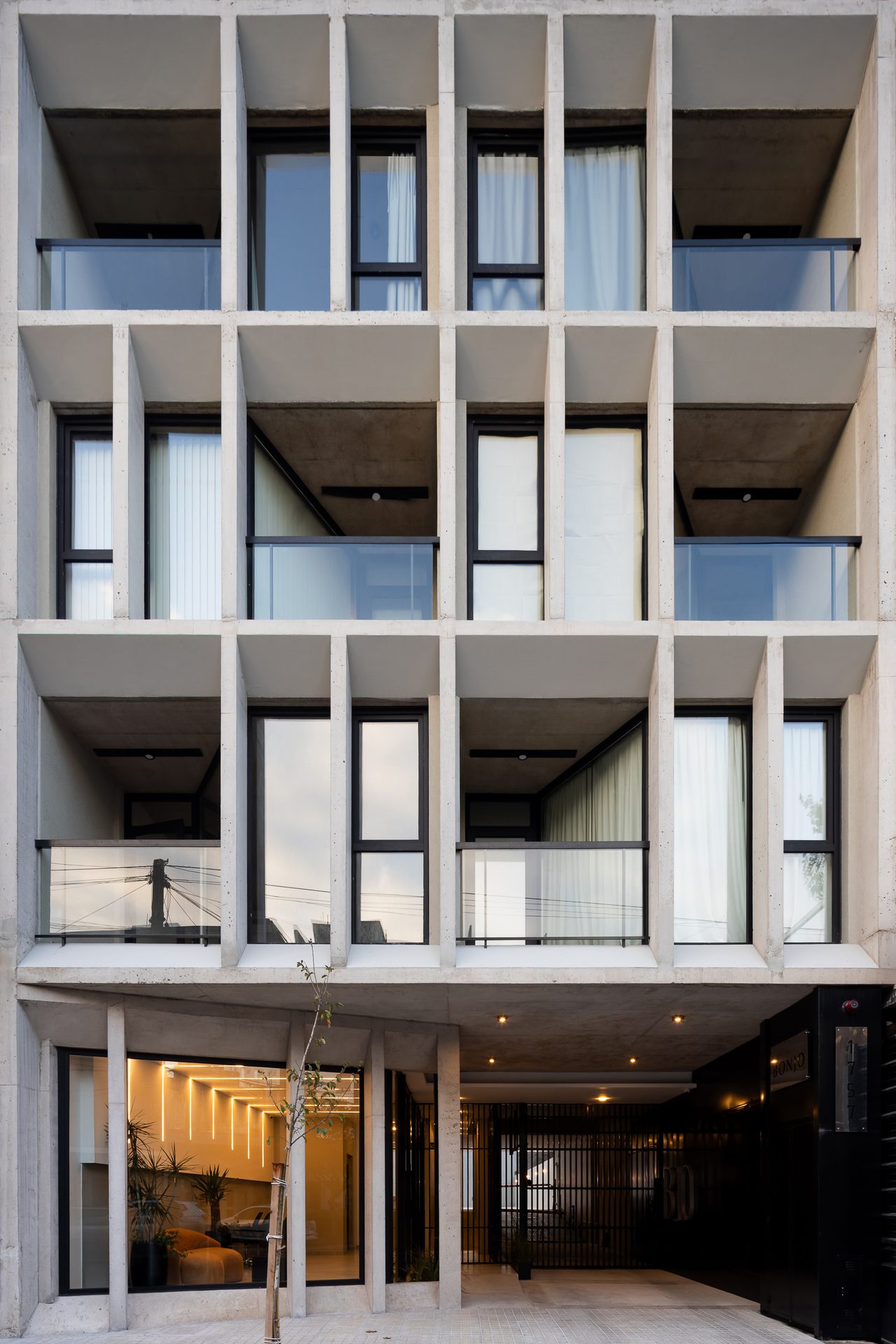
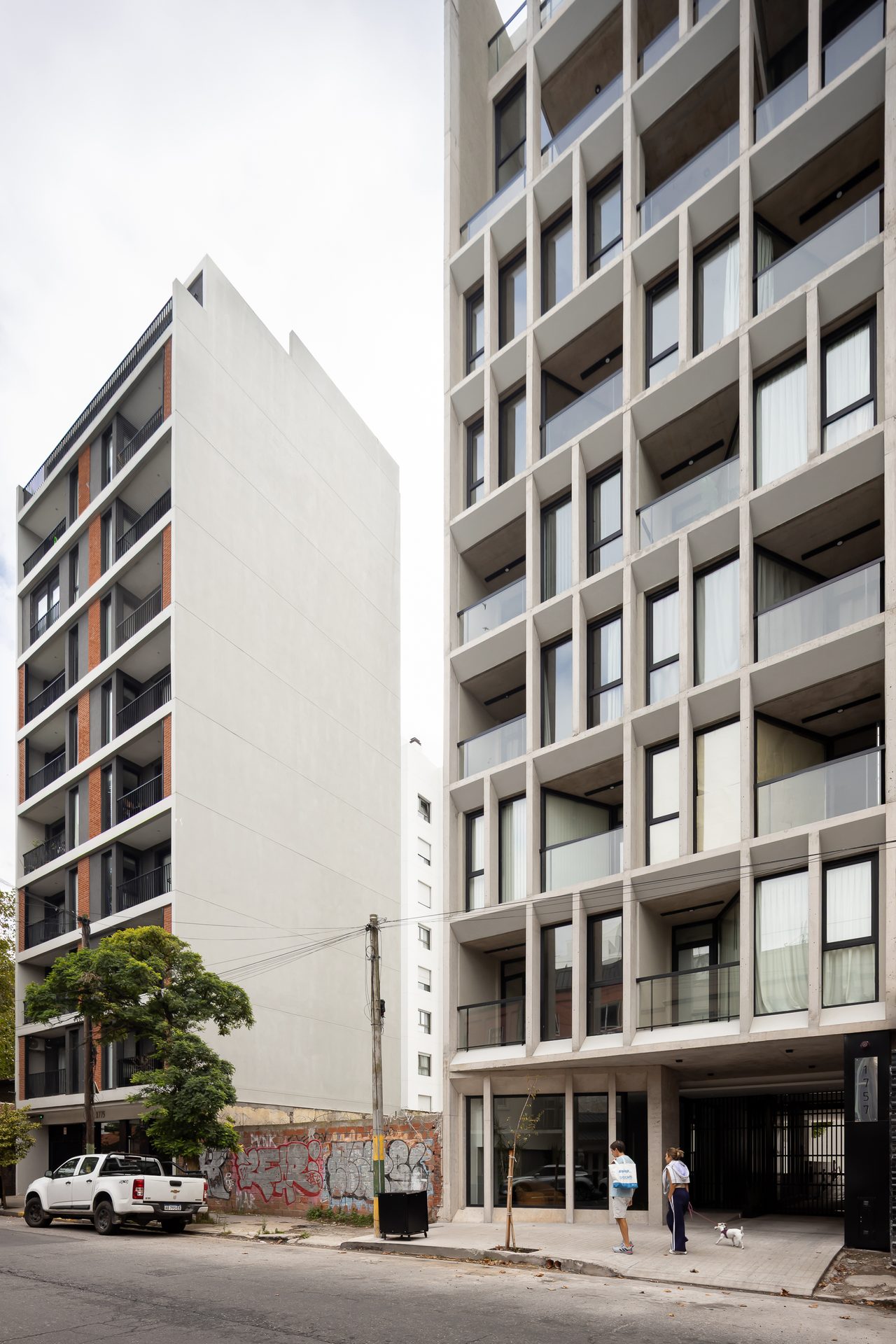
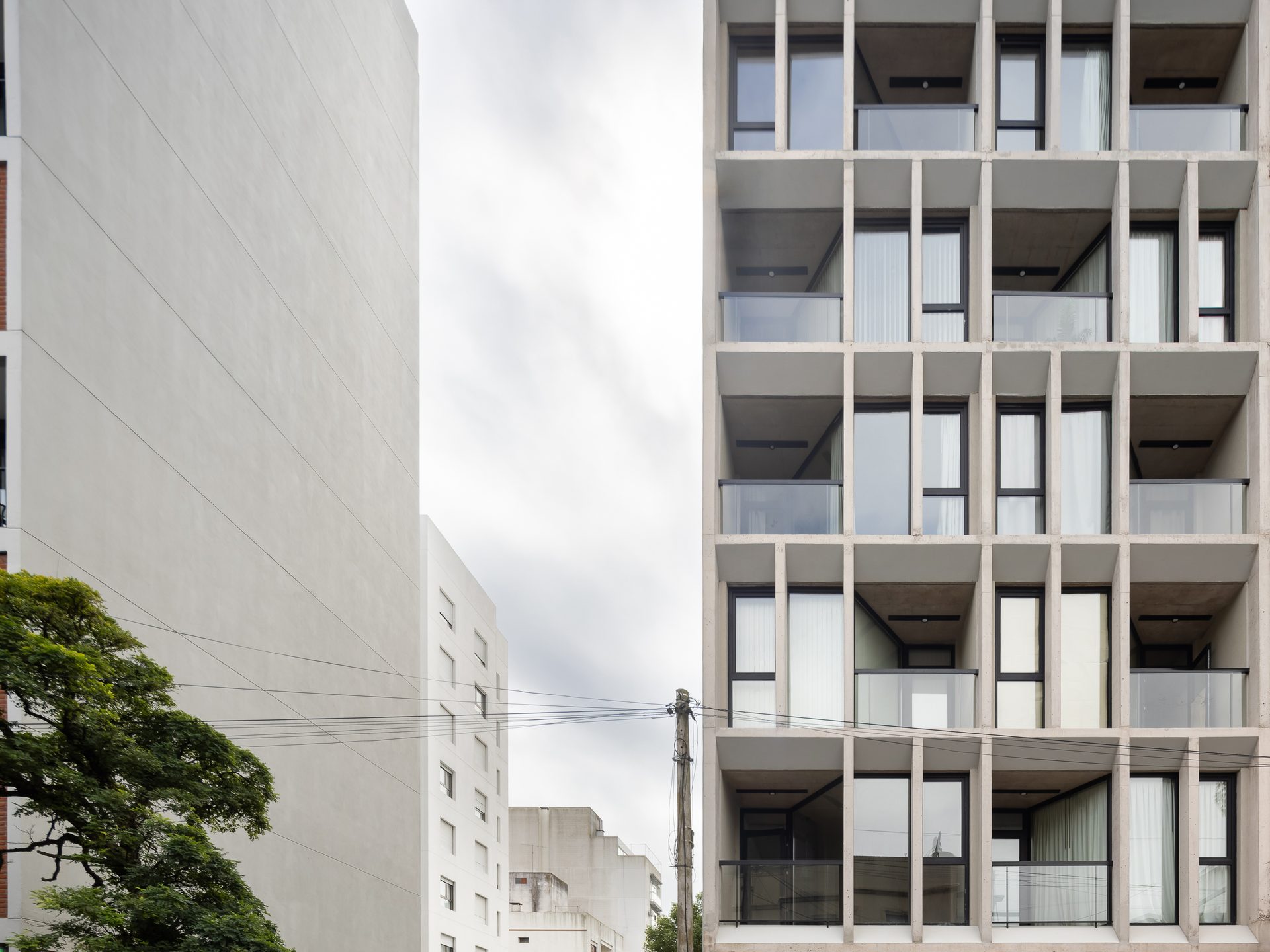
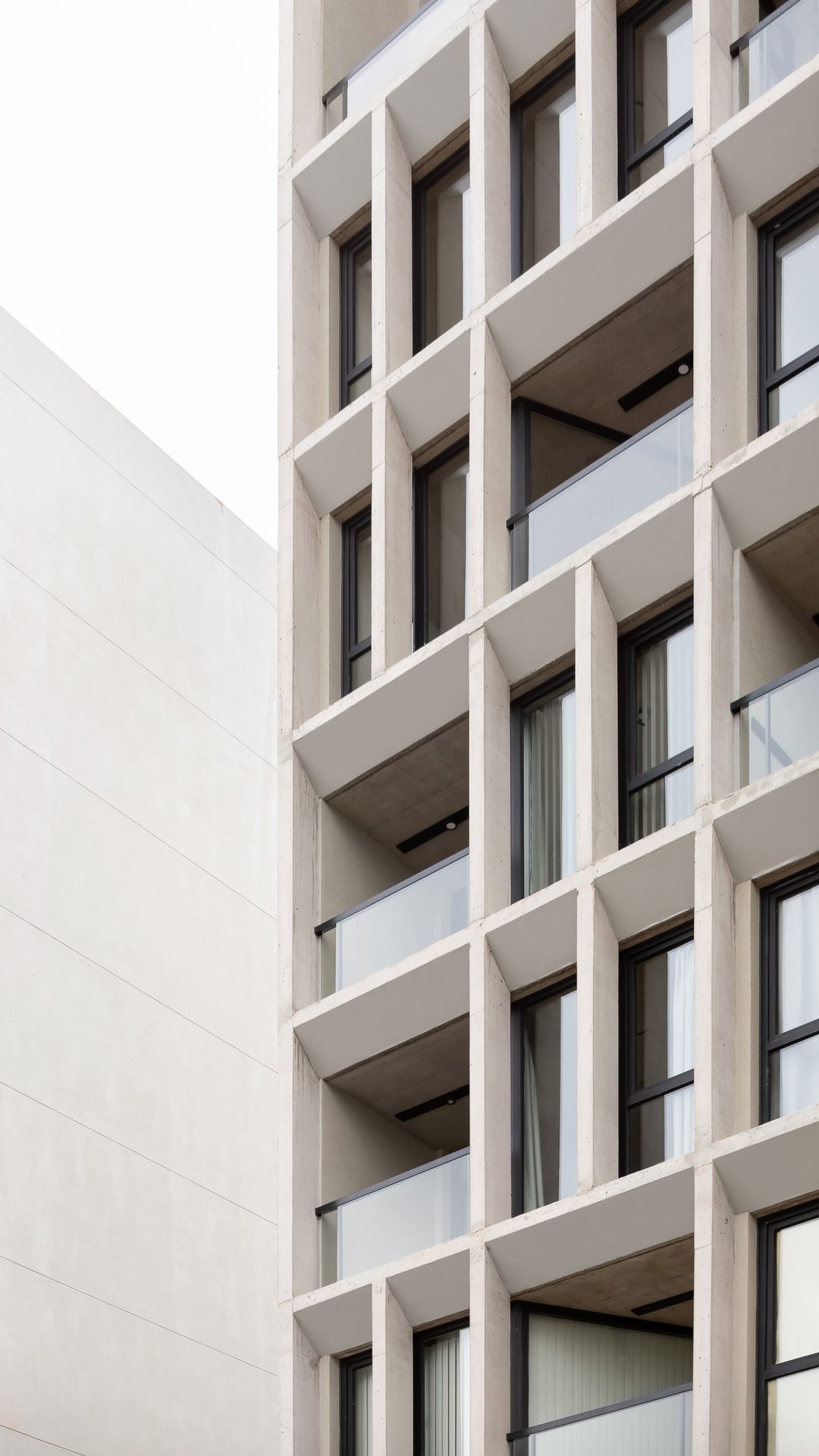
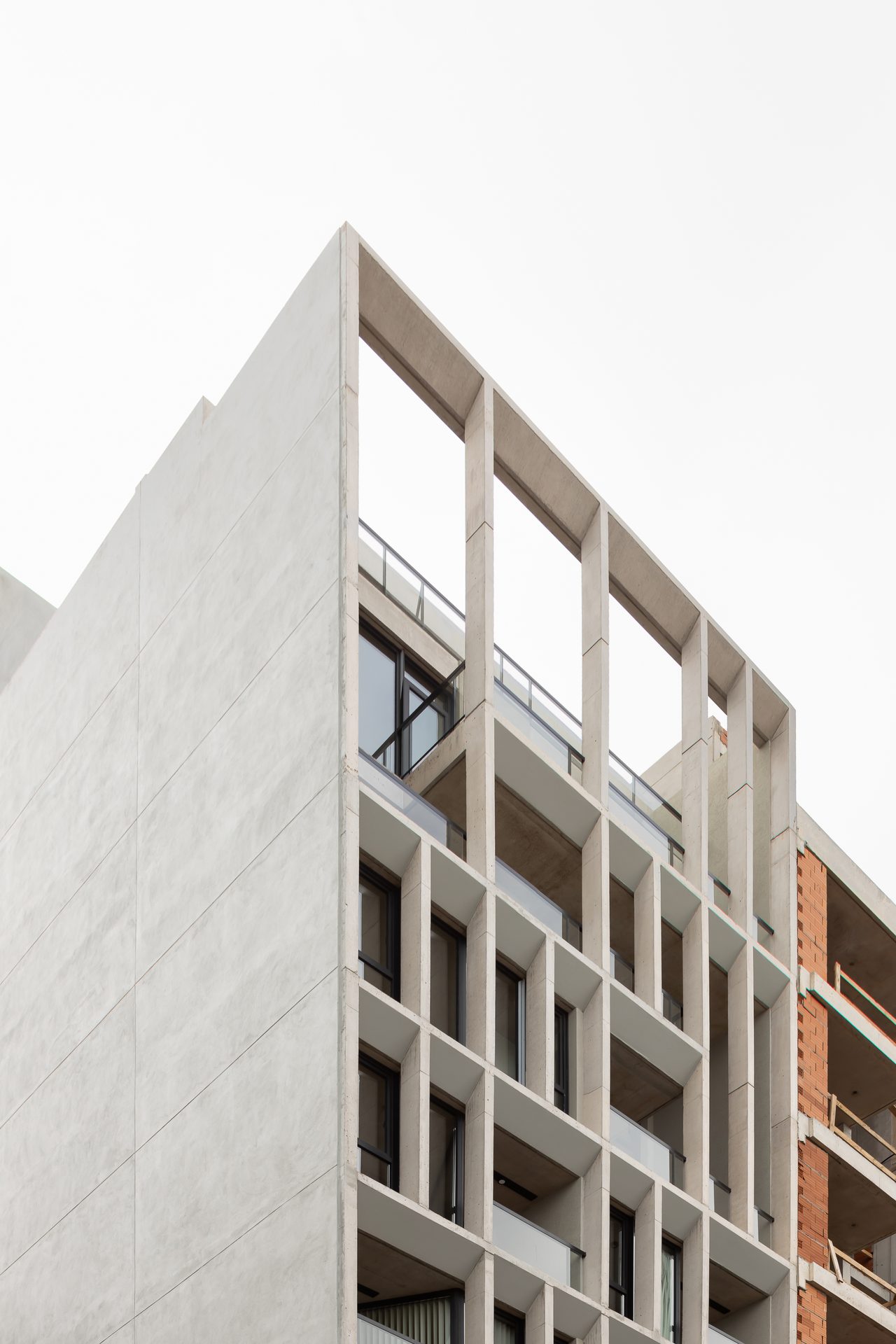
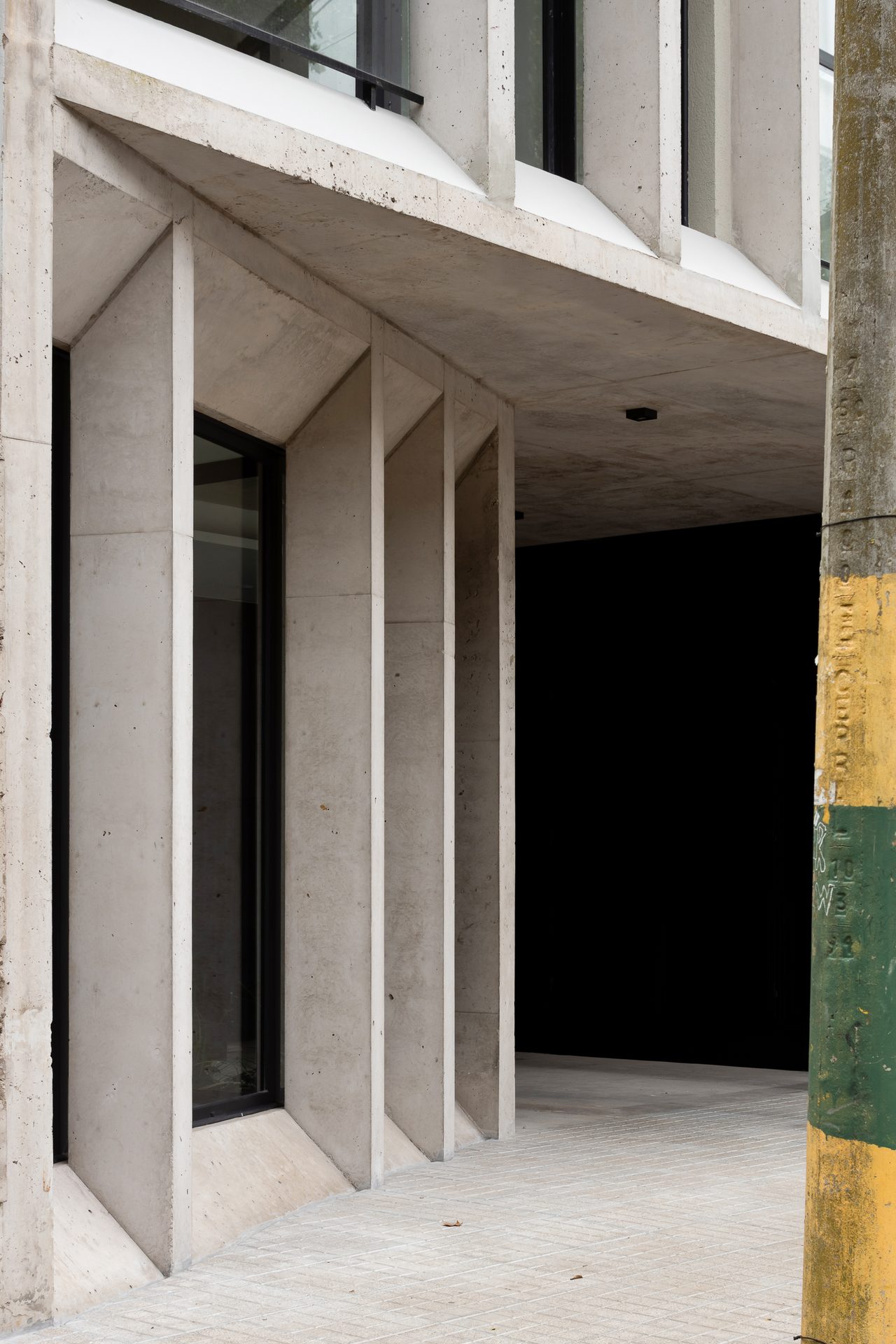
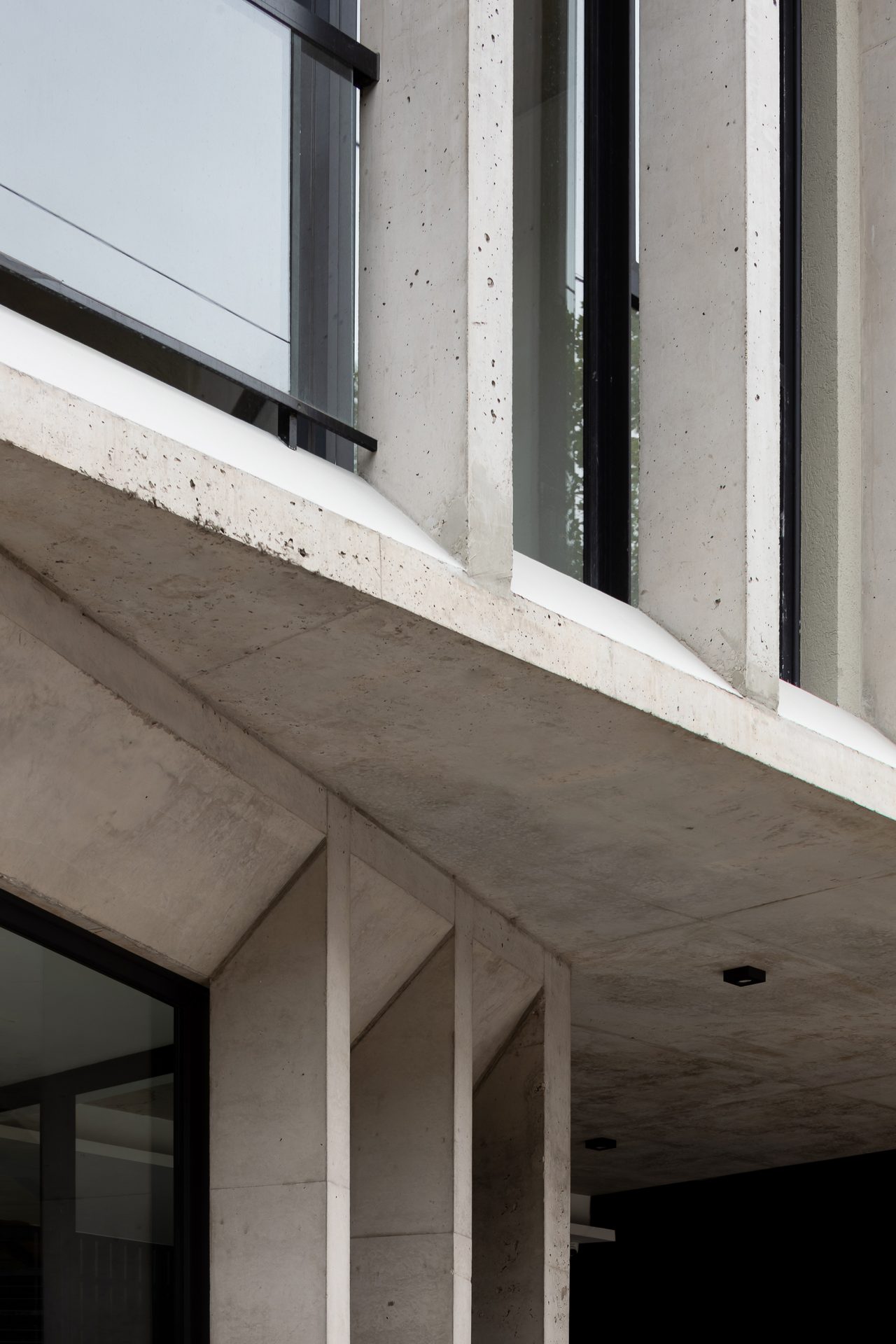
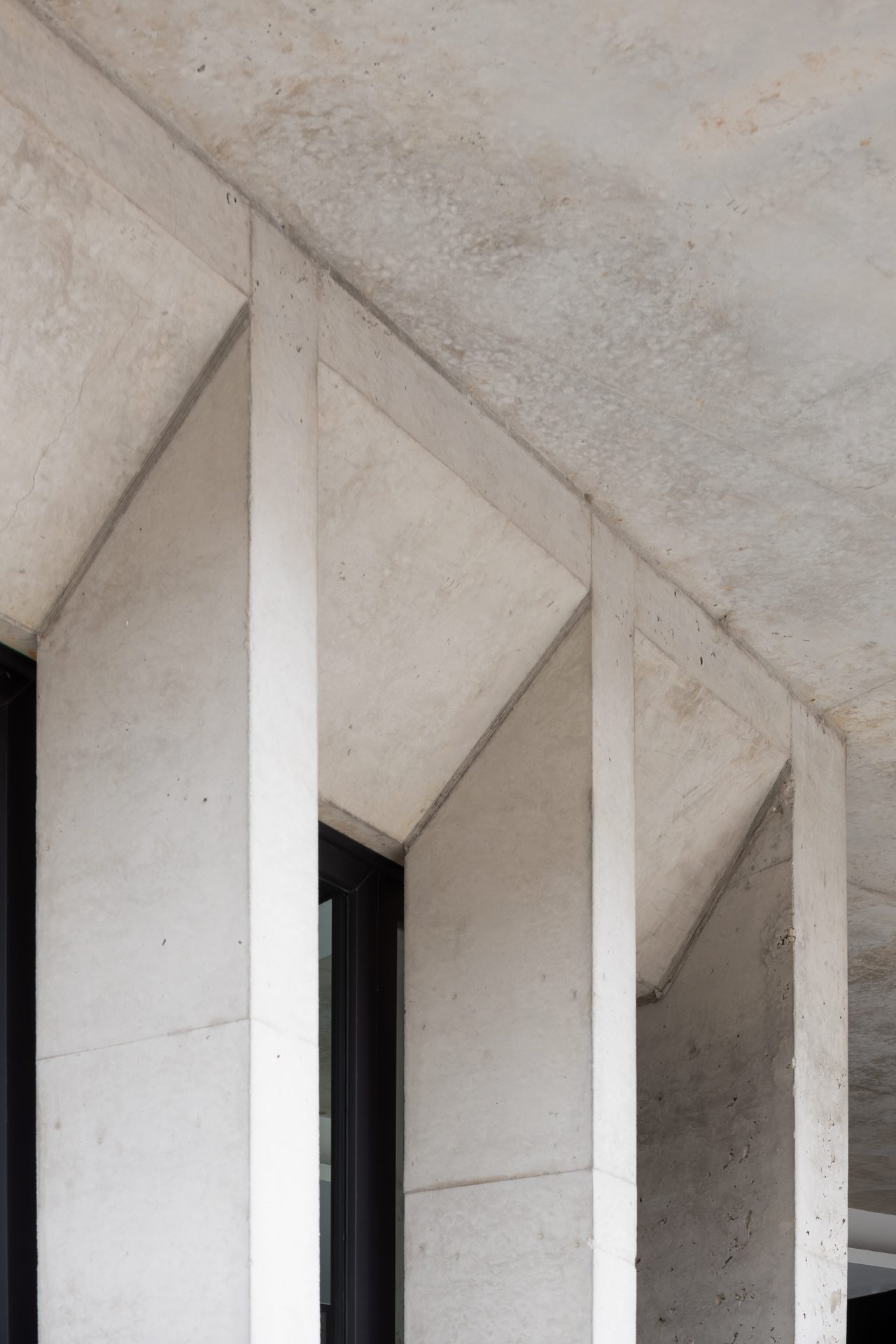
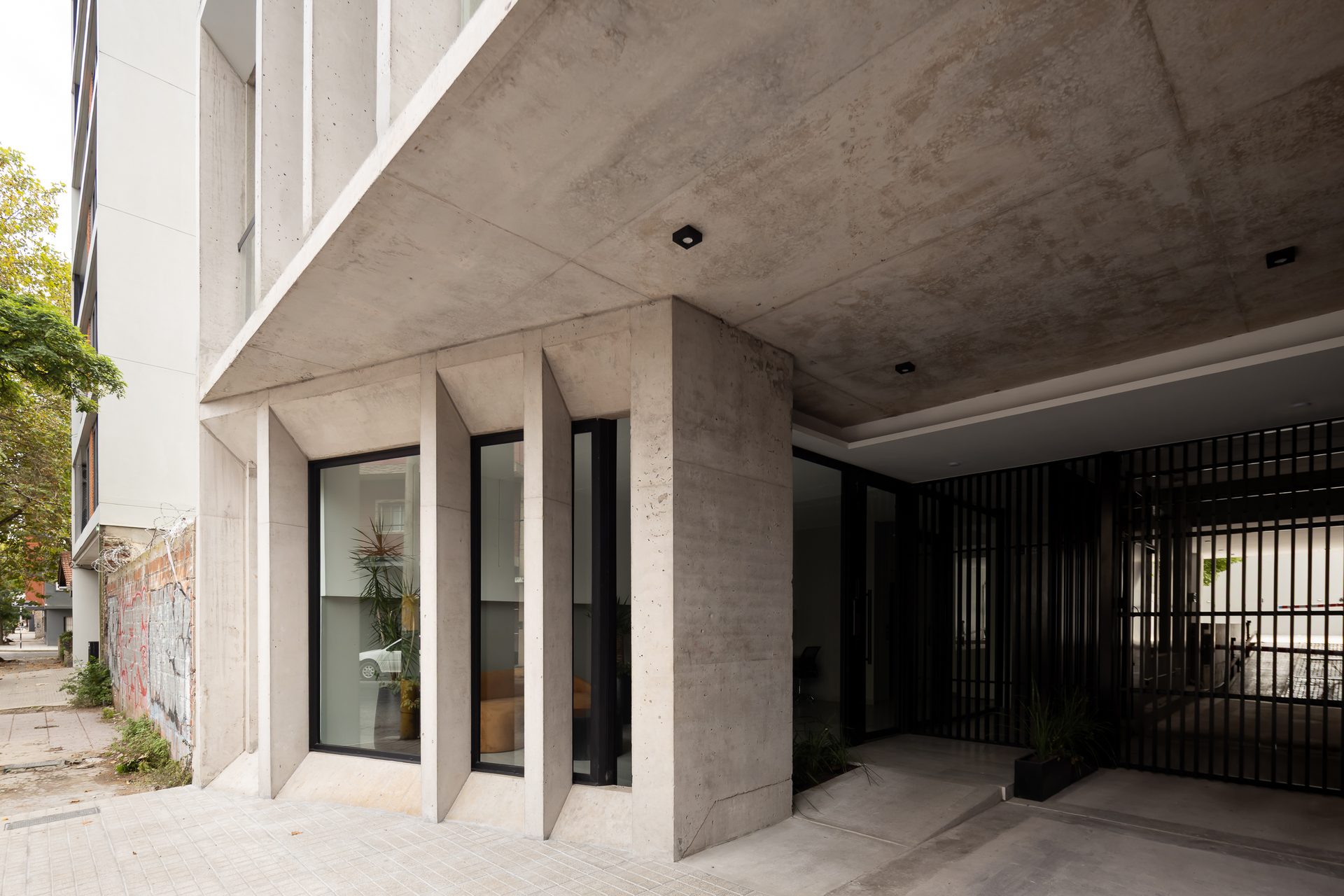
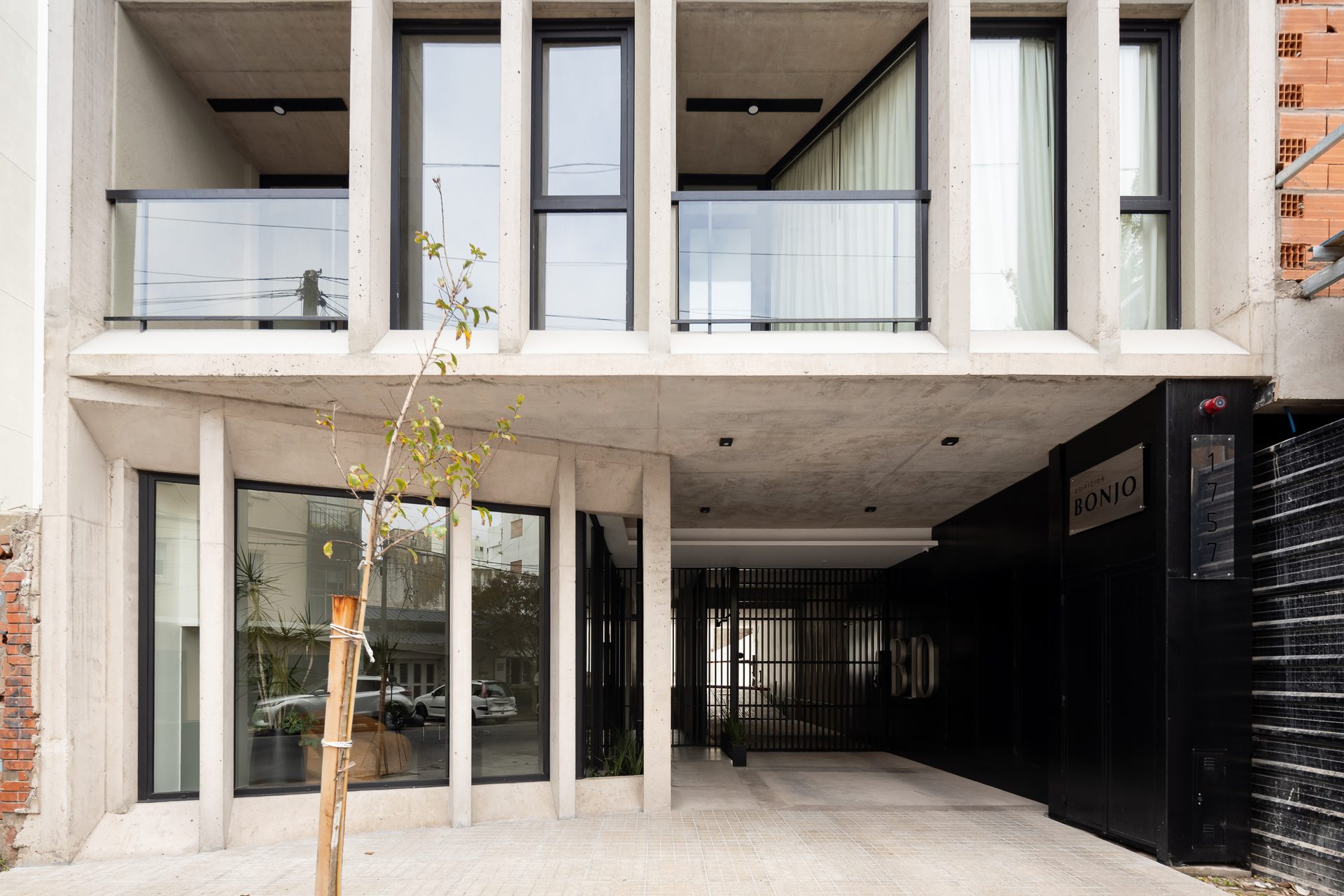
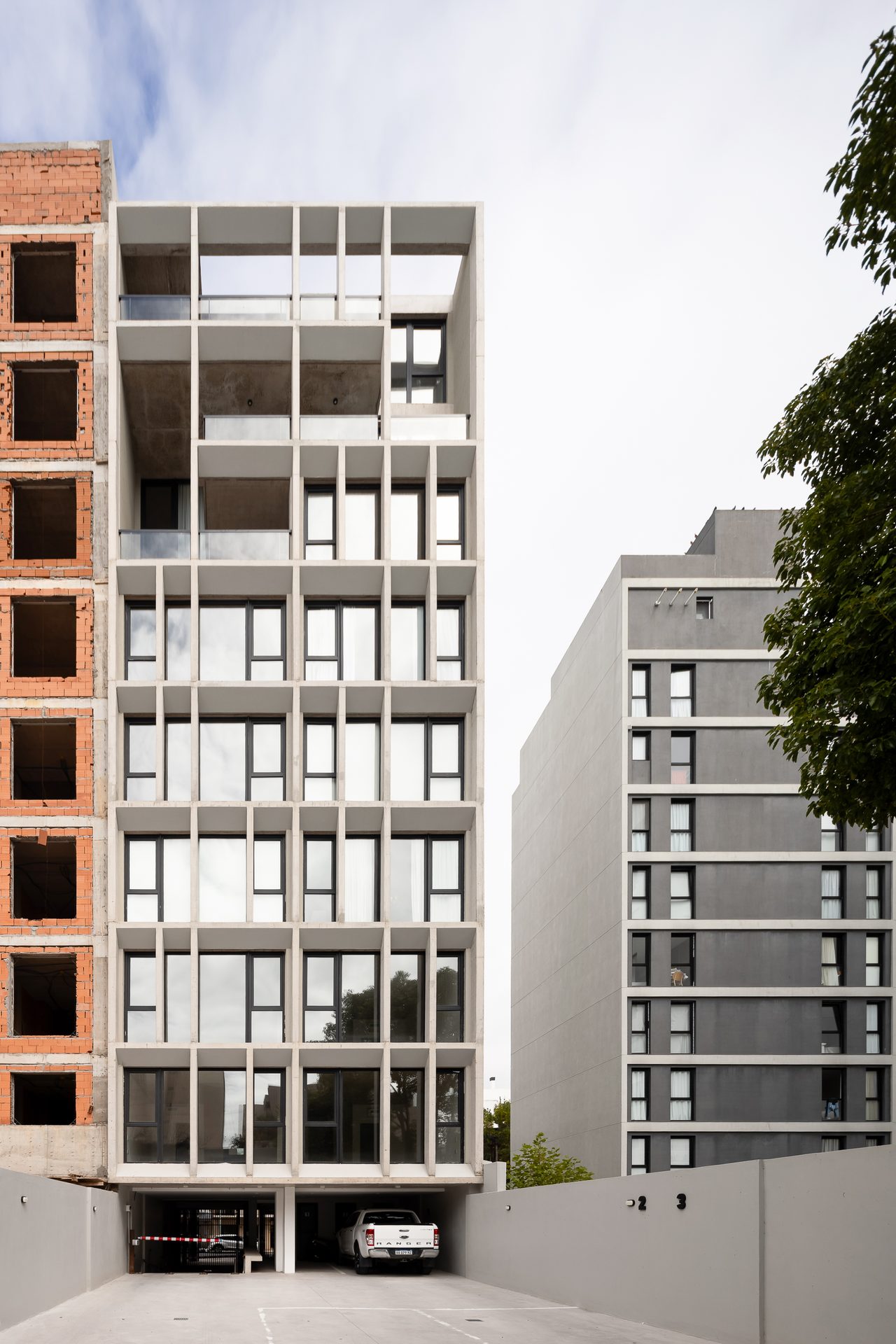
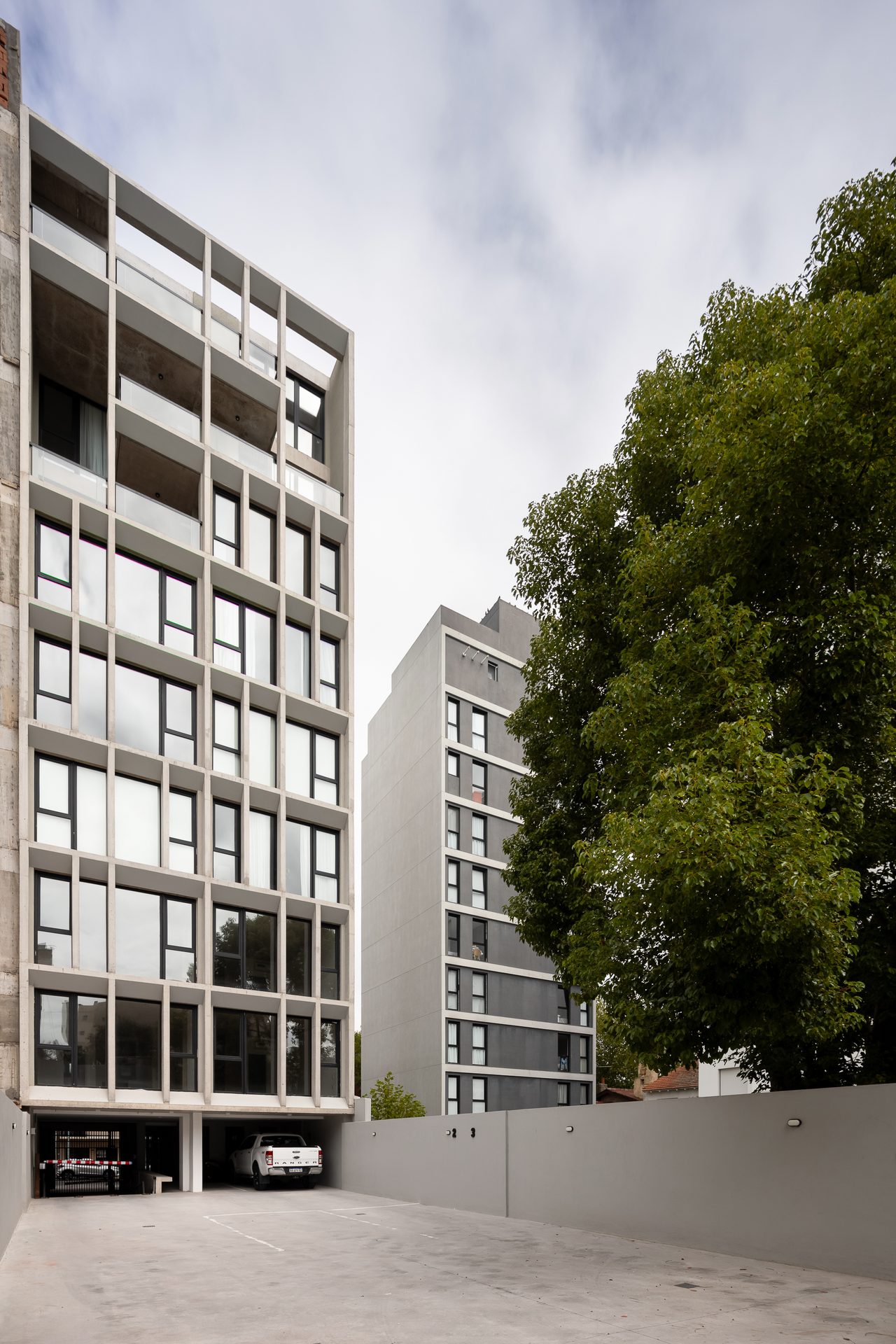
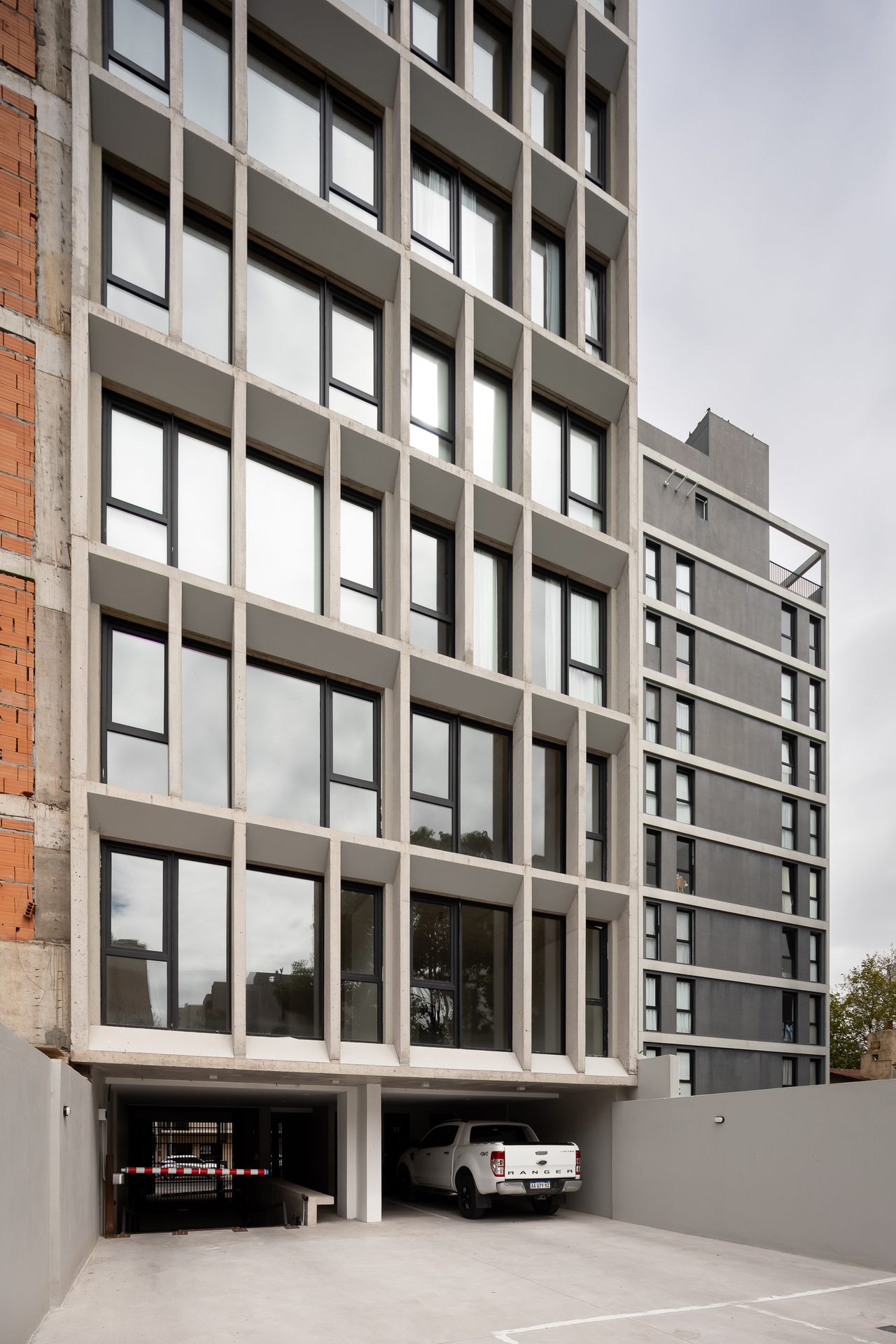
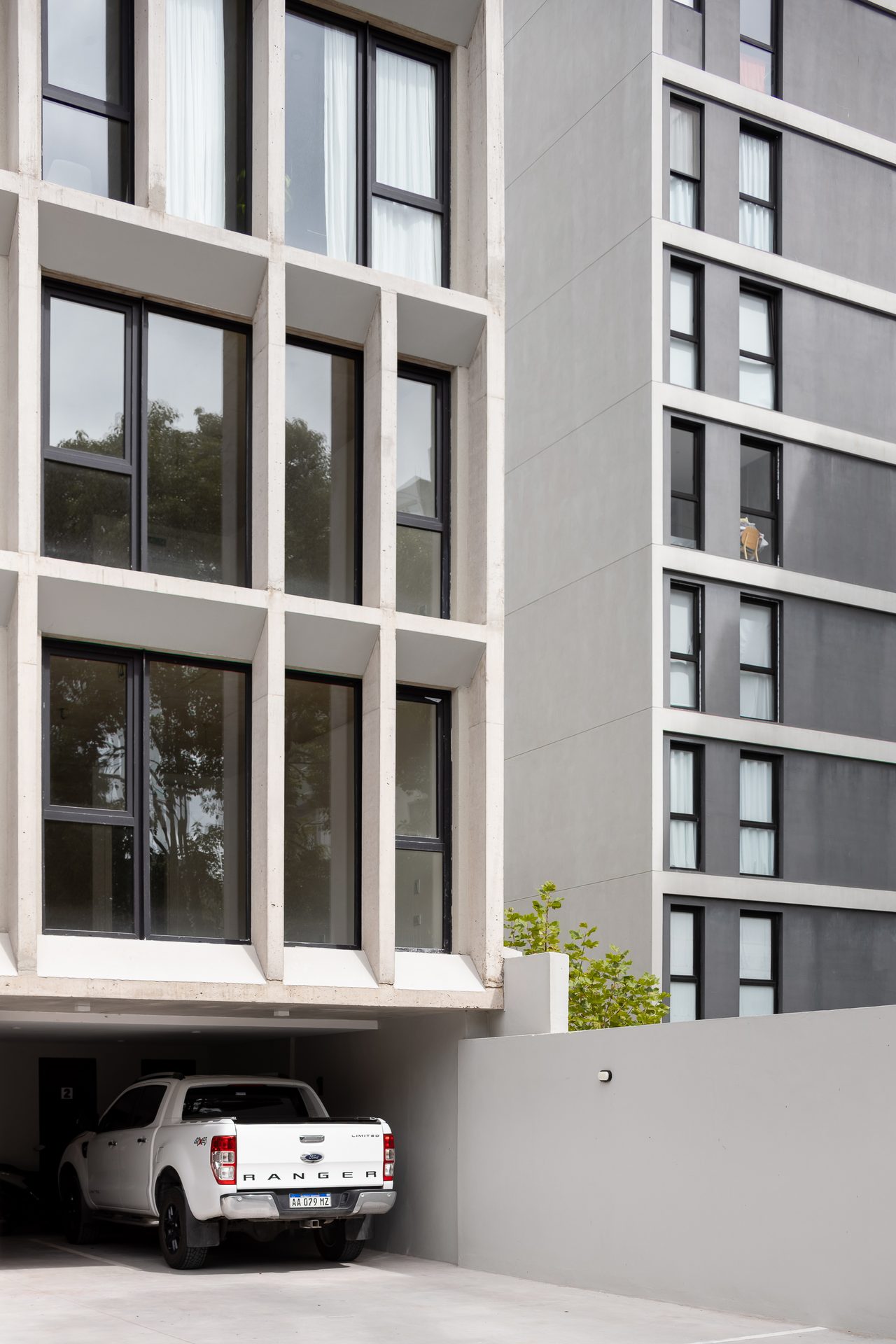
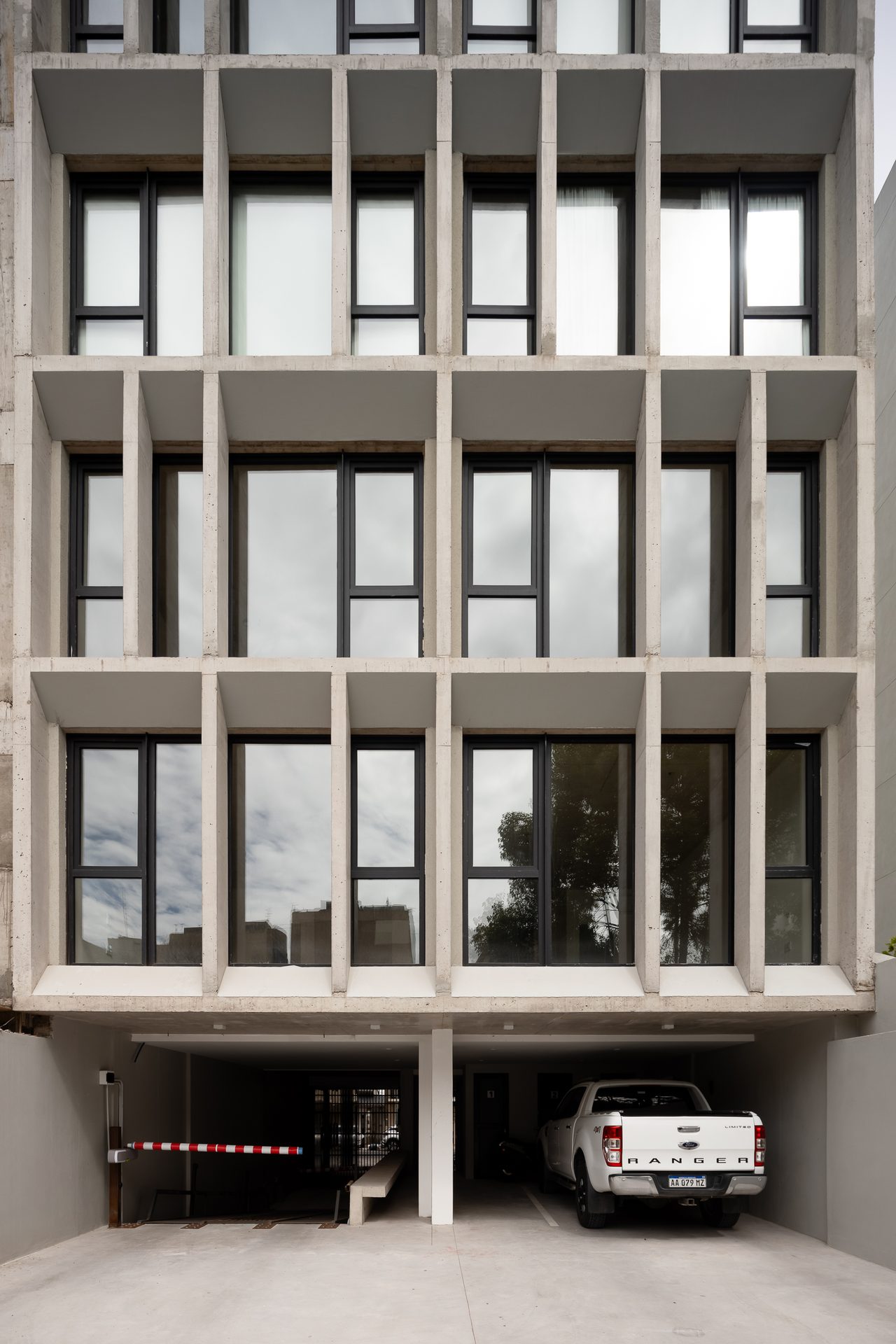
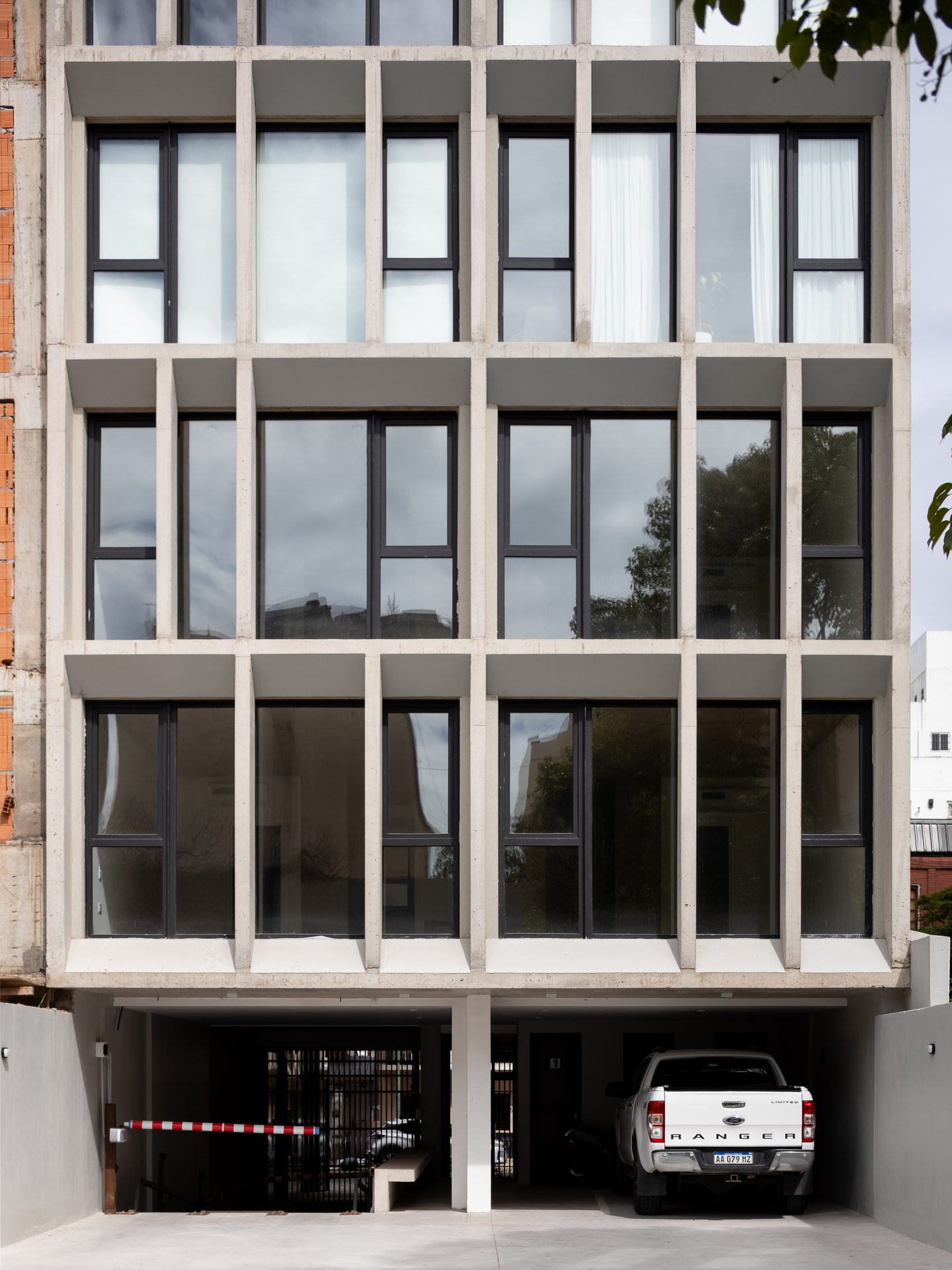
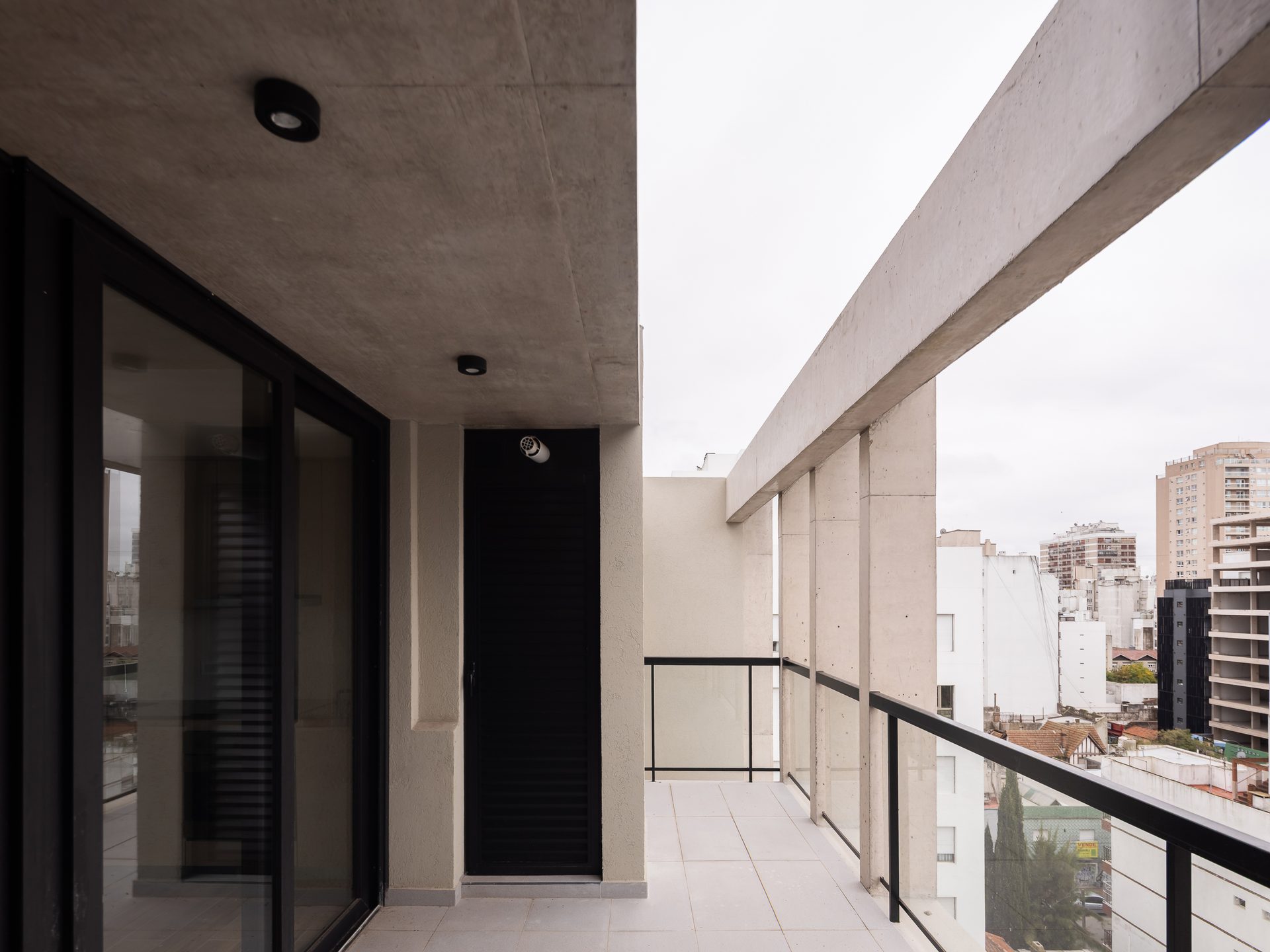
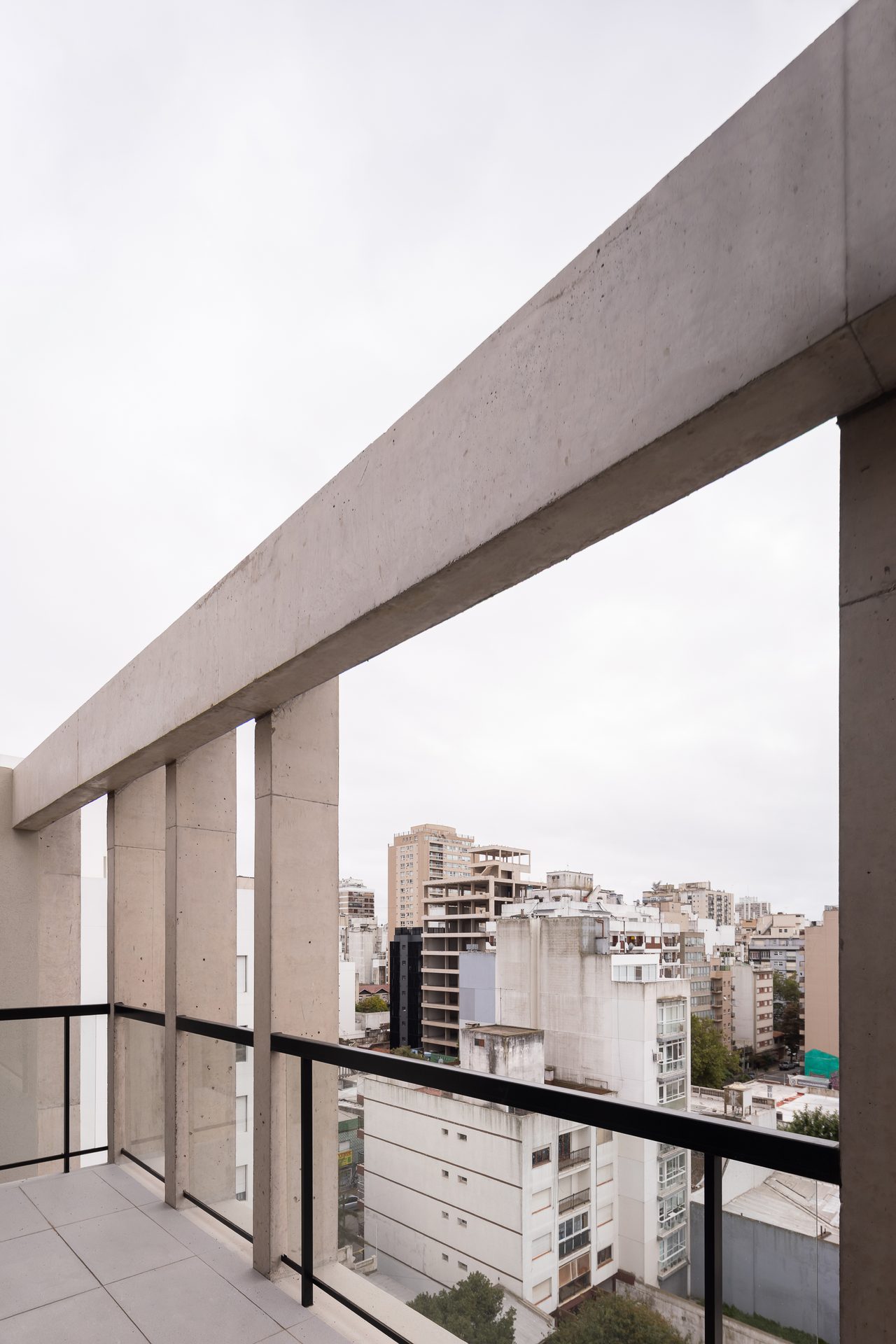
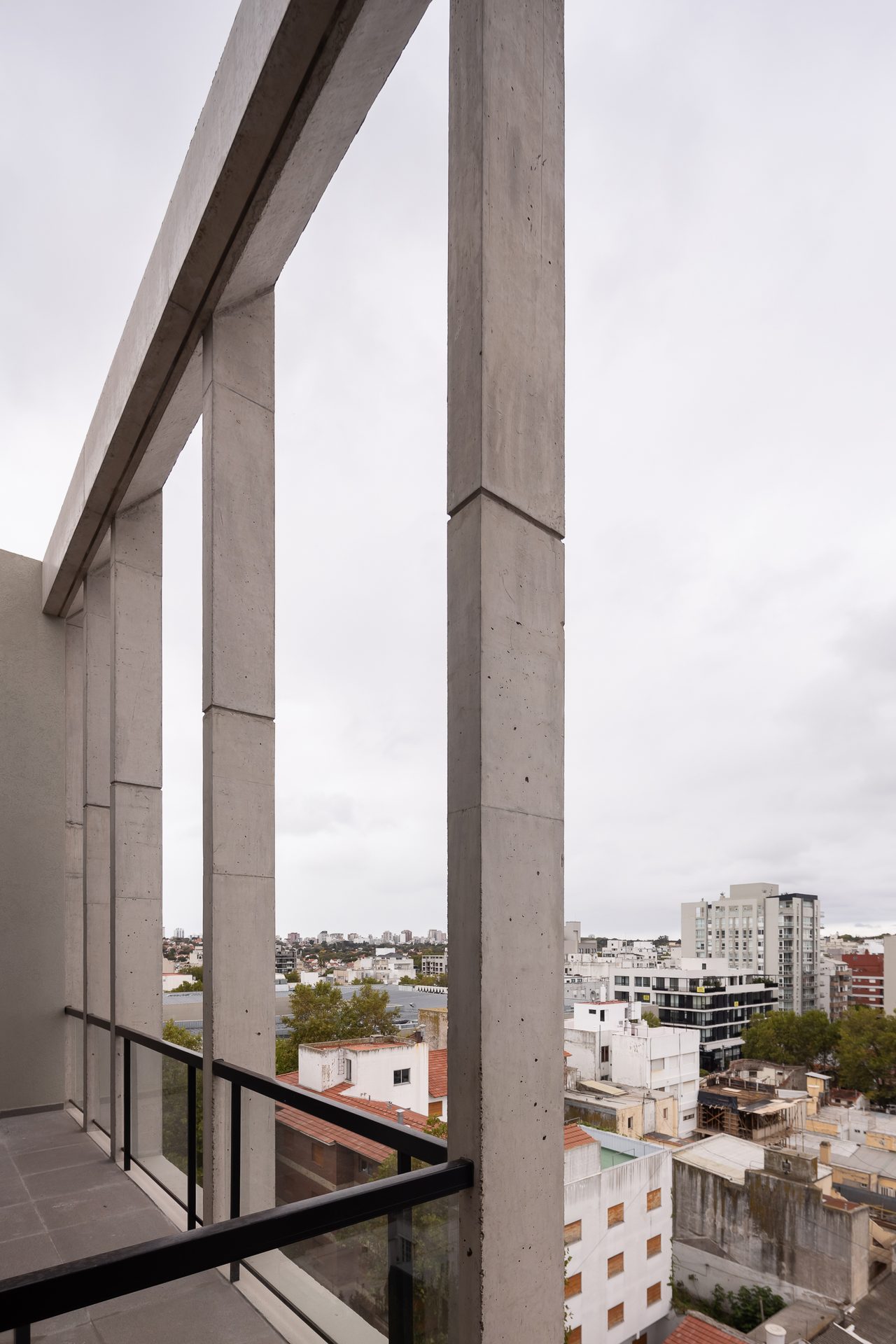
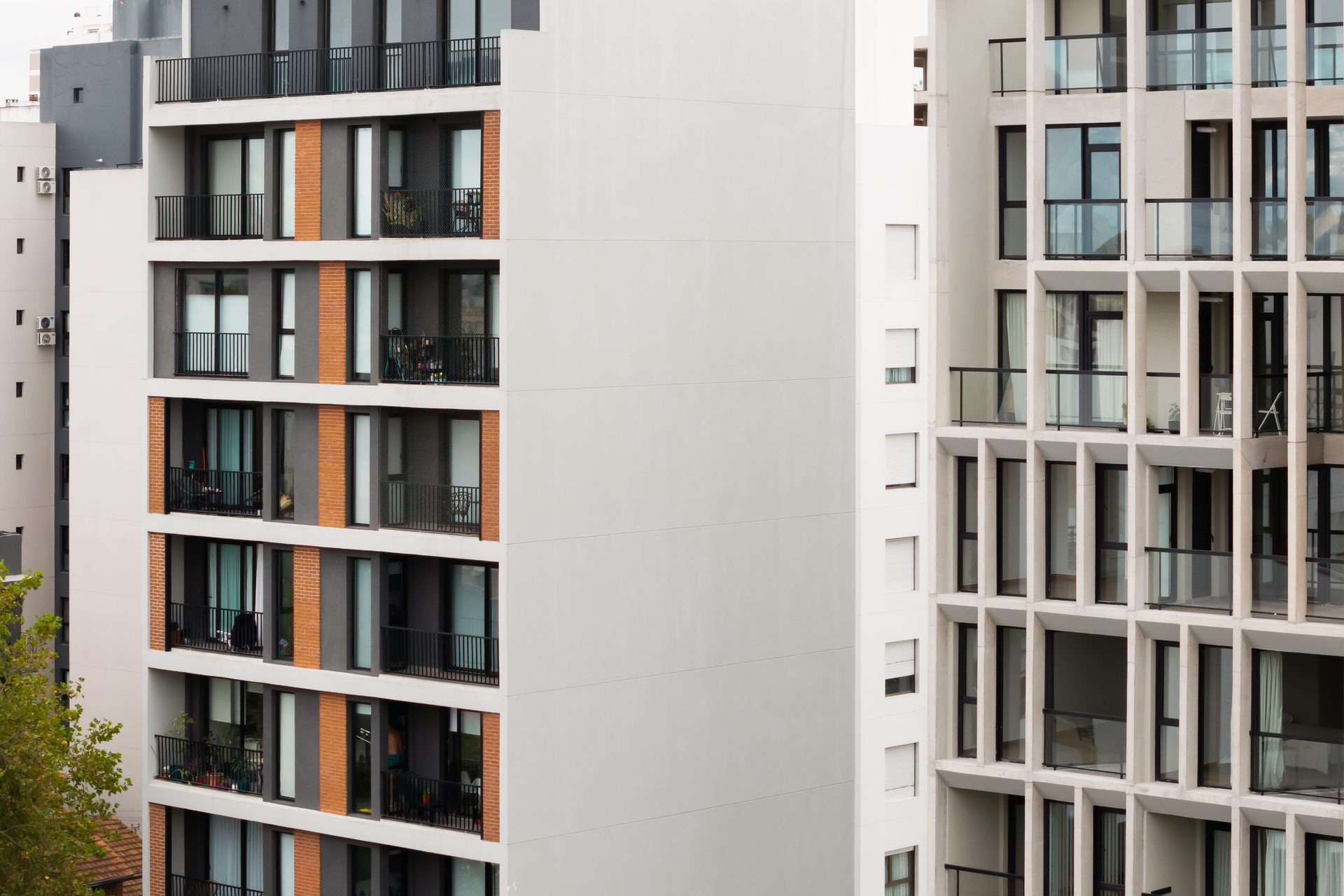
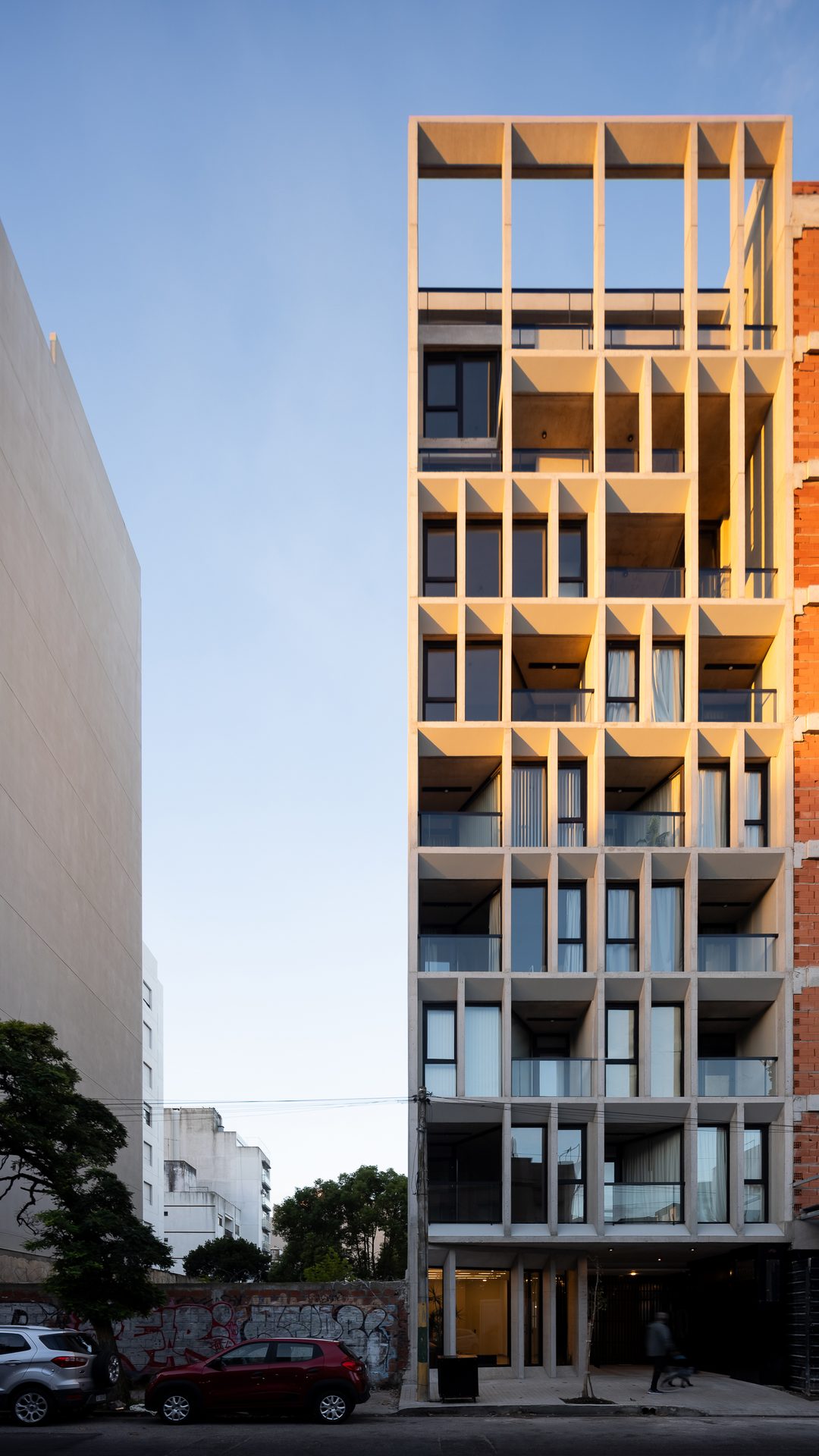
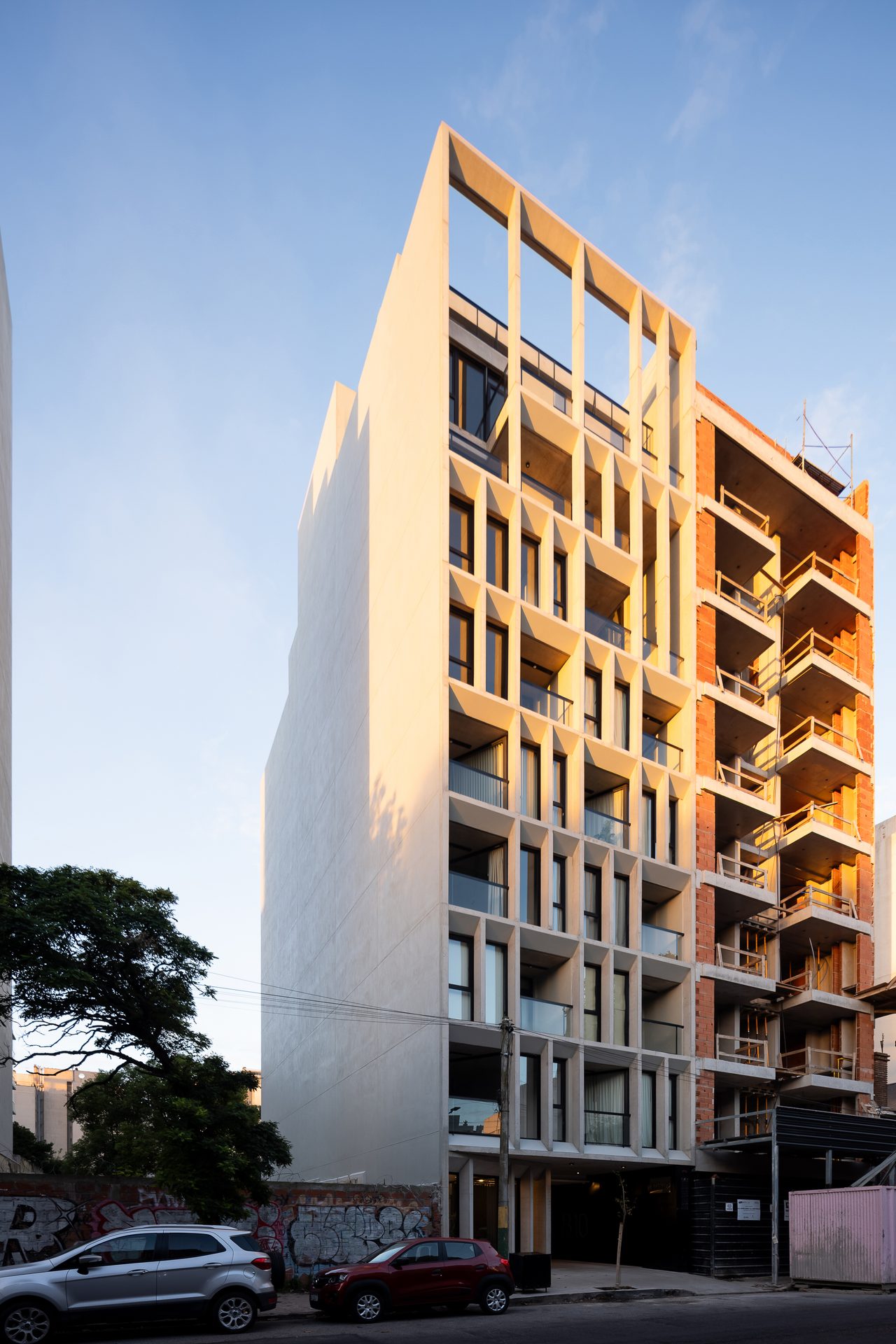
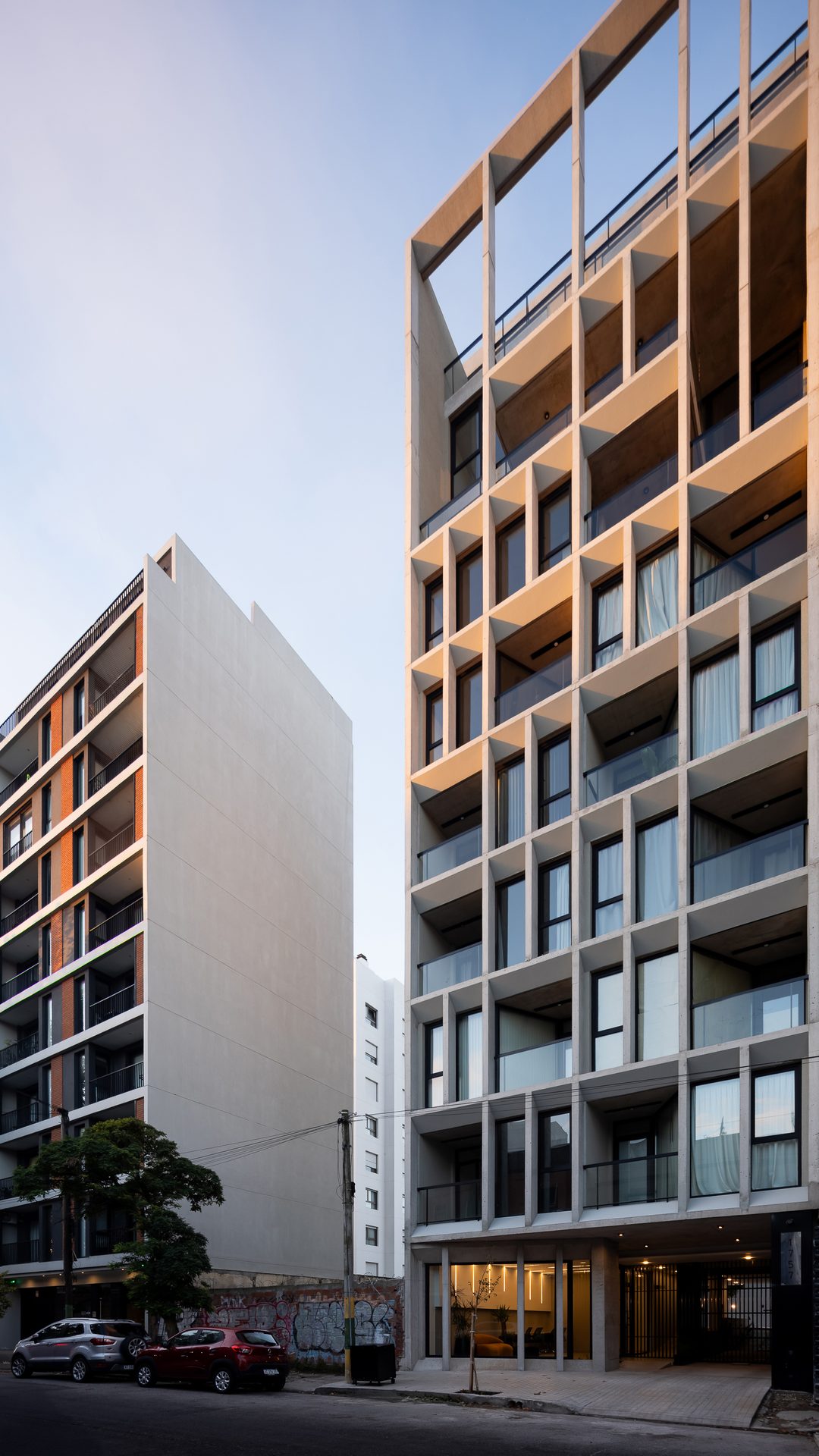
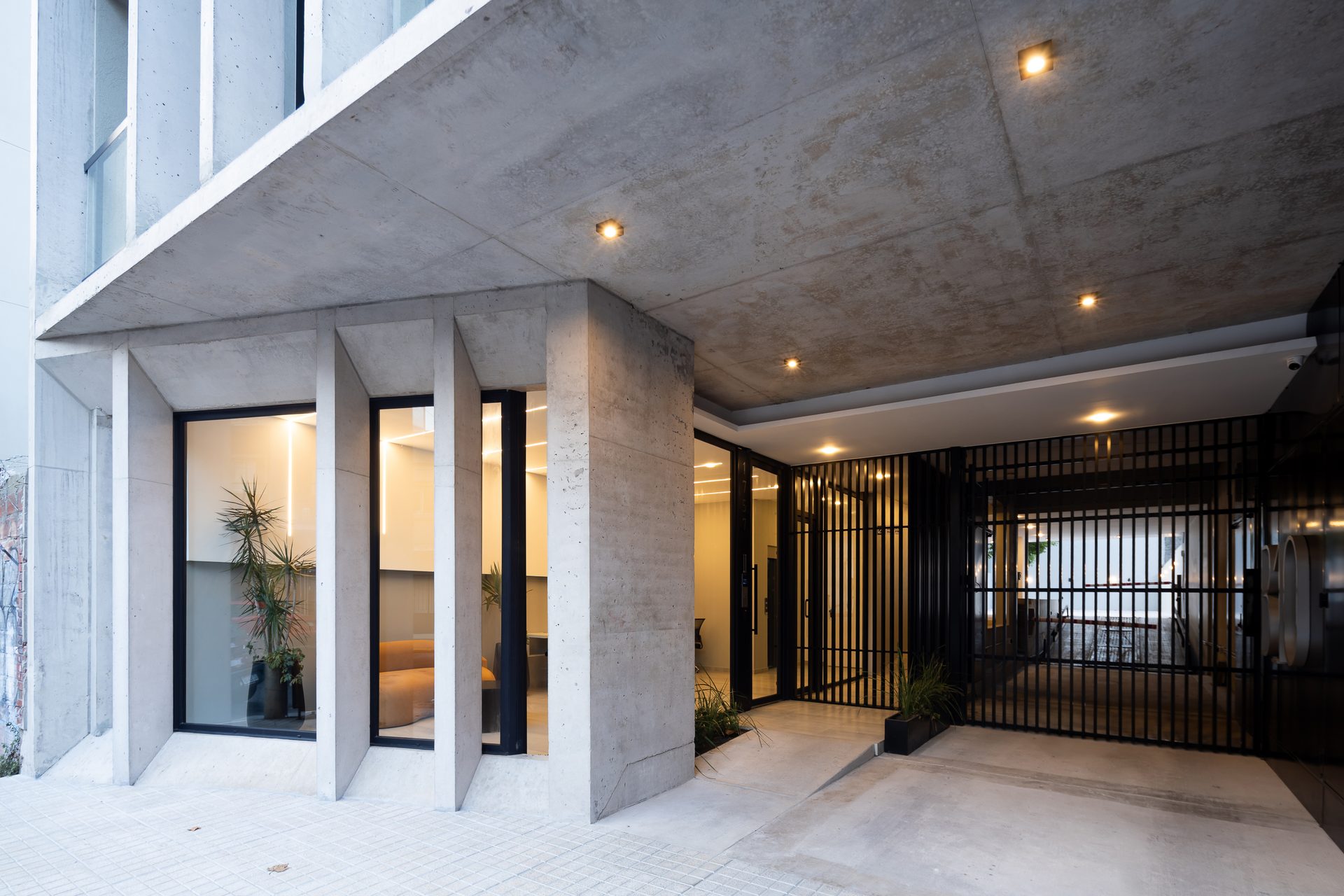
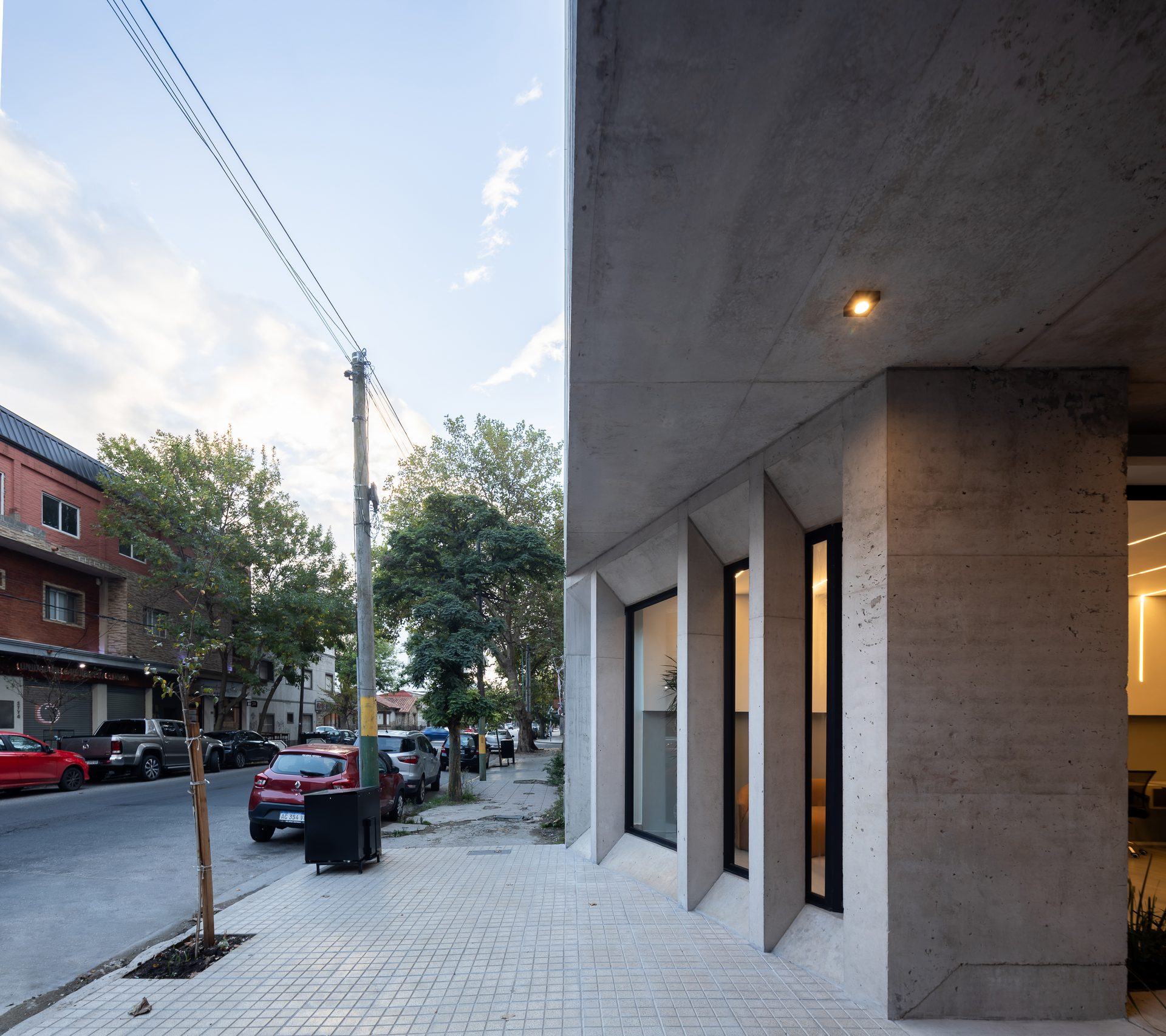
La trama de hormigón visto recorre frente y contrafrente, construyendo una identidad clara a partir de la repetición, la profundidad y el espesor. Más que una envolvente superficial, esta estructura ordena la fachada y le otorga al edificio una presencia reconocible dentro del tejido urbano.

El sistema trabaja con la luz y la sombra a lo largo del día. Los planos verticales y horizontales generan variaciones, protecciones y encuadres que modifican la percepción del edificio según el momento y la posición del observador. La fachada, entonces, no se presenta como una imagen fija, sino como una pieza cambiante que acompaña el ritmo urbano.

Profundidad y escala humana

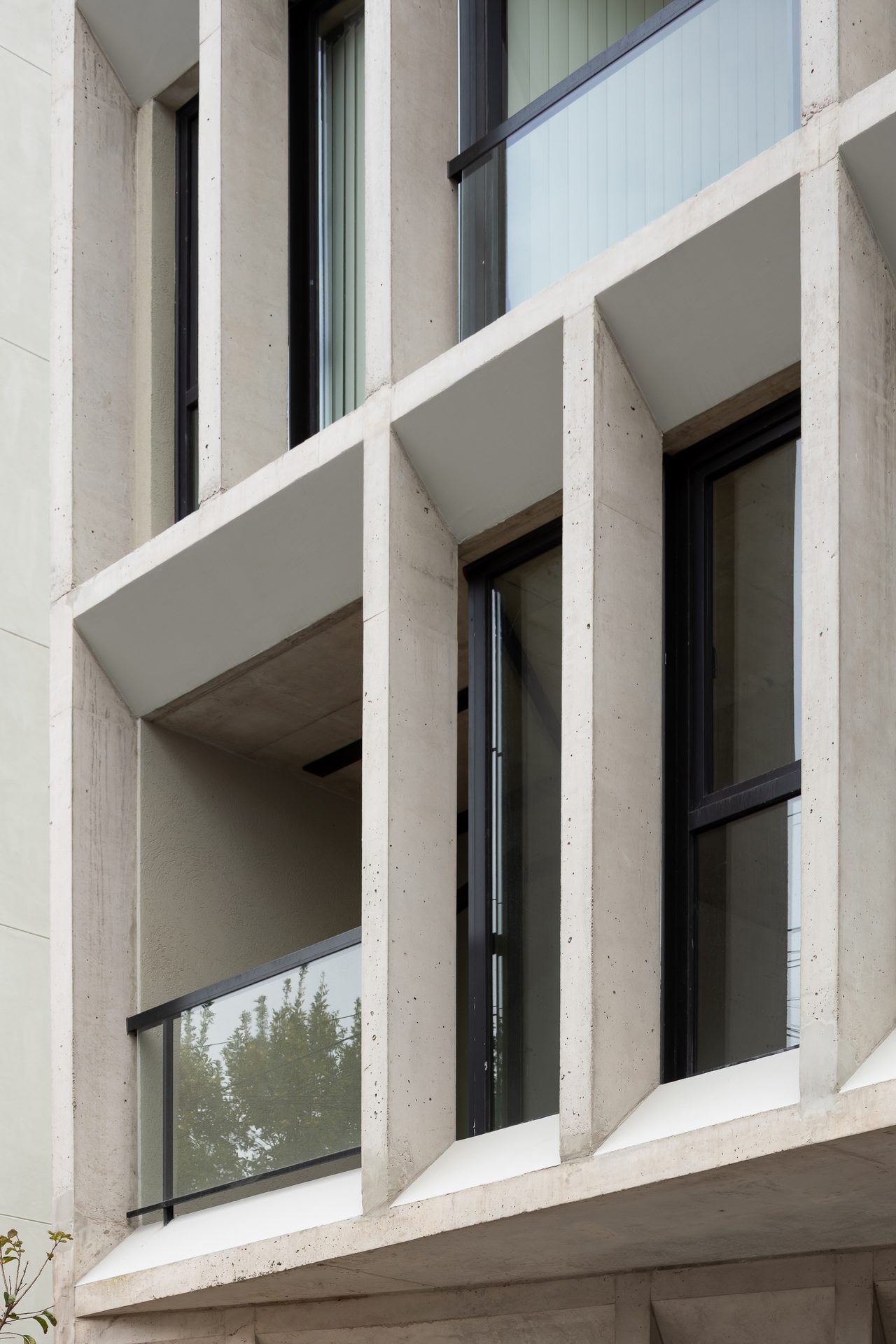
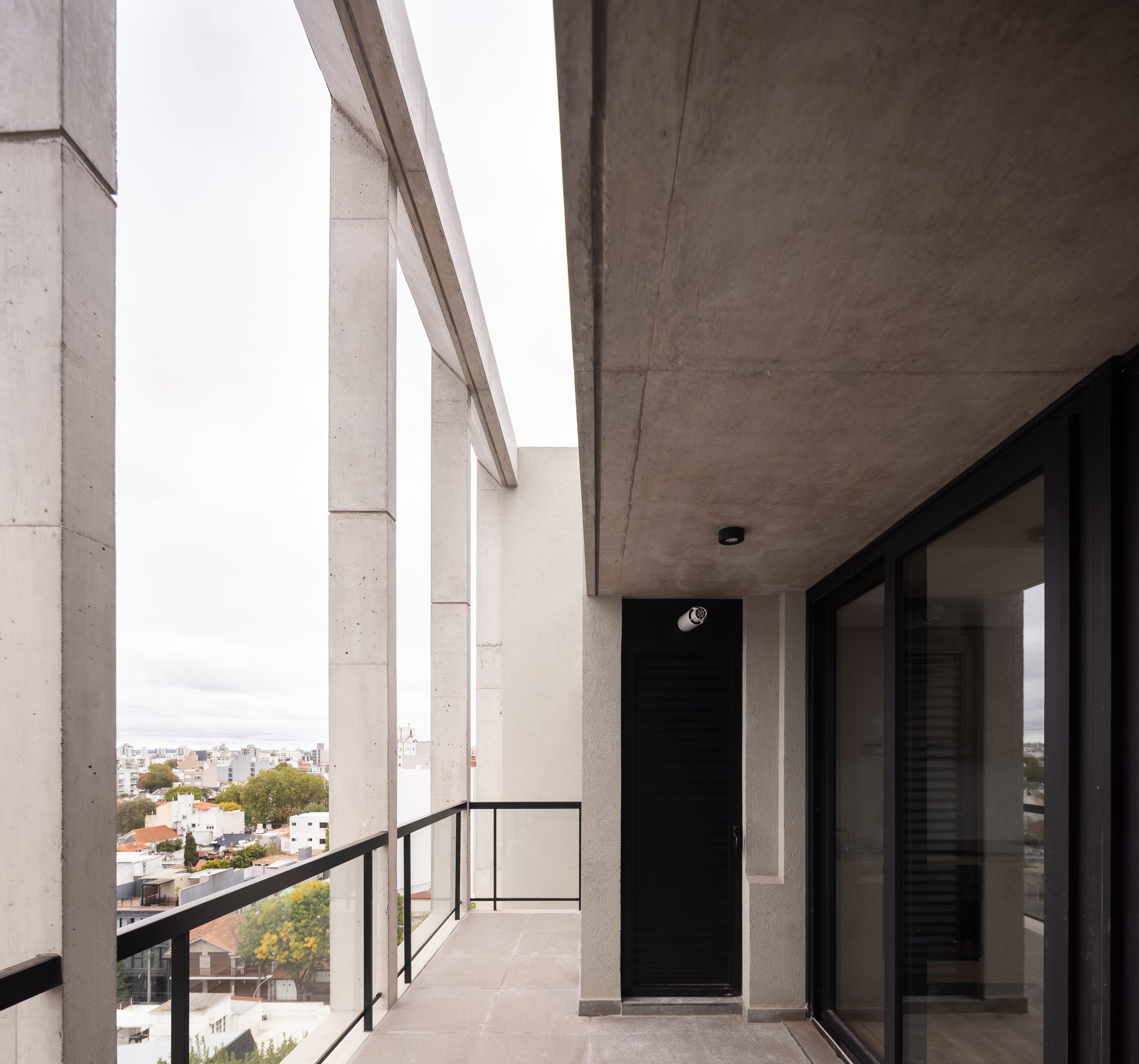
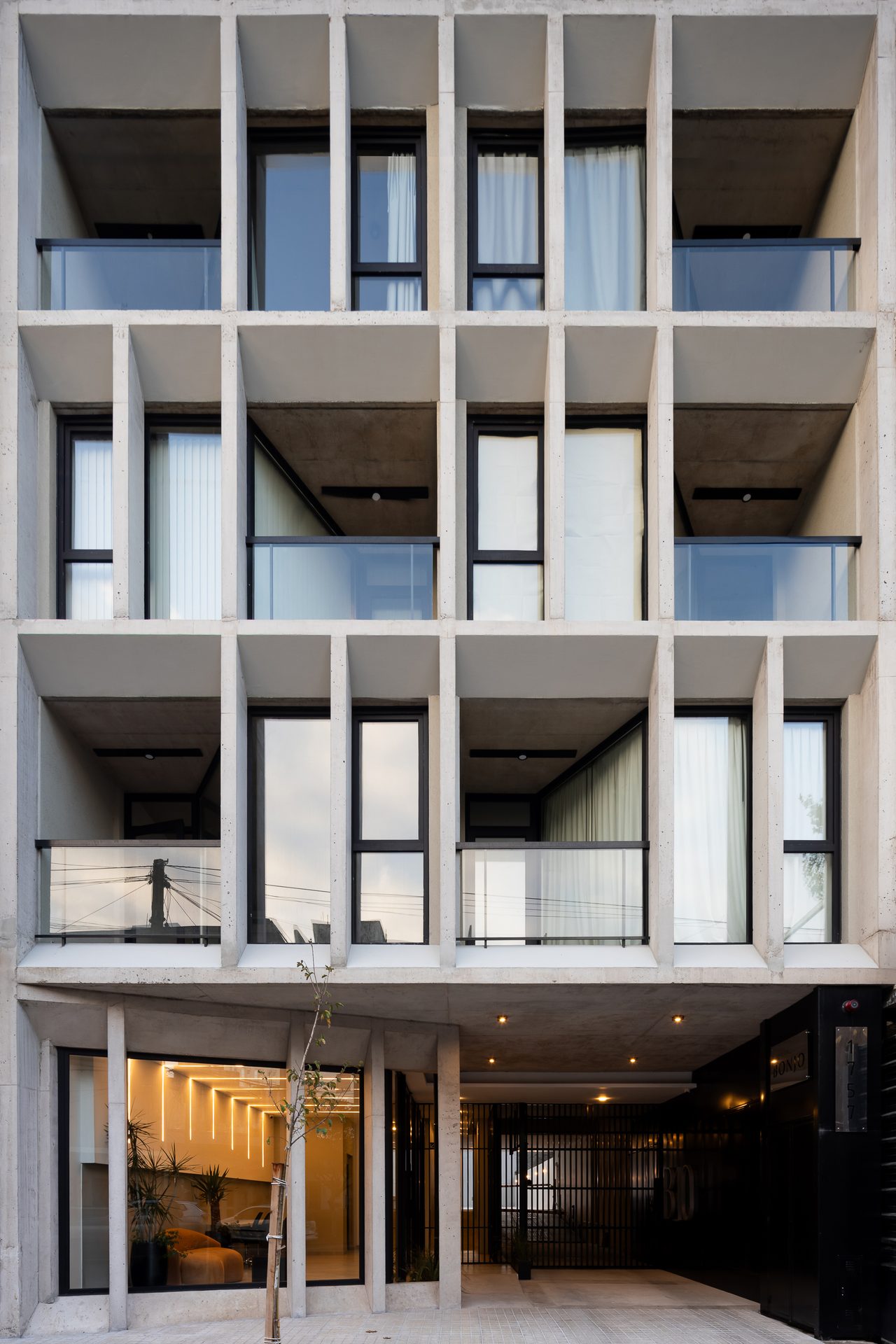
La envolvente construye una transición entre el interior de las viviendas y la ciudad. La profundidad de la trama permite que balcones y aberturas no queden expuestos como simples planos sobre la calle, sino contenidos dentro de un espesor arquitectónico que aporta privacidad, reparo y escala.

Esta operación permite que el edificio dialogue con la ciudad sin perder la dimensión doméstica del habitar. La fachada funciona como filtro: deja entrar luz, habilita visuales y relación con el exterior, pero también protege la intimidad de cada unidad.

Planta baja activa

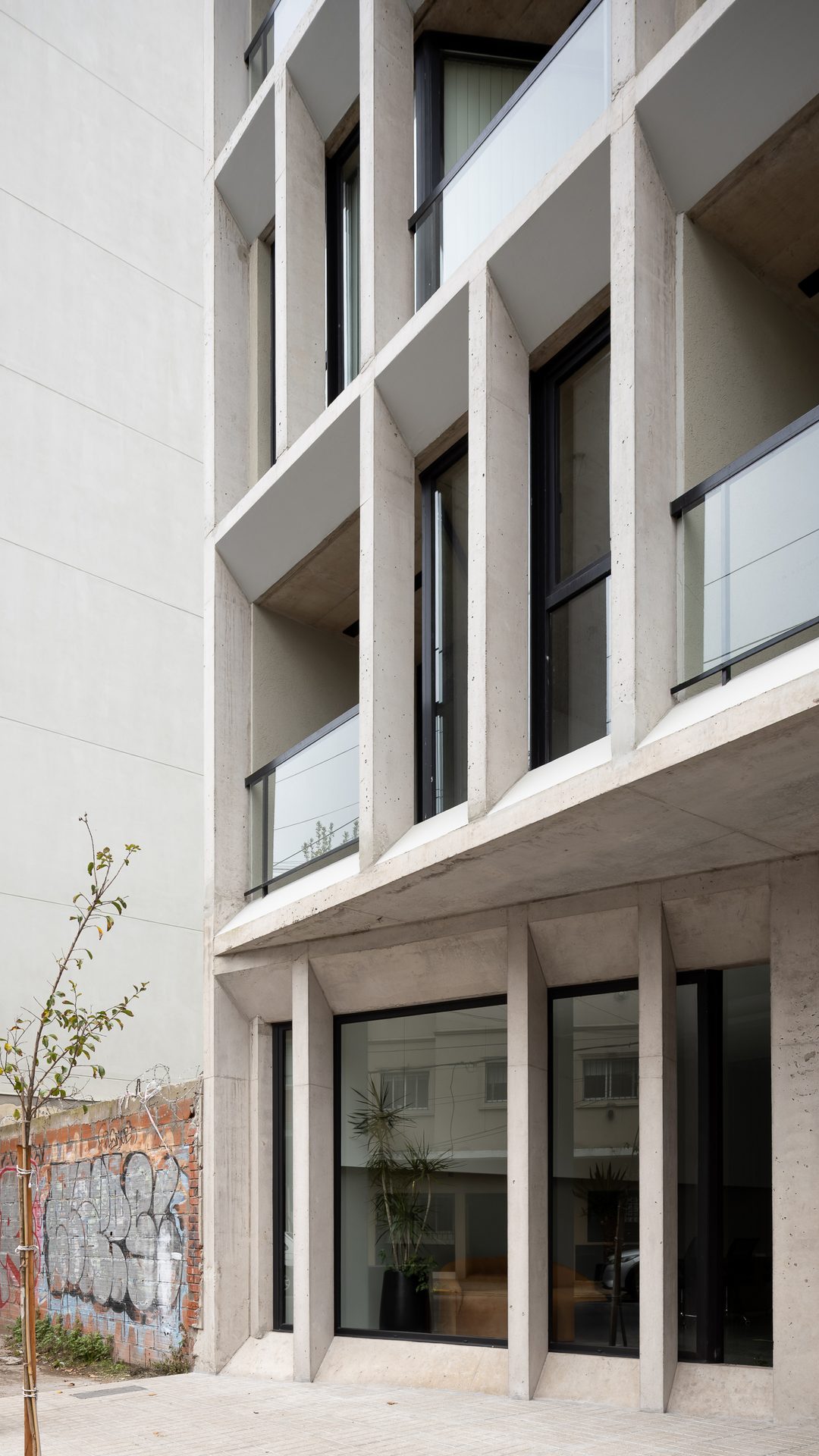
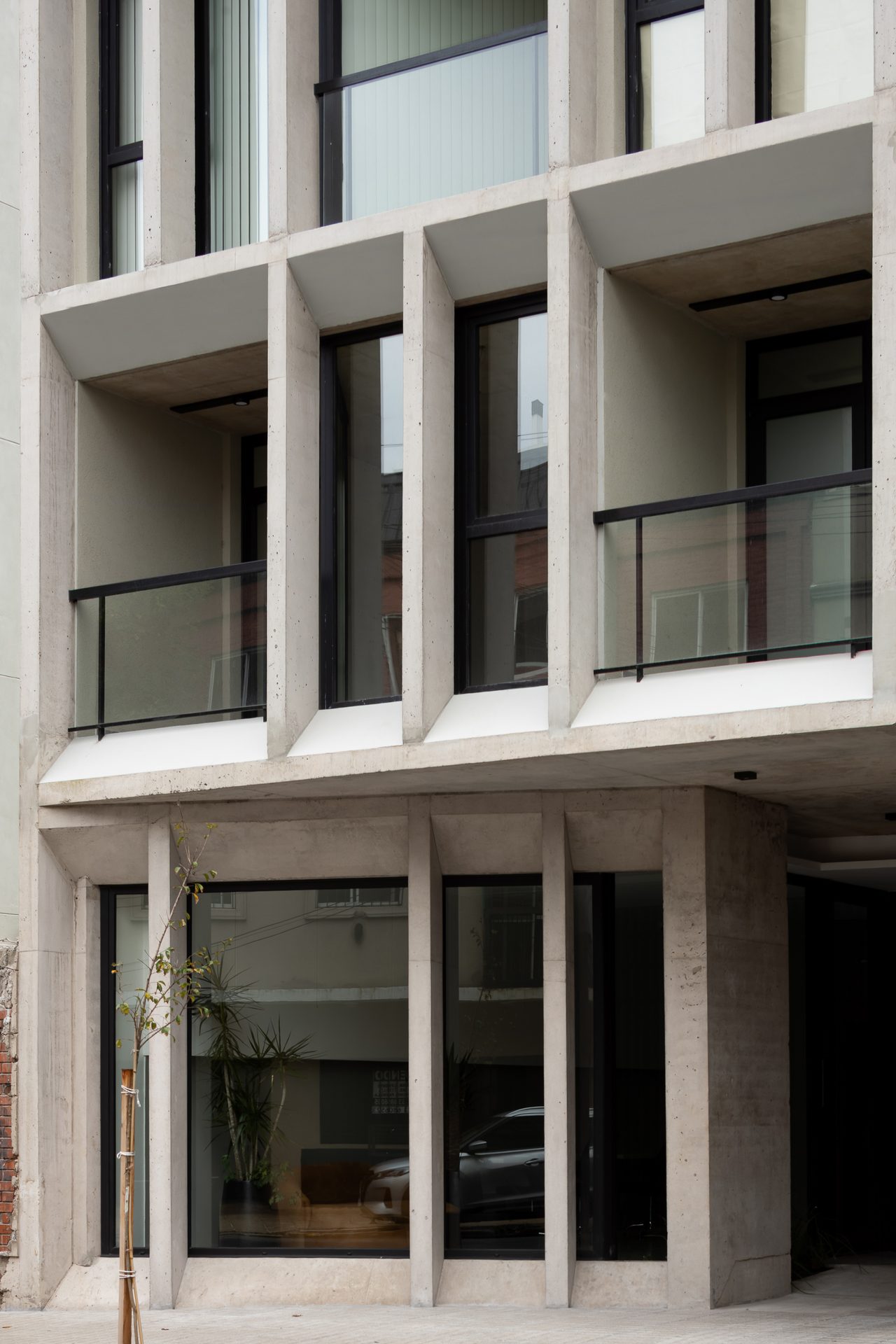
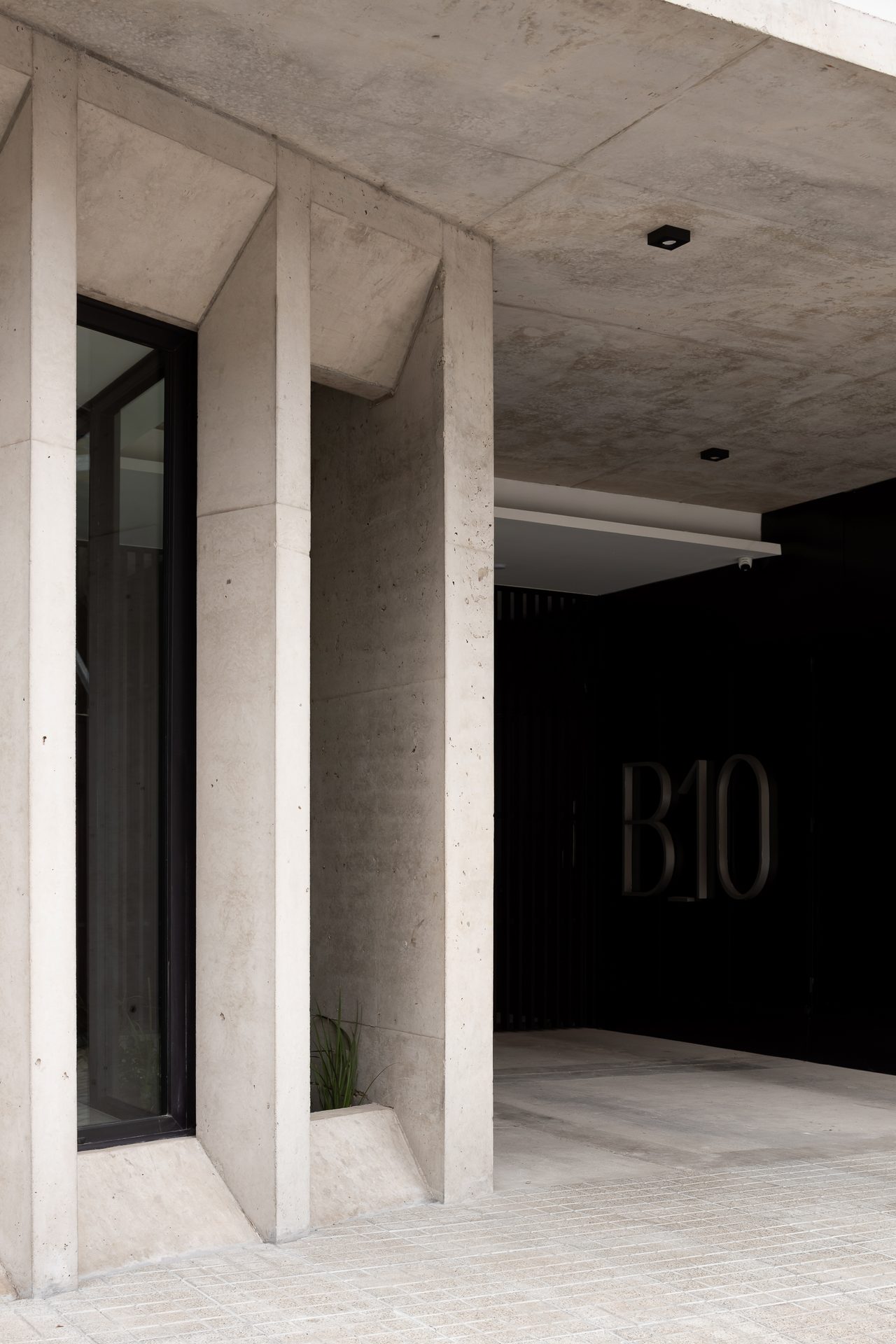
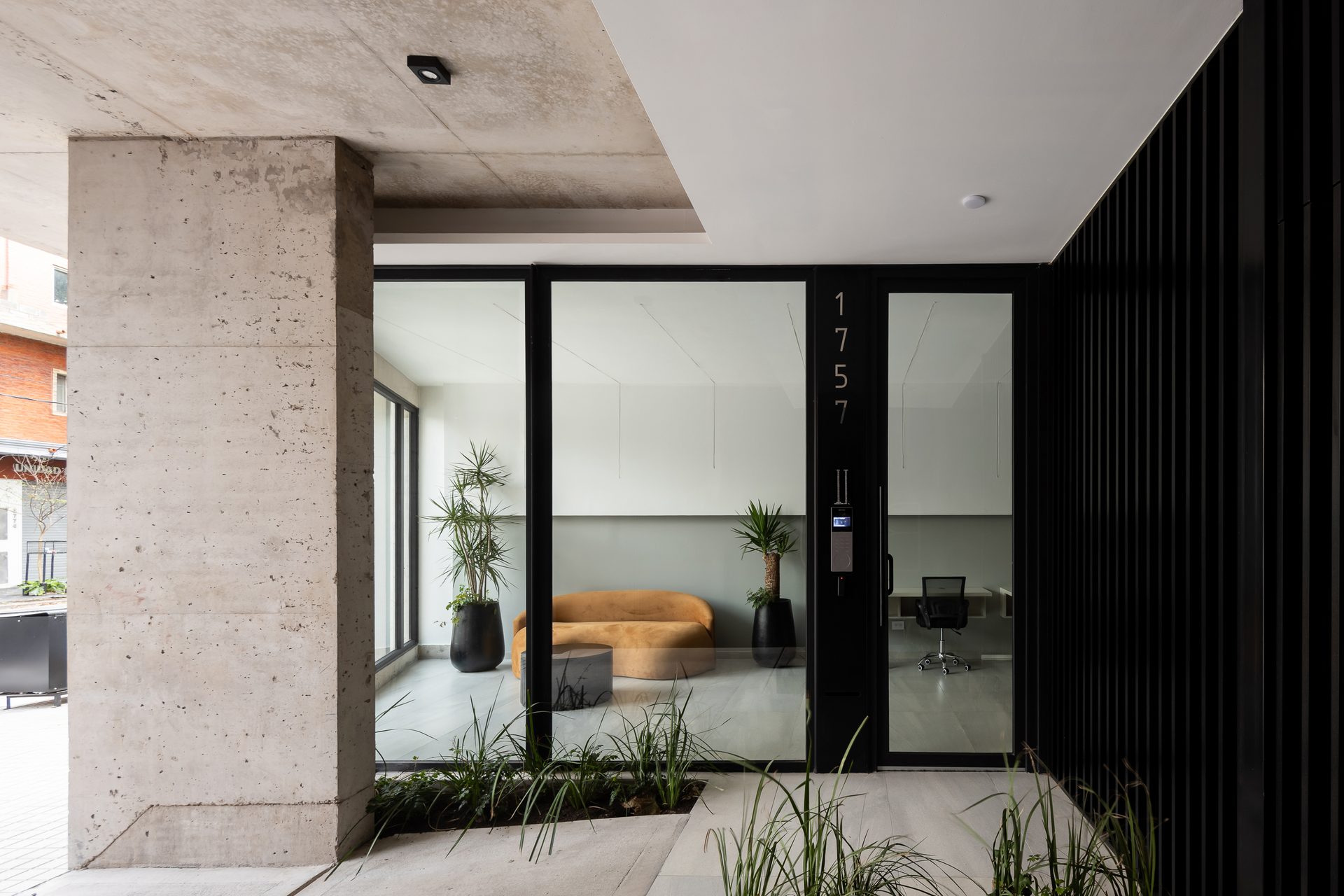
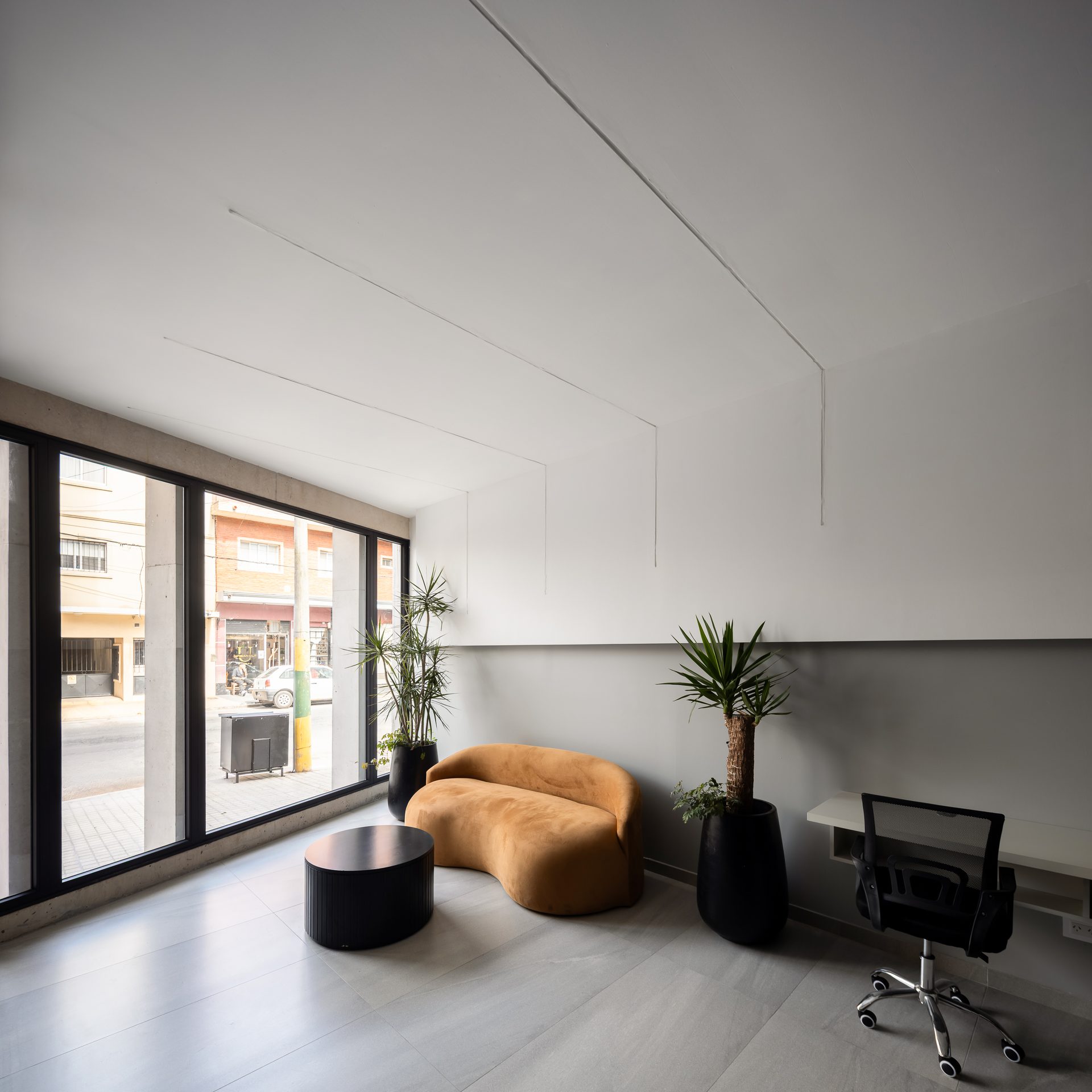
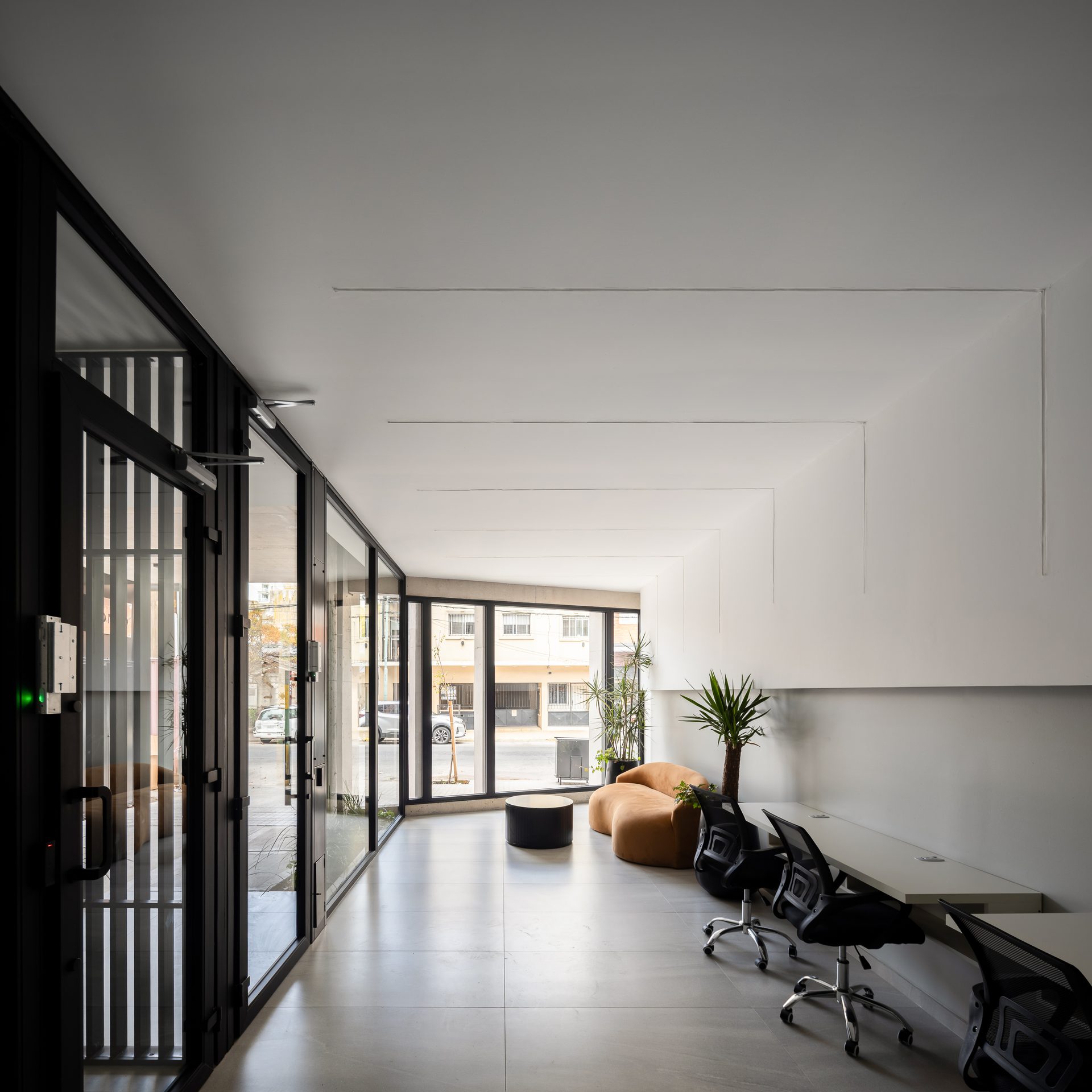
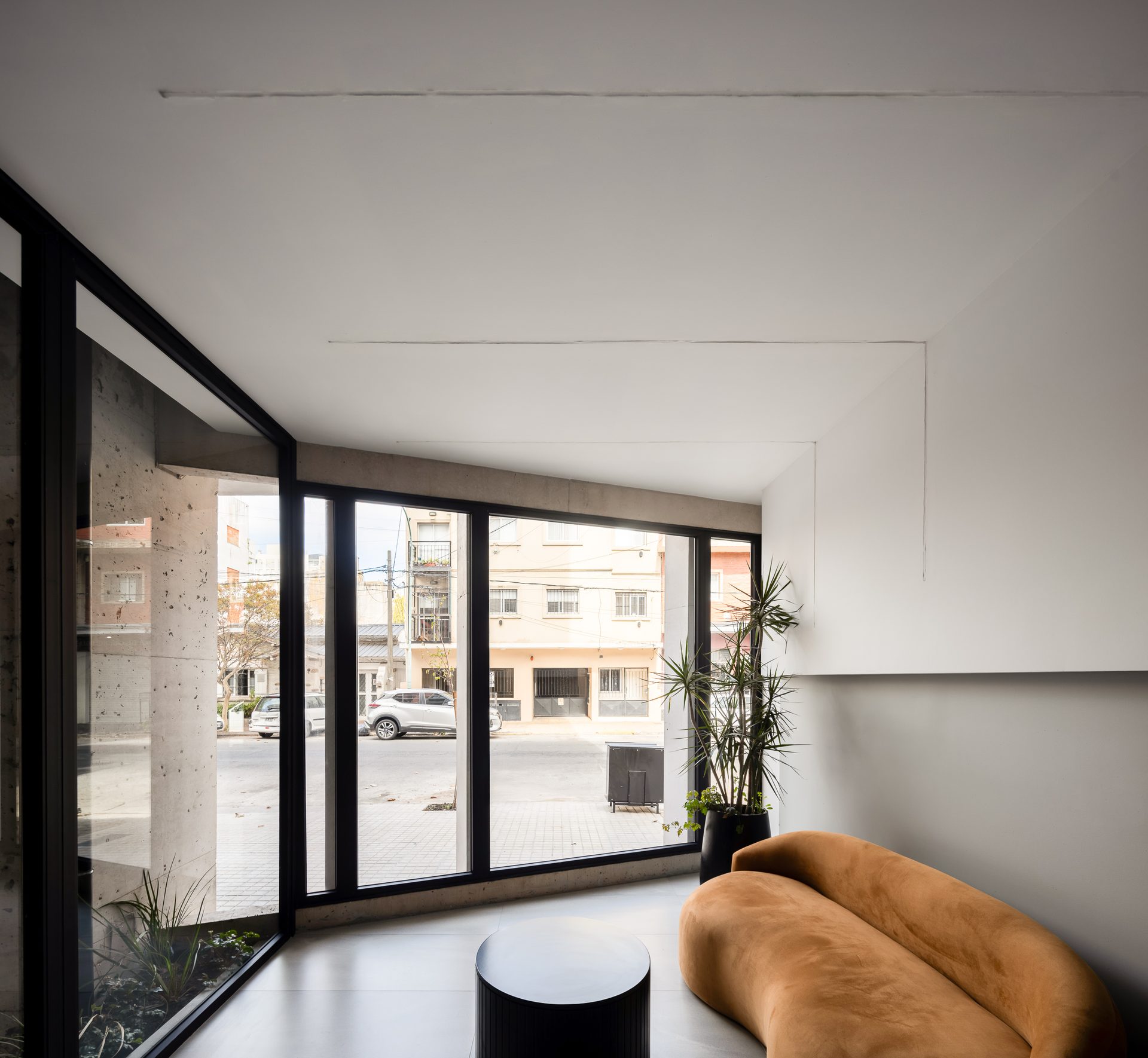
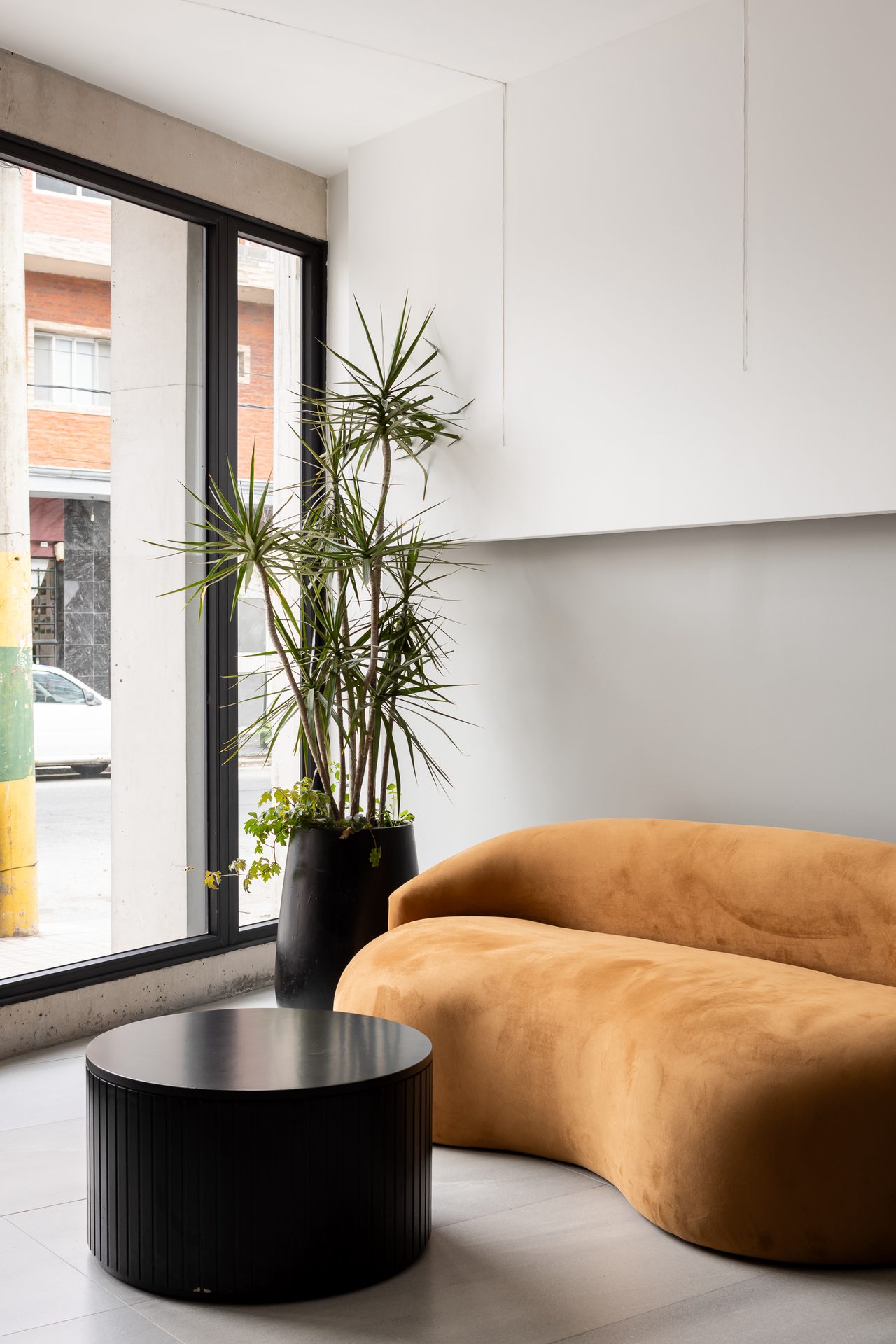
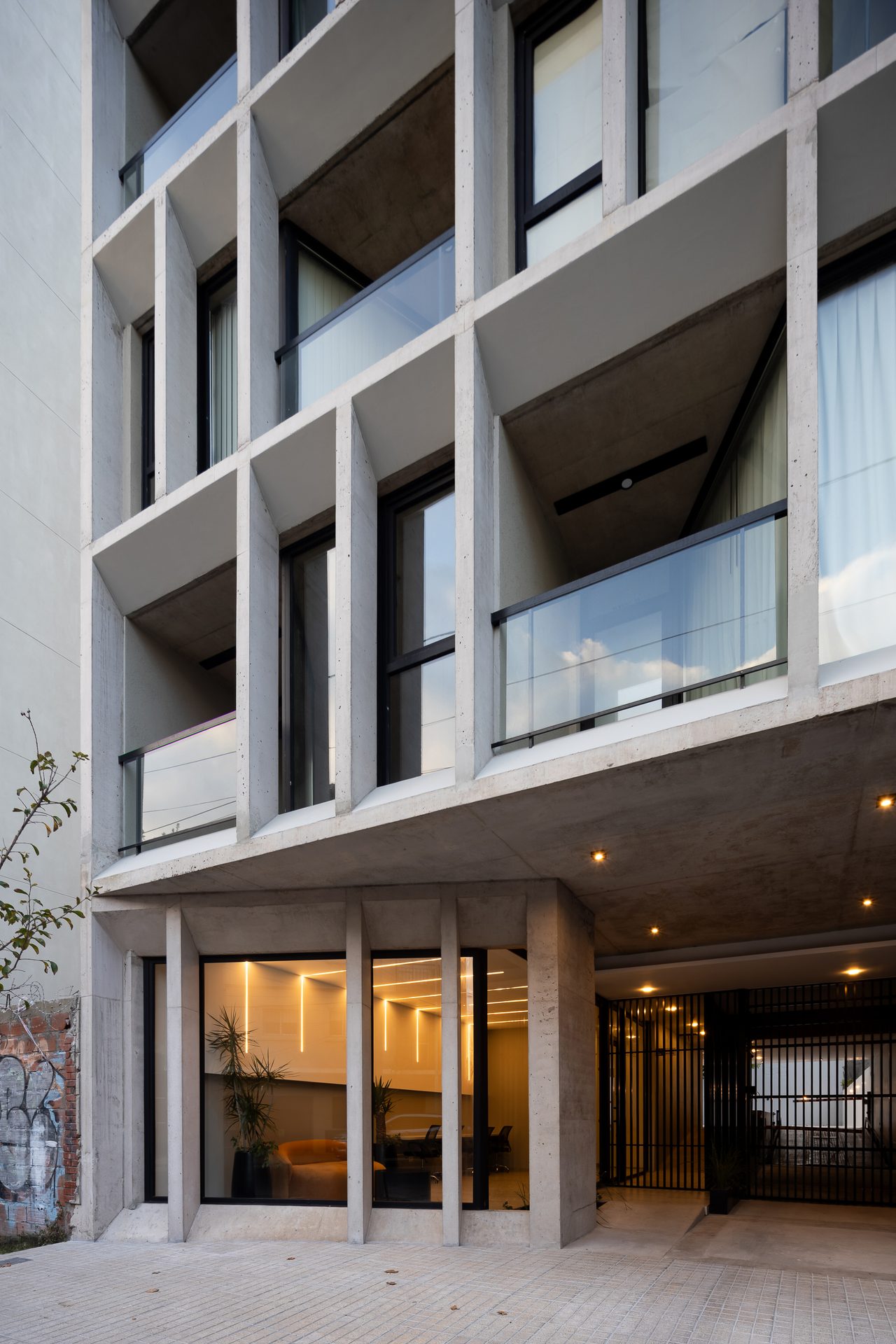
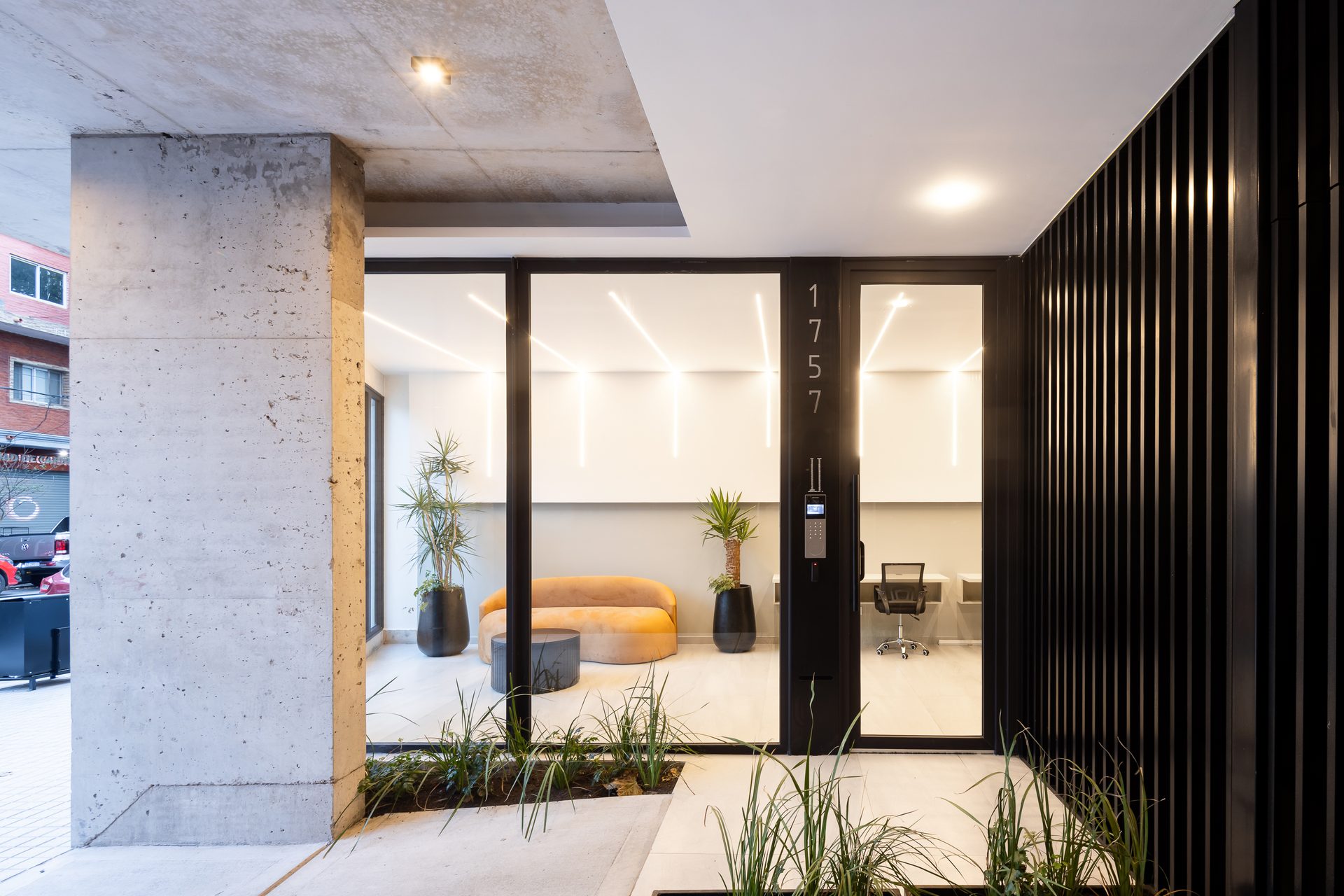
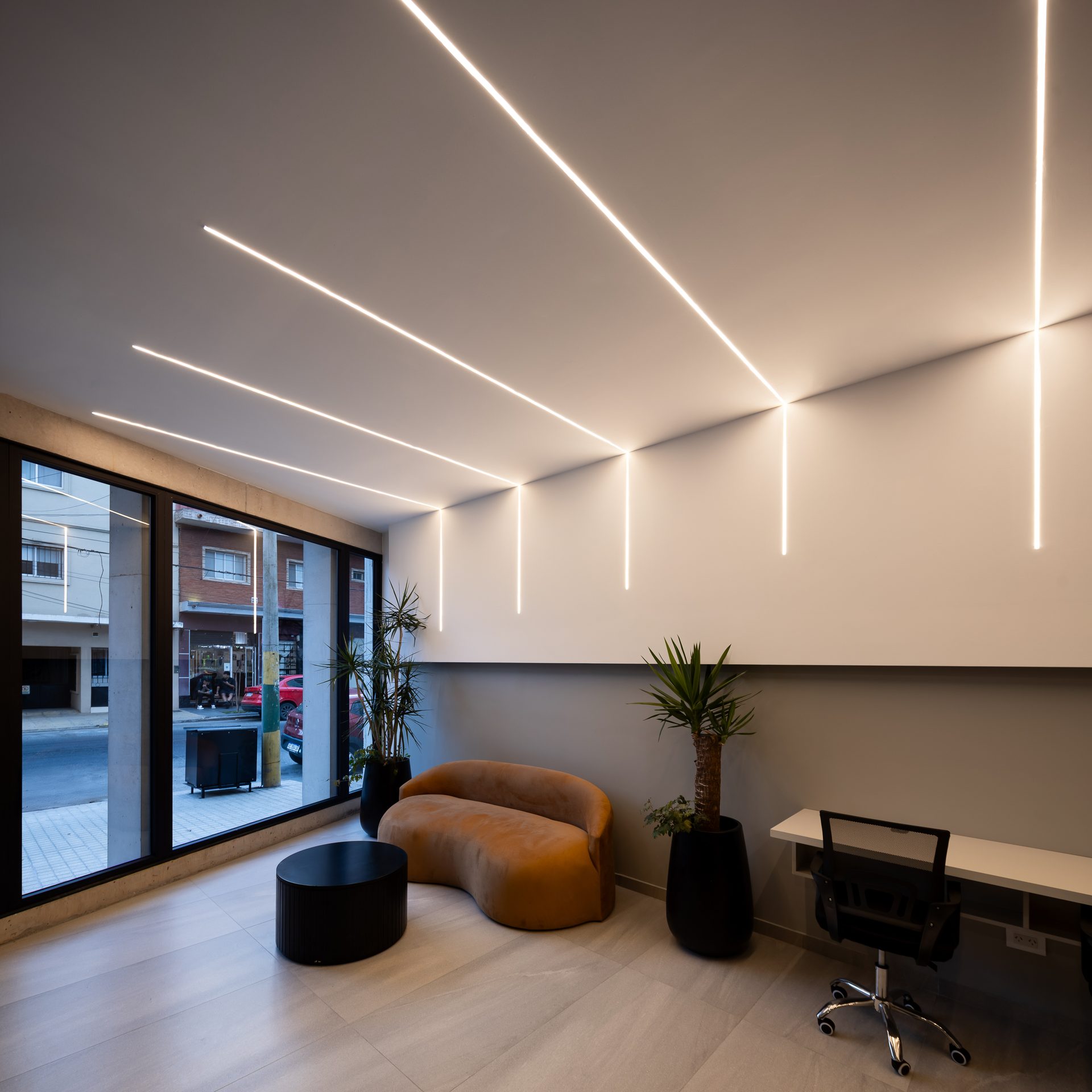
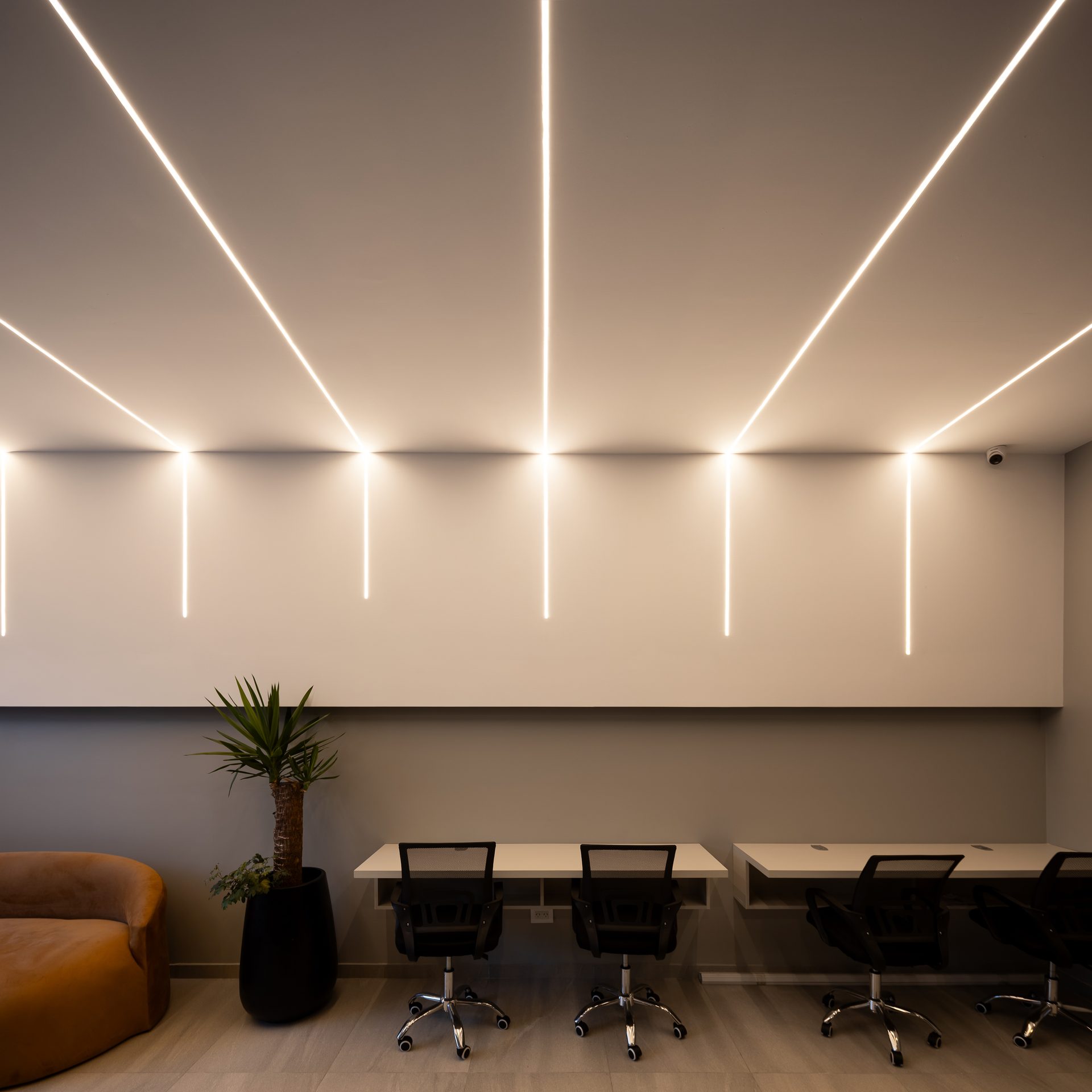
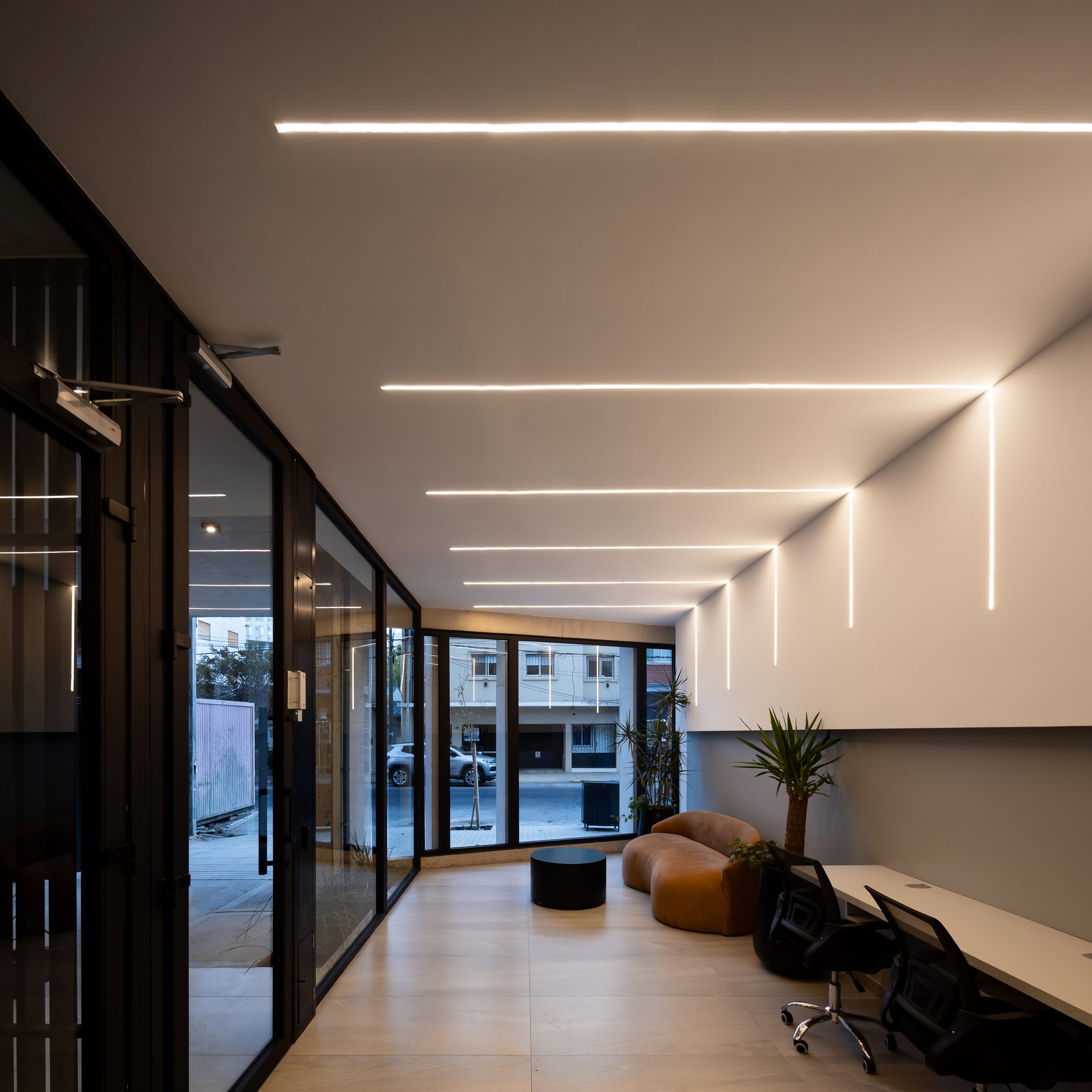
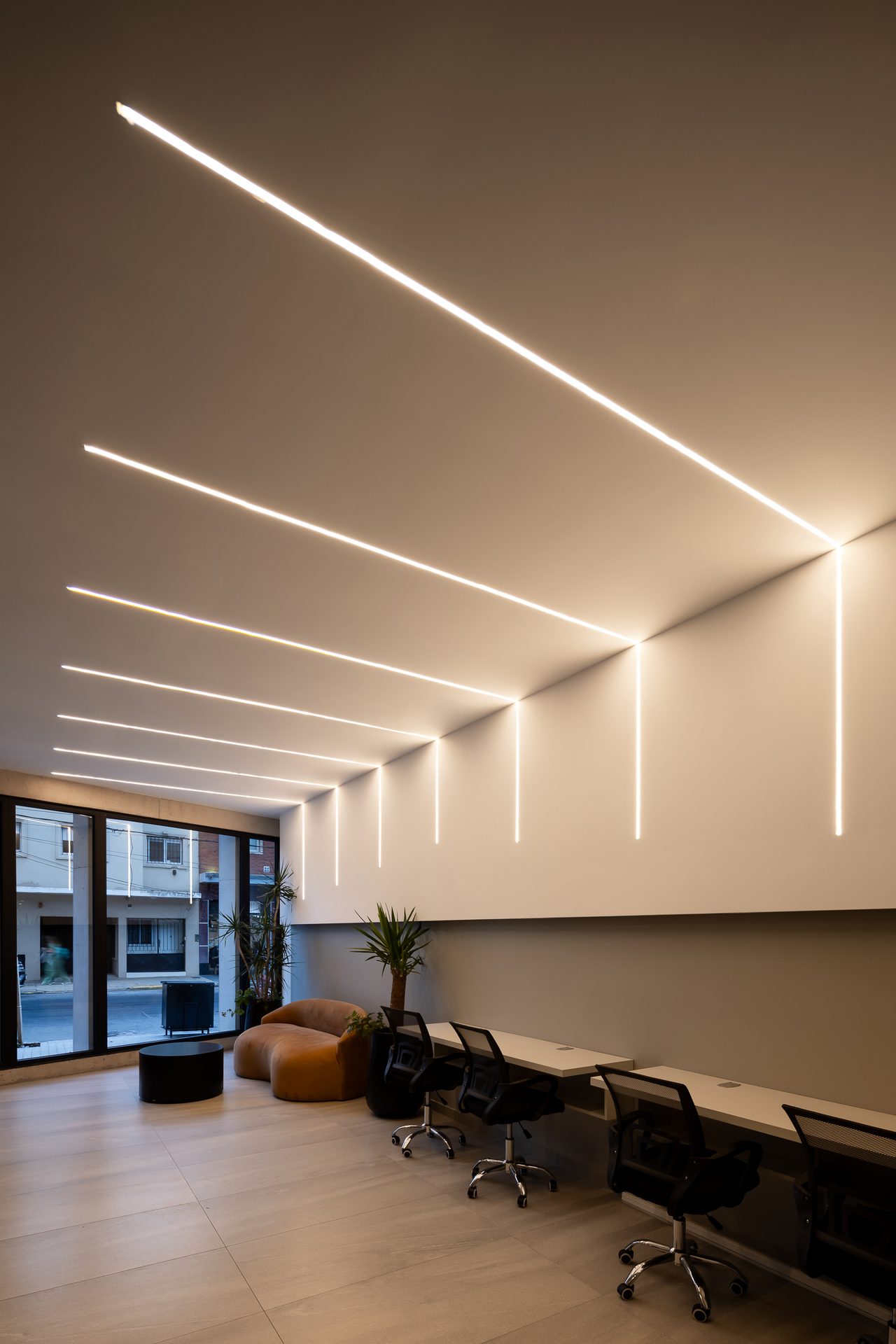
La planta baja incorpora un espacio de co-working abierto y flexible, vinculado visualmente con la calle. Esta decisión amplía el rol del edificio más allá de la vivienda, incorporando un programa asociado a nuevas formas de vida urbana, donde trabajo, encuentro y residencia tienden a superponerse.

El co-working aporta actividad al nivel de acceso y construye una relación más directa entre edificio y ciudad. La planta baja deja de ser un espacio meramente funcional para convertirse en un ámbito de intercambio, apertura y uso cotidiano.

Materialidad

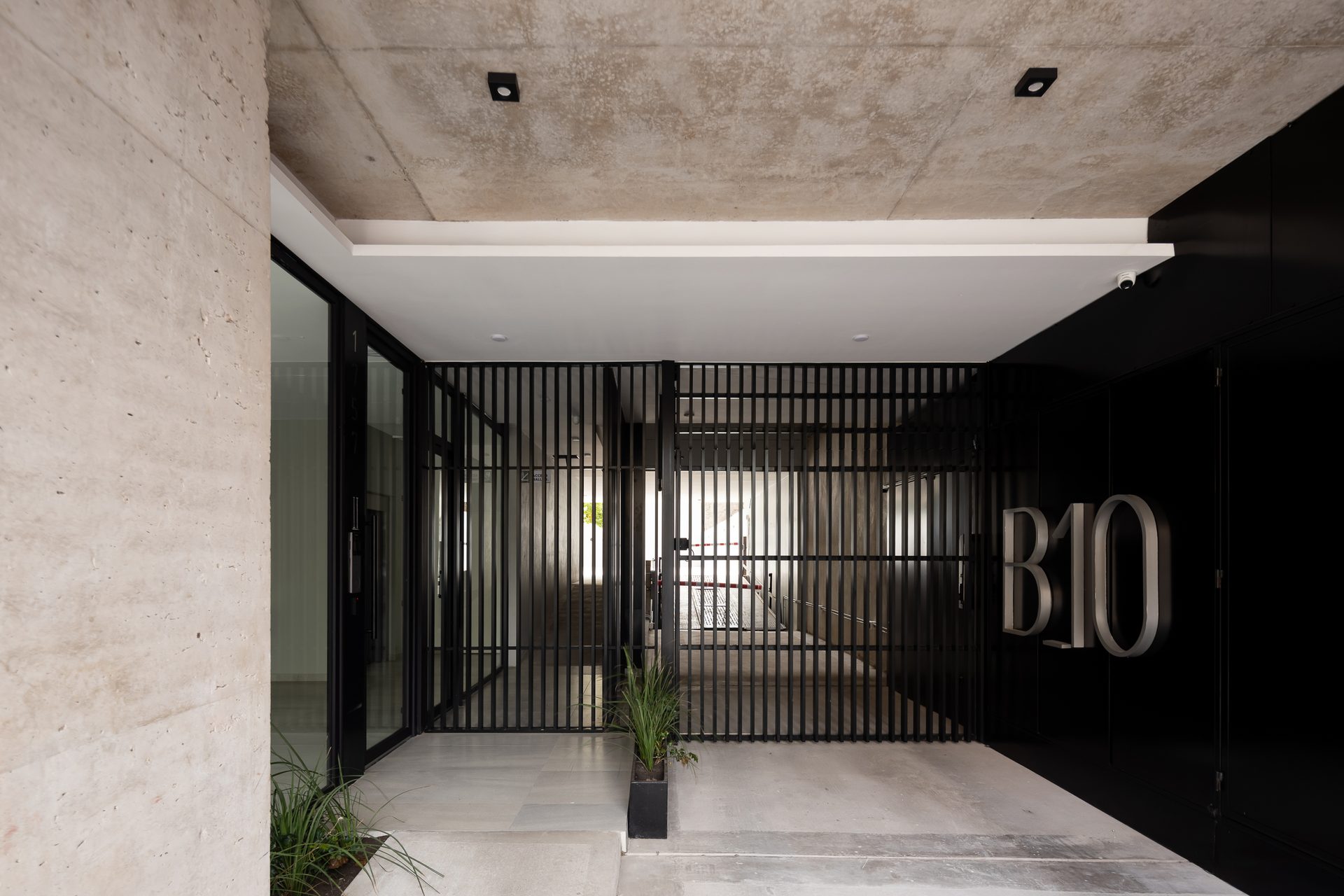
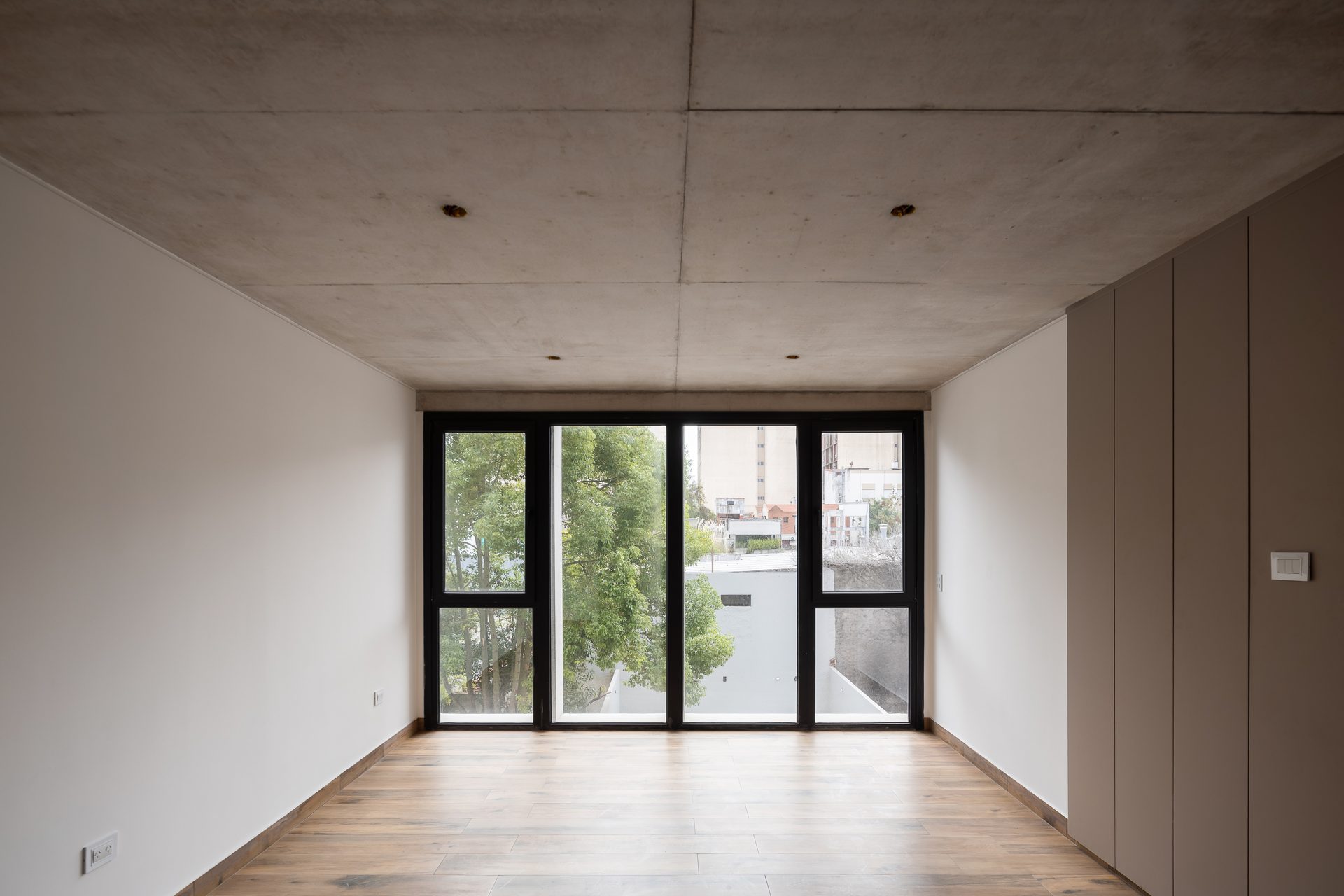
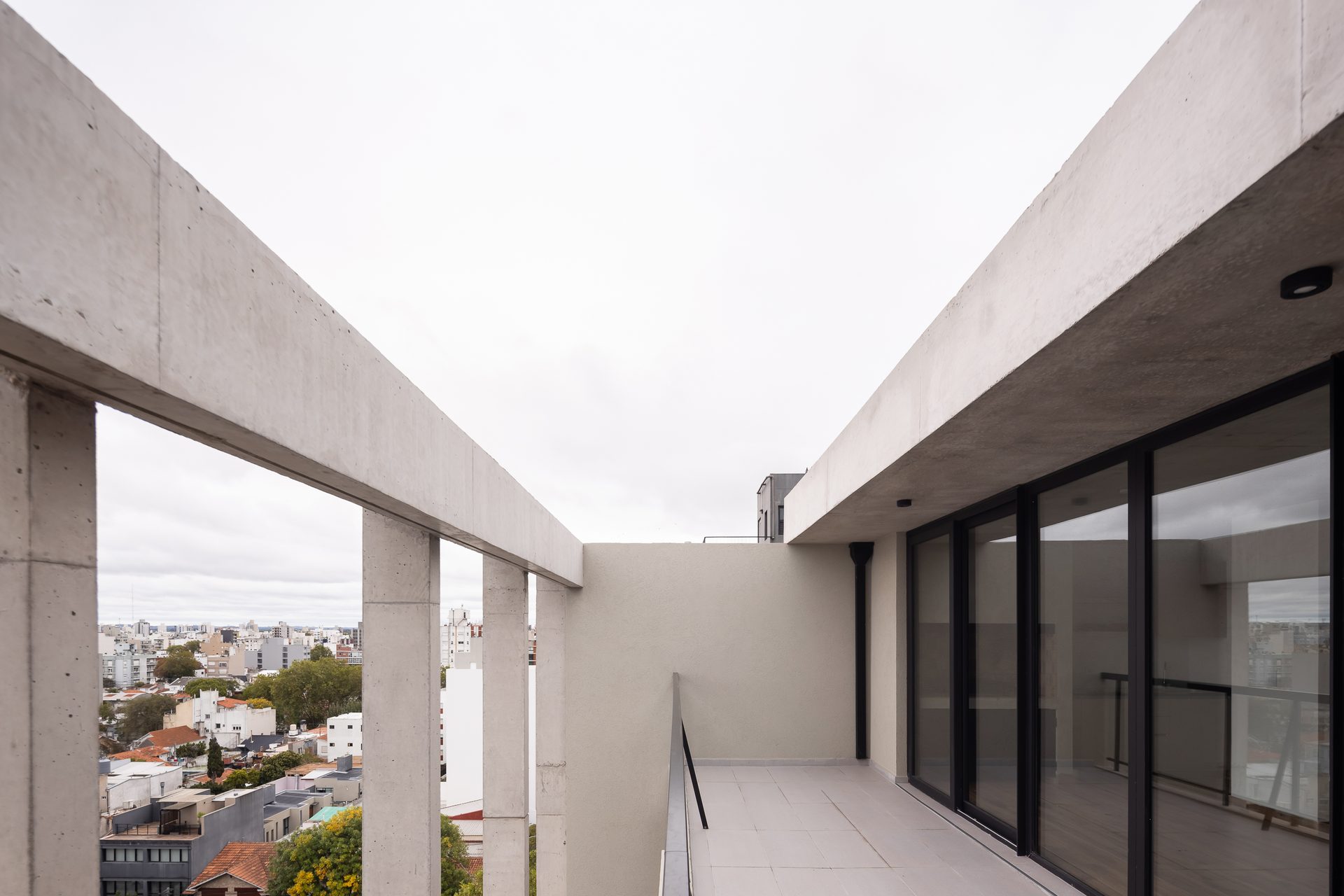
El hormigón visto define el carácter del proyecto. Su presencia aporta solidez, permanencia y precisión, pero también una dimensión sensible vinculada a la textura, la luz y el paso del tiempo.

La materialidad no aparece como revestimiento, sino como parte constitutiva de la expresión arquitectónica. Estructura, fachada y atmósfera se integran en una misma operación, construyendo una imagen contemporánea, austera y duradera.

Habitar

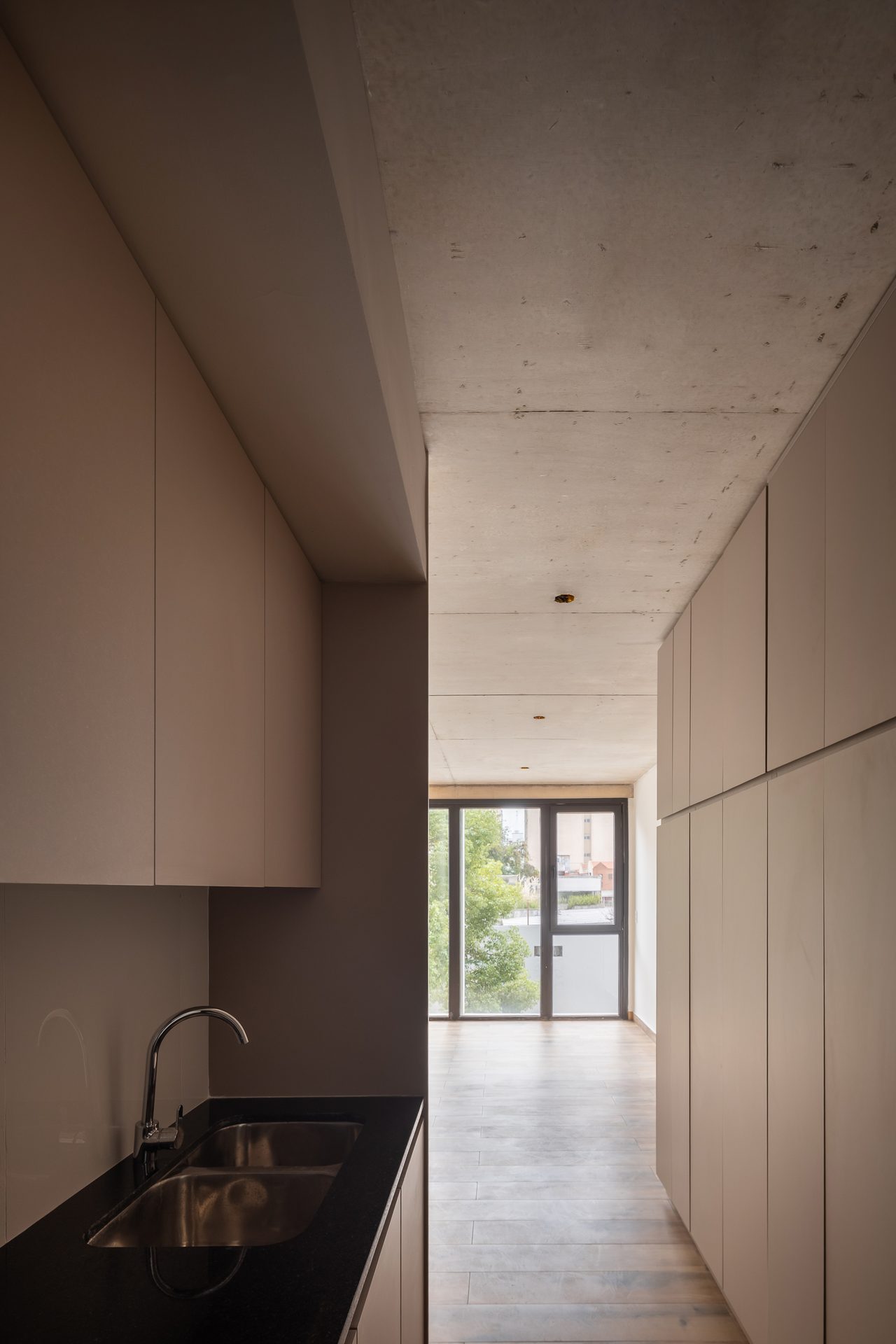
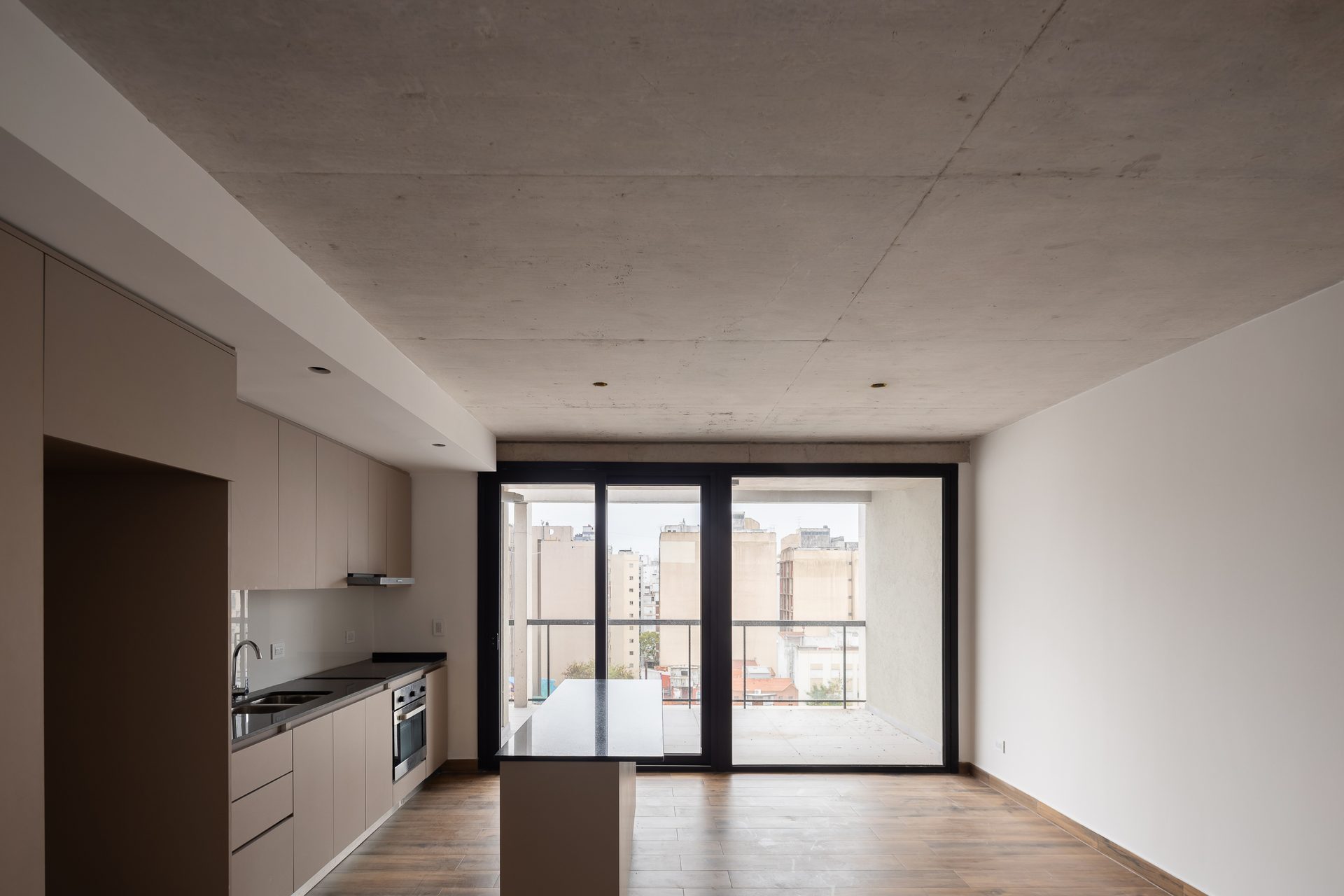
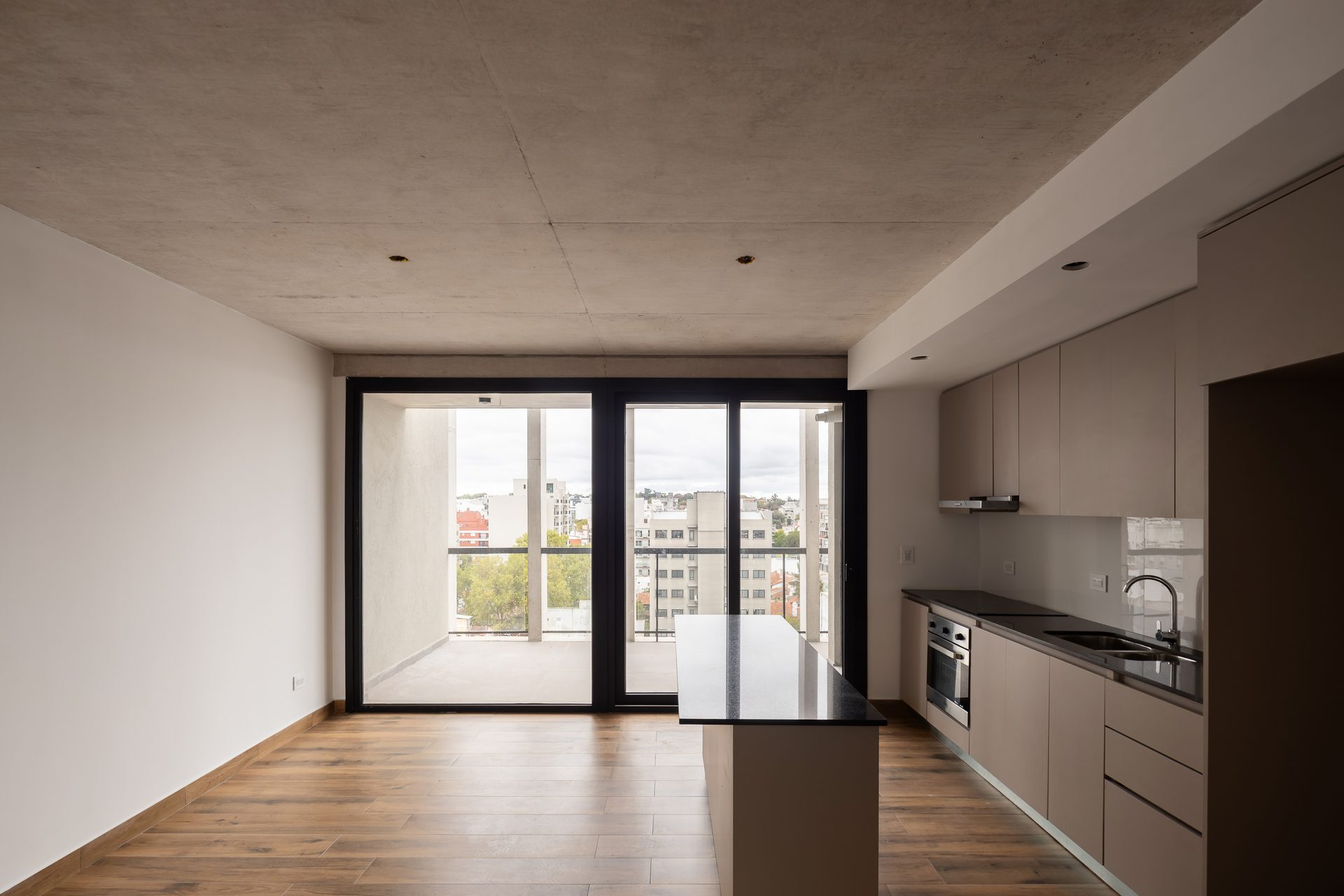
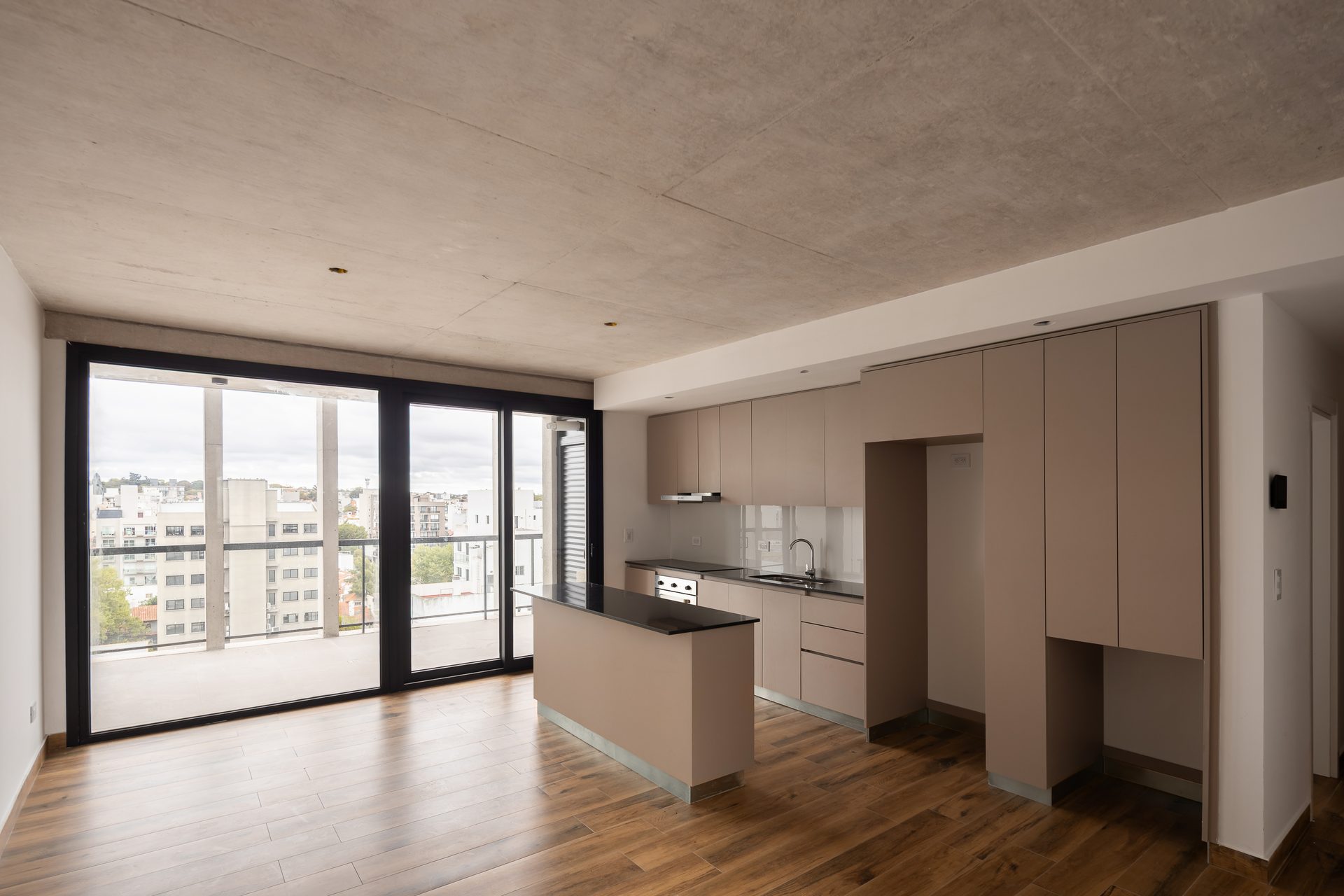
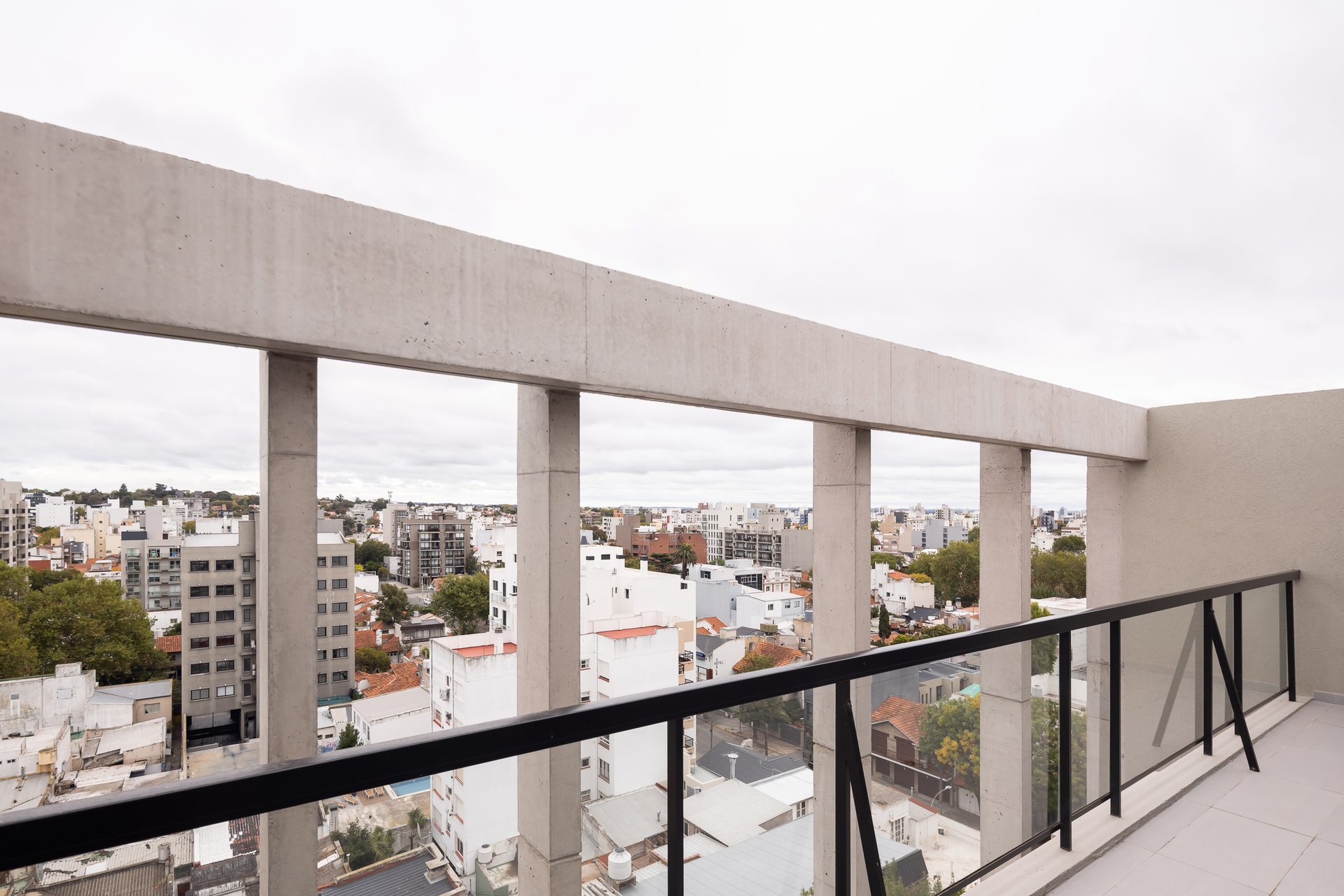
Cada unidad se organiza buscando optimizar la relación entre interior y exterior. Las expansiones, la luz natural y la profundidad de fachada permiten ampliar la experiencia cotidiana del habitar, incorporando aire, sombra y visuales como parte de la vida doméstica.

B10 no entiende la vivienda colectiva como una repetición indiferenciada de unidades, sino como una oportunidad para producir calidad espacial dentro de la densidad urbana.

Ciudad

Más que resolver un edificio residencial, B10 propone una forma de construir ciudad desde la arquitectura. La trama, la planta baja activa y la materialidad buscan generar una relación de enriquecimiento mutuo entre edificio y entorno.

In this sense, architecture is understood as a mediation between the domestic and the public. Every design decision seeks to improve the experience of dwelling — natural light, privacy, expansions, shared spaces — and, at the same time, to build an urban presence capable of enriching the street.

"Architecture is the art of giving form to places where life can happen."

The Fabric

The exposed concrete framework runs across both the street facade and the rear facade, building a clear identity through repetition, depth and thickness. More than a surface envelope, this structure orders the facade and gives the building a recognisable presence within the urban fabric.

The system works with light and shadow throughout the day. The vertical and horizontal planes generate variations, protection and framing that modify the perception of the building according to the moment and the observer's position. The facade, therefore, does not present itself as a fixed image, but as a changing piece that accompanies the urban rhythm.

Depth and Human Scale

The envelope builds a transition between the interior of the dwellings and the city. The depth of the framework means that balconies and openings are not exposed as mere planes on the street, but contained within an architectural thickness that contributes privacy, shelter and scale.

This operation allows the building to engage with the city without losing the domestic dimension of dwelling. The facade acts as a filter: it admits light, enables views and a relationship with the exterior, but also protects the privacy of each unit.

Active Ground Floor

The ground floor incorporates an open and flexible co-working space, visually connected to the street. This decision extends the building's role beyond housing, incorporating a programme associated with new forms of urban life, where work, encounter and residence tend to overlap.

The co-working brings activity to the access level and builds a more direct relationship between the building and the city. The ground floor ceases to be a merely functional space and becomes an area of exchange, openness and everyday use.

Materiality

Exposed concrete defines the character of the project. Its presence contributes solidity, permanence and precision, but also a sensory dimension linked to texture, light and the passage of time.

The materiality does not appear as cladding, but as a constitutive part of the architectural expression. Structure, facade and atmosphere are integrated in a single operation, building a contemporary, austere and enduring image.

Dwelling

Each unit is organised to optimise the relationship between interior and exterior. The expansions, natural light and facade depth allow the everyday experience of dwelling to be extended, incorporating air, shadow and views as part of domestic life.

B10 does not understand collective housing as an undifferentiated repetition of units, but as an opportunity to produce spatial quality within urban density.

City

More than resolving a residential building, B10 proposes a way of building the city through architecture. The fabric, the active ground floor and the materiality seek to generate a relationship of mutual enrichment between building and context.