 EN
EN
EN
EN
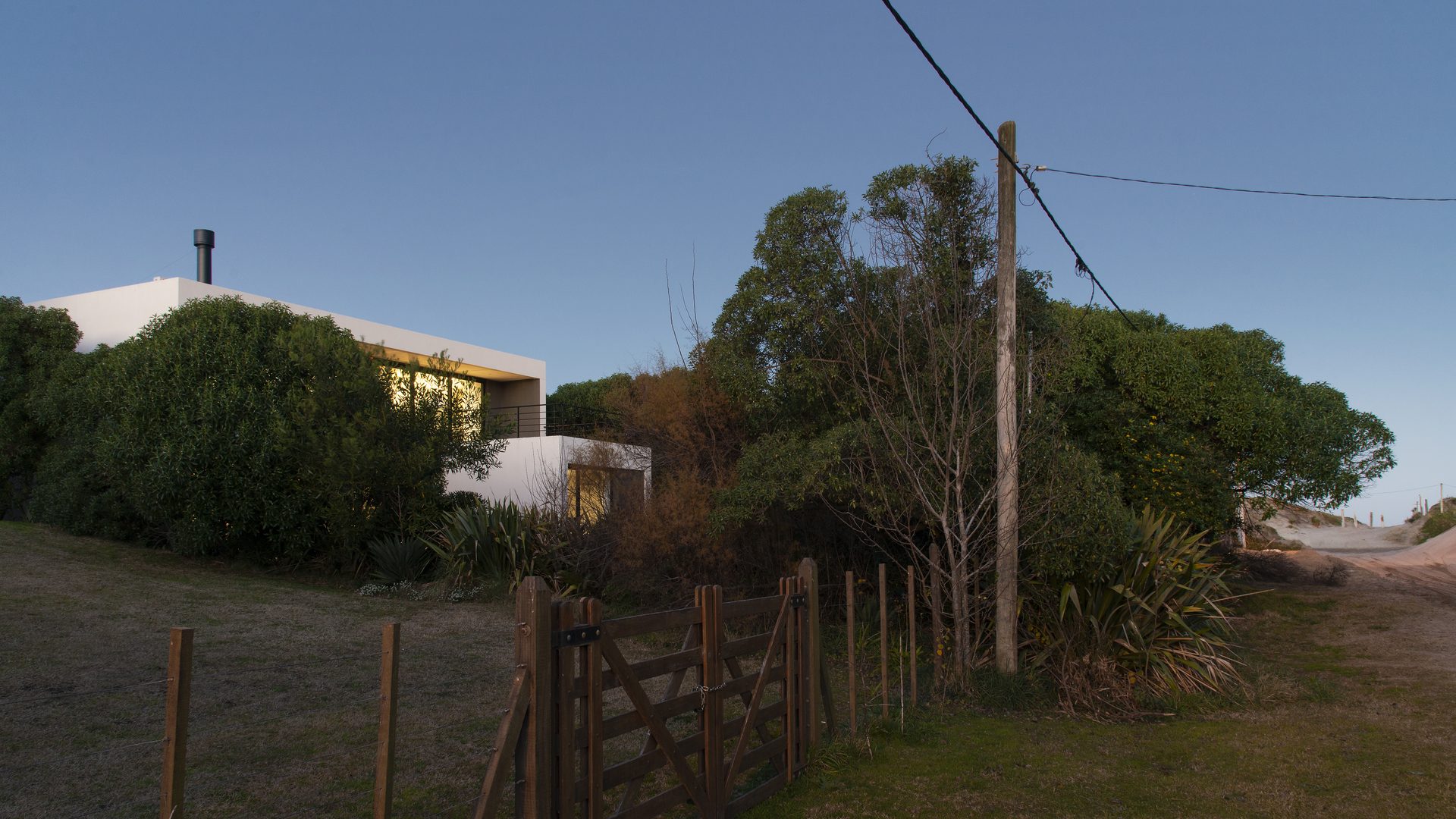
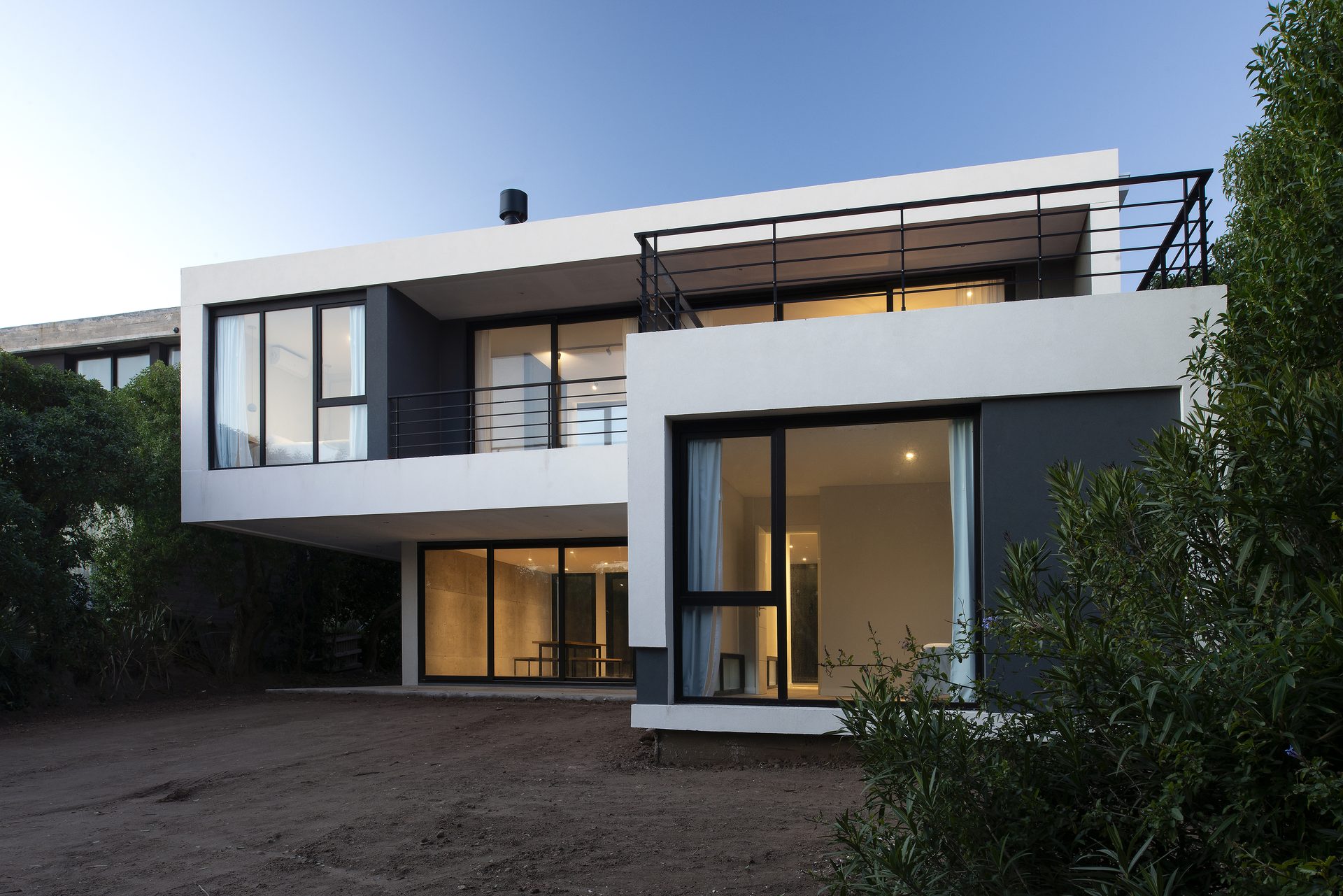
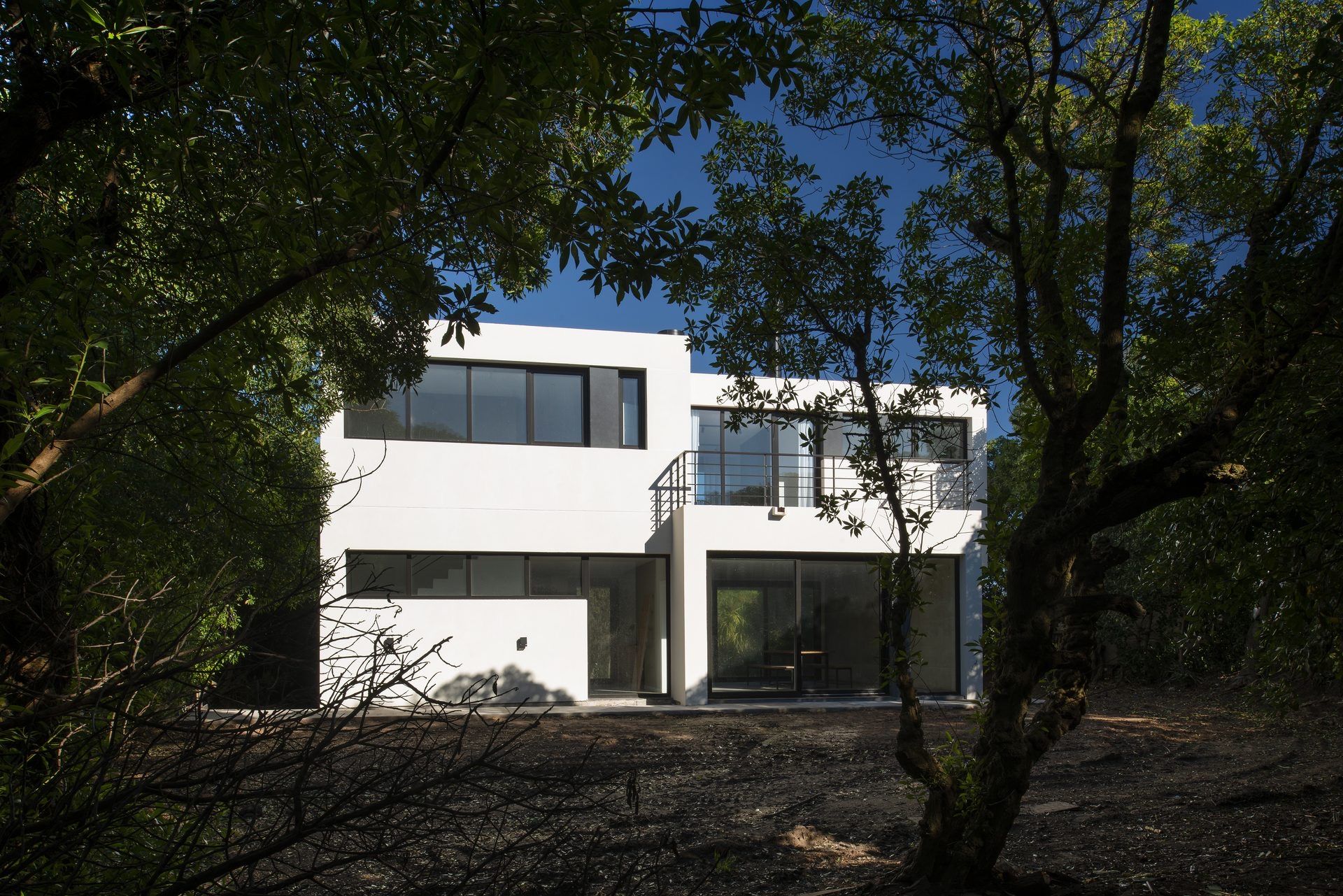
Casa Marchi, se ubica en la localidad de Mar Chiquita, provincia de Buenos Aires, en un lote a cincuenta metros del mar, rodeado de una imponente vegetación y esplendidas visuales.
La vivienda busca escindirse del paisaje, se materializa como una yuxtaposición de volúmenes puros e identificables, buscando valorizar tanto la naturaleza como la arquitectura.
La morfología de la vivienda permite apropiarse del entorno, potenciar las relaciones espaciales entre la naturaleza y la vivienda a partir de la incorporación de múltiples espacios intermedios. Éstos, enriquecen el limite arquitectónico generando una graduación espacial entre el interior y el exterior.
Casa Marchi responde el concepto de la caja, masiva, pesada, pétrea remitiendo a la cueva de Campo Baeza, sin embargo, la técnica y la estructura de hormigón armado permiten perforar la caja, en busca de la relación con los espacios exteriores e intermedios, las mejores visuales, el ingreso de la luz y la transparencia entre el frente y el fondo del lote.